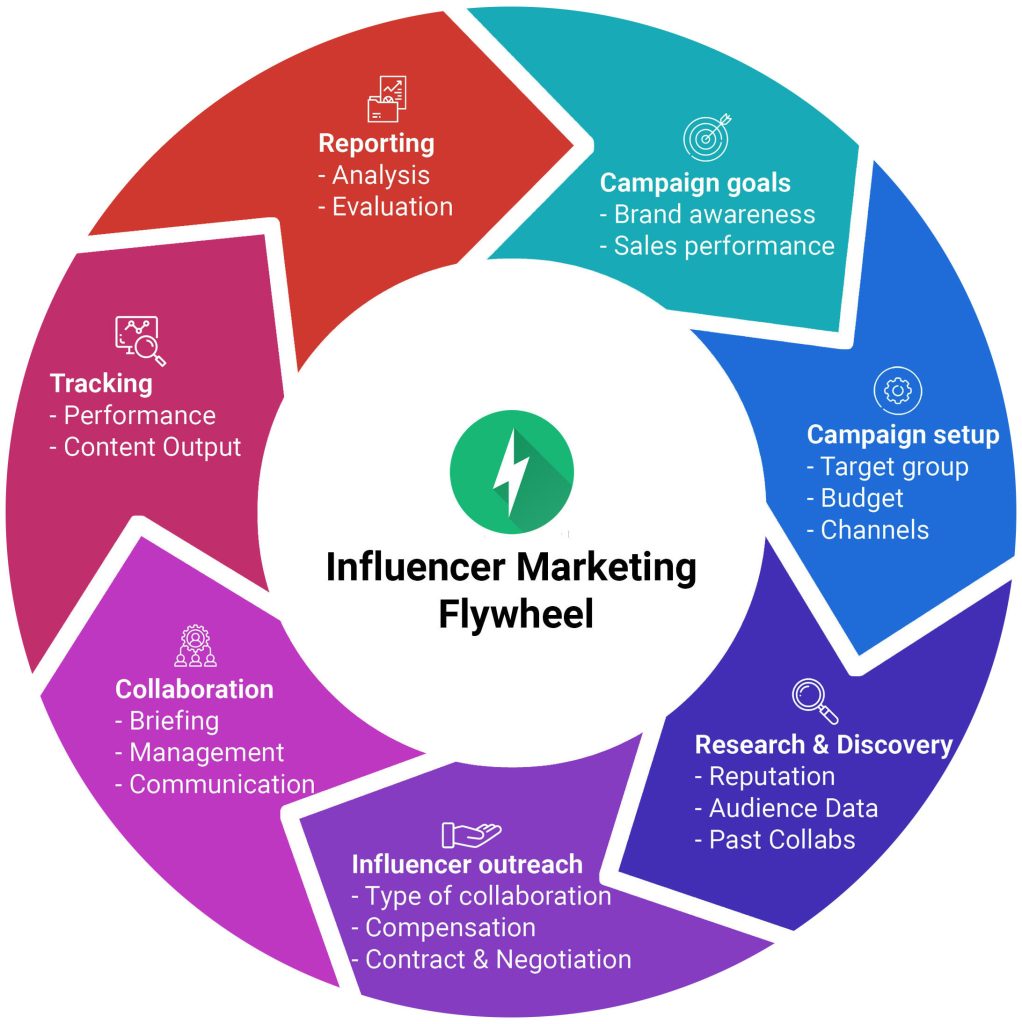
Influencer marketing tactics include collaborating with relevant influencers and creating engaging content. These strategies enhance brand visibility and credibility.
Influencer marketing leverages the popularity and reach of social media personalities to promote products or services. Brands collaborate with influencers whose audience aligns with their target market. This ensures effective and authentic promotion. Creating engaging, high-quality content is crucial for capturing attention and driving engagement.
Influencers can showcase products in a relatable manner, making the brand more appealing. Tracking performance metrics helps measure campaign success and refine strategies. Influencer marketing fosters trust and expands reach, making it a powerful tool for modern businesses. Consistent collaboration with influencers builds long-term relationships and sustained brand growth.
Introduction To Influencer Marketing
Influencer marketing is a powerful strategy in digital marketing. It leverages individuals with significant social media followings. These influencers help promote products and services. Brands can reach specific audiences more effectively through this method.
Importance In Modern Marketing
In today’s digital age, influencer marketing plays a crucial role. It allows brands to connect with their target audience authentically. Consumers trust influencers more than traditional advertisements. This trust translates into higher engagement and conversions.
Influencers can create unique content that resonates with their followers. This content often feels more genuine than standard ads. Brands can build stronger relationships with their audience through influencers.
Growth And Trends
The growth of influencer marketing has been remarkable. Social media platforms have seen a rise in influencer activities. Brands are investing more in this marketing strategy. The following table highlights key statistics:
| Year | Market Size (in Billion USD) | Percentage Growth |
|---|---|---|
| 2019 | 6.5 | 50% |
| 2020 | 9.7 | 49% |
| 2021 | 13.8 | 42% |
Influencer marketing is not just growing; it is evolving. New trends are emerging, such as:
- Micro-influencers: Smaller followings but highly engaged audiences.
- Video content: Platforms like TikTok and Instagram Reels are booming.
- Authentic storytelling: Real-life stories that connect with viewers.
Keeping up with these trends is vital. It helps brands stay relevant and effective in their campaigns.

Credit: engaiodigital.com
Identifying The Right Influencers
Identifying the right influencers is crucial for successful influencer marketing. The right influencers can amplify your brand message, reach the target audience, and increase engagement. This section will guide you on the types of influencers and the tools to find them.
Types Of Influencers
Influencers come in various types, each with unique characteristics. Identifying the right type is essential for your campaign.
- Micro-Influencers: These influencers have 1,000 to 100,000 followers. They often have a loyal and engaged audience.
- Macro-Influencers: These influencers have 100,000 to 1 million followers. They can reach a larger audience but may have lower engagement rates.
- Mega-Influencers: These influencers have over 1 million followers. They have a massive reach but can be expensive to collaborate with.
- Nano-Influencers: These influencers have fewer than 1,000 followers. They have high engagement and are often very niche-focused.
Tools For Finding Influencers
Various tools can help you find the right influencers for your brand. Here are some of the most effective ones:
| Tool | Features |
|---|---|
| BuzzSumo | Discover top influencers in your niche, analyze their engagement rates. |
| Followerwonk | Analyze Twitter followers, find influencers based on bio search. |
| Traackr | Manage influencer relationships, measure campaign performance. |
| Upfluence | Find influencers, manage campaigns, track performance metrics. |
Using these tools can streamline the process of identifying and collaborating with influencers, ensuring a successful marketing campaign.
Building Relationships With Influencers
Influencer marketing can amplify your brand’s reach. Building strong relationships with influencers is key. This involves trust, mutual respect, and clear communication.
Approaching Influencers
To approach influencers, start by researching their niche. Ensure their audience matches your brand. Use social media to engage with their content. Leave thoughtful comments and likes.
Next, send a personalized message or email. Mention why you admire their work. Be specific about how your brand aligns with their content. Highlight mutual benefits.
| Step | Action |
|---|---|
| 1 | Research Influencer’s Niche |
| 2 | Engage with Their Content |
| 3 | Send Personalized Message |
| 4 | Highlight Mutual Benefits |
Negotiating Collaborations
Negotiation is crucial. Start by defining clear goals for the collaboration. Decide what you expect from the influencer. Outline the deliverables and deadlines.
Discuss compensation openly. Be transparent about your budget. Many influencers prefer monetary compensation. Others might accept product swaps or discounts.
- Define Clear Goals
- Outline Deliverables
- Set Deadlines
- Discuss Compensation
- Agree on Terms
Finally, put everything in writing. Create a simple contract. This ensures both parties understand their commitments.
Crafting Effective Campaigns
Influencer marketing can boost your brand’s visibility and engagement. Crafting effective campaigns is crucial for success. Let’s dive into the essential steps.
Setting Clear Goals
Start with clear goals for your campaign. This helps you measure success. Ask yourself, do you want more followers? More sales? More engagement?
- Identify your target audience.
- Define your key performance indicators (KPIs).
- Set realistic and achievable goals.
Content Planning
Plan your content carefully. Good planning leads to great results. Collaborate with influencers to create engaging content.
- Brainstorm content ideas with influencers.
- Ensure content aligns with your brand values.
- Schedule content to maintain consistency.
Use different types of content for variety. For example:
| Content Type | Example |
|---|---|
| Video | Product reviews, tutorials |
| Image | Styled photos, infographics |
| Text | Blog posts, captions |
Leveraging Social Media Platforms
Influencer marketing thrives on social media. Different platforms offer unique opportunities. Leveraging each platform effectively maximizes reach and engagement. This section covers strategies for popular platforms.
Platform-specific Strategies
Every social media platform has distinct features. Tailoring content to each platform boosts effectiveness. Below are strategies for popular platforms:
| Platform | Strategy |
|---|---|
| Use high-quality photos and stories. Collaborate with influencers for IGTV. | |
| YouTube | Create engaging video content. Partner with vloggers for product reviews. |
| Post concise, catchy tweets. Use hashtags to reach a wider audience. | |
| Share engaging posts and live videos. Utilize Facebook groups for niche targeting. | |
| TikTok | Create fun, short videos. Collaborate with influencers on trending challenges. |
Maximizing Engagement
Engagement is crucial for influencer marketing success. Here are some tips:
- Authenticity: Ensure content feels genuine and relatable.
- Consistency: Post regularly to maintain audience interest.
- Interaction: Respond to comments and messages.
- Visual Appeal: Use eye-catching visuals to grab attention.
- Call-to-Action: Encourage followers to like, share, and comment.
Implementing these strategies will help maximize your influencer marketing efforts.
Measuring Campaign Success
Influencer marketing can drive incredible results. But how do you measure success? Understanding the effectiveness of your campaign is crucial. This section will help you identify and analyze key metrics. Let’s dive in!
Key Performance Indicators
Key Performance Indicators (KPIs) help measure the success of your campaign. Here are some essential KPIs to track:
- Engagement Rate – Likes, comments, shares, and saves.
- Reach – Number of unique viewers.
- Impressions – Total views on your content.
- Click-Through Rate (CTR) – Percentage of clicks on your links.
- Conversions – Actions like sign-ups or purchases.
Analyzing Results
Analyzing results is key to understanding your campaign’s impact. Here are steps to analyze your data:
- Collect data from all platforms.
- Compare actual results with your goals.
- Identify which content performed best.
- Analyze audience feedback and comments.
- Adjust future campaigns based on insights.
Use a table to track your KPIs:
| Metric | Goal | Actual | Difference |
|---|---|---|---|
| Engagement Rate | 5% | 6% | +1% |
| Reach | 10,000 | 12,000 | +2,000 |
| Impressions | 15,000 | 14,500 | -500 |
| CTR | 3% | 3.5% | +0.5% |
| Conversions | 200 | 250 | +50 |
By tracking these metrics, you can adjust and improve your strategies. This ensures long-term success for your influencer marketing campaigns.
Managing Budget And Roi
Influencer marketing can be very effective. Managing your budget and ROI is key. This ensures your campaigns are both cost-effective and profitable.
Cost-effective Tactics
Maximize your budget with these cost-effective tactics:
- Micro-Influencers: Work with influencers who have smaller but highly engaged audiences. They cost less but often deliver higher engagement.
- Content Repurposing: Use influencer-generated content across various platforms. This extends the life of your content without extra cost.
- Long-term Partnerships: Build long-term relationships with influencers. This often leads to better rates and more authentic promotions.
Calculating Return On Investment
Track the success of your campaigns by calculating ROI. Here’s a simple formula:
ROI = (Net Profit / Cost of Investment) x 100Follow these steps to calculate your ROI:
- Track Sales: Measure the sales generated from influencer campaigns. Use unique discount codes or tracking links.
- Analyze Engagement: Look at likes, comments, shares, and other engagement metrics. This helps gauge the campaign’s success.
- Monitor Website Traffic: Use analytics to track the traffic directed from influencer posts. Check bounce rates and time spent on your site.
- Evaluate Brand Awareness: Measure brand mentions and follower growth. This reflects increased brand awareness.
| Metric | Importance |
|---|---|
| Sales | High |
| Engagement | Medium |
| Website Traffic | Medium |
| Brand Awareness | Low |
Use this data to refine your strategies. This ensures better ROI in future campaigns.

Credit: engaiodigital.com
Future Trends In Influencer Marketing
The world of influencer marketing is rapidly evolving. New trends and technologies are shaping the future. Brands need to stay ahead of these changes. Let’s explore the future trends in influencer marketing.
Emerging Technologies
Technology is revolutionizing influencer marketing. Augmented Reality (AR) and Virtual Reality (VR) are leading the way. These technologies create immersive experiences for audiences.
AI-driven analytics is another game-changer. It provides better insights into influencer performance. Brands can make data-driven decisions quickly.
Blockchain technology ensures transparency in influencer partnerships. It helps in verifying genuine followers and engagement. This builds trust between brands and influencers.
Predictions For The Industry
The influencer marketing industry is set to grow. Here are some key predictions:
- Micro-influencers will gain more popularity. They have a more engaged audience.
- Video content will dominate. Platforms like TikTok and YouTube will lead.
- Social commerce will rise. Influencers will drive more direct sales.
- Brands will focus on long-term partnerships. Consistency will be key.
- Authenticity will be crucial. Audiences seek genuine connections with influencers.
Stay updated with these trends. Adapt your strategies accordingly. The future of influencer marketing looks promising.

Credit: www.unboxsocial.com
Frequently Asked Questions
What Is Influencer Marketing?
Influencer marketing is a strategy where brands collaborate with influencers. They leverage the influencer’s reach to promote products or services. This tactic builds trust and increases brand awareness.
How Does Influencer Marketing Work?
Brands partner with influencers who have a large following. The influencer promotes the brand’s products. This can be through posts, stories, or videos. The goal is to reach a wider audience.
Why Is Influencer Marketing Effective?
Influencers have a loyal and engaged audience. Their followers trust their recommendations. This trust translates to higher conversion rates for brands. Influencer marketing also provides authentic promotion.
How To Choose The Right Influencer?
Look for influencers relevant to your niche. Check their engagement rate, not just follower count. Review their content quality and audience demographics. Ensure their values align with your brand.
Conclusion
Effective influencer marketing can drive brand awareness and increase sales. Implementing these tactics can boost your campaign’s success. Engage with influencers who align with your brand values. Monitor results to refine strategies continually. Embrace these tips to stay ahead in the evolving digital landscape.