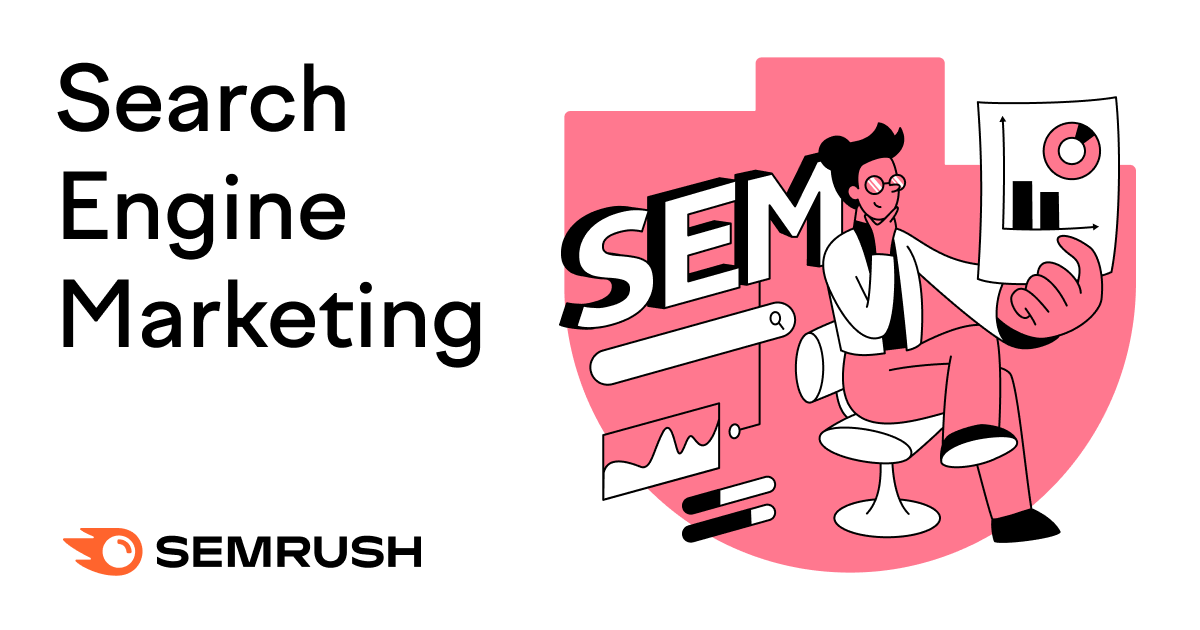
Search Engine Marketing (SEM) involves using paid advertising to increase a website’s visibility on search engine results pages. It includes strategies like pay-per-click (PPC) ads.
SEM is a crucial digital marketing strategy for driving targeted traffic to your website. Through paid advertising, businesses can reach potential customers actively searching for their products or services. SEM campaigns can be easily measured and adjusted for optimal performance, ensuring a high return on investment.
By using keyword research and competitive analysis, businesses can bid on the most relevant terms to appear in search results. This targeted approach helps maximize visibility and conversion rates. Effective SEM combines strategy, analytics, and continuous optimization to maintain a competitive edge in the digital marketplace.
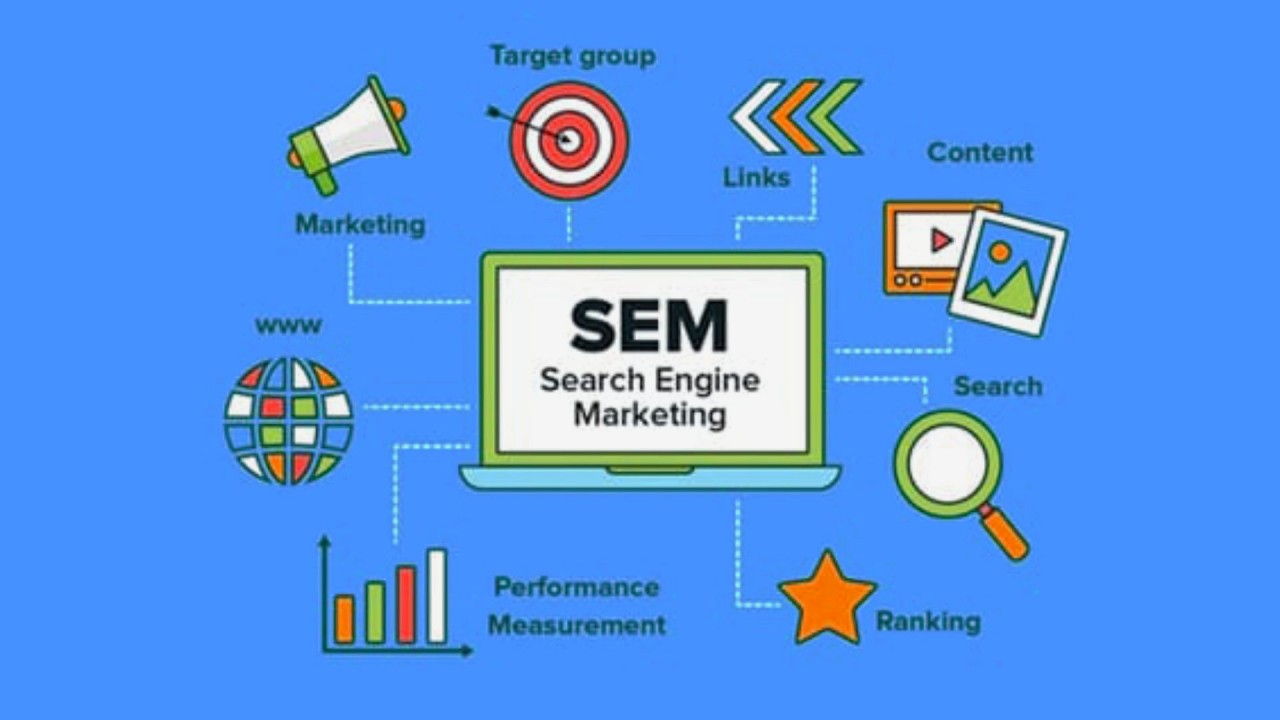
Components Of Sem
Search Engine Marketing (SEM) is a powerful tool. It helps businesses grow online. SEM has two main components. These are Paid Search Ads and Organic Search Results. Understanding these components can boost your online presence.
Paid Search Ads
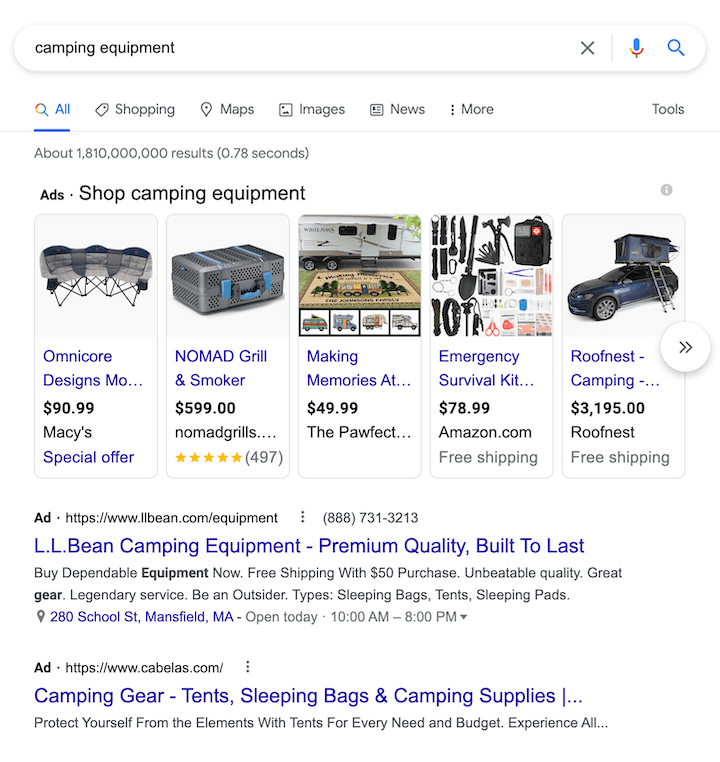
Paid Search Ads are also called Pay-Per-Click (PPC) ads. These ads appear at the top of search engine results. Businesses pay for these ads. The cost depends on the keywords used. The more competitive the keyword, the higher the cost.
Paid Search Ads have many benefits. They provide instant visibility. They allow for precise targeting. Businesses can target users based on their location, language, and device. This helps in reaching the right audience. Below is a table showing key aspects of Paid Search Ads:
| Aspect | Description |
|---|---|
| Cost | Pay based on clicks |
| Visibility | Appears at the top |
| Targeting | Precise audience targeting |
Organic Search Results
Organic Search Results are the unpaid results. They appear below the paid ads. These results are ranked by search engines. The ranking depends on the relevance and quality of the content.
Achieving high Organic Search Results requires Search Engine Optimization (SEO). SEO involves keyword research, quality content, and backlinks. Below is a list of key factors affecting Organic Search Results:
- Keyword Optimization: Use relevant keywords.
- High-Quality Content: Write valuable content.
- Backlinks: Get links from reputable sites.
- User Experience: Ensure a good website experience.
Both Paid Search Ads and Organic Search Results are crucial. They work together to improve your online presence. Understanding and utilizing both can lead to greater success.

Credit: www.semrush.com
Keyword Research
Keyword research is the foundation of Search Engine Marketing (SEM). It helps you find the right words to target. These keywords can drive traffic to your website. Effective keyword research can improve your search engine rankings.
Finding Relevant Keywords
Finding relevant keywords is crucial. Start by thinking about your audience. What words might they use to search? Make a list of these words. Try to include different variations.
Next, look at your competitors. What keywords are they targeting? You can often find this information on their websites. Check their titles and meta descriptions. This can give you ideas for your own keywords.
You should also consider long-tail keywords. These are longer phrases that people might search for. They are less competitive but can be very effective. For example, “best running shoes for women” is a long-tail keyword.
Tools For Keyword Research
Several tools can help you with keyword research. These tools can save you time and give you valuable insights.
| Tool | Features |
|---|---|
| Google Keyword Planner | Find keywords and see how they might perform. |
| SEMrush | Get detailed keyword analytics and competitor insights. |
| Ahrefs | Discover keywords and track your rankings. |
| Ubersuggest | Get keyword suggestions and SEO insights. |
These tools are user-friendly. They offer free and paid versions. Start with the free versions to see which tool you like best.
- Google Keyword Planner: Free to use, part of Google Ads.
- SEMrush: Paid tool, offers a free trial.
- Ahrefs: Paid tool, offers a free trial.
- Ubersuggest: Free to use, with premium features.
Each tool has its strengths. Choose the one that fits your needs best. Use these tools to find the best keywords for your SEM campaigns.
Creating Effective Ads
Search Engine Marketing (SEM) can transform your business. The key lies in creating effective ads. Well-crafted ads attract potential customers and drive conversions. Let’s explore how to make your ads stand out.
Ad Copywriting Tips
Writing a good ad copy is crucial. Here are some tips:
- Use strong headlines. They should grab attention instantly.
- Include keywords. Ensure your ad is relevant to the search query.
- Be concise. Keep your message short and clear.
- Add a call-to-action (CTA). Prompt users to take the next step.
- Highlight benefits. Show how your product solves a problem.
Follow these tips to create compelling ad copies. They can significantly improve your ad performance.
Designing Eye-catching Ads
Design plays a crucial role in ad effectiveness. Here are some design tips:
- Use high-quality images. They should be relevant and engaging.
- Choose the right colors. Colors should align with your brand.
- Keep it simple. Avoid clutter and focus on the main message.
- Use readable fonts. Text should be easy to read at a glance.
- Include your logo. Build brand recognition and trust.
Good design makes your ads more attractive. This can lead to higher click-through rates and conversions.
Credit: www.semrush.com
Optimizing Landing Pages
Optimizing landing pages is crucial for effective Search Engine Marketing (SEM). A well-optimized landing page can boost conversions and improve user experience. Below, we explore essential aspects of optimizing landing pages.
Elements Of A Good Landing Page
A good landing page should have a clear and compelling headline. This grabs the visitor’s attention immediately. Next, include a strong call-to-action (CTA). Make sure the CTA is visible and easy to understand.
- Use high-quality images or videos.
- Ensure fast loading times.
- Keep the design simple and clean.
Trust signals like customer testimonials or badges from reputable companies can boost credibility. Also, make the landing page mobile-friendly. Most users access websites from mobile devices.
A/b Testing Techniques
A/B testing helps you find the best version of your landing page. Start by creating two versions of the page. Change only one element between the two versions. This could be the headline, CTA, or image.
- Set a clear goal for the test.
- Split your traffic equally between the two versions.
- Monitor the performance over a set period.
Use tools like Google Optimize or Optimizely for A/B testing. Analyze the data to find which version performs better. Implement the winning version to improve your conversion rates.
| Element | Version A | Version B |
|---|---|---|
| Headline | Clear and concise | Question-based |
| CTA Button | Red color | Green color |
| Images | Product image | Happy customer |
Remember, small changes can make a big difference. Keep testing and optimizing to achieve the best results.
Budget Management
Effective budget management is crucial in Search Engine Marketing (SEM). It ensures that every dollar spent yields the best possible return. Budget management involves setting a budget and using various bid strategies to maximize results.
Setting A Budget
Setting a budget is the first step in SEM. A well-planned budget keeps expenses in control. It also helps in measuring performance accurately.
- Analyze past performance: Review previous campaign data.
- Define your goals: Know what you want to achieve.
- Allocate funds: Divide your budget across different campaigns.
- Monitor expenses: Keep an eye on daily spending.
Use tools like Google Ads Budget Planner. They help in planning and optimizing your budget.
Bid Strategies
Bid strategies are essential for effective budget management. They determine how much you pay for each click or impression.
| Bid Strategy | Description |
|---|---|
| Manual CPC | You set the bids for each keyword. |
| Enhanced CPC | Google adjusts your bid to increase conversions. |
| Target CPA | Focuses on getting conversions at a set cost. |
| Target ROAS | Targets a specific return on ad spend. |
Choosing the right bid strategy is vital. It impacts your campaign’s success and overall budget.
Analyzing Sem Performance
Effective Search Engine Marketing (SEM) requires constant performance analysis. This helps optimize campaigns and improve ROI. Here, we explore the key metrics and tools you need.
Key Metrics To Track
Tracking the right metrics is crucial for SEM success. Here are the most important ones:
- Click-Through Rate (CTR): Indicates how often people click on your ad after seeing it.
- Cost Per Click (CPC): Shows the average cost you pay for each click.
- Conversion Rate: Measures the percentage of clicks that result in desired actions.
- Quality Score: Google’s rating of the relevance and quality of your keywords and ads.
- Return on Ad Spend (ROAS): Calculates the revenue generated for every dollar spent on ads.
Using Analytics Tools
Using analytics tools helps monitor and improve SEM campaigns. Here are some essential tools:
- Google Analytics: Offers insights into user behavior and campaign performance.
- Google Ads: Provides detailed reports on ad performance and keyword effectiveness.
- SEMrush: Helps analyze competitors and find new keyword opportunities.
- Ahrefs: Tracks backlinks and ranks, offering a complete SEO picture.
Here’s a quick comparison of these tools:
| Tool | Main Feature | Benefit |
|---|---|---|
| Google Analytics | User Behavior Insights | Improves website and campaign performance |
| Google Ads | Ad Performance Reports | Optimizes ad spend and targeting |
| SEMrush | Competitor Analysis | Finds new keyword opportunities |
| Ahrefs | Backlink Tracking | Enhances overall SEO strategy |
Advanced Sem Strategies
Advanced SEM strategies can significantly boost your online marketing efforts. These techniques help you reach the right audience more effectively. Let’s explore some advanced strategies to enhance your SEM campaigns.
Remarketing Tactics
Remarketing is a powerful tactic in SEM. It targets users who have already visited your site. These users are more likely to convert. Setting up remarketing involves creating custom audience lists. You can tailor ads based on user behavior. Here’s how you can do it:
- Use Google Ads to set up remarketing lists.
- Create specific ads for different audience segments.
- Track user interactions on your website.
Remarketing helps remind users of your products. This can increase conversion rates and boost sales.
Geotargeting Techniques
Geotargeting is another advanced SEM strategy. It targets users based on their location. This ensures your ads reach the right audience at the right place. Here’s how you can implement geotargeting:
- Use Google Ads to set up location targeting.
- Select specific regions or cities to target.
- Create location-specific ad copy to engage local users.
Geotargeting can increase relevance and improve ad performance. It helps you connect with local customers more effectively. Use geotargeting to make your ads more appealing.
Future Trends In Sem
The world of Search Engine Marketing (SEM) is evolving rapidly. Keeping up with future trends can give your business a competitive edge. Let’s explore some key trends shaping the future of SEM.
Ai And Automation
Artificial Intelligence (AI) and automation are transforming SEM strategies. AI tools can analyze vast amounts of data quickly. This helps in making more informed decisions. Automation can handle repetitive tasks, saving valuable time.
Some common uses of AI and automation in SEM include:
- Automated bidding: AI adjusts bids for better ad placements.
- Ad creation: Tools can generate ad copy based on user behavior.
- Predictive analysis: AI forecasts trends to optimize campaigns.
Voice Search Impact
Voice search is becoming increasingly popular. Devices like Google Home and Alexa are driving this trend. This means SEM strategies must adapt to voice search behaviors.
Key aspects to consider for voice search optimization include:
- Conversational keywords: Use natural, spoken language in your keywords.
- Question-based queries: People ask questions in voice search. Use question keywords.
- Local SEO: Many voice searches are for local information. Optimize for local search terms.
By focusing on these future trends, you can stay ahead in the SEM game. Embrace AI and optimize for voice search to boost your SEM efforts.
Credit: www.linkedin.com
Frequently Asked Questions
What Is Search Engine Marketing (sem)?
Search Engine Marketing (SEM) involves promoting websites by increasing their visibility in search engine results. This is mainly through paid advertising.
How Does Sem Differ From Seo?
SEM involves paid ads to boost visibility, while SEO focuses on organic search results. Both aim to increase traffic.
Why Is Sem Important For Businesses?
SEM helps businesses quickly reach targeted audiences, driving immediate traffic and potential conversions. It’s measurable and scalable.
What Are The Main Components Of Sem?
SEM includes keyword research, ad creation, bid management, and performance analysis. Each component plays a crucial role in success.
Conclusion
Search Engine Marketing (SEM) offers incredible opportunities for businesses to grow online. By leveraging SEM, you can reach targeted audiences efficiently. Embrace SEM strategies to enhance your online presence, boost traffic, and increase conversions. Start implementing these tactics today to see measurable results in your digital marketing efforts.