

Remarketing techniques target previous visitors to re-engage them and encourage conversions. These strategies boost retention and sales.
Remarketing, also known as retargeting, is a powerful digital marketing strategy. It helps businesses reconnect with users who have previously interacted with their website or app. By displaying relevant ads to these users as they browse other sites, companies can increase brand recall.
This leads to higher conversion rates and improved ROI. Remarketing leverages various platforms like Google Ads and social media channels. It allows precise targeting based on user behavior. Effective remarketing involves crafting compelling ad creatives and personalized messaging. This ensures that the audience remains engaged and more likely to return and complete desired actions.

Credit: www.slidegeeks.com
Introduction To Remarketing
Remarketing is a powerful tool in digital marketing. It helps businesses reconnect with potential customers. These customers have previously interacted with your website or app. Remarketing can significantly boost your conversion rates. Let’s explore the basics of remarketing.
What Is Remarketing?
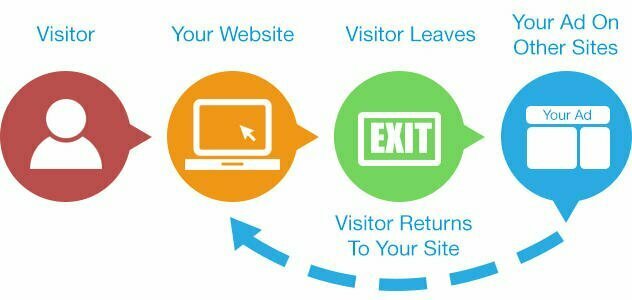
Remarketing is a strategy to target users. These users have visited your site before. By using cookies, you can track their online behavior. Then, you can show them relevant ads on different platforms.
Remarketing involves placing a small piece of code, called a pixel, on your website. This pixel helps you gather data on user behavior. Based on this data, you can create tailored ads. These ads remind users of their previous interest in your products or services.
Importance Of Remarketing
Remarketing is crucial for several reasons. It keeps your brand top-of-mind for potential customers. People often need multiple interactions before making a purchase.
Remarketing also helps increase conversion rates. Users who see remarketing ads are more likely to complete a purchase. This makes your marketing efforts more efficient and cost-effective.
Another benefit is better engagement. Remarketing allows you to show personalized ads. These ads are based on users’ previous interactions. Personalized ads are more relevant and engaging for users.
| Benefit | Description |
|---|---|
| Increased Brand Recall | Keeps your brand visible to potential customers. |
| Higher Conversion Rates | Encourages users to complete their purchase. |
| Better Engagement | Shows personalized and relevant ads. |
| Cost-Effective | Improves the efficiency of your marketing budget. |
In summary, remarketing is a vital strategy. It helps reconnect with potential customers. It improves brand recall, conversion rates, and engagement. Implementing remarketing can lead to significant business growth.
Credit: 4sight.group
Types Of Remarketing
Remarketing is a powerful tool in digital marketing. It helps reconnect with past visitors. Different types of remarketing can suit different business needs. Let’s explore the main types of remarketing techniques.
Standard Remarketing
Standard Remarketing shows ads to past visitors. These ads appear on other websites. They remind visitors of your products or services.
- Simple to set up
- Effective for brand recall
- Can increase conversion rates
Standard Remarketing is ideal for keeping your brand top-of-mind. It helps turn visitors into customers.
Dynamic Remarketing
Dynamic Remarketing takes things a step further. It shows ads based on products or services viewed. This makes the ads more relevant and personalized.
- Highly personalized ads
- Improves user engagement
- Increases chances of conversion
Dynamic Remarketing is perfect for e-commerce sites. It targets users with ads for items they showed interest in.
| Type | Key Feature | Best For |
|---|---|---|
| Standard Remarketing | Shows general ads | Brand recall |
| Dynamic Remarketing | Shows personalized ads | E-commerce |
Setting Up Remarketing Campaigns
Remarketing campaigns help you reach visitors who left your site. They boost your chances of converting these visitors into customers. Setting up a remarketing campaign involves a few key steps. This guide will walk you through those steps.
Choosing A Platform
Selecting the right platform is crucial for your campaign’s success. Popular options include Google Ads, Facebook Ads, and LinkedIn Ads. Each platform has unique features and benefits.
For example, Google Ads allows you to display ads across the Google Display Network. This network includes millions of websites and apps. Facebook Ads lets you target users based on their behavior on Facebook and Instagram. LinkedIn Ads is ideal for B2B remarketing, targeting professionals.
| Platform | Best For |
|---|---|
| Google Ads | Wide reach |
| Facebook Ads | Social media users |
| LinkedIn Ads | B2B targeting |
Creating Remarketing Lists
Creating remarketing lists is the next step. These lists categorize users based on their behavior on your site. For instance, you can create a list of users who visited your product page but didn’t purchase.
Here is how to create a remarketing list in Google Ads:
- Go to your Google Ads account.
- Click on the “Tools and Settings” menu.
- Select “Audience Manager” under “Shared Library”.
- Click the “+” button to create a new audience.
- Choose the criteria for your list, such as “Website Visitors”.
- Define the conditions, like “visited a specific page”.
- Name your list and save it.
Repeat these steps for each platform you use. Tailor your lists to match your campaign goals.
Once your lists are ready, you can start creating targeted ads. These ads will be shown to users on your remarketing lists. This increases the chances of converting them into customers.
Audience Segmentation
Audience Segmentation is crucial for effective remarketing techniques. It allows marketers to target specific groups of users. By segmenting your audience, you can tailor your ads for better engagement.
Behavior-based Segmentation
Behavior-based segmentation focuses on the actions users take on your site. It includes:
- Pages visited
- Items added to cart
- Time spent on site
These behaviors help you understand user intent. For instance, a user who visits a product page multiple times is likely interested. You can target this user with ads highlighting special offers. This technique boosts conversion rates.
| Behavior | Remarketing Strategy |
|---|---|
| Visited Product Pages | Show product ads |
| Added Items to Cart | Offer discounts |
| Spent Time on Site | Highlight benefits |
Demographic Segmentation
Demographic segmentation divides your audience based on characteristics like age, gender, and location. This helps create more relevant ads for each group. For example:
- Age: Tailor ads for different age groups
- Gender: Create gender-specific campaigns
- Location: Use local offers and events
By understanding your audience’s demographics, you can craft messages that resonate. This increases the likelihood of engagement and conversion.
Crafting Effective Ads
Creating ads that capture attention is crucial for remarketing success. Effective ads reconnect with past visitors and guide them back. Below are tips to craft engaging and effective remarketing ads.
Ad Copy Tips
- Keep It Short: Use short and clear sentences.
- Highlight Key Benefits: Focus on the main benefits of your product.
- Use Action Words: Encourage action with words like “Buy,” “Discover,” or “Join.”
- Personalize Your Message: Tailor the ad to the visitor’s previous actions.
Design Best Practices
A well-designed ad is as important as the ad copy. It should be visually appealing and easy to understand.
| Design Element | Best Practice |
|---|---|
| Images | Use high-quality images that relate to your product. |
| Colors | Choose colors that match your brand and attract attention. |
| Fonts | Use readable fonts and avoid too many font styles. |
| Call to Action | Make the call-to-action button stand out. |
Effective ads combine compelling copy and appealing design. This will bring visitors back to your site.

Credit: www.linkedin.com
Optimizing Remarketing Campaigns
Remarketing campaigns are essential for re-engaging users who visited your site. To get the best results, it’s crucial to optimize these campaigns. This section will cover key strategies for enhancing your remarketing efforts.
A/b Testing
A/B testing helps you find what works best in your remarketing campaigns. Create two versions of your ad. Show each version to a different audience segment. Measure which version performs better.
Benefits of A/B Testing:
- Identify high-performing ads
- Increase conversion rates
- Reduce ad spend
Use tools like Google Optimize for A/B testing. These tools provide detailed reports. Make data-driven decisions based on these reports.
Performance Tracking
Performance tracking is vital for understanding your campaign’s success. Use tracking pixels to collect data on user behavior. Analyze metrics like:
- Click-Through Rate (CTR): Measures ad engagement
- Conversion Rate: Measures how many users complete desired actions
- Cost Per Click (CPC): Measures ad cost efficiency
Organize this data in a table for easier analysis:
| Metric | Definition | Importance |
|---|---|---|
| CTR | Click-Through Rate | Shows ad engagement |
| Conversion Rate | Completed desired actions | Indicates campaign success |
| CPC | Cost Per Click | Evaluates cost efficiency |
Regularly monitor these metrics. Adjust your campaign based on performance data. This ensures ongoing optimization and better results.
Common Remarketing Mistakes
Remarketing is a powerful tool to re-engage potential customers. Yet, common mistakes can hinder your success. Let’s explore two frequent errors: overexposure and irrelevant ads.
Overexposure
Overexposure happens when users see your ads too often. This can annoy them and drive them away.
To avoid this, consider these tips:
- Frequency Caps: Set limits on how often users see your ads.
- Diverse Content: Rotate different ads to keep things fresh.
- Timing: Show ads at optimal times for better engagement.
Irrelevant Ads
Showing irrelevant ads can confuse or irritate users. This reduces the chance of conversions.
Here’s how to ensure relevance:
- Segment Audience: Group users based on their behavior.
- Personalize: Tailor ads to match user interests.
- Update Regularly: Refresh ad content to stay relevant.
Avoiding these mistakes can improve your remarketing efforts. Keep your audience engaged and happy.
Case Studies
Remarketing techniques have revolutionized digital marketing. They help businesses reconnect with potential customers. By analyzing case studies, we can understand the real-world impact of these strategies. Below, we delve into some remarkable success stories and lessons learned from various campaigns.
Success Stories
Success stories illustrate how businesses effectively use remarketing techniques. These cases showcase significant improvements in engagement and conversion rates.
| Company | Strategy | Results |
|---|---|---|
| ABC Retail | Dynamic Ads | 50% increase in sales |
| XYZ Tech | Email Remarketing | 30% higher open rates |
| MNO Travel | Personalized Offers | 40% boost in bookings |
ABC Retail used dynamic ads to target visitors. They saw a 50% sales increase. Their ads showed products users viewed. This created a personalized shopping experience.
XYZ Tech focused on email remarketing. They sent targeted emails to potential customers. These emails had a 30% higher open rate. The content was relevant and timely.
MNO Travel offered personalized deals. This strategy boosted bookings by 40%. Customers received offers based on their browsing history. This made the offers more appealing.
Lessons Learned
Analyzing these success stories provides valuable lessons. Businesses can adapt these strategies to their own needs.
- Personalization is key: Tailor ads and emails to user behavior.
- Timing matters: Send remarketing messages at the right time.
- Monitor and adjust: Continuously track performance and tweak campaigns.
- Use diverse channels: Combine email, social media, and display ads.
Personalization significantly enhances user engagement. Timing ensures that the message reaches the user when it is most relevant. Monitoring and adjusting campaigns helps in optimizing performance. Utilizing diverse channels increases the chances of reconnecting with potential customers.
Frequently Asked Questions
What Is Remarketing In Digital Marketing?
Remarketing involves targeting users who have previously interacted with your website or app. It aims to re-engage them with personalized ads. This technique helps improve conversion rates by reminding users of your products or services.
How Does Remarketing Work?
Remarketing works by using cookies to track users’ behavior on your site. Ads are then displayed to these users on other platforms. This keeps your brand top-of-mind and encourages them to return and complete a purchase.
What Are The Benefits Of Remarketing?
Remarketing offers several benefits, including increased brand recall, improved conversion rates, and better ROI. It also allows for more personalized ad experiences, targeting users based on their previous interactions.
How Can I Set Up A Remarketing Campaign?
Setting up a remarketing campaign involves adding a remarketing tag to your site, creating target audience lists, and designing personalized ads. Platforms like Google Ads and Facebook Ads offer user-friendly tools for this purpose.
Conclusion
Remarketing techniques can significantly boost your marketing efforts. They help re-engage past visitors and drive conversions. Implementing these strategies effectively can enhance brand recall and increase sales. Stay ahead by continuously optimizing your campaigns. Explore different remarketing tools and track your results for better outcomes.