Marketing funnel optimization involves refining each stage of the funnel to increase conversions and customer retention. It focuses on enhancing user experience and engagement at every touchpoint.
A well-optimized marketing funnel can significantly boost your business’s success. The process starts by attracting potential customers and guiding them through awareness, interest, decision, and action stages. Each stage requires different strategies to keep the prospects engaged and moving forward.
Content quality, personalized marketing, and data analysis play crucial roles in this process. By understanding customer behavior and continuously refining your approach, you can improve conversion rates and customer loyalty. Effective funnel optimization not only drives sales but also builds a strong brand reputation.
Introduction To Marketing Funnels
Understanding the marketing funnel is vital for business success. It helps guide potential customers through the buying process. This journey has several stages, which we will explore in this section.
What Is A Marketing Funnel?
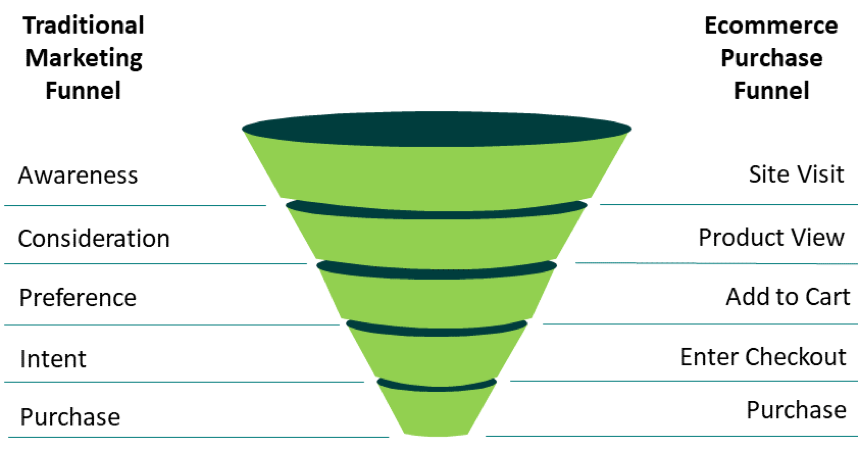
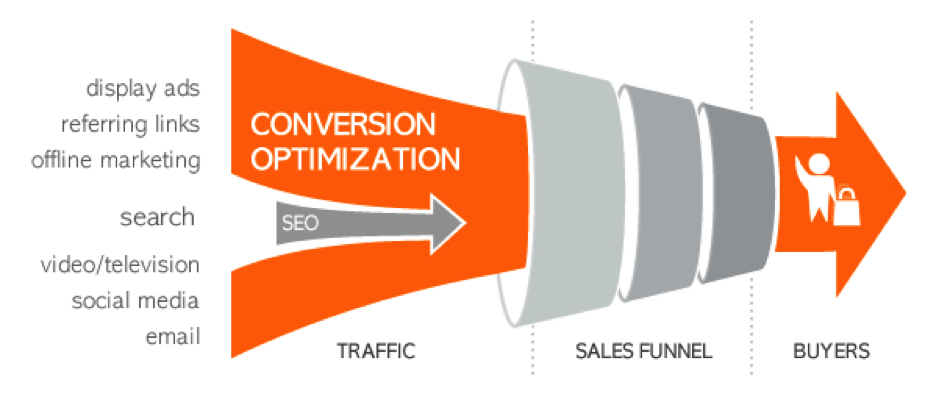
A marketing funnel illustrates the customer journey. It starts from awareness to the final purchase. Think of it as an inverted pyramid. The top is wide and narrows down. Each stage represents a step closer to a purchase.
The main stages are:
- Awareness: Potential customers learn about your product.
- Interest: They show interest in your product.
- Consideration: They evaluate your product against others.
- Intent: They plan to buy your product.
- Purchase: They complete the purchase.
- Loyalty: They become repeat customers.
Importance Of Funnel Optimization
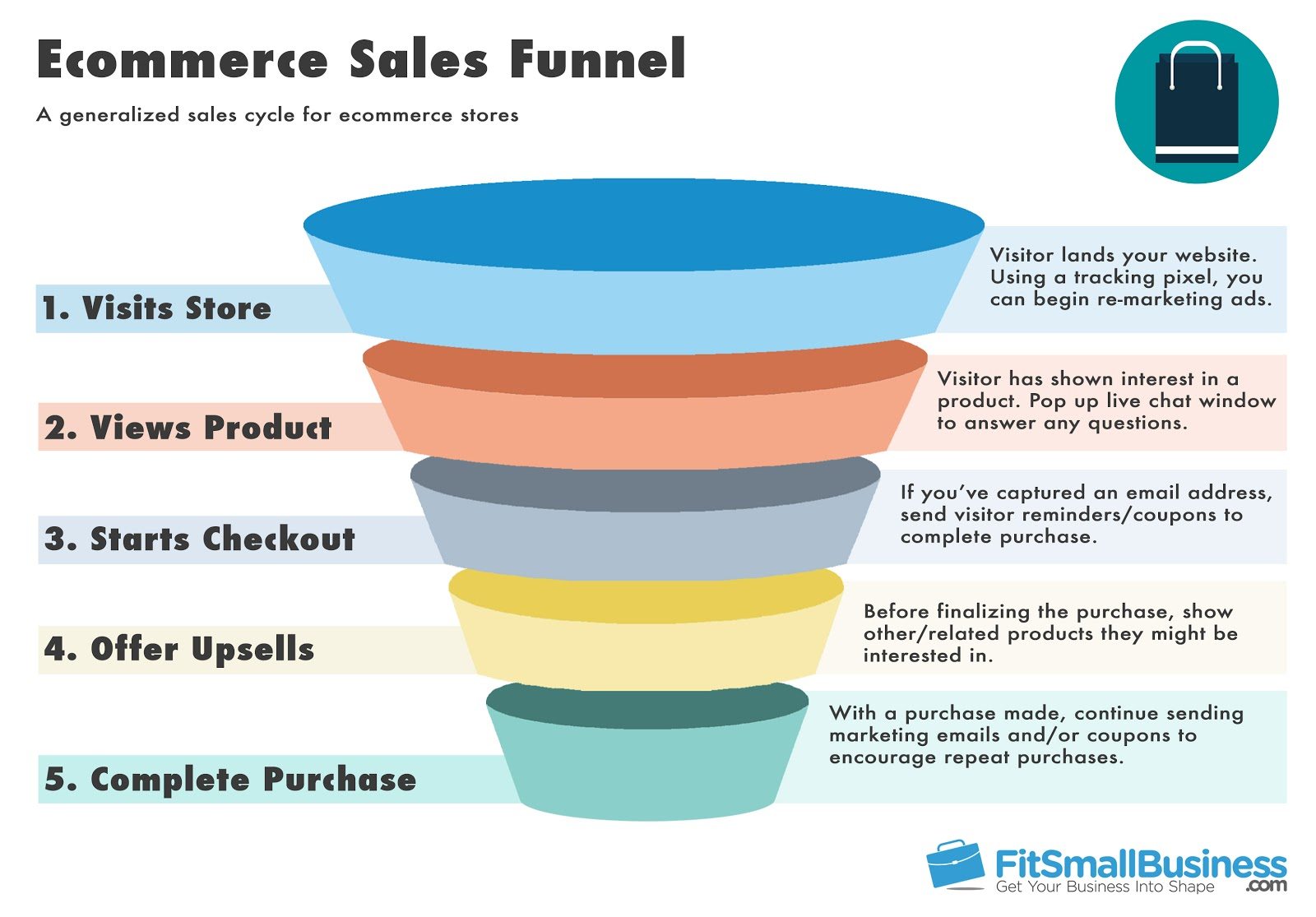
Optimizing your marketing funnel is crucial. It ensures potential customers move smoothly through each stage. This increases the likelihood of a purchase.
Here are some key reasons:
- Higher Conversion Rates: A well-optimized funnel turns more prospects into buyers.
- Improved Customer Experience: Customers enjoy a seamless journey, enhancing satisfaction.
- Better ROI: Efficient funnels reduce marketing costs and boost returns.
Consider using tools and analytics. These help identify weak points in your funnel. Addressing these can lead to significant improvements.
| Stage | Objective |
|---|---|
| Awareness | Attract potential customers |
| Interest | Engage with content |
| Consideration | Evaluate options |
| Intent | Show buying intent |
| Purchase | Complete the purchase |
| Loyalty | Become a repeat customer |
Focusing on each stage helps improve overall performance. It’s essential to regularly review and refine your funnel. This ensures it meets your business goals.
Credit: straydigital.com
Stages Of The Marketing Funnel
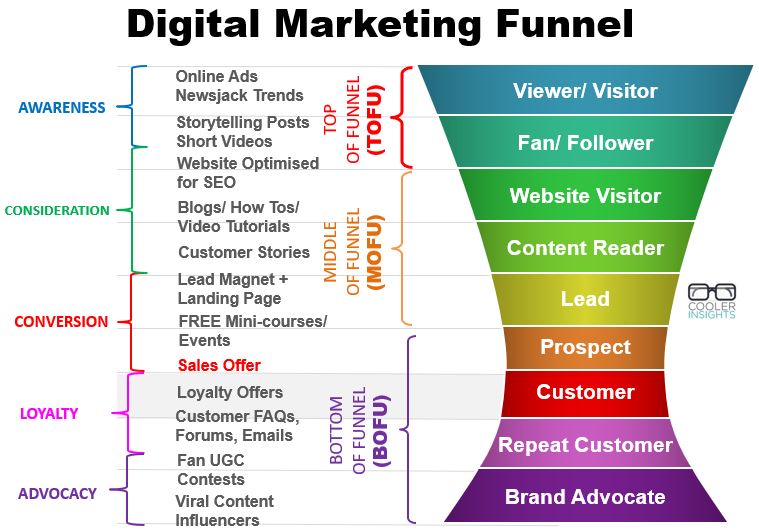
The marketing funnel is a powerful tool for guiding potential customers through their journey from awareness to purchase. Each stage of the funnel requires different strategies to effectively engage and convert leads. Understanding these stages can help you optimize your marketing efforts and improve your overall conversion rates.
Awareness Stage
At the Awareness Stage, potential customers learn about your brand. This is the first step in the marketing funnel. Here, your goal is to capture their attention and generate interest.
Effective strategies for this stage include:
- Creating engaging blog posts
- Using social media to reach a wider audience
- Running targeted ads
- Offering free resources like eBooks or webinars
Focus on providing valuable content that addresses your audience’s pain points. This helps to build trust and credibility.
Consideration Stage
In the Consideration Stage, leads have shown interest in your brand and are now evaluating their options. This is where you need to nurture these leads and demonstrate why your product or service is the best choice.
Strategies for this stage include:
- Providing detailed product guides
- Offering free trials or demos
- Sharing customer testimonials
- Hosting informative webinars or Q&A sessions
Use these tactics to highlight the benefits and features of your offerings. This helps to sway their decision in your favor.
Decision Stage
The Decision Stage is where leads are ready to make a purchase. Your objective here is to make the final push and convert these leads into paying customers.
Effective strategies for this stage include:
- Offering limited-time discounts or promotions
- Providing a seamless checkout process
- Ensuring excellent customer support
- Sending personalized follow-up emails
Make it easy for them to say yes by removing any last-minute objections. Ensure they have all the information they need to make an informed decision.
Identifying Funnel Weaknesses
Understanding the weaknesses in your marketing funnel is crucial for conversion. Identifying where potential customers drop off helps you refine strategies. Pinpointing these weaknesses ensures a seamless journey from awareness to purchase.
Analyzing Drop-off Points
Analyzing drop-off points helps in understanding where potential customers leave. Use Google Analytics to track user behavior. Identify pages with high exit rates. Check for common issues, such as slow load times or confusing navigation.
Create a table to organize this data:
| Page | Exit Rate | Possible Issue |
|---|---|---|
| Home Page | 35% | Slow Load Time |
| Product Page | 45% | Confusing Layout |
| Checkout Page | 50% | Complicated Process |
Address these issues promptly to reduce drop-offs. Small changes can lead to big improvements.
Understanding Customer Behavior
Understanding customer behavior is essential for funnel optimization. Use heatmaps to see where users click. Heatmaps show which elements catch attention. This helps in placing CTAs effectively.
Consider the following steps:
- Install a heatmap tool.
- Analyze user interactions.
- Identify popular and ignored sections.
- Rearrange elements for better engagement.
Also, conduct user surveys. Ask users about their experience. Gain insights into their needs and preferences. This qualitative data is valuable.
Combine qualitative and quantitative data. This comprehensive approach reveals deeper insights. Optimize the funnel based on real user behavior.
Credit: coolerinsights.com
Optimizing Top Of The Funnel
Optimizing the top of the marketing funnel is crucial for any business. At this stage, the goal is to attract potential customers and turn them into leads. Effective strategies can significantly enhance your lead generation efforts.
Attracting Quality Leads
Attracting quality leads begins with understanding your audience. Identify their pain points, interests, and behavior patterns. This helps in creating targeted content that resonates.
Use SEO-optimized content to increase visibility. Craft blog posts, videos, and infographics that provide value. Ensure your content ranks high on search engines.
Leverage social media platforms to reach a broader audience. Share your content, engage with followers, and participate in relevant groups.
Utilize paid advertising to accelerate your reach. Google Ads and social media ads can target specific demographics, driving quality traffic to your site.
Effective Lead Magnets
Lead magnets are critical in capturing potential customers’ information. They offer value in exchange for contact details.
Here are some effective lead magnets:
- E-books: Provide in-depth information on a topic of interest.
- Webinars: Host live sessions to engage and educate your audience.
- Free Trials: Allow potential customers to try your product or service.
- Discount Coupons: Offer incentives for first-time buyers.
Ensure your lead magnets are easily accessible. Use clear calls-to-action (CTAs) on your website, blog posts, and social media channels.
Here’s a quick table summarizing effective lead magnets:
| Lead Magnet | Benefit |
|---|---|
| E-books | Provides in-depth knowledge |
| Webinars | Engages and educates audience |
| Free Trials | Allows product experience |
| Discount Coupons | Encourages first-time purchase |
Optimize your lead magnets by testing different formats and offers. Track their performance and adjust based on data-driven insights.
Enhancing Middle Of The Funnel
The middle of the marketing funnel is crucial for converting leads. This stage focuses on engaging and nurturing potential customers. Optimizing this part can lead to higher conversion rates. Let’s explore key strategies to enhance the middle of the funnel.
Nurturing Leads
Nurturing leads is about building trust and relationships. Use email campaigns to keep your audience engaged. Send informative content that addresses their needs and pain points. Segment your leads based on behavior and preferences. This ensures they receive relevant information.
- Send timely follow-up emails.
- Offer free resources like eBooks or webinars.
- Use lead scoring to prioritize high-potential leads.
Engage with leads on social media. Respond to their comments and messages. Show that you value their input.
Personalized Content
Personalized content can significantly improve engagement. Tailor your messages to individual preferences and behaviors. Use data to understand what your leads are looking for. Create content that speaks directly to their needs.
| Content Type | Purpose |
|---|---|
| Case Studies | Show success stories relevant to the lead’s industry. |
| Product Demos | Provide a hands-on experience of your product. |
| Blog Posts | Educate and inform on topics of interest. |
Use dynamic content on your website. Change what visitors see based on their past interactions. This can increase relevance and engagement.
Incorporate personalization in your email marketing. Address recipients by their first name. Refer to their past interactions with your brand. This makes the communication feel more personal and relevant.
Credit: blog.keyscouts.com
Improving Bottom Of The Funnel
Improving the bottom of the funnel (BOFU) is key for any marketing strategy. This stage targets prospects who are ready to buy. Your goal is to convert these leads into customers. Effective techniques and strategies can boost conversion rates significantly.
Sales-ready Leads
Sales-ready leads are prospects ready to make a purchase. Identify these leads through their actions. They often show high engagement. Actions like requesting a demo or adding items to a cart are strong indicators.
Use lead scoring to identify these prospects. Assign points based on their actions and engagement. Higher scores indicate readiness to buy. Share these leads with your sales team. They can focus on converting these prospects.
Closing Techniques
Closing techniques are crucial for converting leads. Personalization can make a big difference. Tailor your messages to each lead’s needs and interests. This shows you understand their problems.
Offer limited-time discounts or special offers. This creates urgency and encourages quick decisions. Provide clear and concise information about your product. Use testimonials and case studies to build trust. Show how your product has helped others.
Follow up with leads regularly. Ensure they have all the information they need. Address any concerns or objections promptly. This helps build confidence in your product.
Use the table below to understand key closing techniques:
| Technique | Description | Benefits |
|---|---|---|
| Personalization | Tailor messages to each lead | Shows understanding of their needs |
| Limited-Time Offers | Provide special discounts | Creates urgency |
| Testimonials | Share customer success stories | Builds trust |
| Regular Follow-Ups | Check in with leads frequently | Keeps leads engaged |
Improving the bottom of the funnel requires focus and effective strategies. Identify sales-ready leads and use proven closing techniques. This will boost your conversion rates and grow your customer base.
Tools For Funnel Optimization
Optimizing your marketing funnel is crucial for business success. The right tools streamline this process. They provide insights, track customer interactions, and boost conversions. This section explores essential tools for funnel optimization.
Analytics Tools
Understanding customer behavior is key. Analytics tools offer deep insights. They help identify where users drop off in the funnel. This information is invaluable for making improvements.
- Google Analytics: Tracks website traffic and user behavior. It offers detailed reports on user interactions and conversion rates.
- Hotjar: Visualizes user behavior with heatmaps. It also records user sessions, providing a clear view of user actions.
- Mixpanel: Focuses on user engagement and retention. It tracks events and offers advanced segmentation options.
These tools help pinpoint funnel weaknesses. They provide actionable data for optimization.
Crm Systems
Customer Relationship Management (CRM) systems manage customer data. They track interactions, sales, and follow-ups. CRM systems are essential for funnel optimization.
| CRM System | Key Features |
|---|---|
| Salesforce | Comprehensive customer management, sales tracking, and detailed analytics. |
| HubSpot | Free CRM with marketing, sales, and service tools. Easy to use and integrates with many apps. |
| Zoho CRM | Affordable CRM with automation, analytics, and AI features. |
These CRM systems ensure no lead falls through the cracks. They provide insights to refine your funnel strategy.
Measuring Success
Understanding how to measure success is crucial in marketing funnel optimization. It helps you identify what works and what needs improvement. Below, we will discuss the key performance indicators and the importance of continuous improvement.
Key Performance Indicators
Key Performance Indicators (KPIs) are vital metrics. They help measure the success of your marketing funnel. Common KPIs include:
- Conversion Rate: Measures the percentage of visitors who take desired actions.
- Customer Acquisition Cost (CAC): The cost to acquire a new customer.
- Customer Lifetime Value (CLV): The total revenue expected from a customer.
- Click-Through Rate (CTR): The ratio of users who click on a link to the number of total users who view a page.
- Engagement Rate: Measures how actively users interact with your content.
Continuous Improvement
Continuous improvement ensures your marketing funnel remains effective. Implement these strategies:
- Regular Audits: Evaluate your funnel periodically.
- A/B Testing: Compare different versions of your marketing elements.
- Customer Feedback: Gather and analyze customer opinions.
- Data Analysis: Use analytics tools to track performance.
- Iterative Changes: Make incremental changes based on data insights.
Measuring success involves tracking KPIs and ensuring continuous improvement. By focusing on these elements, you can refine your marketing funnel for better results.
Case Studies
Understanding how real businesses optimize their marketing funnels can provide valuable insights. In this section, we will explore case studies of companies that have successfully optimized their funnels. We will also share lessons learned from these case studies.
Successful Funnel Optimization
Several companies have achieved significant success by optimizing their marketing funnels. Here are a few examples:
| Company | Strategy | Result |
|---|---|---|
| Company A | Email Segmentation | Increased conversions by 25% |
| Company B | Personalized Landing Pages | Boosted leads by 40% |
| Company C | Retargeting Ads | Improved ROI by 30% |
Lessons Learned
From these case studies, we can gather several important lessons:
- Email Segmentation: Tailoring messages to different segments can drive higher engagement.
- Personalized Landing Pages: Customizing pages for different audiences increases relevance and conversions.
- Retargeting Ads: Following up with potential customers can significantly improve ROI.
These lessons highlight the importance of personalization and follow-up in marketing funnel optimization.
Frequently Asked Questions
What Is A Marketing Funnel?
A marketing funnel represents the customer’s journey from awareness to purchase. It helps businesses understand and optimize each stage to improve conversion rates.
Why Is Funnel Optimization Important?
Funnel optimization is crucial for maximizing conversions. It ensures potential customers are effectively guided through each stage, reducing drop-offs and increasing sales.
How Can I Identify Funnel Leaks?
Identify funnel leaks by analyzing metrics at each stage. Look for high drop-off rates and low conversion rates to pinpoint problem areas.
What Tools Help With Funnel Optimization?
Tools like Google Analytics, HubSpot, and Hotjar help track, analyze, and optimize the marketing funnel. They provide valuable insights into user behavior and conversion rates.
Conclusion
Optimizing your marketing funnel is crucial for driving conversions and enhancing customer experience. Focus on each stage to ensure efficiency. Implement data-driven strategies and continuously analyze performance. This approach will lead to better engagement and increased revenue. Stay adaptable and keep refining your funnel for long-term success.