
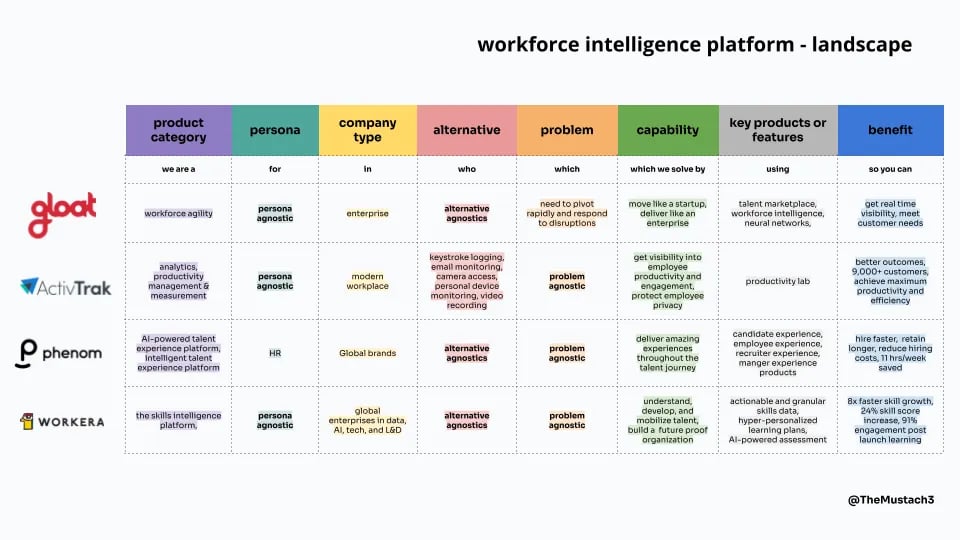
Competitor analysis identifies strengths and weaknesses of competitors. It helps businesses develop effective strategies.
Competitor analysis is essential for any business aiming to succeed in a competitive market. By understanding the strengths and weaknesses of your competitors, you can identify opportunities for growth and areas where you can outperform. This process involves researching competitors’ products, marketing strategies, customer reviews, and overall market presence.
Effective competitor analysis helps in making informed decisions, improving your product offerings, and refining your marketing strategies. It also enables you to anticipate market trends and adapt accordingly. Regularly conducting competitor analysis ensures your business remains competitive and responsive to market changes. This strategic approach is vital for maintaining a strong position in your industry.
Introduction To Competitor Analysis
Understanding your competition is crucial for business success. Competitor analysis helps identify strengths and weaknesses. This process provides insights into market trends and customer preferences. It is an essential tool for strategic planning.
Importance In Business Strategy
Competitor analysis plays a vital role in shaping your business strategy. It enables you to:
- Identify market gaps
- Understand customer needs
- Enhance product offerings
- Benchmark performance
By analyzing competitors, you can stay ahead in the market. It helps in making informed decisions and improving your competitive edge.
Key Objectives
The primary objectives of competitor analysis include:
- Market Positioning: Determine where you stand compared to competitors.
- Strengths and Weaknesses: Identify your strengths and weaknesses relative to others.
- Opportunities and Threats: Discover market opportunities and potential threats.
- Customer Insights: Gain insights into customer preferences and behavior.
- Strategic Planning: Develop effective strategies based on competitive analysis.
| Objective | Description |
|---|---|
| Market Positioning | Understand your market position relative to competitors. |
| Strengths and Weaknesses | Identify internal strengths and weaknesses. |
| Opportunities and Threats | Recognize external opportunities and threats. |
| Customer Insights | Learn about customer preferences and behavior. |
| Strategic Planning | Plan strategies based on competitive insights. |
Competitor analysis is a dynamic and ongoing process. It is essential for maintaining a competitive advantage. Implementing these strategies can lead to business growth and success.
Credit: www.semrush.com
Identifying Your Competitors
Understanding your competition is essential in any business strategy. Knowing who your competitors are helps you strategize better and stand out. This section will help you identify your competitors effectively.
Direct Vs Indirect Competitors
It is important to differentiate between direct and indirect competitors. Direct competitors offer the same products or services as you. They target the same customer base.
Indirect competitors, on the other hand, provide alternative solutions. They meet similar customer needs in different ways. Both types are important to analyze.
| Type | Definition | Examples |
|---|---|---|
| Direct Competitors | Same products or services | McDonald’s vs Burger King |
| Indirect Competitors | Different products meeting similar needs | McDonald’s vs Subway |
Tools For Identification
Various tools can help identify your competitors. These tools provide insights and data. Here are some effective tools:
- Google Search: Simple yet powerful. Search keywords related to your business. The results will show your competitors.
- SEMrush: Advanced tool. It offers detailed competitor analysis and SEO insights.
- Ahrefs: Another popular tool. It helps track competitor backlinks and keywords.
- Social Media: Platforms like Facebook and Instagram can reveal your competitors. Look at who is engaging with your target audience.
Using these tools will give you a clear picture of your competition. You can then tailor your strategies to outperform them.
Gathering Competitor Data
To understand your competitors, you need to gather data. This data helps you see what they do well and where they fall short. Using this information, you can improve your business strategy.
Public Sources
Public sources are free and accessible to everyone. They provide valuable insights about your competitors.
- Website Analysis: Check their website for design, content, and user experience.
- Social Media: Look at their posts, engagement, and follower count.
- Press Releases: Read their news announcements and product launches.
- Customer Reviews: See what customers say about their products or services.
Using public sources is easy and cost-effective. You can gather a lot of data quickly.
Private Sources
Private sources require more effort but offer deeper insights. They often involve paid tools or services.
- Customer Surveys: Ask your customers about competitors.
- Market Research Reports: Purchase detailed industry reports.
- Competitive Intelligence Tools: Use tools like SEMrush or Ahrefs to analyze competitor performance.
- Networking: Talk to industry insiders for exclusive information.
Private sources give you detailed and specific data. This data is often more reliable and actionable.
Here is a quick comparison of public and private sources:
| Source Type | Advantages | Disadvantages |
|---|---|---|
| Public Sources | Free, Easy to Access | Limited Depth, Less Reliable |
| Private Sources | Detailed, Reliable | Costly, Time-Consuming |
Analyzing Competitor Strengths And Weaknesses
Analyzing competitor strengths and weaknesses is crucial for business success. This analysis helps identify opportunities and threats in the market. Understanding your competitors can give you a competitive edge.
Swot Analysis
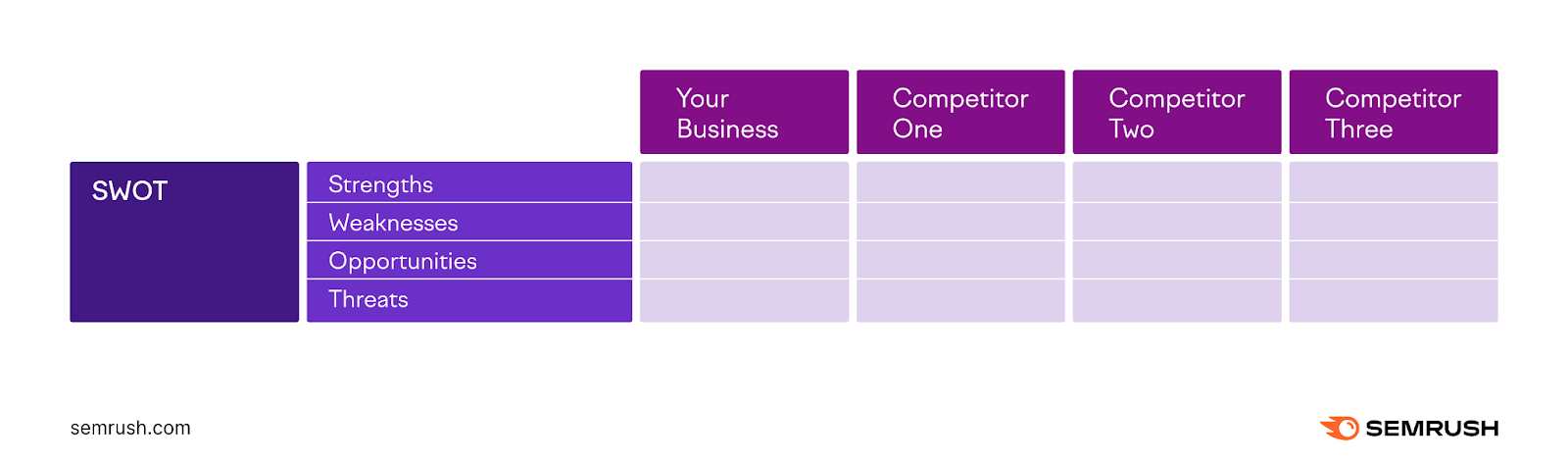
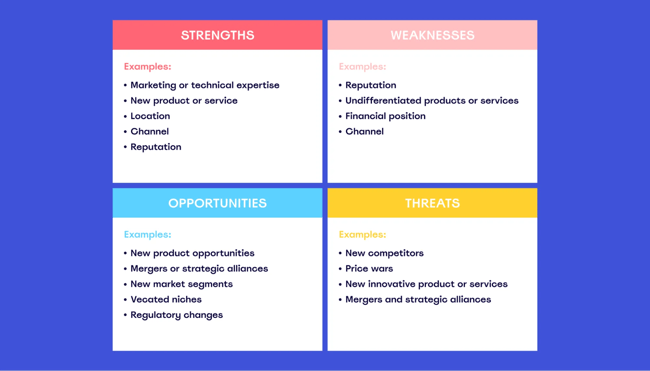
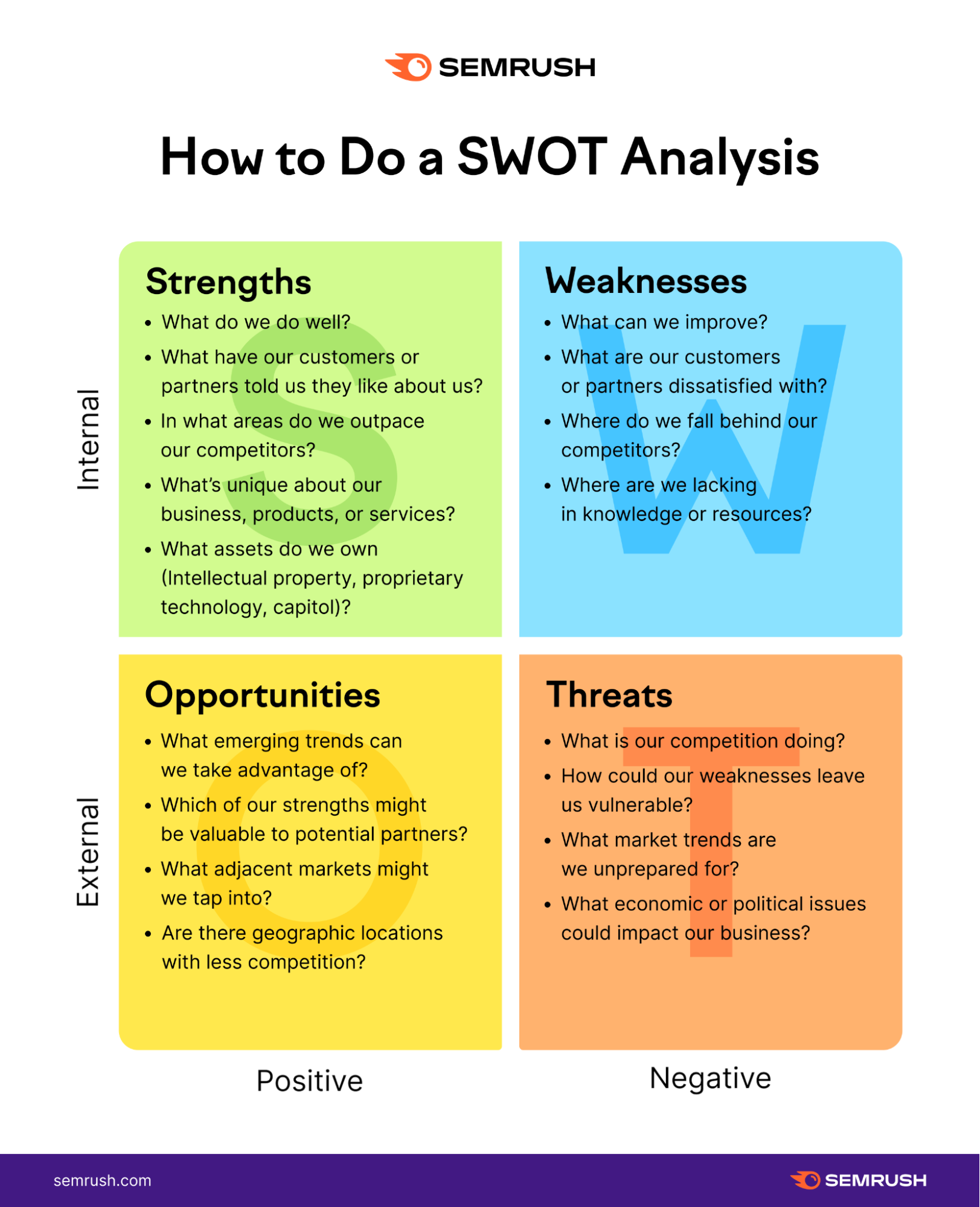
A SWOT analysis is a powerful tool for evaluating competitors. It examines four key areas:
- Strengths: What advantages does the competitor have?
- Weaknesses: Where does the competitor fall short?
- Opportunities: What market gaps can you exploit?
- Threats: What challenges could impact your business?
Use these insights to refine your strategy. A well-done SWOT analysis provides clear direction.
Benchmarking Techniques
Benchmarking involves comparing your business to competitors. This helps measure performance and set goals.
Here are some benchmarking techniques:
- Performance Benchmarking: Compare financial metrics like revenue and profit.
- Process Benchmarking: Analyze operational processes and efficiency.
- Product Benchmarking: Assess product features and quality.
Use these techniques to stay competitive. Regular benchmarking keeps your business on track.
Evaluating Market Position
Understanding your competitor’s market position is essential. It helps in shaping your strategy. This evaluation involves assessing their market share and competitive advantages. Knowing these factors provides insights into their strengths and weaknesses.
Market Share Analysis
Market share analysis reveals your competitor’s hold in the market. It shows the percentage of the market they control. Here is a simple way to analyze it:
| Competitor | Market Share (%) |
|---|---|
| Competitor A | 30% |
| Competitor B | 25% |
| Competitor C | 20% |
| Competitor D | 15% |
| Others | 10% |
From this table, you can see who leads the market. Identify trends and make data-driven decisions. Focus on competitors with higher market shares.
Competitive Advantage
Competitive advantage refers to what makes a company better. It could be cost, quality, or service. Recognizing these advantages is crucial. Here are some key points to consider:
- Product Quality: Is their product superior?
- Pricing Strategy: Are they more affordable?
- Customer Service: Do they offer better support?
- Innovation: Are they more innovative?
- Brand Reputation: Do they have a strong brand presence?
Analyze these factors for your top competitors. This helps in understanding their strengths. Use this information to enhance your own strategies.
Credit: blog.hubspot.com
Discovering Hidden Opportunities
Competitor analysis is key to staying ahead in business. Discovering hidden opportunities can give your company a competitive edge. This section explores how to find these gems through gap analysis and emerging trends.
Gap Analysis
Gap analysis identifies areas where your competitors fall short. Focus on these gaps to exploit opportunities. Use this method to highlight their weaknesses. Here are steps to perform a gap analysis:
- Identify competitor products and services
- List their strengths and weaknesses
- Compare them with your offerings
- Spot areas where they lack, but you can excel
Example:
| Competitor | Strengths | Weaknesses |
|---|---|---|
| Competitor A | High quality, good customer support | Expensive, slow delivery |
| Competitor B | Affordable, fast delivery | Low quality, poor customer support |
Focus on competitor weaknesses to find new opportunities. This will help you improve your own products or services.
Emerging Trends
Emerging trends reveal future opportunities. Keeping an eye on trends helps you stay ahead. Here are ways to spot these trends:
- Follow industry news and reports
- Attend trade shows and conferences
- Engage with thought leaders and influencers
- Monitor social media conversations
Use these steps to identify and act on new trends quickly. This keeps your business relevant and innovative.
Example:
| Trend | Opportunity |
|---|---|
| Sustainability | Develop eco-friendly products |
| Remote Work | Offer remote work solutions |
By leveraging gap analysis and emerging trends, you can discover hidden opportunities. This will set your business apart from the competition.
Developing Strategic Actions
Developing strategic actions in competitor analysis is crucial for business success. It helps you understand your competitors’ strengths and weaknesses. This knowledge allows you to create effective strategies. Below are two key aspects of developing strategic actions: tactical moves and long-term planning.
Tactical Moves
Tactical moves are short-term actions. They help you respond to your competitors quickly. Here are some key tactical moves:
- Price adjustments: Lower or raise prices to match competitors.
- Promotional campaigns: Launch limited-time offers or discounts.
- Product improvements: Enhance features based on competitor analysis.
- Customer service: Provide better support to attract customers.
These moves can help you stay competitive. Always monitor your competitors’ actions. Be ready to adapt quickly.
Long-term Planning
Long-term planning involves creating sustainable strategies. These strategies ensure your business thrives over time. Consider these elements:
- Market research: Study market trends and customer needs.
- Product development: Innovate new products or services.
- Brand building: Strengthen your brand’s identity and reputation.
- Partnerships: Form alliances with other businesses.
Long-term planning requires patience and foresight. Invest in research and development. Build a strong brand presence. Form strategic partnerships to gain a competitive edge.
Comparing tactical moves and long-term planning:
| Aspect | Tactical Moves | Long-term Planning |
|---|---|---|
| Time Frame | Short-term | Long-term |
| Focus | Immediate response | Sustainable growth |
| Actions | Price changes, promotions | Research, brand building |
Both tactical moves and long-term planning are vital. Use them together for maximum impact. Your business will be well-equipped to handle competition.
Monitoring And Updating Competitor Analysis
Competitor analysis is crucial for staying ahead in any industry. It helps businesses understand market trends and refine their strategies. Monitoring and updating competitor analysis is an ongoing process. It ensures that your business stays competitive and relevant.
Regular Review
Conducting a regular review of your competitor analysis is essential. This helps identify new trends and shifts in the market. Set a schedule for reviewing competitor data. This could be monthly, quarterly, or biannually.
Create a table to track your review schedule:
| Review Period | Key Actions | Responsible Person |
|---|---|---|
| Monthly | Check competitors’ new products | Marketing Team |
| Quarterly | Analyze pricing strategies | Sales Team |
| Biannually | Evaluate market positioning | Strategy Team |
Adjusting Strategies
Once the review is complete, adjust your strategies accordingly. Identify what your competitors are doing well. Then, improve your own approach based on this data.
Consider these steps:
- Analyze competitors’ strengths and weaknesses
- Identify gaps in your current strategy
- Implement changes to fill these gaps
Use the following code snippet for a quick reference:
function adjustStrategies(data) {
  const strengths = data.competitors.strengths;
  const weaknesses = data.competitors.weaknesses;
  const gaps = findGaps(data.currentStrategy, strengths, weaknesses);
  return updateStrategy(gaps);
}
Adjusting strategies based on competitor analysis keeps your business agile. It ensures you respond quickly to market changes.
Case Studies And Examples
Competitor analysis is essential for business growth. It helps you understand the market. Examining case studies and examples can offer valuable insights. This section highlights successful competitor analysis and lessons learned.
Successful Competitor Analysis
Successful competitor analysis can transform your business strategy. Let’s explore some real-world examples:
| Company | Strategy | Outcome |
|---|---|---|
| Netflix | Analyzed Blockbuster’s weaknesses | Gained market leadership |
| Apple | Studied Microsoft’s product flaws | Innovated with the iPhone |
| McDonald’s | Identified Burger King’s USP | Improved menu offerings |
Lessons Learned
Analyzing competitors teaches valuable lessons. Here are some key takeaways:
- Identify Weaknesses: Recognize where competitors fall short.
- Leverage Strengths: Use your strengths to fill market gaps.
- Adapt Quickly: Be ready to change strategies based on findings.
- Focus on Innovation: Always seek ways to innovate.
- Customer-Centric: Prioritize customer needs and preferences.
Competitor analysis is not just about spying. It’s about learning and growing. By studying successful cases, you can refine your approach. Apply these lessons to stay ahead in the market.
Credit: www.semrush.com
Conclusion And Next Steps
Competitor analysis is key to staying ahead in your industry. It helps you understand your market better and capitalize on opportunities. This section will summarize the key points and provide actionable next steps.
Summary Of Key Points
- Identify your main competitors.
- Analyze their strengths and weaknesses.
- Understand their market positioning.
- Examine their product offerings and pricing strategies.
- Study their marketing and sales tactics.
By understanding these areas, you can create strategies to outperform them. A detailed competitor analysis helps you make informed decisions and achieve your business goals.
Implementing Insights
Now that you have gathered valuable insights, it’s time to act. Here are the next steps to implement your findings effectively:
- Adjust Your Strategy: Use the insights to refine your business strategy. Focus on your strengths and address your weaknesses.
- Enhance Your Offerings: Improve your products or services. Ensure they meet or exceed customer expectations.
- Optimize Pricing: Review your pricing strategy. Make it competitive yet profitable.
- Boost Marketing: Implement new marketing tactics. Use the successful strategies of your competitors.
- Monitor Continuously: Keep an eye on your competitors. Regularly update your analysis to stay relevant.
By following these steps, you can leverage your competitor analysis to drive growth and success. Remember, consistent monitoring and adaptation are key to staying ahead in the competitive landscape.
Frequently Asked Questions
What Is Competitor Analysis?
Competitor analysis is the process of evaluating your business rivals. It helps identify their strengths and weaknesses. This analysis aids in understanding market trends and improving your strategies.
Why Is Competitor Analysis Important?
Competitor analysis is crucial for business growth. It helps identify market gaps and opportunities. Understanding competitors’ strategies can enhance your own business plans.
How To Conduct A Competitor Analysis?
Conducting a competitor analysis involves several steps. Identify your competitors, analyze their strengths and weaknesses. Assess their market positioning and strategies.
What Tools Are Used For Competitor Analysis?
Several tools assist in competitor analysis. Popular ones include SEMrush, Ahrefs, and SimilarWeb. These tools provide insights into competitors’ SEO, traffic, and strategies.
Conclusion
Competitor analysis is crucial for business growth. It helps identify strengths, weaknesses, and market opportunities. By understanding competitors, you can refine strategies and stay ahead. Regularly update your analysis to maintain a competitive edge. Use these insights to drive your business forward and achieve long-term success.
Always keep learning and adapting.