To build a brand online, create a strong identity and engage with your audience consistently. Leverage social media and content marketing.
Building a brand online is crucial in today’s digital age. Start by defining your brand’s mission and values. Create a unique logo and tagline that represents your brand. Establish a strong online presence through a professional website and active social media profiles.
Use SEO strategies to increase visibility and drive traffic. Engage with your audience by sharing valuable content and responding to comments. Collaborate with influencers to expand your reach. Monitor your brand’s performance and adjust strategies accordingly. Consistency in messaging and visuals helps build trust and recognition. With dedication and strategic planning, your brand can thrive online.

Credit: www.pinterest.com
Crafting Your Brand Identity
Building a brand online starts with a strong brand identity. A clear identity helps your audience connect with your brand. It sets you apart from competitors. This section covers essential steps for crafting your brand identity.
Defining Core Values
Your core values are the heart of your brand. They guide your decisions and actions. To define your core values, ask yourself these questions:
- What principles are most important to us?
- What do we want our customers to remember us for?
- How do we want to impact our community?
Write down your answers. They will help you outline your core values. These values should be reflected in every aspect of your brand.
Creating A Unique Voice
Your brand’s voice is how you communicate with your audience. It should be consistent across all platforms. A unique voice makes your brand memorable. Follow these steps to create your unique voice:
- Identify your target audience.
- Understand their language and preferences.
- Decide on the tone you want to use (friendly, professional, etc.).
- Practice writing in this voice.
Consistency is key. Use the same voice in blog posts, social media, and customer interactions. This helps build trust and recognition.
Credit: digitviral.com
Designing A Memorable Logo
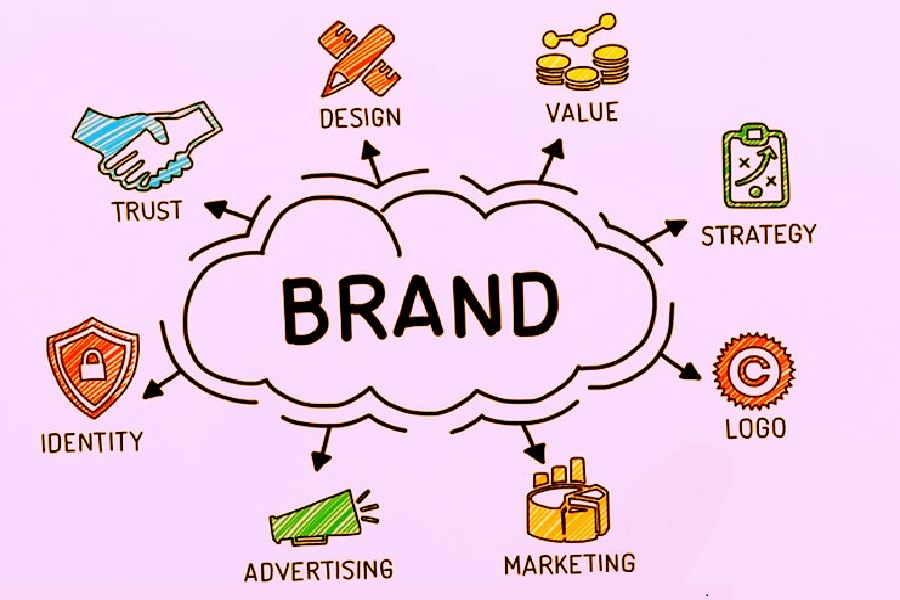
Creating a memorable logo is crucial for building a brand online. Your logo represents your brand identity. It should be unique and easily recognizable. A well-designed logo can leave a lasting impression on your audience.
Choosing Colors And Fonts
Colors and fonts play a significant role in your logo. The right colors evoke emotions and set the tone of your brand. Choose colors that align with your brand’s message. For example:
| Color | Emotion |
|---|---|
| Blue | Trust and Loyalty |
| Red | Energy and Passion |
| Green | Growth and Harmony |
Fonts also communicate your brand’s personality. Use modern fonts for a sleek look. Traditional fonts convey a classic feel.
Incorporating Brand Elements
Incorporate key brand elements into your logo. These elements include icons, shapes, and symbols. Icons can visually represent your brand’s services or products. Shapes add structure and balance to your logo design.
Consider the following brand elements:
- Icon: Represents core services or products.
- Shape: Adds structure and helps in brand recognition.
- Symbol: Conveys a specific message or value.
Ensure all elements work together harmoniously. This creates a cohesive and memorable logo.
Building A Professional Website
Creating a professional website is crucial for establishing your online brand. It serves as the digital face of your business. Your website must look good and work well. Let’s dive into the key elements of building a professional website.
User-friendly Design
A user-friendly design is vital for keeping visitors on your site. The design should be simple and easy to navigate. Use a clean layout with clear headings and subheadings. Make sure your website loads fast. Slow websites make users leave.
- Responsive Design: Your site should work on all devices, from phones to desktops.
- Easy Navigation: Use a menu that is easy to understand. Visitors should find what they need quickly.
- Readable Fonts: Use fonts that are easy to read. Avoid using too many different fonts.
Essential Pages
Every professional website needs some essential pages. These pages provide key information about your business. They help in building trust and credibility.
| Page | Description |
|---|---|
| Home Page | The main page that introduces your business. |
| About Us | Details about your company and its mission. |
| Contact Us | Information on how visitors can reach you. |
| Services/Products | A page showcasing what you offer. |
| Blog | Posts and articles related to your business. |
These pages help in providing a complete picture of your business. They also improve your SEO rankings.
Leveraging Social Media
Leveraging social media is crucial for building an online brand. Social media platforms offer an effective way to reach your audience. By engaging with users, you can create a loyal following. Let’s explore how to use social media to build your brand.
Choosing The Right Platforms
Not all social media platforms are equal. Choosing the right ones is key. Identify where your audience spends their time. For example, teens often use TikTok and Instagram. Professionals prefer LinkedIn. Create a list of the platforms your audience uses most.
Here’s a quick guide:
| Platform | Primary Audience | Content Type |
|---|---|---|
| Adults 25-34 | Posts, Videos, Events | |
| Teens, Young Adults | Photos, Stories, Reels | |
| Professionals | Articles, Job Posts | |
| TikTok | Teens, Young Adults | Short Videos |
Consistency In Posting
Consistency is essential for building a brand on social media. Posting regularly keeps your audience engaged. Stick to a posting schedule. This helps you stay on your audience’s radar. Use tools like Hootsuite or Buffer to schedule posts.
Here are some tips for consistent posting:
- Post at the same times each day.
- Use a content calendar to plan posts.
- Engage with your audience daily.
- Repurpose content to save time.
Consistency helps build trust and loyalty. Your audience will look forward to your posts. This leads to better engagement and growth.
Content Marketing Strategies
Building a brand online needs effective content marketing strategies. These strategies engage and attract your target audience. This section covers two powerful content marketing techniques: blogging and video content.
Blogging For Engagement
Blogging is a powerful tool for brand engagement. It helps you share valuable information with your audience.
Focus on creating high-quality, informative, and engaging blog posts. Use keywords that your audience is searching for.
- Write about topics relevant to your audience.
- Use a conversational tone to connect with readers.
- Include images and infographics to break up text.
- Encourage comments and discussions at the end of each post.
These practices increase your blog’s engagement and attract more visitors.
Utilizing Video Content
Video content is another effective strategy for building your brand online. Videos are engaging and easy to consume.
Here are some tips for creating compelling video content:
- Keep videos short and to the point.
- Use captions for better accessibility.
- Share behind-the-scenes content to humanize your brand.
- Include a clear call-to-action in each video.
Videos can be shared on your website, social media, and other platforms. This increases your brand’s reach and visibility.
Utilize these content marketing strategies to build a strong online brand. Blogging and video content can attract and engage your audience effectively.

Credit: www.websitebuilderexpert.com
Email Marketing Tactics
Email marketing tactics are essential for building your brand online. They help you connect with your audience directly. Email marketing can boost engagement and drive sales. This section will cover key tactics for effective email marketing.
Building A Subscriber List
To start, you need a strong subscriber list. Offer a lead magnet to attract sign-ups. This could be a free e-book or discount code. Make sure your sign-up form is visible on your website. Use pop-ups or banners to catch attention.
Another strategy is to use social media. Share your sign-up link on Facebook, Twitter, and Instagram. Collaborate with influencers to reach a wider audience. Always get permission to send emails. Use a double opt-in method for better engagement.
Crafting Effective Newsletters
A great newsletter keeps your audience engaged. Start with a catchy subject line. It should make people want to open the email. Personalize your emails by using the recipient’s name.
Segment your list to send targeted content. Different groups have different interests. Use images and call-to-action buttons to make your newsletter interactive. Keep your content short and to the point.
Below is a simple table outlining key elements of effective newsletters:
| Element | Description |
|---|---|
| Subject Line | Catchy and relevant |
| Personalization | Use recipient’s name |
| Segmentation | Targeted content for different groups |
| Call-to-Action | Encourage engagement |
Test and analyze your emails. Use A/B testing to find what works best. Track open rates and click-through rates. Adjust your strategy based on the data.
Collaborating With Influencers
Collaborating with influencers can elevate your brand to new heights. Influencers have a loyal audience that trusts their recommendations. Partnering with them can boost your brand’s visibility and credibility.
Finding The Right Partners
Identifying the right influencers is crucial for your brand’s success. Look for influencers whose audience aligns with your target market. This ensures that your message reaches the right people.
- Research Influencers: Use tools like BuzzSumo or Influencity.
- Check Engagement: High follower count doesn’t always mean high engagement.
- Evaluate Content: Ensure their content style matches your brand voice.
Measuring Impact
Tracking the impact of your influencer collaborations is essential. Use specific metrics to gauge effectiveness.
| Metric | What it Measures |
|---|---|
| Engagement Rate | Comments, likes, and shares on influencer posts. |
| Reach | Number of people who saw the content. |
| Conversions | Number of people who took action, like buying a product. |
- Set clear goals for your campaign.
- Use tracking tools like Google Analytics or Bitly.
- Review performance and adjust strategy as needed.
Collaborating with influencers can significantly boost your brand’s online presence. Choose the right partners and measure the impact to ensure success.
Analyzing Brand Performance
Understanding how your brand performs online is crucial. It helps you see what works and what needs improvement. You can use various tools and strategies to gauge your brand’s effectiveness.
Using Analytics Tools
Analytics tools are essential for tracking your brand’s performance. They offer insights into user behavior, traffic sources, and engagement levels. Here are some popular analytics tools:
- Google Analytics: Tracks website traffic and user interactions.
- Facebook Insights: Measures engagement and reach on Facebook.
- Twitter Analytics: Provides data on tweet performance and follower growth.
- Instagram Insights: Analyzes likes, comments, and follower activity.
These tools help you understand how users interact with your brand. They offer detailed reports and metrics.
Adjusting Strategies
Analyzing performance data allows you to fine-tune your strategies. Here are some steps to follow:
- Identify Weak Points: Use data to spot underperforming areas.
- Set Clear Goals: Define what you want to achieve.
- Implement Changes: Adjust content, campaigns, or ads based on insights.
- Monitor Results: Keep track of the changes to see their impact.
Regularly updating your strategy ensures your brand stays relevant. It also helps you meet your goals more effectively.
| Analytics Tool | Key Feature |
|---|---|
| Google Analytics | Website traffic tracking |
| Facebook Insights | Engagement and reach measurement |
| Twitter Analytics | Tweet performance data |
| Instagram Insights | Follower activity analysis |
Using these tools and adjusting strategies can help your brand grow. It also ensures you stay ahead of the competition.
Frequently Asked Questions
How Do I Start Building A Brand Online?
To start building a brand online, define your brand identity, create a website, and engage on social media. Consistency in messaging and visuals is crucial. Utilize SEO strategies to improve visibility.
What Are The Key Elements Of A Strong Online Brand?
Key elements include a clear brand identity, a professional website, engaging content, and active social media presence. Consistency in messaging and visuals is essential. Building trust through customer reviews and testimonials also strengthens your brand.
How Important Is Social Media For Online Branding?
Social media is vital for online branding. It helps you connect with your audience, build relationships, and increase brand awareness. Regular, engaging posts can drive traffic to your website and improve brand loyalty.
How Can Seo Improve My Online Brand?
SEO enhances your online brand by increasing visibility on search engines. Optimize your website with relevant keywords, quality content, and backlinks. Improved search rankings attract more visitors and potential customers.
Conclusion
Building a brand online requires consistent effort, creativity, and authenticity. Focus on engaging your audience and providing value. Utilize social media, SEO, and quality content. Track your progress and adapt strategies as needed. With dedication, your brand will grow and resonate with your target audience.
Start now and watch your brand flourish.