

To write SEO-friendly blog posts, use relevant keywords and create high-quality, engaging content. Focus on readability and proper formatting.
Creating SEO-friendly blog posts is essential for driving organic traffic to your website. Begin by researching relevant keywords that your target audience frequently searches for. Incorporate these keywords naturally throughout your content, including in headings and subheadings. Use short paragraphs and bullet points to improve readability.
Optimize images with descriptive alt text and ensure your blog post is mobile-friendly. Internal and external links add value and improve your post’s SEO. Lastly, write engaging, high-quality content that provides value to your readers, keeping them coming back for more. By following these practices, you can enhance your blog’s visibility and rank higher on search engines.
Introduction To Seo-friendly Blogging
Creating an SEO-friendly blog is crucial for online success. This practice helps your content rank higher on search engines. SEO stands for Search Engine Optimization. It involves techniques to improve your blog’s visibility.
Many bloggers overlook the importance of SEO. This mistake can lead to low traffic. Understanding the basics of SEO can help your blog reach a wider audience. Let’s explore why SEO is important and the benefits of SEO-friendly content.
Importance Of Seo
SEO is essential for any blog. It helps search engines understand your content. When your blog is optimized, it appears higher in search results. This means more people will see your blog.
- Increased Visibility: Higher search rankings lead to more clicks.
- Better User Experience: SEO involves improving site speed and navigation.
- Credibility and Trust: Higher rankings build trust among users.
Benefits Of Seo-friendly Content
Creating SEO-friendly content has many advantages. It not only attracts readers but also keeps them engaged. Here are some key benefits:
- Higher Traffic: Optimized content ranks better and attracts more visitors.
- Improved Engagement: Clear, concise content keeps readers on your site longer.
- Better Conversion Rates: Engaged readers are more likely to take action.
In summary, understanding and implementing SEO can significantly boost your blog’s performance. By making your content SEO-friendly, you can reach a larger audience and achieve your blogging goals.
Keyword Research
Keyword Research is the backbone of any successful SEO strategy. It helps you understand what your audience is searching for. This section will guide you through identifying and using the right keywords for your blog posts.
Identifying Target Keywords
First, list down the main topics you want to cover. These should align with your blog’s niche. For example, if your blog is about cooking, topics could include recipes, cooking tips, and kitchen tools.
Next, brainstorm related keywords for each topic. Think about what words your audience might use. For instance:
- Recipes: Easy dinner recipes, quick breakfast ideas, healthy snacks
- Cooking Tips: How to chop onions, best ways to cook chicken, baking hacks
- Kitchen Tools: Best blenders, must-have kitchen gadgets, affordable cookware
After listing potential keywords, it’s time to validate their effectiveness using keyword tools.
Using Keyword Tools
Several tools can help you find the best keywords. Here are some popular options:
| Tool | Features |
|---|---|
| Google Keyword Planner | Free, shows search volume and competition |
| Ahrefs | Paid, offers in-depth keyword analysis |
| Ubersuggest | Free and paid, provides keyword ideas and stats |
Use these tools to check the search volume and competition for your keywords. Look for keywords with high search volume and low competition. For example, “easy dinner recipes” might have high search volume and moderate competition.
Once you have a list of validated keywords, integrate them into your blog posts. Place them in the title, headings, and throughout the content naturally. This helps search engines understand your post’s topic.
Crafting Compelling Titles
Creating captivating titles is essential for SEO-friendly blog posts. A well-crafted title attracts readers and improves search engine rankings. Focus on creating titles that are catchy, relevant, and keyword-optimized.
Title Length And Structure
Title length matters significantly for both readers and search engines. Aim for titles between 50-60 characters. This ensures they display fully in search results without being cut off.
A good structure for titles includes using numbers, questions, or power words. These elements make titles more appealing. For example:
- Numbered list: “10 Tips for Writing SEO-Friendly Blog Posts”
- Question: “How to Write SEO-Friendly Blog Posts?”
- Power words: “Ultimate Guide to SEO-Friendly Blog Writing”
Incorporating Keywords
Incorporate primary keywords into your title. This helps search engines understand the content. Place the main keyword at the beginning if possible. For example:
- “SEO-Friendly Blog Posts: A Step-by-Step Guide”
- “Writing SEO-Friendly Blog Posts for Beginners”
Use secondary keywords naturally within the title. Avoid keyword stuffing, which can harm readability and SEO. For example:
- “How to Write SEO-Friendly Blog Posts for Beginners”
- “Tips for Crafting SEO-Friendly Blog Titles”
| Good Title | Bad Title |
|---|---|
| “7 Secrets to Writing SEO-Friendly Blog Posts” | “Tips for Blogs” |
| “How to Write SEO-Friendly Blog Posts That Rank” | “Write Blog Posts” |
Optimizing Blog Post Content
Creating SEO-friendly blog posts requires more than just good writing skills. You must focus on optimizing your content to rank higher in search engines. This means using effective headers, placing keywords strategically, and keeping paragraphs short and engaging.
Using Headers And Subheaders
Headers and subheaders help break up your content. They make it easier for readers to scan your post. Use H1 for your main title. Then use H2, H3, and H4 for subheadings.
- H1: Main title of your blog post.
- H2: Major sections or topics.
- H3: Subsections within H2 sections.
- H4: Further subsections within H3 sections.
Search engines use these headers to understand the structure of your content. Well-organized headers also improve user experience. They keep readers engaged and make your post easier to read.
Keyword Placement
Placing keywords strategically is crucial for SEO. Use your main keyword in the title, first paragraph, and subheadings. Sprinkle related keywords throughout the content.
- Include your main keyword in the title.
- Use it in the first 100 words of your post.
- Incorporate it naturally in headers and subheaders.
- Add it in the meta description for better ranking.
Do not overuse keywords. This can lead to keyword stuffing, which search engines penalize. Aim for a keyword density of about 1-2%.
Here’s a table summarizing effective keyword placement:
| Location | Recommendation |
|---|---|
| Title | Include main keyword |
| First Paragraph | Use main keyword within first 100 words |
| Subheaders | Incorporate main keyword naturally |
| Meta Description | Add main keyword for better ranking |
By following these tips, you can optimize your blog post content for SEO. This helps your posts rank higher and attract more readers.
Creating High-quality Content
Creating high-quality content is essential for SEO-friendly blog posts. It ensures your audience stays engaged and your blog ranks well. By focusing on readability and adding value, you can make your content both informative and enjoyable.
Ensuring Readability
Readability is crucial for keeping readers on your page. Break up long paragraphs into smaller chunks. Use simple words and short sentences. This makes your content easy to scan and understand.
- Use short sentences with clear meanings.
- Avoid jargon and complex words.
- Use headings and subheadings.
- Include bullet points and lists.
Keep your sentences to 12 words or fewer. This makes your content more digestible. Ensure your font size is readable on all devices. Use a font size of at least 16px.
Adding Value
Adding value is key to attracting and retaining readers. Provide information that is useful, relevant, and unique. This makes readers come back to your blog.
- Identify your audience’s needs. Know what they want to read.
- Offer practical tips and solutions.
- Include examples and real-life cases.
- Update your content regularly.
Adding value also means using multimedia. Include images, videos, and infographics. This enhances the reader’s experience and keeps them engaged.
To summarize, focus on readability and adding value. This makes your blog posts high-quality and SEO-friendly.
Incorporating Multimedia
Incorporating multimedia in your blog posts is essential for engaging readers and improving SEO. Multimedia elements like images and videos break up text, making it more readable. They also offer additional ways to convey your message and keep readers on your page longer.
Using Images And Videos
Images and videos make your blog posts visually appealing. They provide context and support for your written content. Use high-quality, relevant images that complement your text. Videos can explain complex topics more easily than words alone.
Here’s how to effectively use images and videos:
- Choose relevant images: Ensure images match the content of your post.
- Optimize image size: Large images slow down your page. Compress them for faster loading.
- Embed videos: Use videos from platforms like YouTube or Vimeo. They keep readers engaged.
Alt Text For Seo
Alt text is a description of an image that helps search engines understand what the image is about. It also improves accessibility for visually impaired users.
Writing effective alt text:
- Be descriptive: Clearly describe the image content.
- Use keywords: Include relevant keywords naturally in the description.
- Keep it concise: Aim for 125 characters or fewer.
Here’s an example:

Incorporating multimedia effectively can boost your SEO. It makes your content more engaging and accessible. Ensure to optimize each element for the best results.
Internal And External Linking
Internal and external linking are crucial for writing SEO-friendly blog posts. These links improve user experience and boost your search engine rankings. Let’s explore their importance in detail.
Importance Of Internal Links
Internal links connect one page of your site to another. They help users navigate your site easily. Internal links also distribute page authority and ranking power across your site.
Benefits of internal links include:
- Improved User Experience: Users find related content quickly.
- Lower Bounce Rate: Visitors spend more time on your site.
- Better Crawling: Search engines discover and index more pages.
Use internal links wisely. Each link should add value and be relevant to the content. Avoid overloading your posts with links. Aim for a natural flow that enhances readability.
Building External Links
External links connect your site to other reputable websites. They enhance the credibility and authority of your content.
Benefits of external links include:
- Increased Trust: Linking to high-authority sites boosts your credibility.
- Better SEO: Search engines value high-quality external links.
- Enhanced User Experience: Users access additional valuable resources.
Choose external links carefully. Link to sites with high authority and relevant content. Ensure the linked content adds value to your readers.
Here’s a quick comparison of internal and external links:
| Internal Links | External Links |
|---|---|
| Connect pages within your site | Connect to other reputable sites |
| Improve user navigation | Enhance content credibility |
| Distribute page authority | Boost search engine rankings |
Incorporate both types of links in your blog posts. They are essential for creating SEO-friendly content.
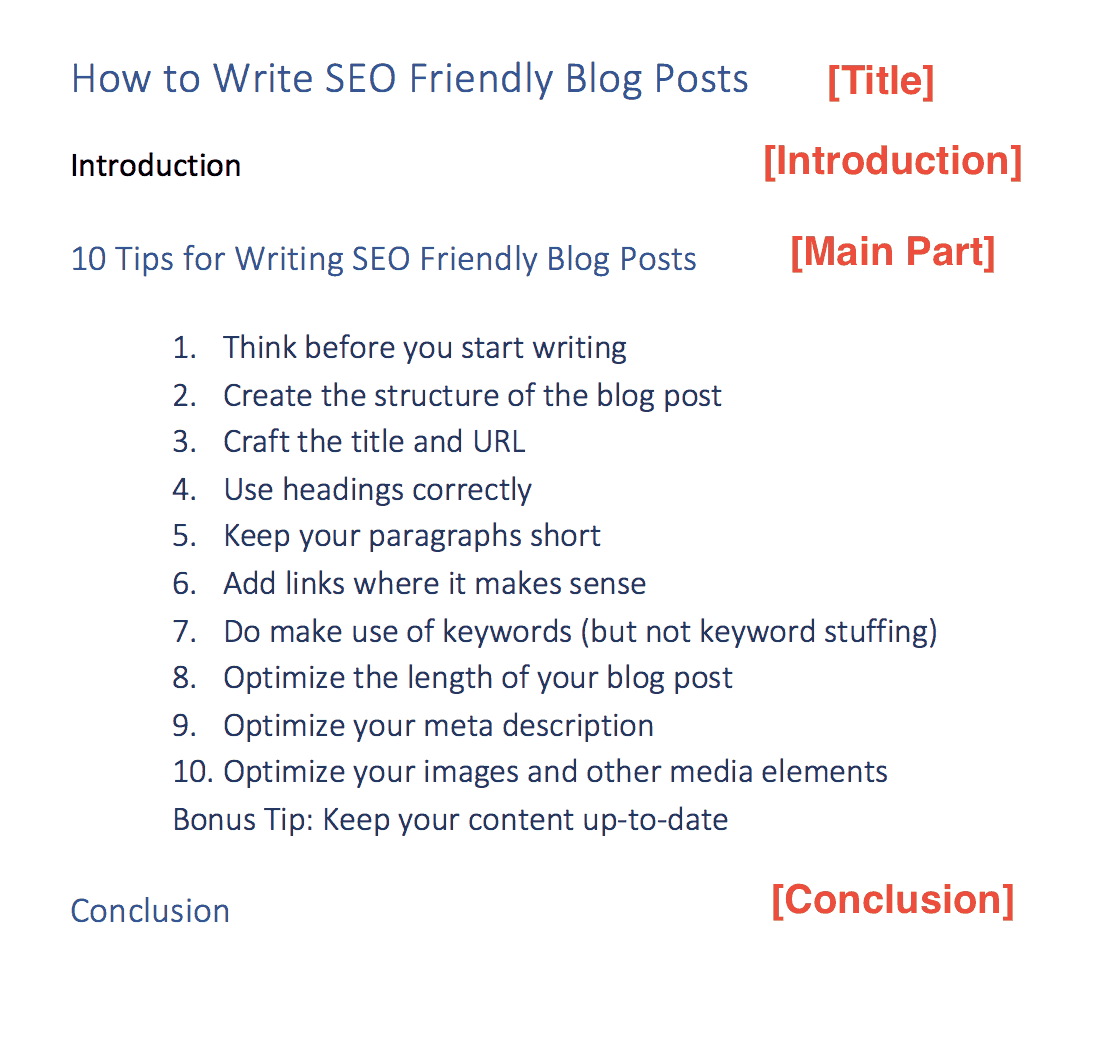
Credit: www.reliablesoft.net
Technical Seo Aspects
Understanding technical SEO is crucial for writing SEO-friendly blog posts. Technical SEO helps search engines crawl and index your site effectively. This ensures better visibility and ranking. Focus on optimizing load speed and mobile-friendly design.
Optimizing Load Speed
Load speed is a critical factor in SEO. Slow websites drive users away. Here are some tips to improve load speed:
- Use a fast web hosting service.
- Compress images using tools like TinyPNG.
- Minimize HTTP requests.
- Enable browser caching.
- Reduce server response time.
Tools like Google PageSpeed Insights can help you measure load speed. Aim for a load time under three seconds. Users prefer fast websites. Search engines reward them with better rankings.
Mobile-friendly Design
A mobile-friendly design is essential for SEO. Many users browse on mobile devices. A responsive design ensures a better user experience. Here’s how to make your site mobile-friendly:
- Use a responsive web design.
- Ensure text is readable without zooming.
- Avoid using Flash.
- Place important elements within easy reach.
- Test your site on various devices.
Google uses mobile-first indexing. This means Google primarily uses the mobile version of the content for indexing and ranking. A mobile-friendly site boosts your SEO.
Monitoring And Updating Content
Monitoring and updating content is essential for SEO success. Your work doesn’t end after publishing. Constant monitoring and periodic updates keep your blog relevant. Let’s dive into the key aspects under this subheading.
Tracking Performance
Use tools like Google Analytics to track performance. They show how well your posts are doing. Focus on metrics like page views, bounce rate, and average session duration. These help you understand user behavior.
Another helpful tool is Google Search Console. It shows how your posts rank in search results. Check for keywords that bring the most traffic. Optimize these keywords to improve rankings further.
Regular Content Updates
Update your content regularly to keep it fresh. This shows search engines that your content is current. Refresh old posts with new information. Add new data, images, or videos.
Follow these steps for effective updates:
- Identify top-performing posts.
- Check for outdated information.
- Update with new, relevant content.
- Optimize for new keywords.
Avoid letting your content become stale. Regular updates help maintain high rankings.

Credit: www.demandjump.com
Conclusion And Best Practices
Creating SEO-friendly blog posts is crucial for better search engine rankings. By understanding the best practices, you can write engaging and optimized content. This helps attract more readers and increase your blog’s visibility.
Summary Of Key Points
- Use relevant keywords naturally throughout your content.
- Write engaging meta descriptions and title tags.
- Keep sentences and paragraphs short for better readability.
- Include internal and external links to add value.
- Use header tags (H1, H2, H3) to structure your content.
- Optimize images with alt text and proper file names.
- Focus on mobile-friendly design for better user experience.
Final Tips
Here are some additional tips for writing SEO-friendly blog posts:
- Always use short and clear sentences.
- Make sure your content is original and valuable.
- Use bullet points or numbered lists to break up text.
- Regularly update old posts with fresh content.
- Monitor your blog’s performance using analytics tools.
By following these best practices, you can improve your blog’s SEO performance. These strategies help attract and retain readers, boosting your blog’s success.

Credit: www.outranking.io
Frequently Asked Questions
What Is An Seo-friendly Blog Post?
An SEO-friendly blog post is optimized for search engines. It includes relevant keywords, high-quality content, and proper formatting. This helps improve search rankings.
How Do Keywords Help In Seo?
Keywords help search engines understand your content. They match user queries, increasing visibility and driving more organic traffic to your blog.
Why Is Content Quality Important For Seo?
High-quality content engages readers and reduces bounce rates. It encourages sharing and backlinks, improving your blog’s authority and search engine rankings.
How Often Should I Update My Blog?
Regularly updating your blog keeps content fresh and relevant. Aim for at least once a week to maintain reader interest and SEO benefits.
Conclusion
Mastering SEO-friendly blog writing boosts your visibility and engages readers. Keep your content relevant and well-structured. Use targeted keywords naturally throughout your post. Always proofread to ensure clarity and coherence. By following these steps, you’ll enhance your blog’s reach and effectiveness.
Happy writing!