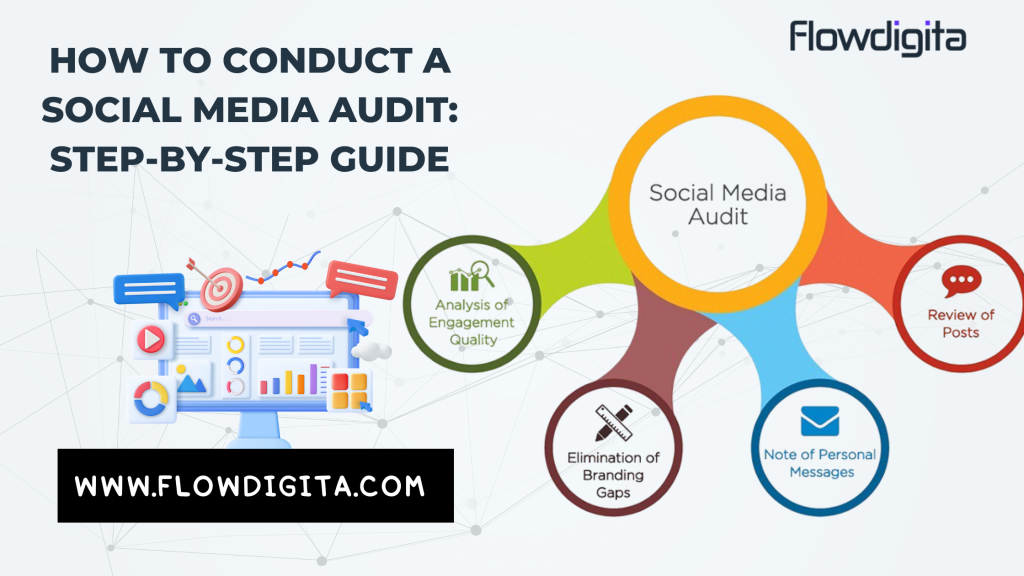
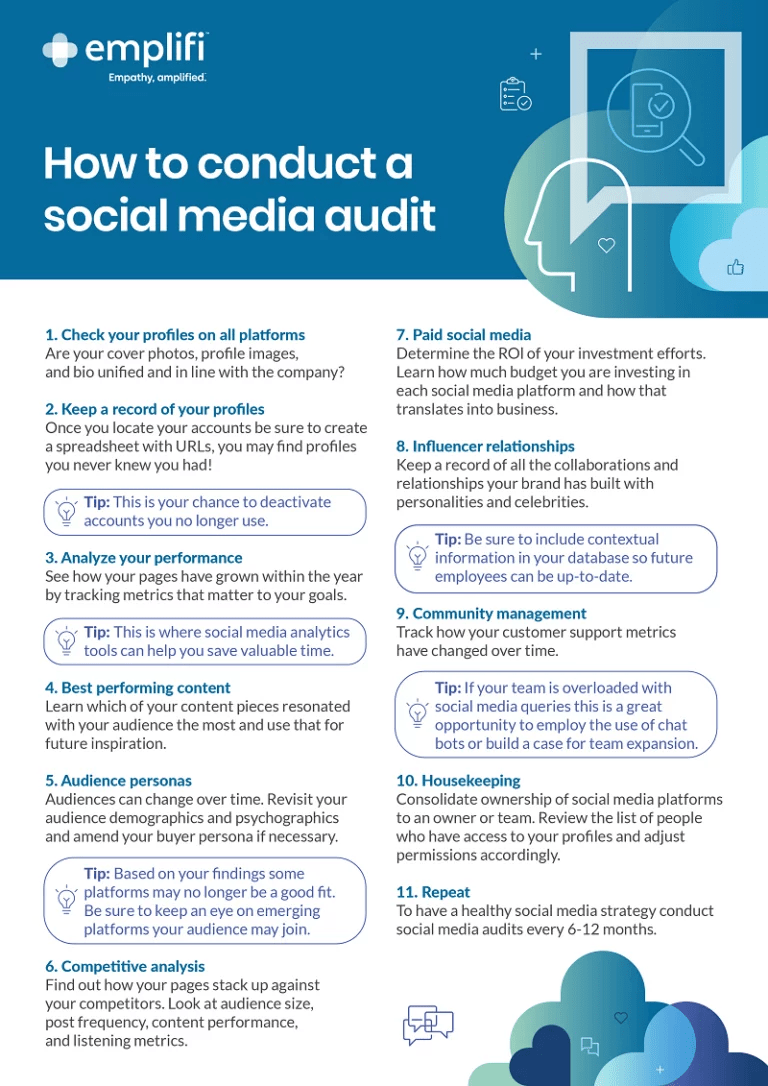
To conduct a social media audit, assess your current social media accounts and evaluate their performance metrics. Identify areas for improvement and create actionable strategies.
A social media audit is essential for optimizing your online presence. It helps you understand what’s working and what needs improvement. Start by listing all your social media profiles. Analyze key metrics like engagement, reach, and follower growth. Compare these against your goals to identify gaps.
Examine the content types and posting frequency. Review your audience demographics to ensure alignment with your target market. This audit provides valuable insights to refine your social media strategy. Regular audits help maintain consistent growth and engagement. By following these steps, you can enhance your social media effectiveness and achieve better results.
Introduction To Social Media Audit
Conducting a Social Media Audit is crucial for any business. It helps you understand your current social media performance. This audit identifies strengths and weaknesses. It helps you plan better strategies.
Importance Of A Social Media Audit
Understanding the importance of a social media audit is vital. An audit helps you see what’s working. It shows areas that need improvement. It helps in optimizing your social media strategy. It ensures you get the best results from your efforts.
| Benefits | Details |
|---|---|
| Identify Strengths | See what content performs best. |
| Spot Weaknesses | Find areas needing improvement. |
| Optimize Strategy | Improve your social media plan. |
| Better Results | Increase engagement and reach. |
Goals And Objectives
Setting goals and objectives is essential for a social media audit. Clear goals guide your audit process. Objectives help you measure success. Define what you want to achieve. Set specific, measurable, and time-bound goals.
- Increase engagement by 20% in three months.
- Grow followers by 15% in six months.
- Boost website traffic by 25% in one year.
Having clear goals makes your audit more effective. It ensures you focus on what matters most. You can track progress and make necessary adjustments.
Gathering Account Information
Gathering account information is a crucial step in a social media audit. It helps you understand your current status and identify areas for improvement. This involves listing all your social media accounts and checking access and permissions.
List All Social Media Accounts
First, make a list of all your social media accounts. This includes both active and inactive accounts. You can use a table to organize this information.
| Platform | Account Name | URL | Status |
|---|---|---|---|
| ABC Company | facebook.com/abccompany | Active | |
| @ABCCompany | twitter.com/abccompany | Inactive | |
| @abc_company | instagram.com/abc_company | Active |
This table helps you see all accounts at a glance. Make sure to update it regularly.
Access And Permissions
Next, review the access and permissions for each account. Ensure that only authorized personnel have access.
- Check who has login credentials.
- Update passwords if necessary.
- Remove access for former employees.
- Assign roles based on responsibilities.
Keeping access secure is vital for protecting your brand. Use a password manager to store credentials securely.
Analyzing Account Performance
Analyzing account performance is crucial for a social media audit. It helps you understand what works and what doesn’t. This analysis allows you to make data-driven decisions for better engagement and growth.
Key Metrics To Track
Tracking the right metrics is essential for evaluating performance. Here are some key metrics to focus on:
- Follower Growth: The increase in followers over a period.
- Engagement Rate: The percentage of followers who interact with your posts.
- Reach: The number of unique users who see your content.
- Impressions: The total number of times your content is displayed.
- Click-Through Rate (CTR): The ratio of users who click on your links.
Performance Benchmarks
Setting benchmarks helps compare your performance over time. Use these benchmarks to measure your success:
| Metric | Average Benchmark |
|---|---|
| Follower Growth | 5% per month |
| Engagement Rate | 1-3% |
| Reach | 25% of followers |
| Impressions | 50% of followers |
| Click-Through Rate (CTR) | 0.5-1% |
Use these benchmarks to guide your social media strategy. Adjust your tactics based on these performance metrics.
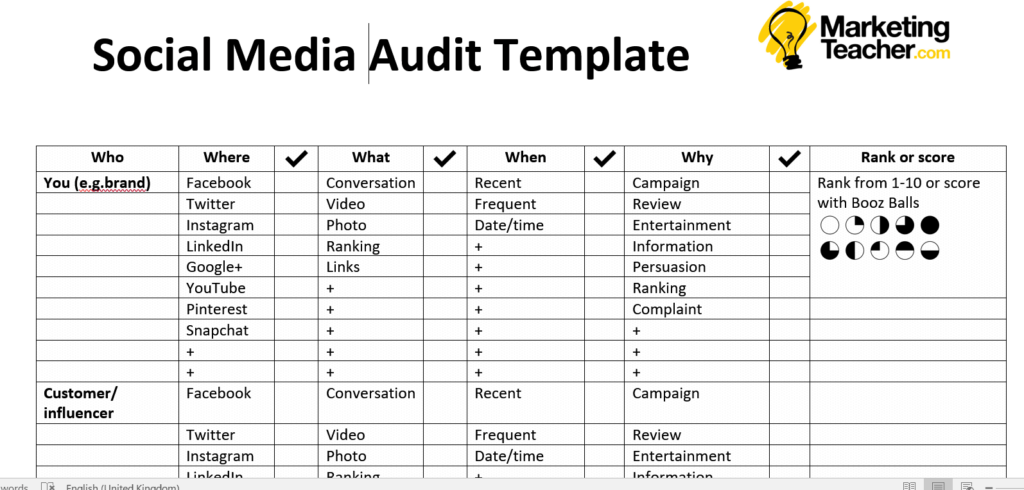
Credit: www.marketingteacher.com
Evaluating Content Strategy
Evaluating your content strategy is a crucial part of a social media audit. This helps to understand what works and what does not. You can then align your content with your business goals.
Content Types And Formats
Identify the types and formats of content you post. This can include:
- Text posts
- Images
- Videos
- Infographics
- Links
Check the performance of each type. Note which formats get the most engagement. This helps in planning future content. Use a table to organize your findings:
| Content Type | Engagement Rate |
|---|---|
| Text posts | 5% |
| Images | 10% |
| Videos | 15% |
| Infographics | 8% |
| Links | 3% |
Engagement Analysis
Measure the engagement each post receives. This includes likes, shares, comments, and clicks. High engagement means your audience finds the content valuable.
Follow these steps:
- Collect data on likes, shares, and comments.
- Calculate the engagement rate.
- Compare engagement rates across different posts.
Use this data to refine your content strategy. Focus on content that drives the most engagement. This ensures your social media efforts yield the best results.
Assessing Audience Demographics
Understanding your audience demographics is crucial. It helps tailor your content to their needs. Knowing who your followers are allows for better engagement. This section will guide you through assessing audience demographics.
Follower Demographics
First, examine your follower demographics. This includes age, gender, location, and language. Most social media platforms provide these insights.
| Demographic | Details |
|---|---|
| Age | Check the age groups of your followers. |
| Gender | Identify the gender distribution of your audience. |
| Location | See where your followers are located. |
| Language | Determine the primary language spoken by your audience. |
These metrics help you understand who is engaging with your content. Adjust your strategy based on these findings.
Audience Interests
Next, analyze your audience interests. Knowing what your audience likes helps create relevant content. Use social media tools to gather this data.
- What topics do your followers engage with most?
- What type of content gets the most likes and shares?
- Which posts have the highest comment rates?
Align your content strategy with these interests. This will increase engagement and follower growth.
Understanding both follower demographics and interests is essential. It helps in creating content that resonates with your audience. Regularly update your strategy based on these insights.
Reviewing Competitor Activity
Reviewing competitor activity helps you understand your social media landscape. This process uncovers strategies that work and areas for improvement. To start, identify key competitors and benchmark their performance against yours.
Identifying Competitors
First, make a list of your direct and indirect competitors. Direct competitors sell similar products or services. Indirect competitors may offer alternatives. Use social media to discover who they are. Look for brands with a strong presence in your niche.
Here’s a simple way to identify them:
- Search for industry keywords on social media platforms.
- Check who appears in your followers’ interactions.
- Analyze industry-specific hashtags and trends.
Once you have a list, focus on the top five to ten competitors. This number is manageable and provides valuable insights.
Benchmarking Against Competitors
Benchmarking helps compare your performance with competitors. Identify key metrics to track. These include:
- Follower count
- Engagement rate
- Posting frequency
- Content type and quality
Use a table to organize this data:
| Competitor | Follower Count | Engagement Rate | Posting Frequency | Content Type |
|---|---|---|---|---|
| Competitor A | 50,000 | 5% | Daily | Videos, Images |
| Competitor B | 30,000 | 3.5% | Weekly | Text, Images |
Analyze this data to find patterns and gaps. Notice which content types engage the audience most. Learn from their successes and mistakes. This will guide your strategy and improve your social media presence.
Identifying Strengths And Weaknesses
A social media audit helps you understand your current performance. Identifying strengths and weaknesses is a crucial part of this process. By doing this, you can improve your strategy and achieve better results.
Swot Analysis
Conduct a SWOT Analysis to evaluate your social media presence. This method helps you identify internal and external factors. Here’s how you can do it:
- Strengths: What are you doing well? Are your posts engaging?
- Weaknesses: Where are you falling short? Are there gaps in content?
- Opportunities: What trends can you leverage? Any untapped platforms?
- Threats: Are competitors outperforming you? Are there algorithm changes?
Areas For Improvement
After identifying strengths and weaknesses, focus on areas for improvement. This can help you make better use of your resources. Here are some key areas to consider:
| Area | Description |
|---|---|
| Content Quality | Ensure your content is relevant and engaging. |
| Posting Frequency | Post consistently to keep your audience engaged. |
| Audience Engagement | Respond to comments and messages promptly. |
| Metrics Tracking | Use analytics to track performance and make data-driven decisions. |
Credit: www.semrush.com
Creating An Action Plan
After completing a social media audit, the next step is creating an action plan. This plan will help you set new goals and implement necessary changes to enhance your social media presence. Here’s how to create an effective action plan:
Setting New Goals
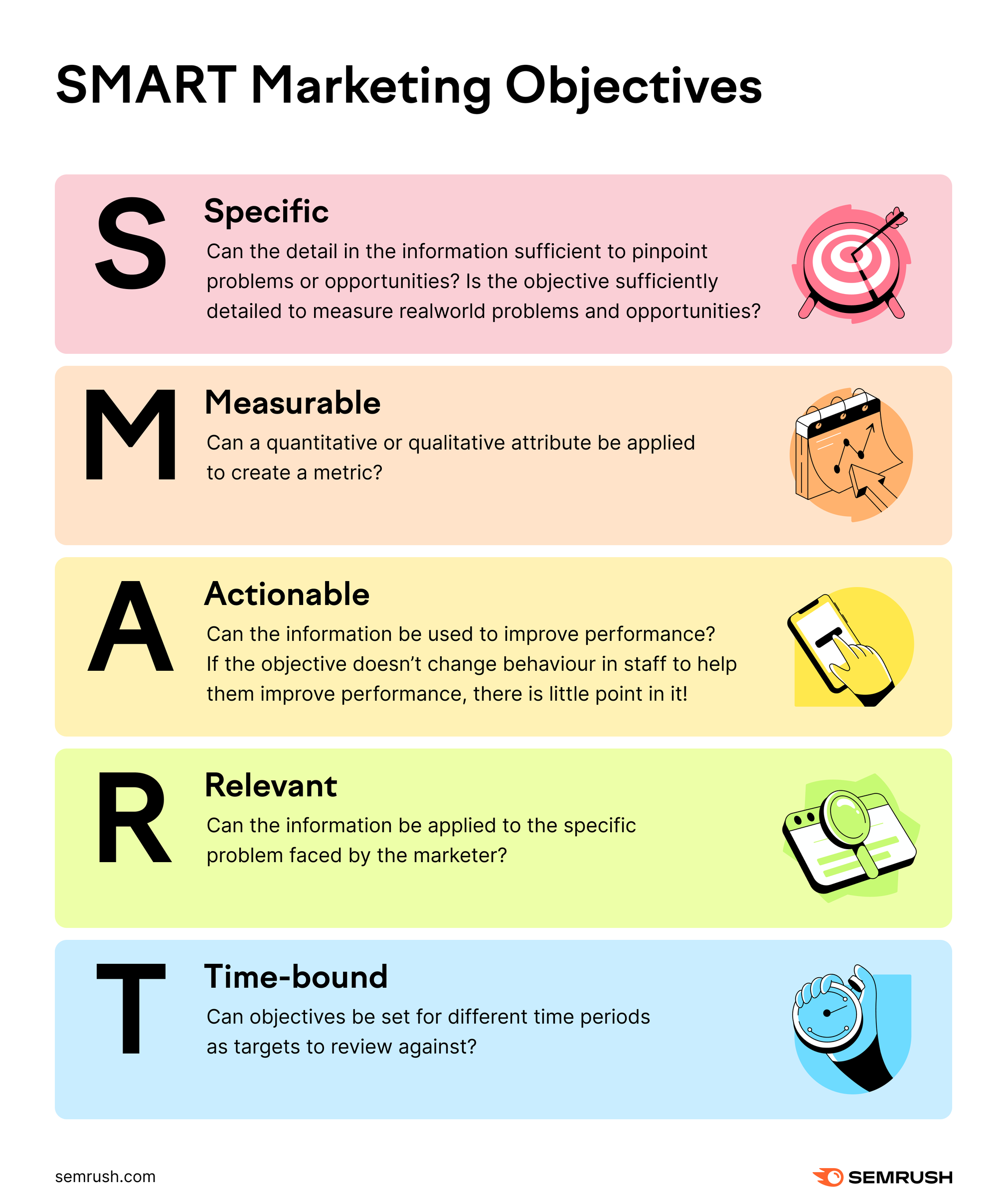
Setting new goals is crucial for your social media strategy. Start by analyzing the data from your audit. Identify areas where you can improve. Use the SMART criteria to set goals:
- Specific: Make your goals clear and specific.
- Measurable: Ensure you can track your progress.
- Achievable: Set realistic goals you can achieve.
- Relevant: Make sure your goals align with your business objectives.
- Time-bound: Set a deadline for your goals.
For example, if your engagement rate is low, you might set a goal to increase it by 20% in three months. Write down these goals and share them with your team.
Implementing Changes
Once you have set new goals, it’s time to implement changes. Start by prioritizing the changes based on their impact and ease of implementation. Create a timeline to ensure all tasks are completed on time.
Use the following table to organize your changes:
| Task | Priority | Deadline | Responsible Team Member |
|---|---|---|---|
| Update profile information | High | 1 week | John |
| Create new content | Medium | 2 weeks | Sarah |
| Analyze competitor strategies | Low | 1 month | Emily |
Track your progress regularly and adjust your action plan as needed. Keep communication open with your team to ensure everyone is on the same page.
Monitoring And Reporting
Monitoring and reporting are crucial parts of a social media audit. They help you track your performance and make data-driven decisions. This section will guide you on how to effectively monitor and report your social media activities.
Ongoing Monitoring
Ongoing monitoring involves keeping an eye on your social media metrics regularly. This ensures you stay updated on your account’s performance. Here are some key activities:
- Track engagement rates: Monitor likes, comments, and shares.
- Analyze follower growth: Check how your audience is growing over time.
- Monitor brand mentions: Use tools to see who mentions your brand.
- Check content performance: Identify which posts get the most engagement.
Regular Reporting
Regular reporting helps you summarize your social media performance. It allows you to identify trends and make improvements. Here’s how to create effective reports:
- Set a schedule: Decide whether to report weekly, monthly, or quarterly.
- Use templates: Create a standard template for your reports.
- Include key metrics: Focus on engagement, reach, and conversions.
- Analyze data: Look for patterns and insights in your metrics.
- Share with stakeholders: Ensure your team and higher-ups see the reports.
Here’s an example of a simple reporting template:
| Metric | Current Month | Previous Month | Change (%) |
|---|---|---|---|
| Engagement Rate | 5% | 4.5% | +11% |
| Follower Growth | 200 | 150 | +33% |
| Brand Mentions | 50 | 40 | +25% |
Credit: www.prdaily.com
Conclusion And Next Steps
After completing your social media audit, you need a clear plan. The audit reveals strengths and weaknesses in your social media strategy. Follow these steps to act on your findings and plan for the future.
Summarizing Findings
Start by summarizing your audit findings. Create a table to organize key points:
| Platform | Strengths | Weaknesses | Opportunities |
|---|---|---|---|
| High engagement | Irregular posting | Better content planning | |
| Visual appeal | Low interaction | Boosting posts | |
| Real-time updates | Inconsistent branding | Branding consistency |
Next, list key actions for improvement:
- Increase post frequency on Facebook.
- Plan content ahead for Instagram.
- Maintain consistent branding on Twitter.
Future Audits
Regular audits ensure your strategy stays effective. Schedule audits every quarter.
Follow these steps for future audits:
- Set clear objectives.
- Track relevant metrics.
- Adjust strategy based on data.
Document each audit in a dedicated file. Use this file to compare results over time.
By conducting regular audits, you stay ahead of trends and maintain a strong online presence. This proactive approach ensures your social media channels perform at their best.
Frequently Asked Questions
What Is A Social Media Audit?
A social media audit evaluates your social media profiles. It helps identify strengths and weaknesses. It ensures your strategy is effective.
Why Is A Social Media Audit Important?
A social media audit improves your social media performance. It uncovers areas for improvement. It helps align your strategy with your goals.
How Often Should You Conduct A Social Media Audit?
You should conduct a social media audit quarterly. Regular audits help maintain performance. They ensure your strategy remains effective.
What Tools Are Needed For A Social Media Audit?
Use tools like Google Analytics, Hootsuite, and Sprout Social. These tools provide valuable insights. They help streamline the audit process.
Conclusion
Conducting a social media audit helps optimize your strategy and identify growth opportunities. Regular audits enhance engagement and brand presence. By analyzing your performance, you can make data-driven decisions. Implement these steps to stay ahead in the competitive social media landscape.
Keep your content fresh and aligned with your audience’s needs for sustained success.