
To create a customer journey map, identify customer touchpoints and visualize their interactions with your brand. Use data to understand their needs and behaviors.
A customer journey map is a visual representation of the customer experience. It helps businesses understand and improve their interactions with customers. By mapping out each step a customer takes, companies can identify pain points and opportunities for improvement. This tool is essential for enhancing customer satisfaction and loyalty.
Effective journey maps are based on thorough research and real data. They provide insights into customer motivations and challenges. Businesses can use these insights to optimize their processes and deliver a better overall experience. A well-crafted customer journey map can lead to increased retention and growth.
Introduction To Customer Journey Mapping
Customer journey mapping is a powerful tool for businesses. It helps visualize the entire customer experience. This map shows each step a customer takes. From discovering your brand to making a purchase, every touchpoint is highlighted.
A customer journey map provides insight into customer behavior. It reveals their needs, pain points, and emotions. Understanding these elements helps businesses improve their strategies. Let’s delve deeper into the importance and benefits of journey mapping.
Importance Of Journey Mapping
Customer journey mapping is crucial for understanding the customer experience. It identifies gaps and opportunities in your service. This map allows businesses to see their service from the customer’s perspective.
Journey mapping helps in creating a seamless customer experience. It ensures consistency across all touchpoints. This consistency builds trust and loyalty among customers. An effective journey map leads to better customer satisfaction.
Benefits For Businesses
There are numerous benefits of customer journey mapping for businesses. Here are some key benefits:
- Improved customer understanding: Businesses can better understand customer needs and preferences.
- Enhanced customer experience: Identifying pain points helps in improving the overall experience.
- Increased customer retention: Satisfied customers are more likely to stay loyal to your brand.
- Optimized marketing strategies: Tailoring marketing efforts to meet customer needs becomes easier.
- Higher conversion rates: A seamless experience leads to more conversions and sales.
Journey mapping is a valuable exercise for any business. It provides actionable insights to enhance customer experience and drive growth.
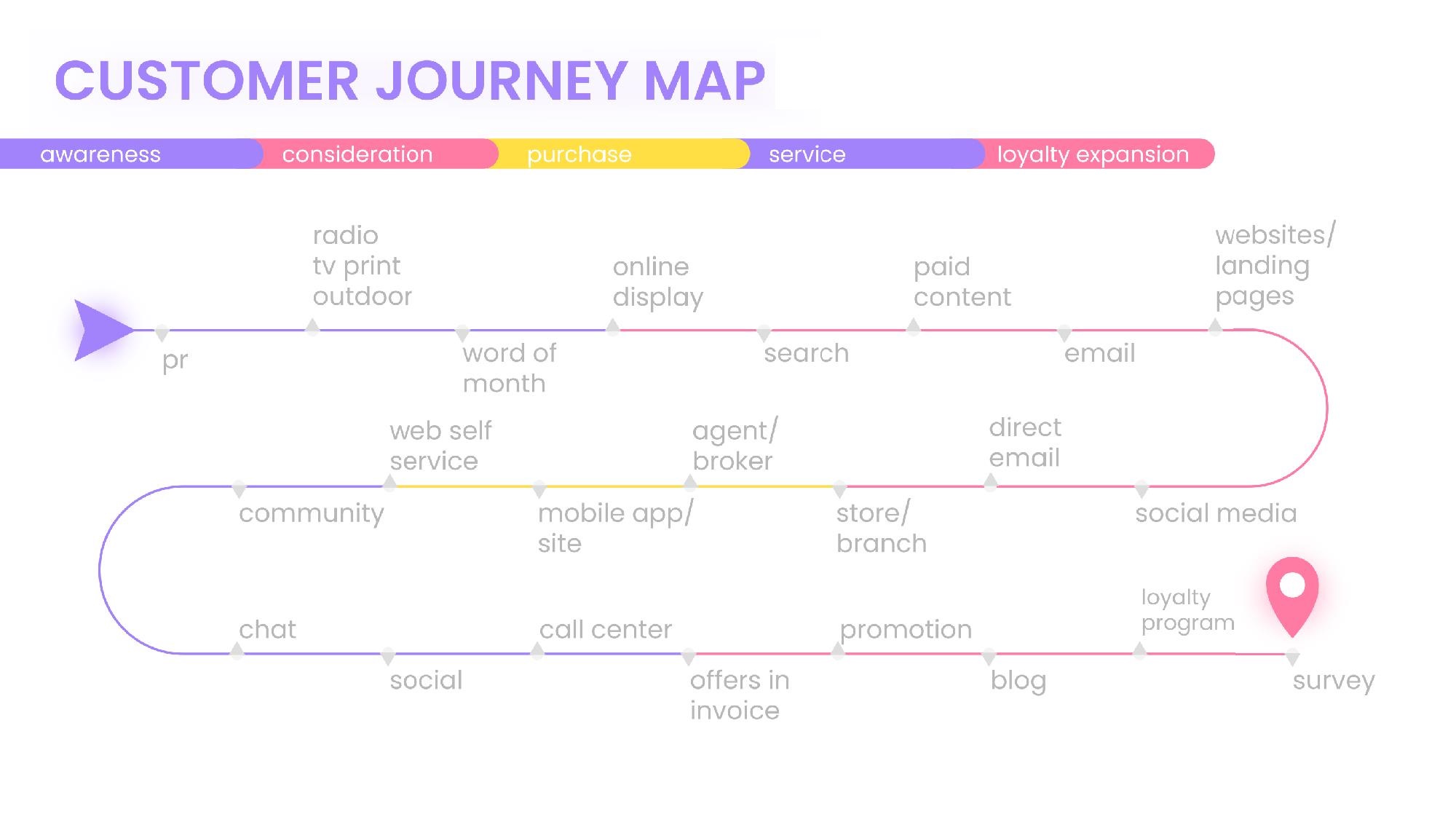
Credit: www.expressanalytics.com
Setting Objectives
To create an effective customer journey map, start by setting clear objectives. Establishing goals ensures your map serves its purpose. This step sets the foundation for understanding your customers’ needs.
Define Clear Goals
Begin by defining clear and measurable goals. What do you want to achieve with this map? Common objectives include:
- Understanding customer pain points
- Improving customer experience
- Identifying touchpoints
- Boosting customer satisfaction
Make sure your goals are specific, measurable, achievable, relevant, and time-bound (SMART). This approach helps in tracking progress and success.
Identify Target Audience
Next, identify your target audience. Know who your customers are. Segment them based on demographics, behavior, and preferences. Common segments include:
| Segment | Description |
|---|---|
| Age | Young adults, middle-aged, seniors |
| Location | Urban, suburban, rural |
| Interests | Hobbies, activities, lifestyle |
Create customer personas to represent each segment. This helps in visualizing their journey and needs.
By setting clear objectives and identifying the target audience, you lay a strong foundation for your customer journey map. This ensures your map is focused, relevant, and actionable.
Gathering Customer Data
Creating a customer journey map starts with gathering customer data. This data helps you understand your customers’ needs and behaviors. Accurate data is the foundation of a meaningful customer journey map.
Customer Feedback
Customer feedback is a goldmine of information. This feedback comes from surveys, reviews, and direct interactions. It reveals what customers think and feel about your brand.
- Surveys: Conduct surveys to ask specific questions about experiences.
- Reviews: Analyze reviews on websites and social media.
- Direct Interactions: Collect data from customer service interactions.
These methods help capture honest opinions and emotions. Use this feedback to identify pain points and areas of improvement.
Behavioral Analytics
Behavioral analytics tracks customer actions on digital platforms. It shows how customers interact with your website or app. This data provides insights into customer preferences and behaviors.
| Source | What it Tracks |
|---|---|
| Website Analytics | Page visits, clicks, and time spent on pages. |
| App Analytics | App usage, feature engagement, and user retention. |
| Social Media Analytics | Likes, shares, comments, and follower growth. |
This data shows which touchpoints are most engaging. Use these insights to refine your customer journey map.

Credit: www.crmsoftwareblog.com
Creating Customer Personas
Creating customer personas is the first step in mapping your customer’s journey. Personas help you understand your customers’ needs, preferences, and behaviors. They ensure your customer journey map is accurate and effective.
Persona Development
Start by gathering data about your customers. Use surveys, interviews, and analytics. Look for patterns in their behaviors and preferences.
Segment your customers based on common characteristics. These can include:
- Demographics (age, gender, location)
- Psychographics (interests, values)
- Behavioral data (purchase history, website interactions)
Create detailed profiles for each segment. These are your customer personas. Include the following information in each persona:
- Name: Give your persona a name.
- Demographics: Age, gender, occupation, location.
- Goals: What does this persona want to achieve?
- Challenges: What obstacles do they face?
- Preferences: How do they prefer to interact with your brand?
Here’s an example of a customer persona:
| Attribute | Details |
|---|---|
| Name | Jane Doe |
| Demographics | 30 years old, Female, Marketing Manager, New York |
| Goals | Improve marketing skills, Find new tools |
| Challenges | Lack of time, Budget constraints |
| Preferences | Prefers webinars, Likes email newsletters |
Using Personas In Mapping
Now, integrate these personas into your customer journey map. Follow these steps:
- Identify touchpoints for each persona. This includes website visits, social media interactions, and customer service contacts.
- Map out the journey stages. These stages can be awareness, consideration, purchase, and post-purchase.
- Analyze the experience at each stage. Determine what each persona needs and expects.
Use these insights to improve your customer journey. Tailor your marketing strategies to meet the needs of each persona. Create personalized experiences that resonate with your audience.
Identifying Touchpoints
Creating a customer journey map involves understanding every interaction a customer has with your brand. Identifying touchpoints is a crucial step in this process. Touchpoints are the moments when customers interact with your business. These interactions can shape their overall experience and perception.
Key Interaction Points
Key interaction points are the specific moments where your customers engage with your brand. These can occur at various stages of their journey. Recognizing these points helps you understand how customers experience your brand.
- Website Visits: Customers explore your website to find information or make purchases.
- Social Media Engagement: Customers interact with your brand through likes, comments, and shares.
- Customer Support: Customers seek help through calls, emails, or live chat.
- Product Purchase: Customers buy your products online or in-store.
- Post-Purchase Support: Customers reach out for support after buying a product.
Touchpoint Categorization
Categorizing touchpoints helps in organizing them based on their nature and impact. This makes it easier to analyze and improve each interaction.
| Category | Description | Examples |
|---|---|---|
| Pre-Purchase | Interactions before buying a product | Ads, website visits, social media |
| Purchase | Interactions during the buying process | Checkout process, payment methods |
| Post-Purchase | Interactions after the purchase | Customer support, product reviews |
By identifying and categorizing touchpoints, you can create a comprehensive customer journey map. This helps in enhancing customer experience at every stage.
Mapping The Customer Journey
Creating a customer journey map is essential for understanding your customers. It helps you see their experiences, needs, and pain points. In this section, we will explore how to map the customer journey effectively.
Visual Mapping Tools
Using visual tools can simplify the mapping process. These tools help to make the journey clear and understandable. Here are some popular visual mapping tools:
- Lucidchart: Easy to use for creating detailed maps.
- Canva: Offers templates for customer journey maps.
- Microsoft Visio: Ideal for professionals.
- Miro: Great for team collaboration.
Stages Of The Journey
The customer journey map consists of various stages. These stages help to identify customer touchpoints and emotions. Here are the main stages:
- Awareness: The customer becomes aware of your brand.
- Consideration: They consider your products or services.
- Purchase: The customer decides to buy from you.
- Retention: They return for more purchases.
- Advocacy: The customer recommends your brand.
| Stage | Description |
|---|---|
| Awareness | The customer learns about your brand. |
| Consideration | They evaluate your offerings. |
| Purchase | They buy a product or service. |
| Retention | They continue to engage with your brand. |
| Advocacy | They share positive experiences with others. |
Understanding these stages helps you cater to customer needs. Use the right tools and stages to create an effective customer journey map. This helps in improving customer satisfaction and loyalty.
Analyzing The Journey Map
Once you have created a customer journey map, the next step is to analyze it. This process helps you understand how customers interact with your brand. By breaking down each stage, you can identify areas that need improvement. This will lead to a better customer experience.
Identifying Pain Points
Finding pain points is crucial. These are areas where customers face problems. Common pain points include:
- Long wait times
- Poor website navigation
- Confusing product information
Use feedback to identify these issues. Surveys and reviews are valuable sources. Look for common complaints. Focus on resolving these pain points first. This will make your customers happier.
Opportunities For Improvement
After identifying pain points, look for opportunities. These are areas where you can enhance the customer experience. Consider the following:
- Streamline the checkout process
- Improve customer support response times
- Offer personalized recommendations
Use data to find these opportunities. Analytics tools can show you where customers drop off. Address these areas to keep customers engaged. Continuous improvement is key to a successful journey map.
Here is a simple table to summarize the key points:
| Aspect | Action |
|---|---|
| Identifying Pain Points | Use feedback, surveys, and reviews |
| Opportunities for Improvement | Streamline processes, improve support, offer personalization |
By analyzing the journey map, you can create a better customer experience. This leads to increased satisfaction and loyalty.
Implementing Changes
After creating a customer journey map, the next step is implementing changes. This involves using the insights gained to improve customer experiences. The goal is to make the customer journey smoother and more enjoyable.
Actionable Insights
To implement changes effectively, you need actionable insights. These insights come from analyzing the customer journey map. Identify pain points and areas for improvement.
- Review customer feedback.
- Analyze touchpoints where customers face issues.
- Prioritize changes based on impact and feasibility.
Create a list of specific actions. Assign these actions to relevant teams. Set deadlines to ensure timely implementation.
Monitoring And Adjusting
Once changes are implemented, it’s crucial to monitor their impact. Use metrics like customer satisfaction and retention rates. Track changes in these metrics over time.
| Metric | Before Changes | After Changes |
|---|---|---|
| Customer Satisfaction | 70% | 85% |
| Retention Rate | 60% | 75% |
Adjust your strategies based on these metrics. If a change doesn’t work, try a different approach. This ensures continuous improvement and keeps the customer journey map relevant.
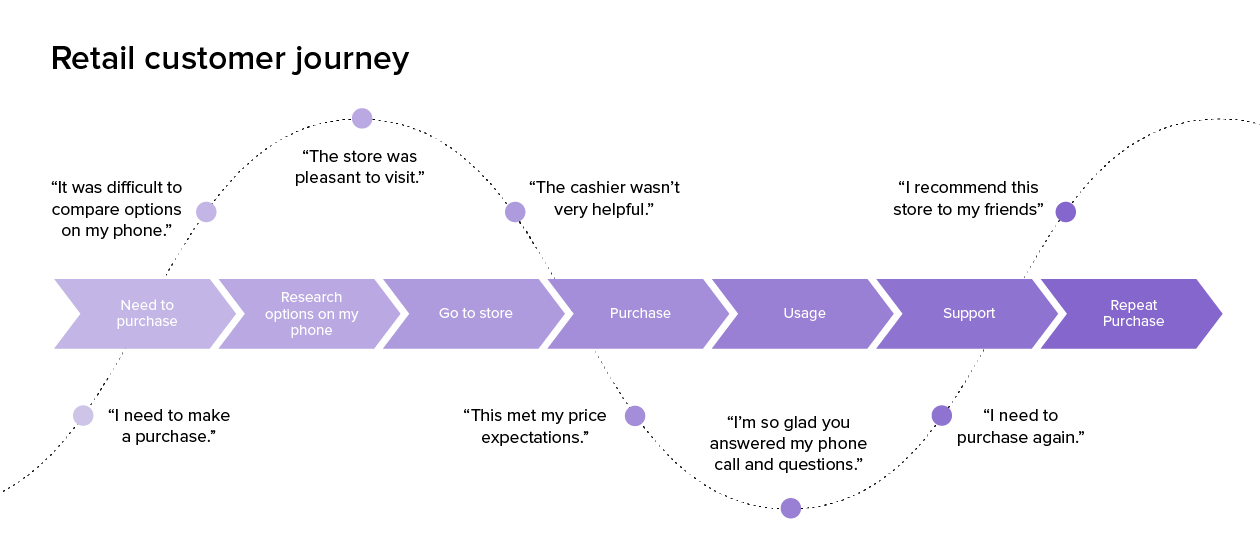
Credit: delighted.com
Frequently Asked Questions
What Is A Customer Journey Map?
A customer journey map visualizes the steps a customer takes with your brand. It helps you understand their experience.
Why Create A Customer Journey Map?
Creating a customer journey map helps identify pain points and improve customer satisfaction. It aligns teams to enhance customer experiences.
How To Start A Customer Journey Map?
Start by identifying key touchpoints and customer interactions. Gather data through research, surveys, and customer feedback.
What Tools Are Used For Journey Mapping?
Common tools include flowcharts, journey mapping software, and customer feedback platforms. These tools help visualize and analyze data.
Conclusion
Creating a customer journey map can transform your business strategy. It helps you understand and meet customer needs effectively. By visualizing each touchpoint, you can enhance the customer experience. Start mapping today to build stronger, more loyal relationships. Your business success depends on understanding your customers’ journey.

