

To rank higher on Google, focus on high-quality content and relevant keywords. Optimize your website for user experience and mobile responsiveness.
Achieving higher rankings on Google requires strategic planning and consistent efforts. High-quality, relevant content engages users and keeps them on your site longer. This signals to Google that your site is valuable. Use keywords naturally within your content to align with what users are searching for.
Ensure your website is optimized for speed and mobile responsiveness to improve user experience. Building quality backlinks also enhances credibility and authority. Regularly update your content to keep it fresh and relevant. By integrating these practices, your website can achieve better visibility and higher rankings on Google.
Keyword Research
Keyword Research is the cornerstone of any successful SEO strategy. Finding the right keywords can significantly impact your website’s ranking on Google. In this section, we will dive into the essentials of keyword research, which is crucial for improving your site’s visibility.
Identifying Relevant Keywords
Start by identifying relevant keywords for your niche. Use tools like Google Keyword Planner, SEMrush, and Ahrefs. These tools help you understand what your target audience is searching for. Brainstorm and create a list of potential keywords. Then, filter out the less relevant ones.
Consider the search volume and competition for each keyword. High search volume means more traffic potential. Lower competition means easier ranking.
| Keyword | Search Volume | Competition |
|---|---|---|
| Best coffee shops | 10,000 | High |
| Local coffee shops | 2,000 | Medium |
| Organic coffee near me | 500 | Low |
Long-tail Vs. Short-tail Keywords
Understand the difference between long-tail and short-tail keywords. Short-tail keywords are broad and have high search volume. They are often one or two words long. For example, “coffee shops.”
Long-tail keywords are more specific and usually longer phrases. For example, “best organic coffee shops near me.” These keywords have lower search volume but higher conversion rates. They are easier to rank for due to lower competition.
- Short-tail keyword: High volume, high competition.
- Long-tail keyword: Low volume, low competition, high conversion.
Incorporate both types of keywords into your content. Balance is key. Short-tail keywords attract broad traffic. Long-tail keywords bring in targeted visitors.
On-page Seo
On-Page SEO is crucial for ranking higher on Google. It involves optimizing individual web pages to improve their search engine rankings. This includes optimizing meta tags, improving content quality, and leveraging internal linking. Let’s explore each aspect in detail.
Optimizing Meta Tags
Meta tags are HTML elements that provide information about your web page to search engines and visitors.
- Title Tag: Keep the title under 60 characters. Include your main keyword.
- Meta Description: Write a compelling description. Keep it under 160 characters. Include your main keyword.
- Header Tags: Use H1 for the main title. Use H2 and H3 for subheadings. This improves readability and SEO.
Content Quality And Length
Content is king. Ensure your content is valuable, informative, and engaging.
- Length: Aim for at least 1,000 words. Longer content often ranks better.
- Quality: Avoid fluff. Provide actionable information.
- Keywords: Use your main keyword naturally throughout the content. Avoid keyword stuffing.
Internal Linking
Internal linking helps distribute page authority and improves navigation for users and search engines.
- Anchor Text: Use descriptive and relevant anchor text. Avoid generic phrases like “click here.”
- Link to Relevant Pages: Link to other articles or pages on your site. This keeps users engaged and improves SEO.
- Number of Links: Include 2-3 internal links per 1,000 words. This balances user experience and SEO benefits.
Technical Seo
Technical SEO is crucial for improving your website’s visibility on Google. It involves optimizing your site to help search engines crawl and index it effectively. This section will cover three essential aspects of Technical SEO: Improving Site Speed, Mobile-Friendliness, and XML Sitemaps.
Improving Site Speed
Site speed plays a significant role in user experience and search engine rankings. A faster site keeps users engaged and reduces bounce rates.
- Minimize HTTP requests: Limit the number of elements on your page.
- Optimize images: Compress images without losing quality.
- Enable browser caching: Store elements locally on users’ devices.
- Minify CSS, JavaScript, and HTML: Remove unnecessary characters from your code.
Mobile-friendliness
Most users browse on mobile devices. Your site must be mobile-friendly to rank higher on Google.
| Aspect | Recommendation |
|---|---|
| Responsive Design | Ensure your site adapts to various screen sizes. |
| Touchscreen Readiness | Buttons and links should be easy to tap. |
| Mobile Page Speed | Optimize for quick load times on mobile networks. |
Xml Sitemaps
An XML Sitemap helps search engines understand your site’s structure. It provides a list of all pages, making it easier for search engines to crawl.
- Create an XML Sitemap using tools like Yoast SEO or Screaming Frog.
- Submit the sitemap to Google Search Console.
- Update the sitemap whenever you add new content.
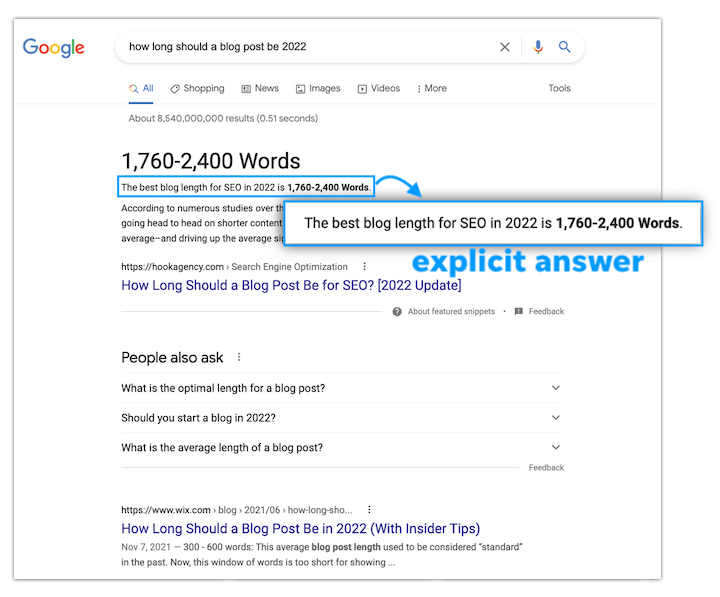
Following these steps ensures search engines index your site effectively.
Credit: www.wordstream.com
Content Marketing
Content Marketing is a powerful tool to rank higher on Google. It involves creating and sharing valuable content to attract and retain an audience. This section will explore how to use content marketing to boost your Google rankings.
Creating Valuable Content
Creating valuable content is essential for successful content marketing. Your content should solve problems or answer questions your audience has. Here are some tips:
- Research keywords relevant to your topic.
- Ensure your content is well-written and free of errors.
- Include images, videos, or infographics to make it engaging.
Use short paragraphs and bullet points to improve readability. This helps users and search engines understand your content better.
Blogging And Guest Posts
Blogging regularly helps you create fresh content for your site. This can improve your search engine rankings. Here are some tips:
- Write about topics that interest your audience.
- Use relevant keywords naturally in your posts.
- Encourage readers to leave comments and share your posts.
Guest posts allow you to reach a broader audience. Write for reputable blogs in your niche. This can boost your site’s authority and drive traffic.
Content Promotion
Once you’ve created valuable content, you need to promote it. Here are some effective ways:
- Share your content on social media platforms.
- Send it to your email subscribers.
- Collaborate with influencers in your niche.
Using these methods can increase your content’s visibility. This leads to higher engagement and better search rankings.
| Strategy | Benefits |
|---|---|
| Creating Valuable Content | Improves user engagement and search rankings. |
| Blogging and Guest Posts | Generates fresh content and backlinks. |
| Content Promotion | Increases content visibility and traffic. |
Backlink Strategy
Backlinks are crucial for improving your Google ranking. They signal to search engines that your content is valuable. A well-executed backlink strategy can make a significant impact. Let’s delve into essential aspects of building a strong backlink profile.
Building High-quality Links
Focus on acquiring high-quality links from reputable websites. These websites should have high domain authority. Use tools like Ahrefs or Moz to check domain authority. Quality links come from websites relevant to your niche. Create valuable content that others want to link to. Infographics, research studies, and in-depth guides often attract links.
Avoiding Toxic Links
Toxic links can harm your ranking. They often come from spammy or low-quality websites. Use tools like SEMrush to identify toxic links. Remove these links by reaching out to webmasters. You can also use Google’s Disavow Tool. Avoid participating in link schemes or buying links. These practices can lead to penalties.
Guest Blogging For Backlinks
Guest blogging is an effective way to build backlinks. Write high-quality articles for reputable blogs in your niche. Include a link back to your site in the author bio or content. Ensure the blogs you write for have high domain authority. Avoid blogs that accept low-quality content. This can lead to toxic backlinks.
| Action | Tool | Outcome |
|---|---|---|
| Check Domain Authority | Ahrefs, Moz | Identify high-quality links |
| Identify Toxic Links | SEMrush | Remove harmful backlinks |
| Disavow Toxic Links | Google’s Disavow Tool | Prevent penalties |
- Create valuable content.
- Reach out to reputable websites.
- Avoid spammy link practices.
- Engage in guest blogging.
- Use tools to monitor backlinks.
User Experience
Improving your website’s user experience can significantly boost your Google rankings. A seamless user experience keeps visitors engaged and reduces bounce rates. Below are some strategies to enhance user experience.
Improving Site Navigation
Make your site easy to navigate. This helps users find what they need quickly.
- Use a clear and simple menu structure.
- Include a search bar on every page.
- Ensure all links are working and lead to relevant content.
Consider a breadcrumb trail to show users their location on your site.
Reducing Bounce Rate
A high bounce rate can hurt your Google ranking. Engage your users to reduce this rate.
- Create compelling and relevant content.
- Use clear and engaging headlines.
- Include multimedia elements like images and videos.
Ensure your site loads quickly. Slow load times can increase bounce rate.
Enhancing Page Design
A well-designed page keeps users on your site longer. This helps your Google ranking.
| Design Element | Recommendation |
|---|---|
| Fonts | Use readable fonts with adequate size. |
| Colors | Choose a color scheme that is easy on the eyes. |
| Whitespace | Utilize whitespace to avoid clutter. |
Incorporate responsive design to ensure your site looks great on all devices.
Local Seo
Local SEO is essential for businesses targeting customers in specific geographic areas. It helps your business appear in local search results, driving more traffic and potential customers to your website. Focusing on local SEO can significantly boost your online presence and help you dominate local search results.
Optimizing Google My Business
Creating and optimizing your Google My Business (GMB) profile is crucial. Follow these steps to ensure your GMB profile stands out:
- Complete your profile with accurate business information.
- Add high-quality photos and videos of your business.
- Use relevant categories to describe your business.
- Update your business hours and services regularly.
- Encourage customers to leave reviews on your GMB profile.
Local Citations
Local citations are online mentions of your business’s name, address, and phone number (NAP). They help improve your local search rankings. Ensure your NAP information is consistent across all platforms. Focus on these key elements:
- Submit your business to local directories and listings.
- Ensure your NAP information is accurate and consistent.
- Include a link to your website in your citations.
- Use structured data markup to help search engines understand your business.
Reviews And Ratings
Positive reviews and high ratings can greatly influence your local search rankings. Encourage satisfied customers to leave reviews. Implement these strategies:
- Ask customers to leave reviews on Google and other platforms.
- Respond to reviews promptly and professionally.
- Address negative reviews by offering solutions and showing empathy.
- Highlight positive reviews on your website and social media.
By focusing on Local SEO, you can improve your visibility in local search results. Follow these tips to optimize your GMB profile, manage local citations, and garner positive reviews. Your business will attract more local customers and increase its online presence.
Credit: www.theconnectiq.com
Monitoring And Analytics
Monitoring and analytics play a key role in improving your website’s ranking on Google. By keeping track of your site’s performance, you can make data-driven decisions. These decisions help in optimizing your SEO strategy effectively. Below, we will discuss three crucial aspects of monitoring and analytics.
Using Google Analytics
Google Analytics is a powerful tool for tracking website performance. It provides detailed insights into user behavior. You can track metrics like page views, bounce rate, and session duration. These metrics help you understand how visitors interact with your site.
To get started, set up a Google Analytics account. Then, add the tracking code to your website. This code collects data about your site’s traffic. You can view this data in your Google Analytics dashboard. Make use of custom reports to focus on specific metrics that matter to you.
Here are some key metrics to monitor:
- Page Views: Total number of pages viewed.
- Bounce Rate: Percentage of visitors who leave after one page.
- Session Duration: Average time spent on your site.
Tracking Seo Metrics
Tracking SEO metrics is essential for understanding your site’s performance in search engines. These metrics provide insights into how well your SEO efforts are working. Some important SEO metrics include:
- Organic Traffic: Traffic from search engines.
- Keyword Rankings: Positions of your target keywords.
- Backlinks: Number and quality of links pointing to your site.
Use tools like Google Search Console and third-party SEO tools. These tools help in tracking these metrics. Regularly monitor these metrics to identify areas for improvement. Make adjustments to your SEO strategy based on your findings.
Regular Seo Audits
Conducting regular SEO audits is crucial for maintaining your site’s health. An SEO audit helps identify issues that may affect your site’s ranking. Common issues include broken links, duplicate content, and slow page speed.
Here is a simple process for conducting an SEO audit:
- Check for technical errors using tools like Screaming Frog.
- Analyze on-page SEO elements such as title tags and meta descriptions.
- Evaluate your content for relevance and quality.
- Review your backlink profile for quality and quantity.
- Ensure your site is mobile-friendly and loads quickly.
Regular audits help you stay ahead of potential issues. They ensure that your site remains optimized for search engines.

Credit: backlinko.com
Frequently Asked Questions
How Can I Improve My Google Ranking?
Improving Google ranking involves optimizing your website for SEO, creating quality content, and building backlinks. Focus on keyword research, on-page SEO, and user experience. Regularly update content and monitor analytics.
What Are The Best Seo Practices?
Best SEO practices include keyword optimization, quality content, mobile-friendly design, and fast loading speeds. Use internal and external links. Optimize images and meta tags. Regularly update and audit your site for SEO compliance.
Why Is Keyword Research Important?
Keyword research identifies the terms your audience uses to find content. It helps target relevant traffic and improves search engine rankings. Effective keyword research enhances content strategy and boosts organic reach.
How Do Backlinks Affect Google Ranking?
Backlinks from reputable sites signal trust and authority to Google. They improve domain authority and search engine rankings. Focus on earning high-quality backlinks through guest posting, partnerships, and valuable content creation.
Conclusion
Achieving higher Google rankings requires consistent effort and smart strategies. Optimize your content, use relevant keywords, and build quality backlinks. Regularly update your website to keep it fresh and engaging. By following these steps, you can improve your visibility and attract more organic traffic.
Stay dedicated, and your efforts will pay off.