
To track ROI on marketing campaigns, measure the revenue generated and compare it to the campaign’s cost. Use analytics tools to gather accurate data.
Tracking ROI on marketing campaigns is essential for understanding their effectiveness. Businesses invest significant resources into marketing, so knowing the return on this investment helps in making data-driven decisions. Accurate ROI measurement involves monitoring revenue generated from campaigns and comparing it to the costs incurred.
Tools like Google Analytics, CRM software, and specific campaign tracking codes can provide invaluable data. This allows marketers to identify successful strategies and areas needing improvement. Ultimately, knowing the ROI helps optimize future marketing efforts and ensures better allocation of resources, driving overall business growth.
Introduction To Roi In Marketing
Understanding ROI in marketing helps businesses see the success of their campaigns. ROI, or Return on Investment, measures the gain from an investment relative to its cost. Tracking ROI is crucial for any business aiming to grow.
Importance Of Roi
Knowing the ROI of your marketing campaigns is essential. It helps you see which campaigns work. It shows where to invest more money. You can save money by stopping bad campaigns.
- Identify successful strategies
- Allocate budget effectively
- Improve overall marketing performance
Challenges In Tracking Roi
Tracking ROI can be hard. Many factors affect the results. You need accurate data. Some tools are expensive. Here are some common challenges:
- Gathering accurate data
- Attributing sales to the right campaign
- Calculating costs correctly
| Challenge | Description |
|---|---|
| Data Accuracy | Ensuring all data is correct and up-to-date. |
| Attribution | Assigning sales to the correct marketing efforts. |
| Cost Calculation | Including all related costs in the calculation. |
Setting Clear Marketing Goals
Understanding how to track ROI on marketing campaigns starts with setting clear marketing goals. Clear goals provide direction and benchmarks for success. Without them, measuring effectiveness becomes challenging.
Defining Objectives
First, define the objectives of your marketing campaign. Objectives should be specific, measurable, attainable, relevant, and time-bound (SMART). Here are a few examples:
- Increase website traffic by 20% in three months.
- Generate 50 new leads per week.
- Boost social media engagement by 30% in one quarter.
These objectives offer clear targets to aim for. They help in tracking progress and measuring success.
Aligning With Business Goals
Align your marketing objectives with overall business goals. This ensures that every marketing effort contributes to the larger vision. For example:
| Business Goal | Marketing Objective |
|---|---|
| Increase annual revenue by 15% | Boost email campaign conversions by 25% |
| Expand market reach | Grow social media followers by 40% |
| Enhance brand awareness | Increase website visits by 30% |
When marketing objectives align with business goals, tracking ROI becomes clearer. This alignment helps in evaluating if marketing efforts are driving business growth.
Identifying Key Performance Indicators (kpis)
Tracking the ROI of marketing campaigns is crucial for business success. Identifying Key Performance Indicators (KPIs) helps measure this ROI effectively. KPIs provide a clear view of how well your marketing efforts are performing.
Essential Kpis
Some KPIs are essential for any marketing campaign. These indicators help track progress and success:
- Conversion Rate: Measures the percentage of visitors who take a desired action.
- Customer Acquisition Cost (CAC): The cost to acquire a new customer.
- Customer Lifetime Value (CLV): Predicts the total revenue from a customer over their lifetime.
- Return on Ad Spend (ROAS): Revenue earned for every dollar spent on advertising.
- Click-Through Rate (CTR): The percentage of people who clicked your ad or link.
Choosing Relevant Metrics
Choosing the right metrics depends on your campaign goals. Here are a few tips to select relevant metrics:
- Define your campaign objectives clearly.
- Identify what success looks like for your campaign.
- Match KPIs to your specific goals.
- Consider the sales funnel stage your campaign targets.
- Ensure metrics are actionable and measurable.
| Campaign Goal | Relevant KPIs |
|---|---|
| Increase Brand Awareness | Impressions, Reach, Social Shares |
| Generate Leads | Lead Conversion Rate, Cost Per Lead |
| Boost Sales | Sales Revenue, ROAS, Conversion Rate |
| Improve Engagement | CTR, Bounce Rate, Time on Site |
Tracking the right KPIs helps refine your marketing strategies. It ensures you are on the path to achieving your business goals.
Tools For Tracking Roi
Tracking ROI on marketing campaigns is crucial for any business. Using the right tools can make this task easier and more accurate. Let’s explore some essential tools for tracking ROI.
Analytics Software
Analytics software helps you measure your campaign’s performance. Google Analytics is one of the most popular tools available. It provides detailed insights into website traffic and user behavior. You can track metrics like conversion rates, bounce rates, and average session duration.
Here is a list of features you can track with analytics software:
- Website Traffic: Monitor the number of visitors to your site.
- Source of Traffic: Identify where your visitors are coming from.
- User Behavior: Understand how users interact with your website.
- Conversion Tracking: Measure how many visitors complete desired actions.
Using these features, you can calculate your ROI more effectively.
Crm Systems
CRM systems are crucial for tracking customer interactions and sales data. Salesforce is a leading CRM tool that offers robust features. It helps you manage customer relationships and track sales performance.
Here are some key features of CRM systems:
- Lead Management: Track and manage potential customers.
- Sales Tracking: Monitor your sales pipeline and performance.
- Customer Insights: Gain insights into customer behavior and preferences.
- Automated Reporting: Generate detailed reports on sales and marketing activities.
These features help you understand how your campaigns impact sales and customer relationships. This information is vital for calculating your marketing ROI.
Data Collection Methods
Tracking the ROI on marketing campaigns is essential. It helps businesses understand their success. The first step is collecting data. There are two primary methods: online and offline tracking. Each method offers unique insights.
Online Tracking
Online tracking uses digital tools. These tools help gather data from your website, social media, and email campaigns.
Here are some popular online tracking methods:
- Google Analytics: Tracks website traffic and user behavior.
- Social Media Insights: Provides engagement metrics from platforms like Facebook and Instagram.
- Email Marketing Software: Tracks open rates, click-through rates, and conversions.
Using these tools, you can monitor user actions. This data helps you measure the success of your campaigns.
Offline Tracking
Offline tracking is for non-digital channels. It includes methods like print ads, direct mail, and in-store promotions.
Here are some effective offline tracking methods:
- Coupon Codes: Unique codes used in print ads to track redemptions.
- Customer Surveys: Collects feedback from customers about how they learned about your business.
- Phone Tracking: Uses unique phone numbers in ads to track calls.
Combining online and offline data gives a complete view of your marketing efforts. This helps in making informed decisions.
| Method | Type | Tool/Technique |
|---|---|---|
| Website Traffic | Online | Google Analytics |
| Social Media Engagement | Online | Social Media Insights |
| Email Campaigns | Online | Email Marketing Software |
| Print Ads | Offline | Coupon Codes |
| Customer Feedback | Offline | Surveys |
| Phone Calls | Offline | Phone Tracking |
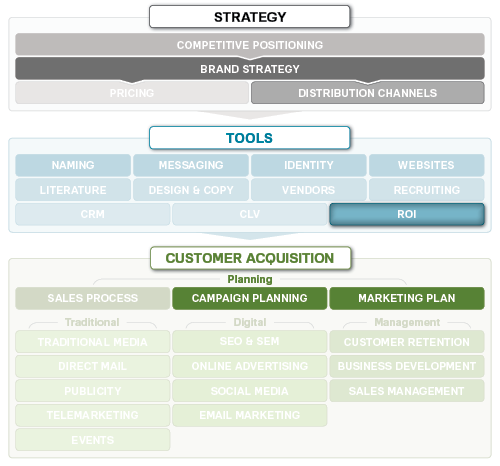
Credit: www.marketingmo.com
Calculating Roi
Calculating ROI (Return on Investment) is crucial for measuring the success of marketing campaigns. By understanding your ROI, you can make informed decisions about future investments. This section will guide you through the process of calculating ROI effectively.
Roi Formula
The basic formula for calculating ROI is:
ROI = (Net Profit / Cost of Investment) x 100Let’s break it down:
- Net Profit: The total revenue generated from the campaign minus the total costs.
- Cost of Investment: The total amount spent on the campaign.
For example, if you spent $200 on a campaign and generated $500 in revenue, your net profit is $300. Plugging into the formula, your ROI would be:
ROI = ($300 / $200) x 100 = 150%This means you earned a 150% return on your investment.
Cost Analysis
Accurate cost analysis is essential for calculating ROI. Consider all costs involved:
| Cost Type | Description |
|---|---|
| Ad Spend | The amount spent on advertisements. |
| Creative Costs | Expenses related to designing and producing content. |
| Software Fees | Subscription costs for marketing tools. |
| Labor Costs | Wages paid to employees working on the campaign. |
Add up these costs to get the total investment amount.
Use this information to calculate your ROI accurately. This ensures you are accounting for every expense.
Interpreting Roi Results
Interpreting ROI results is a crucial step in understanding the effectiveness of your marketing campaigns. By accurately analyzing these results, businesses can identify what works and what doesn’t. This allows for strategic adjustments and improved outcomes.
Understanding Metrics
Metrics are essential for evaluating ROI. Common metrics include click-through rates (CTR), conversion rates, and customer acquisition cost (CAC).
- Click-Through Rate (CTR): Measures how often people click on your ads.
- Conversion Rate: Indicates the percentage of visitors who take a desired action.
- Customer Acquisition Cost (CAC): The cost of acquiring a new customer.
Tracking these metrics helps understand campaign effectiveness. Use analytics tools to gather data.
Making Data-driven Decisions
Data-driven decisions are based on factual data rather than intuition. This approach leads to more effective marketing strategies.
- Analyze the Data: Examine metrics to identify trends and patterns.
- Set Clear Goals: Establish specific, measurable objectives for your campaigns.
- Test and Optimize: Continuously test different strategies to improve results.
Use a table to compare different campaign metrics:
| Campaign | CTR | Conversion Rate | CAC |
|---|---|---|---|
| Campaign A | 5% | 3% | $50 |
| Campaign B | 4% | 2.5% | $60 |
Based on the data, decide which campaigns are worth continuing.

Credit: www.linkedin.com
Optimizing Marketing Campaigns
Optimizing marketing campaigns is key to achieving high returns on investment (ROI). It involves analyzing, adjusting, and enhancing various campaign elements. These steps ensure maximum efficiency and effectiveness.
Adjusting Strategies
Adjusting strategies is essential for continual improvement. It allows marketers to refine their approach based on data insights. Here are some ways to adjust strategies:
- Analyze past performance: Review what worked and what didn’t.
- Identify target audience: Focus on the most responsive segments.
- Change ad placements: Test different platforms and placements.
- Modify messaging: Tailor messages to better resonate with the audience.
Enhancing Performance
Enhancing performance is about boosting the effectiveness of campaigns. Here are some key actions to take:
- Use A/B testing: Compare different versions of ads or emails.
- Leverage analytics: Utilize tools to track and measure performance.
- Optimize landing pages: Ensure landing pages are user-friendly and relevant.
- Automate processes: Employ marketing automation to save time and improve accuracy.
By focusing on adjusting strategies and enhancing performance, marketers can optimize their campaigns and achieve better ROI.
Case Studies And Examples
Tracking ROI on marketing campaigns is crucial for success. Analyzing case studies and examples provides valuable insights. Learn from successful campaigns and understand key lessons.
Successful Campaigns
Successful campaigns demonstrate effective strategies. Let’s explore three examples:
| Company | Campaign | ROI |
|---|---|---|
| Company A | Email Marketing | 150% |
| Company B | Social Media Ads | 200% |
| Company C | SEO Optimization | 250% |
- Company A: Focused on personalized emails.
- Company B: Leveraged targeted Facebook ads.
- Company C: Enhanced website content.
Each company saw significant ROI improvements. Personalized emails increased engagement. Targeted ads brought in more customers. Optimized content boosted organic traffic.
Lessons Learned
These campaigns teach us crucial lessons. Here are key takeaways:
- Personalization matters: Tailor messages to the audience.
- Targeted advertising works: Focus on specific demographics.
- Quality content is king: Invest in SEO and valuable content.
By studying these examples, you can apply these lessons. Improve your campaigns and track ROI effectively. Use these insights to boost your marketing success.
Future Trends In Roi Tracking
Tracking ROI on marketing campaigns is evolving rapidly. Future trends in ROI tracking focus on emerging technologies and evolving metrics. These advancements aim to provide deeper insights and more accurate measurements.
Emerging Technologies
New technologies are revolutionizing ROI tracking. Artificial Intelligence (AI) helps predict and analyze trends effectively. Machine Learning (ML) enhances data accuracy and provides real-time insights.
- AI and ML: Automate data collection and analysis.
- Blockchain: Ensures data transparency and security.
- Internet of Things (IoT): Connects devices to gather more data.
- Big Data: Manages large datasets for deeper analysis.
Evolving Metrics
Traditional metrics are evolving to provide a better understanding of ROI. Businesses now focus on a mix of quantitative and qualitative data.
| Traditional Metrics | Modern Metrics |
|---|---|
| Click-Through Rates (CTR) | Customer Lifetime Value (CLV) |
| Conversion Rates | Net Promoter Score (NPS) |
| Cost Per Acquisition (CPA) | Engagement Rates |
| Return on Ad Spend (ROAS) | Social Media Sentiment |
These metrics provide a holistic view of campaign effectiveness. They help businesses understand customer behavior and preferences better.
- Customer Journey Mapping: Tracks customer interactions across all touchpoints.
- Sentiment Analysis: Measures customer emotions and opinions.
- Attribution Modeling: Identifies which channels drive conversions.
By embracing these trends, businesses can enhance their ROI tracking. This ensures more effective and efficient marketing strategies.
Credit: wisernotify.com
Frequently Asked Questions
What Is Roi In Marketing Campaigns?
ROI, or Return on Investment, measures the profitability of marketing campaigns. It calculates the financial return compared to the cost of the campaign.
How Do You Calculate Marketing Roi?
To calculate marketing ROI, use the formula: (Revenue from Campaign – Cost of Campaign) / Cost of Campaign. Multiply the result by 100 to get a percentage.
Why Is Tracking Roi Important In Marketing?
Tracking ROI helps determine the effectiveness of marketing efforts. It identifies which campaigns generate the most revenue and aids in budget allocation.
What Tools Can Help Track Marketing Roi?
Tools like Google Analytics, HubSpot, and SEMrush help track marketing ROI. They provide detailed insights into campaign performance and ROI metrics.
Conclusion
Tracking ROI on marketing campaigns is crucial for success. Use analytics tools to measure performance accurately. Evaluate cost versus revenue to understand effectiveness. Regularly adjust strategies based on data insights. By following these steps, you ensure your marketing efforts are both efficient and profitable.
Start tracking today to maximize your campaign’s impact.