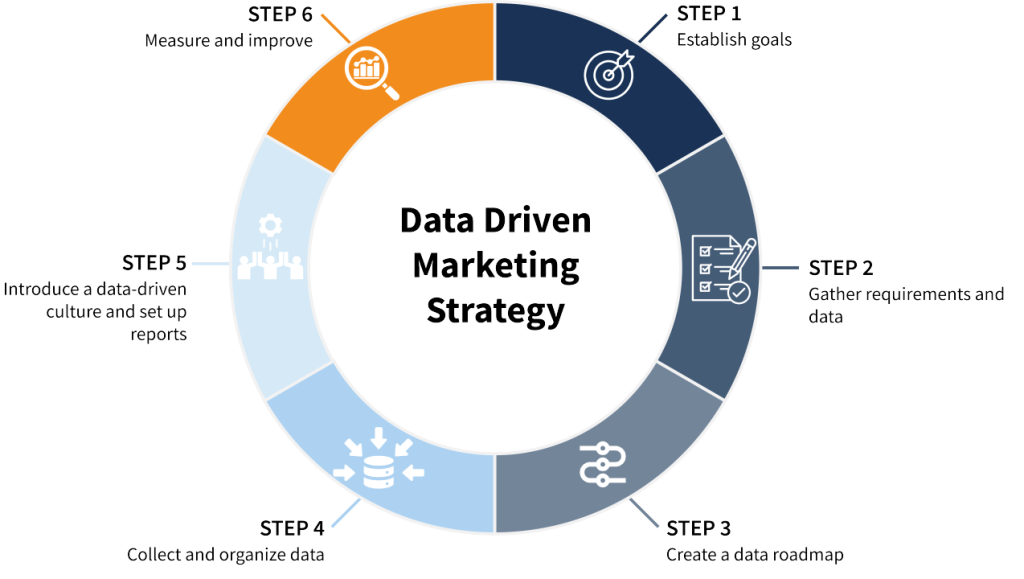
Data-driven marketing uses customer data to optimize marketing strategies and improve decision-making. It ensures targeted, personalized campaigns.
Data-driven marketing leverages real-time data to create precise and impactful marketing strategies. Businesses gather insights from customer behaviors, preferences, and interactions to tailor their campaigns effectively. This approach enhances customer engagement and drives higher conversion rates. Marketers can measure the success of their campaigns accurately, allowing for continuous improvement.
Data-driven marketing helps in identifying trends, predicting customer needs, and optimizing budget allocation. It empowers businesses to make informed decisions, leading to better ROI. Embracing data-driven marketing is essential for staying competitive in today’s digital landscape. It transforms raw data into actionable insights, enabling marketers to connect with their audience on a deeper level.
Introduction To Data-driven Marketing
Data-driven marketing is revolutionizing the way businesses connect with customers. By using data, companies can make informed decisions. This approach leads to higher efficiency and better results. Let’s dive into what data-driven marketing is and its importance in today’s world.
What Is Data-driven Marketing?
Data-driven marketing uses data to guide marketing strategies. It involves collecting, analyzing, and applying data insights. This helps in understanding customer behavior and preferences. With this information, marketers can create targeted campaigns. These campaigns are more likely to succeed and meet business goals.
Key components of data-driven marketing include:
- Data Collection: Gathering information from various sources.
- Data Analysis: Understanding patterns and trends in the data.
- Application: Using insights to create effective marketing strategies.
Importance In Modern Marketing
Data-driven marketing is crucial in today’s competitive market. Here are some reasons why:
| Benefit | Description |
|---|---|
| Improved Targeting | Marketers can target the right audience with precision. |
| Better ROI | Investments are more likely to yield positive returns. |
| Personalization | Campaigns can be tailored to individual preferences. |
| Efficiency | Resources are used more effectively, saving time and money. |
Improved targeting helps businesses reach the right customers. Better ROI ensures that every dollar spent is used wisely. Personalization makes customers feel valued and understood. Efficiency means doing more with less.
Companies that embrace data-driven marketing see better results. They can adapt quickly to changing market conditions. This flexibility is key to staying ahead of competitors.
Benefits Of Data-driven Marketing
Data-Driven Marketing offers numerous advantages for businesses. By leveraging data, companies can gain deep insights, optimize campaigns, and improve overall performance. Below are some key benefits of Data-Driven Marketing.
Enhanced Customer Insights
Data-driven marketing allows businesses to understand their customers better. Companies collect data from various sources:
- Social media interactions
- Website analytics
- Purchase history
- Customer feedback
This data helps create detailed customer profiles. Marketers can segment audiences based on behavior, preferences, and demographics. As a result, companies can deliver personalized experiences. This increases customer satisfaction and loyalty.
Improved Roi
Data-driven marketing significantly boosts return on investment (ROI). By analyzing data, businesses can identify the most effective marketing channels. This ensures budget allocation to high-performing areas. Key metrics to track include:
| Metric | Description |
|---|---|
| Conversion Rate | Percentage of visitors who take desired actions |
| Customer Lifetime Value (CLV) | Total revenue from a customer over time |
| Cost Per Acquisition (CPA) | Cost of acquiring a new customer |
Using these metrics, businesses can optimize their strategies. This reduces wasteful spending and enhances campaign efficiency. Ultimately, this leads to higher profits and better ROI.
Key Data Sources
Data-driven marketing relies on various data sources. These sources provide insights that help marketers make informed decisions. Understanding these key data sources is crucial for success.
Customer Data
Customer data is the foundation of data-driven marketing. This data includes information about your customers’ behavior, preferences, and interactions. Collecting customer data helps tailor marketing efforts to individual needs.
- Demographic Data: Age, gender, income, and education level.
- Behavioral Data: Purchase history, website interactions, and email engagement.
- Feedback Data: Customer reviews, surveys, and feedback forms.
Use this data to create personalized marketing campaigns. This approach increases engagement and conversion rates.
Market Trends
Market trends provide valuable insights into the overall market environment. These trends help businesses stay competitive and relevant. Analyzing market trends helps identify opportunities and threats.
- Industry Reports: Detailed analyses of market conditions and forecasts.
- Competitor Analysis: Insights into competitors’ strategies and performance.
- Social Media Trends: Popular topics and hashtags on social platforms.
Keeping an eye on market trends ensures your marketing strategies align with current demands. This proactive approach helps in adapting to changes quickly.

Credit: blog.searchmetrics.com
Implementing Data-driven Strategies
Implementing data-driven marketing strategies can transform your business. It helps make informed decisions. This ensures better customer engagement and higher ROI. Let’s explore how to set clear goals and choose the right tools.
Setting Clear Goals
First, define your marketing goals. Goals should be specific, measurable, achievable, relevant, and time-bound (SMART). Here are a few examples:
- Increase website traffic by 20% in the next 3 months.
- Boost email open rates by 15% within 6 months.
- Generate 50 new leads per month from social media.
Clear goals help track progress. They also help adjust strategies as needed.
Choosing The Right Tools
Next, choose the right tools. Tools help collect and analyze data. Here are some popular options:
| Tool | Purpose |
|---|---|
| Google Analytics | Track website traffic and user behavior. |
| HubSpot | Manage inbound marketing and sales. |
| Mailchimp | Run and analyze email marketing campaigns. |
| Hootsuite | Manage social media accounts. |
Choose tools based on your goals. Ensure they integrate well with each other.
Data Analysis Techniques
Data-driven marketing relies on effective data analysis techniques. These techniques help marketers extract valuable insights from large datasets. This section covers two key techniques: Predictive Analytics and Segmentation.
Predictive Analytics
Predictive analytics uses historical data to forecast future outcomes. This technique helps marketers anticipate customer behavior and trends. By analyzing past interactions, marketers can predict future purchasing decisions.
Here are some benefits of using predictive analytics:
- Improved targeting: Predict future customer needs and tailor marketing efforts.
- Customer retention: Identify potential churn and take proactive measures.
- Optimized budgets: Allocate resources to high-return areas.
A simple predictive model might look like this:
if (customer_purchase_history > 10) {
    offer_discount = true;
} else {
    offer_discount = false;
}
Segmentation
Segmentation divides a broad market into smaller, more manageable groups. This allows for targeted marketing strategies. Segments can be based on demographics, behavior, or psychographics.
Consider these common segmentation criteria:
| Criterion | Example |
|---|---|
| Demographic | Age, gender, income |
| Behavioral | Purchase history, brand loyalty |
| Psychographic | Lifestyle, interests |
Effective segmentation helps in crafting personalized marketing messages. Tailored messages resonate better with specific audience groups.
Here is an example of behavioral segmentation:
if (customer_loyalty == "high") {
    send_loyalty_rewards();
} else if (customer_loyalty == "medium") {
    offer_special_promotions();
} else {
    engage_with_new_campaigns();
}
By using predictive analytics and segmentation, marketers can enhance their data-driven strategies. These techniques lead to more effective and personalized marketing.
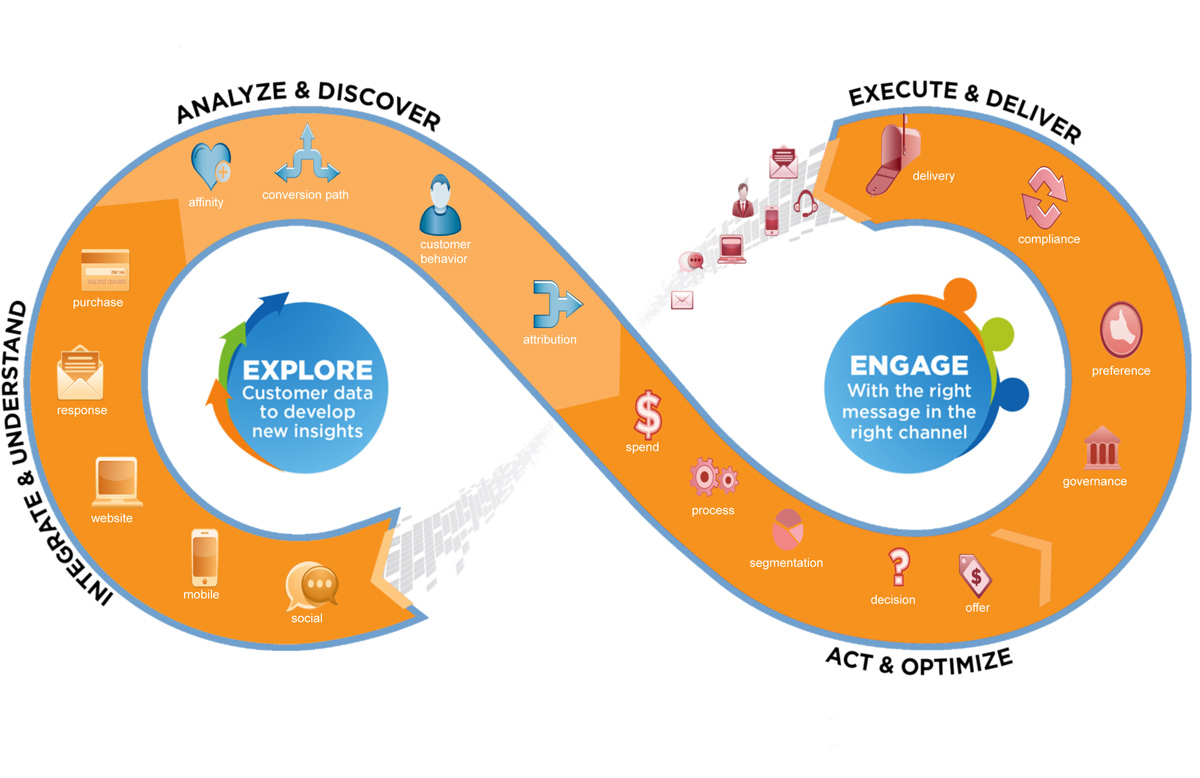
Credit: www.i-scoop.eu
Challenges And Solutions
Data-driven marketing comes with its own set of challenges. Understanding these can help marketers find effective solutions. Below, we explore some common issues and their remedies.
Data Privacy Concerns
Data privacy is a major concern for marketers. Customers want their data to be safe. Marketers must comply with privacy laws. Non-compliance can lead to heavy fines and loss of trust.
- GDPR compliance is crucial for businesses in Europe.
- CCPA is vital for companies in California.
Businesses should ensure they have proper data protection measures. Encrypt customer data to keep it safe. Obtain explicit consent before collecting data.
Transparency is key. Let customers know how their data is used. Build trust by showing commitment to data privacy.
Data Quality Issues
Poor data quality can lead to wrong insights. This affects marketing strategies negatively. Ensure data is accurate and clean.
Consider these steps to improve data quality:
- Regular Data Audits: Check and clean data regularly.
- Validation: Use tools to validate data entries.
- Training: Train staff on data entry best practices.
Use software solutions to automate data cleansing. This reduces human errors. Accurate data leads to better decision-making.
| Challenges | Solutions |
|---|---|
| Data Privacy Concerns | Encrypt data, obtain consent, comply with laws |
| Data Quality Issues | Regular audits, validation tools, staff training |
Case Studies
Data-driven marketing is changing how businesses attract customers. By using real data, companies can create better campaigns. In this section, we will explore case studies that show successful campaigns and the lessons learned from them.
Successful Campaigns
Businesses have seen great results with data-driven marketing. Here are a few examples:
| Company | Campaign | Result |
|---|---|---|
| Netflix | Personalized recommendations | Increased user engagement by 75% |
| Amazon | Targeted product suggestions | Boosted sales by 35% |
| Coca-Cola | Social media data analysis | Improved campaign reach by 20% |
Lessons Learned
Successful campaigns provide valuable lessons for other businesses:
- Use customer data to tailor marketing efforts.
- Analyze patterns to predict future trends.
- Adjust strategies based on real-time feedback.
These lessons help businesses refine their marketing strategies. Data-driven marketing ensures more accurate targeting and better results.
Future Of Data-driven Marketing
Data-driven marketing uses data to guide marketing decisions. It helps businesses understand customers better and make informed choices. The future of data-driven marketing is exciting. New trends and technologies are changing the game. Let’s explore these changes.
Emerging Trends
Several trends are shaping the future of data-driven marketing. Understanding these trends can help businesses stay ahead.
- Personalization: More personalized content is being delivered to users.
- Customer Journey Mapping: Tracking customer interactions across all touchpoints.
- Predictive Analytics: Using data to predict future customer behavior.
- Privacy Regulations: New laws protecting user data privacy.
Technological Advancements
Technology is driving the evolution of data-driven marketing. New tools and software are making it easier to collect and analyze data.
| Technology | Benefits |
|---|---|
| AI and Machine Learning | Automate data analysis and customer segmentation. |
| Big Data Platforms | Handle large volumes of data efficiently. |
| CRM Software | Manage customer relationships effectively. |
| Marketing Automation Tools | Automate repetitive marketing tasks. |
These advancements are helping marketers make data-driven decisions. Using these tools can lead to better marketing strategies and improved customer satisfaction.
Getting Started
Getting started with data-driven marketing can seem challenging. But with the right steps and tools, it becomes simpler. This section will guide you through the initial steps and the resources you need.
First Steps
Begin by defining your marketing goals. Know what you want to achieve. Do you want more sales, leads, or brand awareness?
- Set clear, measurable objectives.
- Understand your target audience.
- Analyze your current data.
Next, collect data from various sources. Use surveys, website analytics, and social media metrics. Create a plan for how you will use this data.
Resources And Tools
Use the right tools to help you with data collection and analysis. Here is a table of some recommended tools:
| Tool | Purpose |
|---|---|
| Google Analytics | Website traffic analysis |
| HubSpot | Inbound marketing and sales |
| Hootsuite | Social media management |
| Tableau | Data visualization |
These tools help you gather and analyze data. They also provide insights to improve your marketing strategies.
Finally, keep learning and adapting. Data-driven marketing is an ongoing process. Stay updated with the latest trends and technologies.
Credit: www.ngdata.com
Frequently Asked Questions
What Is Data-driven Marketing?
Data-driven marketing uses customer data to optimize marketing strategies. It helps in targeting the right audience and personalizing campaigns. This approach improves ROI and customer satisfaction.
Why Is Data-driven Marketing Important?
Data-driven marketing is crucial for making informed decisions. It enhances targeting accuracy and campaign effectiveness. This leads to better engagement and higher conversion rates.
How Does Data-driven Marketing Work?
Data-driven marketing involves collecting, analyzing, and utilizing customer data. This data helps in creating personalized marketing strategies. It ensures that messages resonate with the target audience.
What Tools Are Used In Data-driven Marketing?
Common tools include CRM systems, analytics platforms, and marketing automation software. These tools help in data collection, analysis, and execution of marketing strategies.
Conclusion
Harnessing data-driven marketing unlocks new growth opportunities. Businesses can make informed decisions, boost engagement, and improve ROI. Embrace data analytics and stay competitive. Start leveraging data today and watch your marketing efforts soar. Stay ahead by continually adapting to new data insights and trends.
Your future success depends on it.