

Digital Transformation involves integrating digital technology into all business areas, fundamentally changing operations and delivering value to customers. It fosters innovation and enhances efficiency.
Digital Transformation reshapes how businesses operate and interact with their customers. It leverages technologies like AI, cloud computing, and big data to improve processes and outcomes. Companies adopting digital transformation can better meet customer expectations and stay competitive. This process goes beyond upgrading IT systems; it involves a cultural shift towards agility and continuous improvement.
Successful digital transformation requires clear strategy, leadership, and a focus on customer needs. Embracing digital change helps businesses remain relevant in an ever-evolving market landscape.
Introduction To Digital Transformation
Digital transformation is a buzzword in today’s business world. It involves the integration of digital technology into all areas of a business. This transformation affects how businesses operate and deliver value to customers. The process is not just about technology; it also requires a cultural shift in the organization. Companies must continuously challenge the status quo and experiment with new ways of doing things.
What Is Digital Transformation?
Digital transformation is the use of digital technology in all areas of a business. It changes how businesses operate and deliver value to customers. This transformation requires organizations to rethink their old operating models. They must adopt new digital technologies to improve efficiency and customer experience.
Importance In Modern Business
Digital transformation is crucial in today’s competitive business landscape. Here are some reasons why:
- Improved Efficiency: Automating processes reduces time and errors.
- Better Customer Experience: Digital tools help personalize customer interactions.
- Increased Agility: Businesses can quickly adapt to market changes.
- Cost Savings: Automation and cloud services reduce operational costs.
Modern businesses must embrace digital transformation. It is not just a choice, but a necessity. Companies that fail to transform risk becoming obsolete.
Key Drivers
Digital Transformation is reshaping industries. Understanding its key drivers is crucial. These drivers push businesses to adapt and grow.
Technological Advancements
Technological advancements play a big role in digital transformation. They offer new tools and solutions.
- Artificial Intelligence (AI) – AI helps in automating tasks. It enhances decision-making processes.
- Cloud Computing – Cloud services provide flexibility. They reduce costs and improve efficiency.
- Internet of Things (IoT) – IoT connects devices. It enables real-time data collection and analysis.
- Big Data – Big Data helps in understanding customer behavior. It aids in personalized marketing.
Changing Consumer Expectations
Consumers expect more from businesses today. Meeting these expectations is a must.
| Expectation | Impact |
|---|---|
| Personalization | Consumers want personalized experiences. They demand tailored content and offers. |
| Speed | Quick responses are crucial. Slow services drive customers away. |
| Omnichannel Experience | Consumers use multiple channels. A seamless experience across all is needed. |
| Transparency | Consumers value transparency. They trust businesses that are open and honest. |
Impact On Business Models
Digital transformation reshapes traditional business models. This change offers new opportunities and challenges. Businesses must adapt to remain competitive. Let’s explore how digital transformation impacts business models through new revenue streams and operational efficiency.
New Revenue Streams
Digital transformation introduces new revenue streams for businesses. Companies can leverage digital platforms to reach wider audiences. This includes online sales, subscriptions, and digital products. For example:
- eCommerce: Physical stores can sell products online.
- Subscriptions: Media companies offer digital content subscriptions.
- Digital Products: Software companies sell apps and online tools.
These new revenue streams increase profitability. They also reduce reliance on traditional sales methods.
Operational Efficiency
Digital transformation enhances operational efficiency. It automates routine tasks and optimizes processes. This saves time and reduces costs. Key areas of improvement include:
| Area | Impact |
|---|---|
| Automation | Reduces manual labor and errors. |
| Data Analytics | Improves decision-making with real-time insights. |
| Cloud Computing | Enables scalable and flexible operations. |
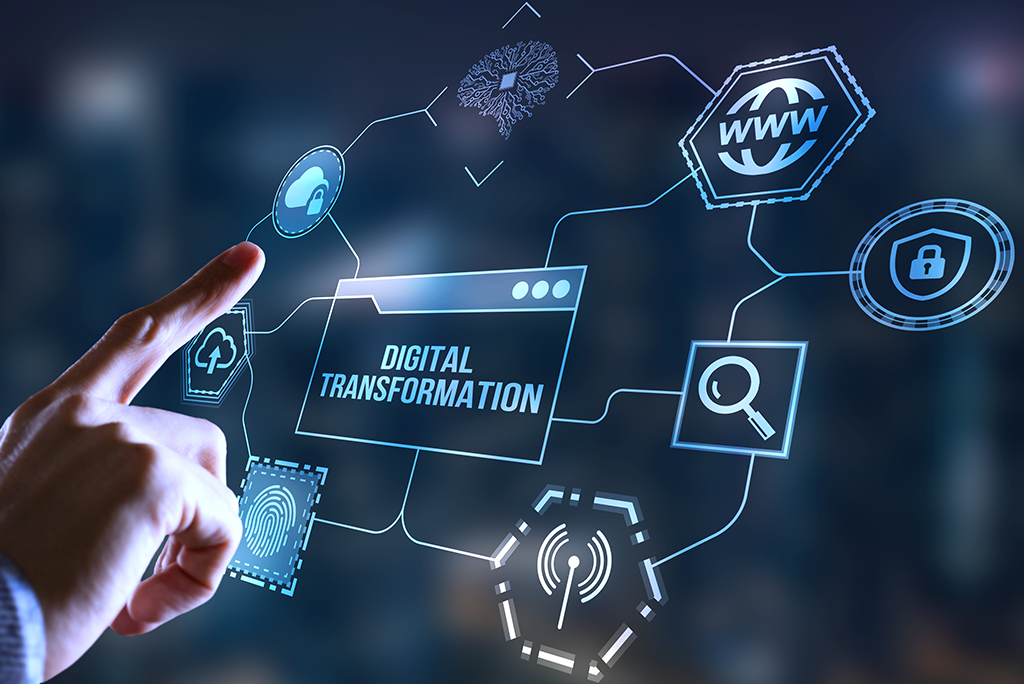
These enhancements boost productivity. They also enable faster responses to market changes.
Credit: www.smartosc.com
Challenges Faced
Digital transformation offers many benefits. But there are challenges too. These challenges can slow down or stop progress. Let’s explore some key challenges faced during digital transformation.
Resistance To Change
People often resist change. They like familiar routines. Digital transformation requires new ways of working. This can make employees uncomfortable. They may worry about their jobs. Training can help, but it takes time. Leaders need to communicate clearly. They must explain the benefits of change.
Here are some common reasons for resistance:
- Fear of the unknown
- Lack of understanding
- Comfort with current processes
To manage resistance, companies can:
- Provide clear communication
- Offer training sessions
- Involve employees in the process
Security Concerns
Digital transformation often involves new technologies. These technologies can create security risks. Cybersecurity is a big concern. Hackers can attack new systems. Sensitive data can be stolen. Companies must protect their data. They need strong security measures.
Common security challenges include:
| Challenge | Description |
|---|---|
| Data Breaches | Unauthorized access to sensitive information |
| Phishing Attacks | Scams to steal personal data |
| Malware | Malicious software that harms systems |
To address security concerns, companies should:
- Implement strong passwords
- Use encryption
- Conduct regular security audits
Strong cybersecurity protects the company and its customers. It builds trust and ensures smooth operations.
Role Of Data Analytics
Data analytics plays a crucial role in digital transformation. It helps businesses make better decisions. By analyzing data, companies can understand their customers. They can also improve their services and products. This leads to higher customer satisfaction and increased revenue.
Data-driven Decision Making
Data-driven decision making is a process where decisions are made based on data analysis. This method is more accurate and effective. It reduces guesswork and assumptions. Here are some benefits:
- Improves accuracy in business decisions
- Identifies new opportunities
- Enhances customer experience
- Increases operational efficiency
Businesses use data analytics tools to gather and analyze data. These tools include software like Excel, Tableau, and Power BI. They help in visualizing data in charts and graphs. This makes it easier to understand complex information.
Predictive Analytics
Predictive analytics uses historical data to predict future events. It helps businesses foresee trends and make informed decisions. Here are some applications:
- Customer behavior prediction
- Sales forecasting
- Risk management
- Product demand forecasting
Companies use machine learning and AI algorithms for predictive analytics. These technologies analyze large datasets quickly. They find patterns that humans might miss. This leads to more accurate predictions.
| Tool | Purpose |
|---|---|
| Excel | Data organization and basic analysis |
| Tableau | Data visualization |
| Power BI | Business intelligence and reporting |
Emerging Technologies
The world of digital transformation is ever-evolving. Emerging technologies are the driving force behind this evolution. They bring new opportunities and reshape industries. Two such game-changing technologies are Artificial Intelligence and the Internet of Things.
Artificial Intelligence
Artificial Intelligence (AI) is revolutionizing industries. AI systems can learn, adapt, and perform tasks that typically require human intelligence. These tasks include:
- Image recognition
- Speech processing
- Decision-making
AI improves efficiency and accuracy. It can analyze vast amounts of data quickly. This helps businesses make better decisions.
Examples of AI applications include:
- Chatbots for customer service
- Predictive analytics in finance
- Personalized marketing campaigns
Internet Of Things
The Internet of Things (IoT) connects everyday objects to the internet. These objects can collect and exchange data. This creates a network of connected devices.
Benefits of IoT include:
- Enhanced automation
- Improved monitoring
- Increased efficiency
IoT is transforming various sectors, such as:
| Sector | Application |
|---|---|
| Healthcare | Remote patient monitoring |
| Manufacturing | Smart factories |
| Agriculture | Precision farming |
IoT devices help businesses stay competitive. They provide real-time insights and improve decision-making.
Case Studies
Understanding digital transformation is easier with real-world examples. Case studies show how companies have successfully navigated their digital journey. They provide insights into the strategies, challenges, and outcomes of digital transformation.
Successful Transformations
Many businesses have implemented digital transformation with great success. Below are some notable examples:
- Netflix: Netflix transformed from a DVD rental service to a streaming giant. They adopted data-driven decision making and personalized user experiences.
- Domino’s Pizza: Domino’s embraced digital ordering and tracking. Their app and website offer seamless customer experiences.
- General Electric: GE shifted to a digital industrial company. They used data analytics and IoT to optimize operations.
Lessons Learned
From these transformations, several lessons emerge:
- Data is Key: Companies must leverage data to drive decisions and improve customer experiences.
- Customer Focus: Successful transformations prioritize customer needs and enhance user experiences.
- Agility: Businesses need to be agile and adaptable to change.
| Company | Transformation | Key Strategy |
|---|---|---|
| Netflix | DVD rental to streaming | Data-driven decisions |
| Domino’s Pizza | Enhanced digital ordering | Customer-centric approach |
| General Electric | Industrial to digital | IoT and analytics |
These case studies highlight the importance of embracing technology. They show that digital transformation is crucial for staying competitive.
Credit: smartway2.com
Future Trends
Digital transformation is revolutionizing industries at an unprecedented pace. As technology evolves, businesses must stay ahead of future trends. This section explores what lies ahead in the digital landscape and how to prepare for the future.
Evolving Digital Landscape
The digital landscape is constantly changing. Artificial Intelligence (AI) and Machine Learning (ML) are at the forefront. These technologies automate tasks and provide valuable insights. Businesses use AI to improve customer experiences and streamline operations.
Blockchain technology is another trend to watch. It ensures transparency and security in transactions. Companies are adopting blockchain for supply chain management and secure data exchange.
Internet of Things (IoT) connects everyday devices to the internet. This integration allows for smart homes and efficient industrial processes. IoT is transforming how we interact with technology.
Preparing For The Future
Businesses must prepare for these future trends. Investing in technology is crucial. Allocate resources to adopt AI, blockchain, and IoT. These investments will pay off in increased efficiency and customer satisfaction.
Employee training is essential. Upskill your workforce to handle new technologies. Provide training programs and workshops. A well-trained team can adapt to changes and drive innovation.
Data security should be a top priority. Implement robust security measures to protect sensitive information. Regularly update your security protocols. This ensures your business remains safe from cyber threats.
| Trend | Impact |
|---|---|
| Artificial Intelligence | Automates tasks and provides insights |
| Blockchain | Ensures transparency and security |
| Internet of Things | Connects devices for smarter operations |
Staying ahead in digital transformation requires foresight and preparation. Embrace these trends to remain competitive and innovative.

Credit: enterprisersproject.com
Frequently Asked Questions
What Is Digital Transformation?
Digital transformation is the integration of digital technology into all business areas. It fundamentally changes how you operate and deliver value to customers.
Why Is Digital Transformation Important?
Digital transformation improves efficiency, enhances customer experience, and drives innovation. It helps businesses stay competitive in a rapidly evolving market.
How Does Digital Transformation Benefit Businesses?
Digital transformation streamlines processes, reduces costs, and increases agility. It enables better decision-making through data analytics and fosters innovation.
What Are The Key Components Of Digital Transformation?
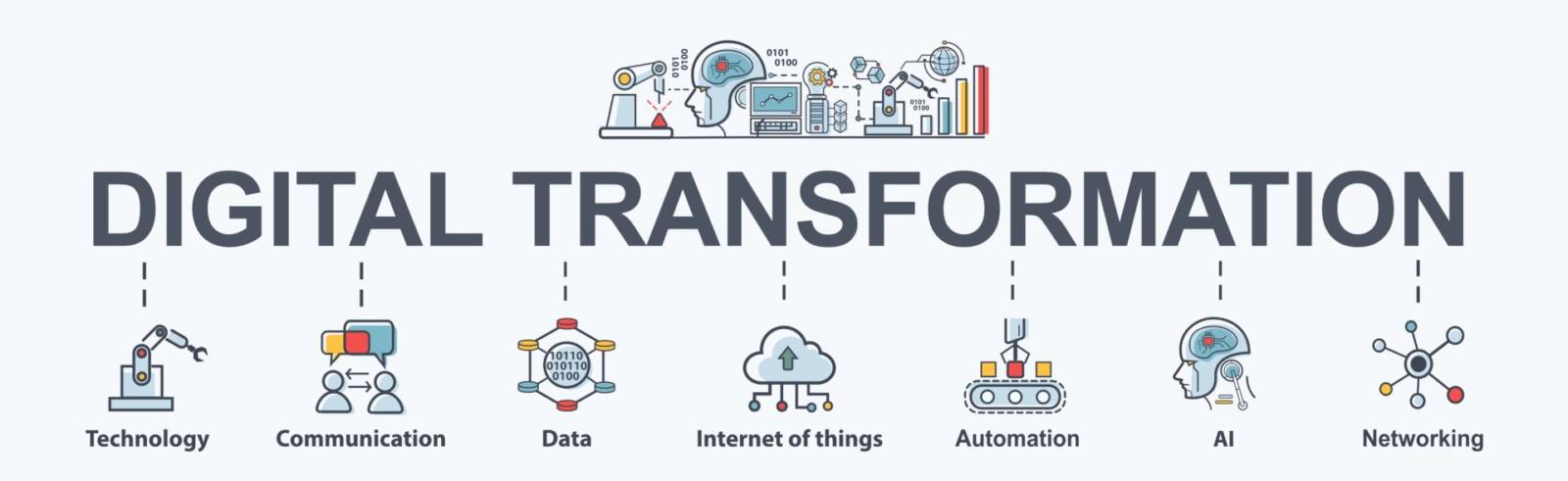
Key components include cloud computing, big data, AI, IoT, and cybersecurity. These technologies work together to enhance business operations and customer experiences.
Conclusion
Digital transformation reshapes how businesses operate and compete. Embracing it ensures efficiency, agility, and innovation. Companies must adapt to stay relevant. Investing in digital tools and strategies will drive growth. Start your transformation journey today to secure a competitive edge in the evolving digital landscape.