Marketing automation tools streamline marketing tasks and workflows. They improve efficiency and help businesses achieve better results.
Marketing automation tools are essential for modern businesses aiming to enhance their marketing strategies. These tools automate repetitive tasks, such as email marketing, social media posting, and ad campaigns, allowing marketers to focus on more strategic activities. They also provide valuable insights through analytics, helping businesses make data-driven decisions.
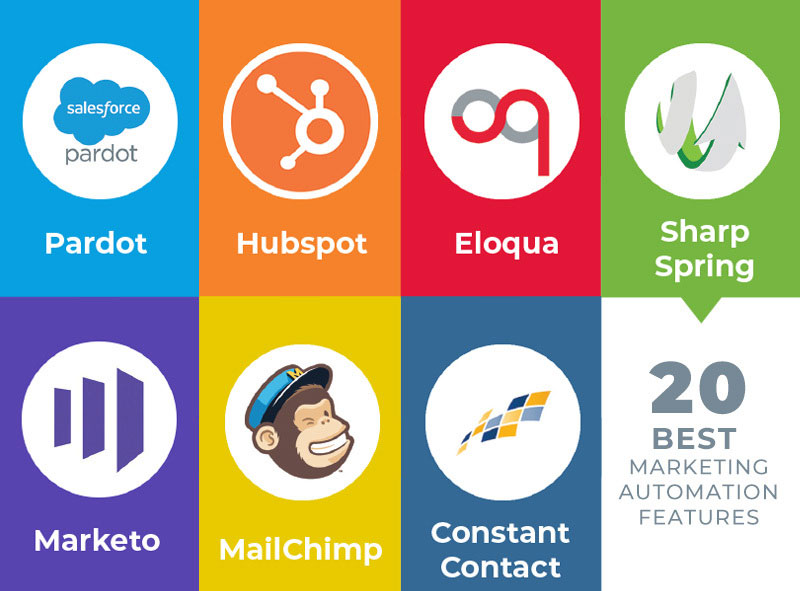
By using these tools, companies can nurture leads, personalize customer experiences, and increase overall productivity. Popular marketing automation platforms include HubSpot, Marketo, and Mailchimp. Implementing these tools can lead to improved customer engagement, higher conversion rates, and significant time savings, ultimately contributing to business growth.
Introduction To Marketing Automation
Marketing automation tools transform how businesses engage with customers. They streamline tasks and enhance marketing strategies. Understanding these tools’ potential can elevate your marketing efforts.
What Is Marketing Automation?
Marketing automation involves using software to automate repetitive marketing tasks. These tasks include email campaigns, social media posting, and ad management. Automation tools help you manage multiple channels more efficiently.
These tools collect data and provide insights. This data helps in making informed decisions. You can personalize customer experiences and improve engagement.
Benefits Of Automation
Marketing automation offers several advantages. Let’s explore some key benefits:
| Benefit | Description |
|---|---|
| Time Savings | Automating tasks saves time. You can focus on other strategic activities. |
| Improved Efficiency | Automation reduces manual errors. It ensures tasks are completed accurately and on time. |
| Enhanced Customer Engagement | Personalized messages improve engagement. Customers feel valued and are more likely to respond. |
| Better Data Insights | Automation tools provide detailed reports. You can analyze data to optimize your campaigns. |
With marketing automation, you can segment your audience. This segmentation allows for targeted messaging. You can create relevant content for different customer groups.
Automation also helps in lead nurturing. It ensures timely follow-ups with potential customers. This improves the chances of converting leads into sales.
Key Features Of Marketing Automation Tools
Marketing automation tools help businesses save time and improve efficiency. They streamline repetitive tasks and enhance customer engagement. These tools come with various features tailored to meet different marketing needs.
Email Marketing
Email marketing is a crucial feature of marketing automation tools. It allows businesses to send personalized emails to their subscribers.
- Automated Campaigns: Schedule and send emails automatically.
- Personalization: Tailor emails to individual customer preferences.
- Analytics: Track open rates, click-through rates, and conversions.
These features help in creating effective email marketing strategies. They ensure that customers receive relevant content at the right time.
Lead Management
Lead management is another vital feature of marketing automation tools. It helps businesses track and manage their leads efficiently.
- Lead Scoring: Rank leads based on their engagement level.
- Lead Nurturing: Send targeted content to guide leads through the sales funnel.
- CRM Integration: Sync leads with your CRM system for better management.
These features ensure that no lead is left unattended. They help in converting leads into loyal customers.
Top Marketing Automation Tools
Marketing automation tools streamline your marketing efforts. These tools save time, increase efficiency, and boost ROI. Discover the top marketing automation tools below.
Hubspot
HubSpot is an all-in-one marketing platform. It offers tools for email marketing, social media, and CRM. HubSpot helps you create personalized campaigns. It also provides detailed analytics and reporting.
HubSpot’s key features include:
- Email automation
- Social media management
- Lead tracking
- CRM integration
HubSpot is user-friendly. It suits businesses of all sizes. Here is a quick overview:
| Feature | Description |
|---|---|
| Email Automation | Automate email campaigns with ease. |
| Social Media Management | Manage posts and analyze performance. |
| Lead Tracking | Track and nurture leads effectively. |
| CRM Integration | Seamlessly integrate with CRM systems. |
Marketo
Marketo is a powerful marketing automation tool. It focuses on B2B marketing. Marketo offers advanced features for lead management and email marketing.
Marketo’s key features include:
- Lead scoring
- Email marketing
- Campaign management
- Analytics and reporting
Marketo is best for large enterprises. It supports complex marketing strategies. Here’s a quick summary:
| Feature | Description |
|---|---|
| Lead Scoring | Identify and prioritize high-quality leads. |
| Email Marketing | Create and automate email campaigns. |
| Campaign Management | Plan and execute marketing campaigns. |
| Analytics and Reporting | Gain insights and measure performance. |
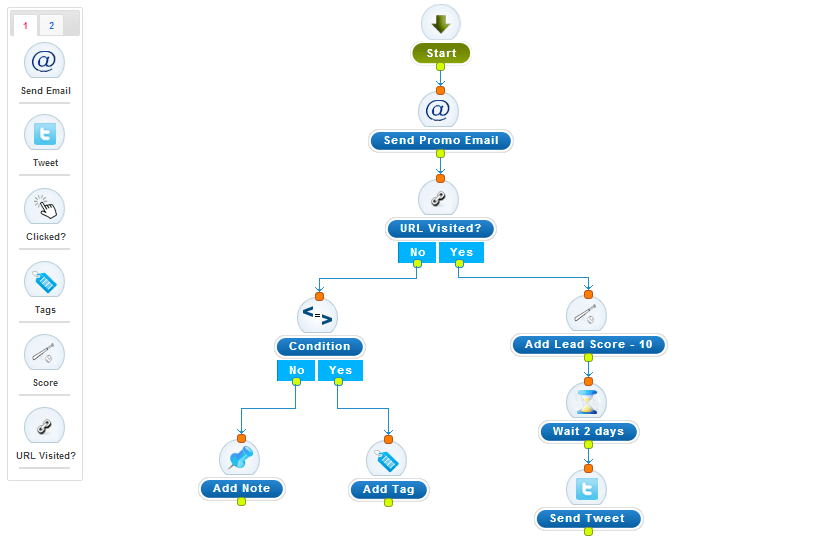
Credit: www.agilecrm.com
Choosing The Right Tool
Choosing the right marketing automation tool can be overwhelming. With many options, it’s crucial to match the tool to your specific needs. Below, we explore some key factors to consider.
Business Needs
First, identify your business needs. Are you looking to boost email marketing or social media engagement? Different tools excel in various areas. Make a list of your top priorities.
- Email marketing
- Social media management
- Lead generation
- Customer relationship management (CRM)
Match the tool’s features with your business goals. This step ensures you get the most value.
Budget Considerations
Next, consider your budget. Marketing automation tools come at different price points. Some offer basic packages, while others have premium options.
| Tool | Basic Package | Premium Package |
|---|---|---|
| Tool A | $50/month | $200/month |
| Tool B | $30/month | $150/month |
Choose a tool that fits your budget but meets your needs. Look for free trials or demos. Test the tool before committing.
Implementing Marketing Automation
Implementing marketing automation can transform your business. It saves time, increases efficiency, and boosts engagement. Here’s how to set up and train your team for success.
Setting Up
Setting up marketing automation tools is a critical step. First, choose the right tool for your business needs. Popular options include HubSpot, Marketo, and ActiveCampaign.
Once you select a tool, follow these steps:
- Create an account.
- Set up your profile and business information.
- Integrate with your CRM and other essential tools.
- Configure basic settings like time zone and currency.
- Import your contact lists.
Each tool has its own setup process. Follow the provided guides for smooth installation.
Training Your Team
Training your team is essential for successful implementation. Ensure everyone understands the tool’s features and benefits. Here’s how to get started:
- Organize a kick-off meeting to introduce the tool.
- Provide hands-on training sessions.
- Create easy-to-follow guides and tutorials.
- Assign roles based on team members’ strengths.
- Encourage continuous learning with regular updates and resources.
Monitor progress and address any issues promptly. This ensures everyone stays on track.
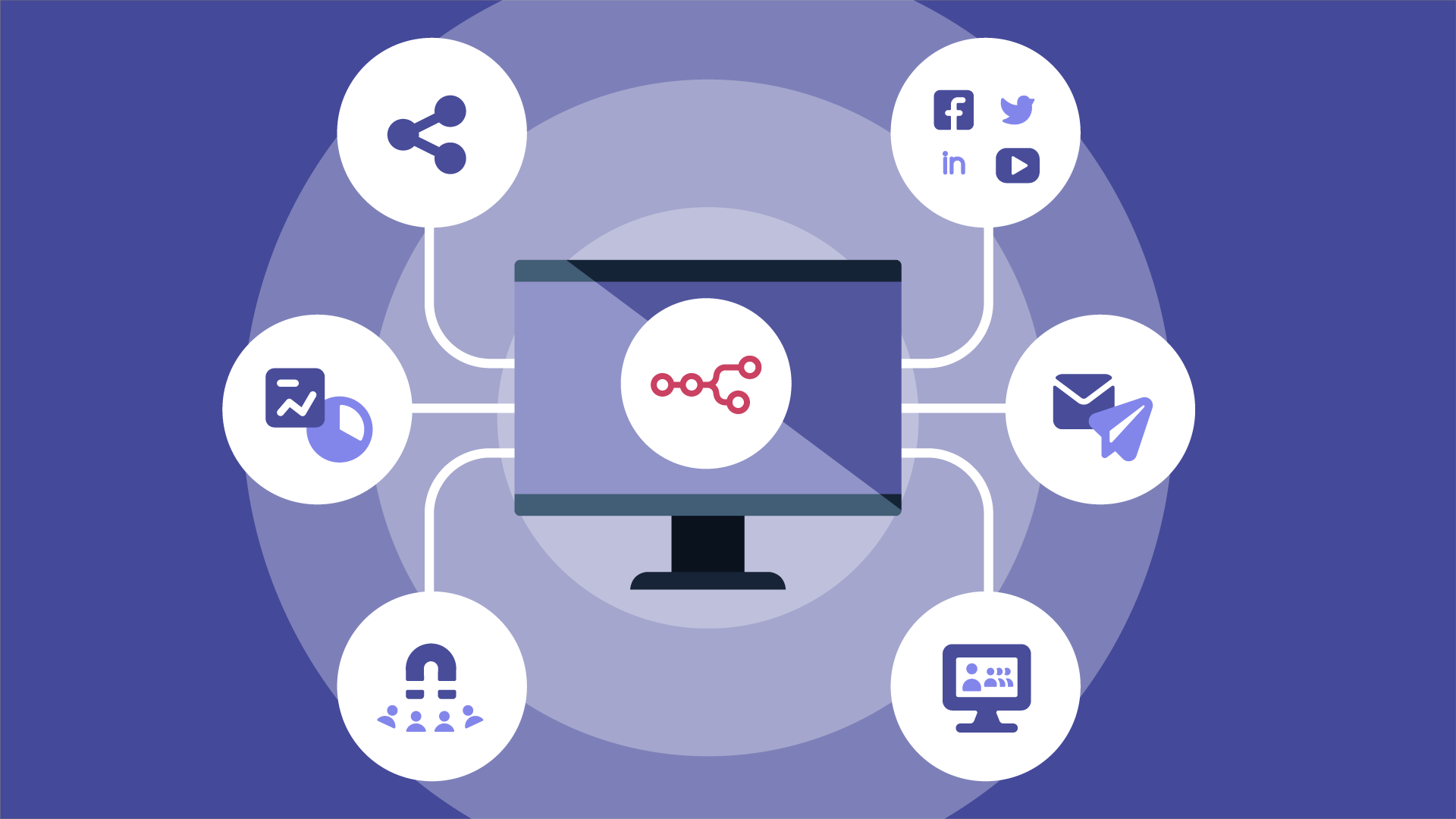
Credit: blog.n8n.io
Measuring Success
Marketing automation tools offer immense benefits. But how do you know if they work? Measuring success is crucial. It helps you understand performance and optimize strategies. Let’s explore the key metrics and how to adjust strategies.
Key Metrics
To measure success, track these key metrics:
- Conversion Rate: The percentage of visitors who take a desired action.
- Click-Through Rate (CTR): The ratio of clicks to impressions.
- Engagement Rate: Measures interactions like likes, comments, and shares.
- Customer Retention Rate: Shows how well you retain customers.
- Return on Investment (ROI): Calculates the profitability of your campaigns.
Adjusting Strategies
Sometimes, your initial strategy may not yield the best results. Here’s how you can adjust your strategies:
- Analyze Data: Review performance metrics regularly.
- Identify Weak Points: Pinpoint areas that need improvement.
- Test Variations: Implement A/B testing to see what works best.
- Optimize Content: Use insights to refine your messaging.
- Iterate and Improve: Continuously refine your strategy based on feedback.
By focusing on these steps, you can ensure your marketing automation tools deliver the best results.
Common Challenges
Marketing automation tools can streamline your marketing efforts. But they come with their own set of challenges. Understanding these can help you make the most of your tools.
Data Integration
Data integration is a common challenge in marketing automation. Different tools and systems often store data in various formats. This makes it difficult to integrate them seamlessly.
Consider these common data integration issues:
- Inconsistent data formats
- Duplicate data entries
- Data silos
Inconsistent data formats can lead to errors and data loss. Duplicate data entries waste storage and can cause confusion. Data silos hinder the flow of information between departments.
To address these issues, use data mapping and data cleansing tools. These tools help ensure data consistency and accuracy.
User Adoption
User adoption is another challenge in marketing automation. Even the best tools are useless if your team doesn’t use them.
Common reasons for low user adoption include:
- Lack of training
- Complex user interfaces
- Resistance to change
Lack of training can leave users feeling overwhelmed. Complex user interfaces can frustrate users. Resistance to change can be a major roadblock.
To improve user adoption, provide comprehensive training sessions. Simplify the user interface. Encourage a culture of change and innovation.
| Challenge | Solution |
|---|---|
| Data Integration | Use data mapping and cleansing tools |
| User Adoption | Provide training and simplify the UI |
Future Of Marketing Automation
The future of marketing automation is exciting. It brings smarter tools and better results. Businesses can expect more efficiency and personalization. Let’s explore some key trends shaping this future.
Ai And Machine Learning
Artificial Intelligence (AI) and Machine Learning (ML) are game-changers. They help in analyzing huge data sets quickly. AI can predict customer behavior better than humans. This makes marketing campaigns more accurate and effective.
Here are some benefits of AI and ML in marketing automation:
- Improved targeting of ads
- Enhanced customer segmentation
- Automated content creation
- Real-time customer engagement
AI and ML also bring new tools. These tools help marketers save time and effort. They can focus on creative tasks while AI handles data analysis.
Personalization Trends
Personalization is the key to successful marketing. Customers want to feel special and valued. Marketing automation tools are evolving to meet this need. They offer personalized experiences at scale.
Some top personalization trends include:
- Dynamic Content: Content changes based on user behavior.
- Behavioral Triggers: Actions trigger specific messages.
- Individualized Recommendations: Personalized product suggestions.
- Custom Email Campaigns: Tailored messages for each subscriber.
These trends ensure customers receive relevant content. This increases engagement and loyalty. Personalized marketing drives better results and higher ROI.
| Trend | Benefit |
|---|---|
| Dynamic Content | Higher engagement rates |
| Behavioral Triggers | Timely and relevant messages |
| Individualized Recommendations | Increased sales and conversions |
| Custom Email Campaigns | Better open and click rates |
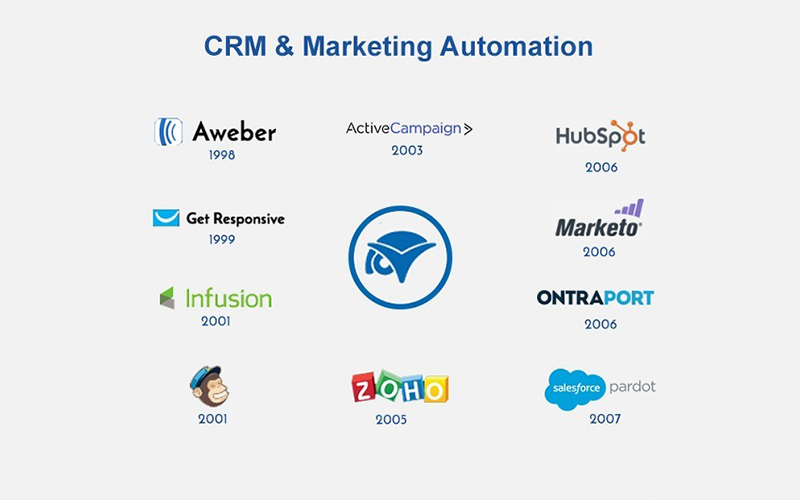
Credit: www.qltech.com.au
Frequently Asked Questions
What Are Marketing Automation Tools?
Marketing automation tools streamline marketing tasks by automating repetitive processes. They improve efficiency and consistency. Common features include email marketing, lead generation, and analytics.
How Do Marketing Automation Tools Work?
These tools use software to automate marketing activities. They integrate with CRM systems, track customer behavior, and trigger personalized responses. This enhances customer engagement.
Why Use Marketing Automation Tools?
Marketing automation tools save time and resources. They improve lead nurturing and conversion rates. They also provide detailed analytics for better decision-making.
What Features Do Marketing Automation Tools Offer?
Key features include email marketing, lead scoring, CRM integration, social media management, and analytics. These features help streamline marketing efforts.
Conclusion
Choosing the right marketing automation tools can elevate your business. These tools streamline tasks, enhance customer engagement, and boost ROI. Embrace automation to stay competitive and save time. Invest in solutions that align with your goals and witness significant growth.
Start leveraging these tools today for a brighter marketing future.