Chatbot marketing leverages AI-driven chatbots to engage customers, answer queries, and promote products or services effectively. It enhances user experience and drives business growth.
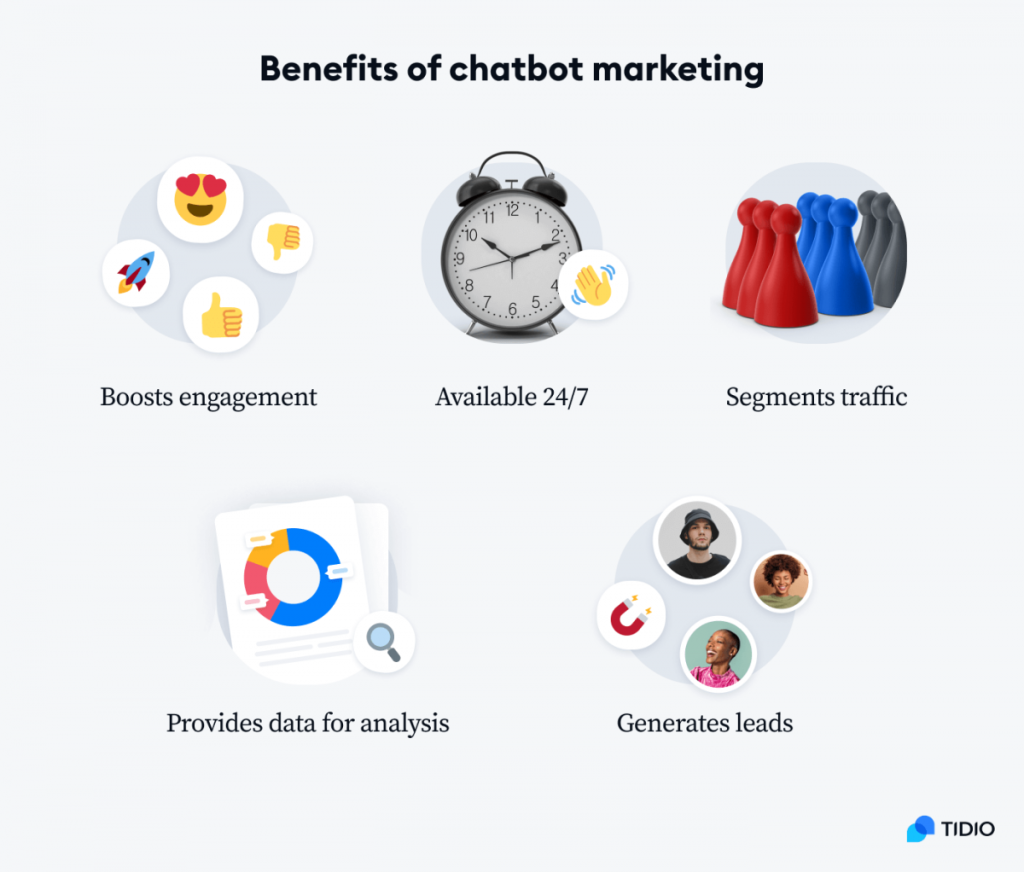
Chatbots use AI to simulate human conversation, providing immediate responses to customer inquiries. They operate 24/7, ensuring constant engagement and support. Businesses can integrate chatbots into websites, social media, and messaging apps. This improves customer service efficiency and reduces operational costs.
Chatbots also collect valuable data on customer preferences and behavior. This data helps in personalizing marketing strategies and tailoring offers. The automation of routine tasks allows human employees to focus on more complex issues. Overall, chatbot marketing is a powerful tool for enhancing customer interaction and boosting sales.
Credit: wedevs.com
Introduction To Chatbot Marketing
Chatbot marketing is a powerful tool for businesses. It helps automate customer interactions and improve user experience. Chatbots can be used on websites, social media, and messaging apps. This makes them versatile and effective for various marketing strategies.
What Is Chatbot Marketing?
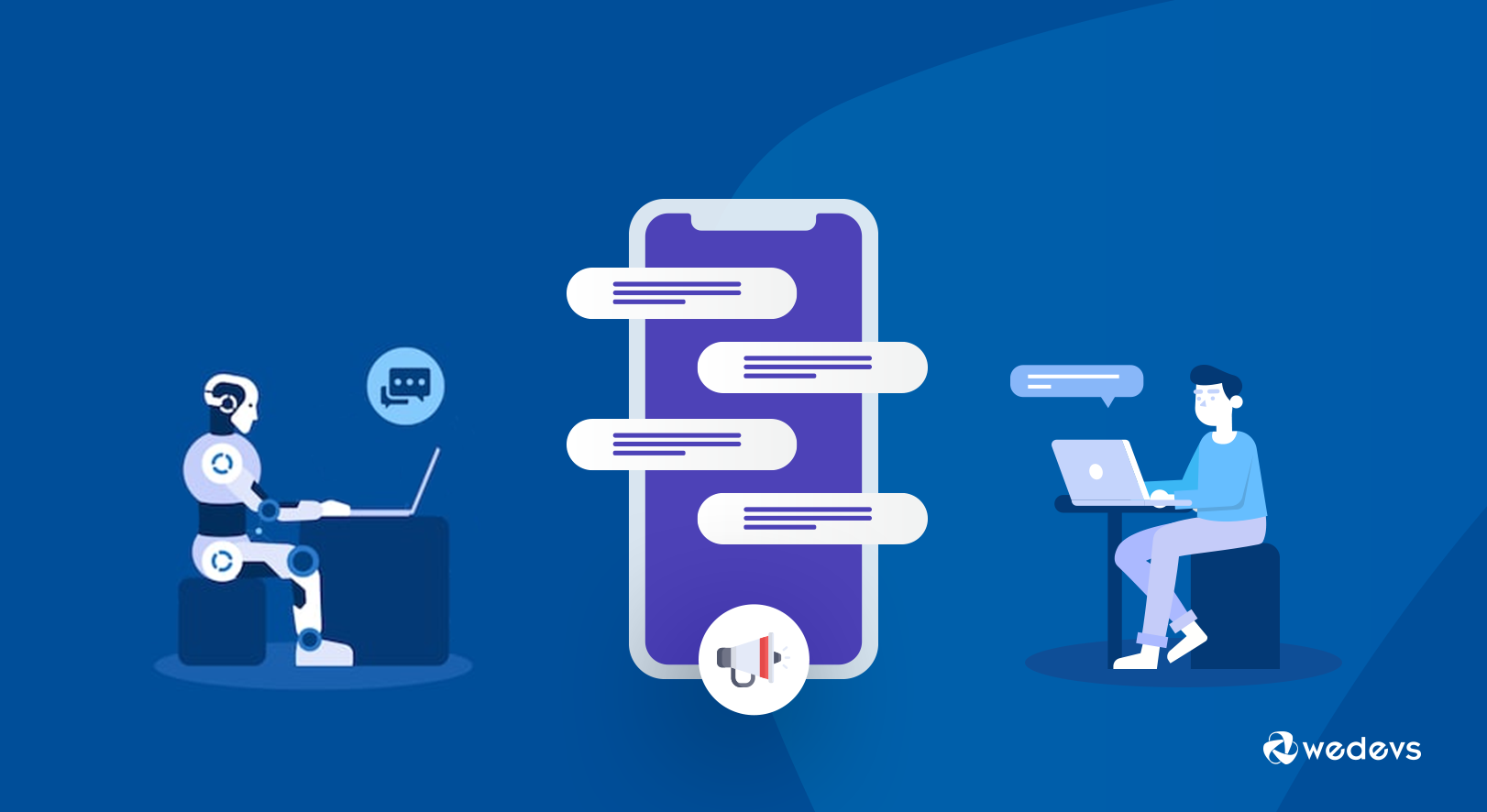
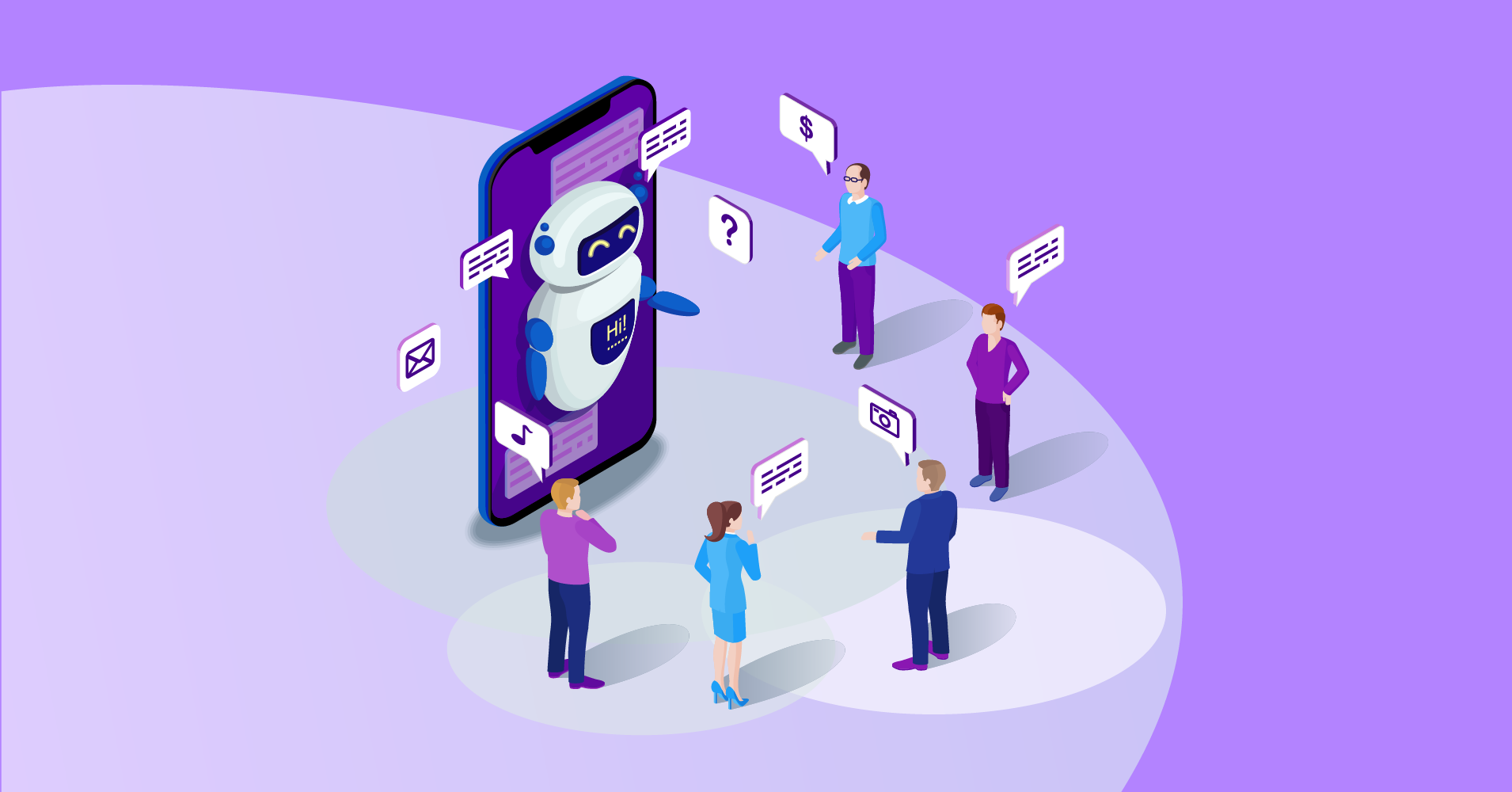
Chatbot marketing involves using chatbots to promote products or services. These bots interact with customers through automated conversations. They can answer questions, provide information, and even complete sales. Chatbots work 24/7, ensuring constant customer support.
Here are some key benefits of chatbot marketing:
- Improved customer engagement: Chatbots offer instant responses to queries.
- Cost-effective: Reduces the need for human customer service reps.
- Personalization: Bots can tailor interactions based on user data.
- Lead generation: Collects valuable customer information for marketing.
Evolution Of Chatbots
The evolution of chatbots has been remarkable. Early chatbots were simple and rule-based. They could only respond to specific commands. Modern chatbots use artificial intelligence (AI) and machine learning (ML). This allows them to understand natural language and provide more accurate responses.
Here is a brief timeline of chatbot evolution:
| Year | Milestone |
|---|---|
| 1966 | ELIZA, the first chatbot, was created. |
| 1995 | ALICE chatbot introduced with improved conversational abilities. |
| 2010 | Siri launched as a voice-activated assistant. |
| 2016 | Chatbots became popular on messaging platforms like Facebook Messenger. |
| 2020 | AI-powered chatbots with advanced NLP capabilities emerged. |
Modern chatbots can perform a wide range of tasks. They can schedule appointments, provide customer support, and even entertain users. Businesses use them to enhance customer experiences and drive sales.
Benefits Of Chatbot Marketing
Chatbot marketing has transformed the way businesses interact with customers. It offers multiple benefits that enhance user experience and boost customer satisfaction.
24/7 Customer Support
Chatbots offer 24/7 customer support. This means customers get help any time of day. No more waiting for business hours. Immediate responses increase customer satisfaction. Businesses can handle more queries efficiently.
- Always available
- Immediate responses
- Handles multiple queries
Providing round-the-clock support helps businesses build trust. Customers feel valued and cared for.
Personalized User Experience
Chatbots can offer a personalized user experience. They remember user preferences and past interactions. This creates a tailored experience for each user. Personalized recommendations lead to better user engagement.
| Feature | Benefit |
|---|---|
| Remember Preferences | Tailored Interactions |
| Analyze Behavior | Customized Offers |
| Engage Users | Higher Satisfaction |
Personalized experiences make users feel special. This leads to improved customer loyalty.
Types Of Chatbots
Chatbot marketing is transforming how businesses engage with customers. Chatbots can handle numerous tasks efficiently. Knowing the types of chatbots is crucial. This knowledge helps in choosing the right one for your business. Let’s explore the primary types of chatbots.
Rule-based Chatbots
Rule-Based Chatbots are also known as decision-tree bots. These bots follow a pre-defined set of rules. Users select options from a list of choices. The chatbot responds based on the selected options.
Rule-based chatbots are easy to create. They do not need advanced programming. They are suitable for simple tasks. Below is a table showing their key features:
| Feature | Description |
|---|---|
| Ease of Setup | Simple and quick to set up |
| Responses | Pre-determined and limited |
| Use Case | Frequently asked questions |
Rule-based chatbots are cost-effective. They work well for straightforward queries. They are not suitable for complex interactions.
Ai-powered Chatbots
AI-Powered Chatbots are more advanced. They use artificial intelligence to understand user input. These chatbots learn from interactions. They improve over time.
AI-powered chatbots can handle complex tasks. They provide personalized responses. Below are their main features:
- Natural language processing (NLP)
- Machine learning capabilities
- Adaptability and continuous improvement
These chatbots offer a better user experience. They understand context and intent. They can handle a wider range of queries.
AI-powered chatbots are more expensive. They require more resources to set up. They are ideal for businesses with diverse customer needs.
Implementing Chatbots In Business
Chatbot marketing is transforming how businesses interact with customers. Implementing chatbots can enhance customer experience and boost efficiency. This section covers the essentials of integrating chatbots into your business operations.
Choosing The Right Platform
Selecting the appropriate platform is crucial for chatbot success. Different platforms offer unique features. Here’s a table to help you decide:
| Platform | Key Features | Best For |
|---|---|---|
| Facebook Messenger | Wide reach, integration with Facebook ads | Customer support, sales |
| Slack | Team collaboration, easy integration | Internal team communication |
| Personalized messages, secure | Direct customer interaction |
Consider your audience and goals before choosing a platform. Customer support chatbots work well on Facebook Messenger. Team collaboration chatbots are best on Slack.
Integrating With Existing Systems
Integrating chatbots with existing systems enhances functionality. It streamlines processes and improves data flow.
- Connect your chatbot to your CRM system. This helps track customer interactions.
- Integrate with your inventory management system. This allows real-time stock updates.
- Sync with your email marketing tools. This can automate follow-up messages.
Integration ensures chatbots work seamlessly within your business. It enhances the overall customer experience.
Best Practices For Chatbot Marketing
Chatbot marketing is a powerful tool for engaging customers. Following best practices ensures your chatbot delivers value. Here are key strategies to optimize your chatbot marketing efforts.
Crafting Engaging Conversations
Engaging conversations keep users interested. Use short, simple sentences. Ask questions to involve users. For example:
| Bot Message | Example |
|---|---|
| Greeting | Hello! How can I help you today? |
| Question | Do you need help with your order? |
Personalize conversations by using the user’s name. This makes interactions feel more human. Avoid technical jargon. Use language that is easy for everyone to understand.
Regularly Updating Content
Keep your chatbot content fresh. Regular updates ensure relevance. Update FAQs, product details, and promotions. This keeps users informed and engaged.
- Update product information
- Refresh promotional messages
- Revise FAQs
Monitor user interactions to identify common questions. Use this data to update your chatbot’s responses. This helps in providing accurate information quickly. Keeping content current enhances user experience and trust.
Measuring Chatbot Success
Understanding the success of your chatbot is essential. This helps you improve user experience and achieve business goals. The right metrics can show how well your chatbot performs. This section dives into the key indicators and user feedback analysis.
Key Performance Indicators
Key Performance Indicators (KPIs) are crucial for measuring chatbot success. They help track performance and identify areas for improvement. Here are some important KPIs to consider:
- Engagement Rate: Measures user interaction with the chatbot.
- Resolution Rate: The percentage of user queries resolved by the chatbot.
- Response Time: How quickly the chatbot responds to user messages.
- User Retention: Tracks how many users return to use the chatbot again.
- Conversion Rate: Measures how many interactions lead to desired actions.
| KPI | Description |
|---|---|
| Engagement Rate | Percentage of users interacting with the chatbot. |
| Resolution Rate | Percentage of resolved queries by the chatbot. |
| Response Time | Average time taken to respond to user queries. |
| User Retention | Percentage of users returning to the chatbot. |
| Conversion Rate | Percentage of interactions leading to a conversion. |
Analyzing User Feedback
Analyzing user feedback is vital for chatbot success. It provides insights into user satisfaction and areas needing improvement. Here are some methods to gather and analyze feedback:
- Surveys: Conduct short surveys after interactions to gauge satisfaction.
- Chat Transcripts: Review chat logs to identify common issues.
- User Ratings: Allow users to rate their experience with the chatbot.
- Direct Feedback: Encourage users to leave comments about their experience.
Using this feedback can help refine your chatbot. You can enhance its responses and improve user satisfaction.
Case Studies Of Successful Chatbot Campaigns
Chatbots are changing the way businesses interact with customers. They improve customer engagement and streamline operations. Let’s explore some successful chatbot campaigns in different industries.
E-commerce Industry
The e-commerce industry benefits greatly from chatbots. They help in customer service and sales. Let’s look at a few examples:
| Company | Campaign Details | Results |
|---|---|---|
| HM | H&M used chatbots to help customers find outfits. The chatbot asked questions about style preferences and recommended products. | Increased engagement and a 20% boost in sales. |
| Sephora | Sephora’s chatbot offered product recommendations and tutorials. It also allowed users to book in-store appointments. | Higher conversion rates and improved customer satisfaction. |
Healthcare Industry
Chatbots in healthcare provide instant support to patients. They assist with information and appointment scheduling. Let’s review some cases:
- Mayo Clinic – Their chatbot offers symptom checks and medical advice. It uses AI to understand patient concerns.
- Florence – This chatbot acts as a personal health assistant. It reminds patients to take medication and monitors health metrics.
These chatbots have reduced wait times and improved patient care. They offer personalized assistance and make healthcare more accessible.
Credit: wpmanageninja.com
Future Of Chatbot Marketing
The future of chatbot marketing is promising and transformative. Chatbots are evolving with advancements in technology. Businesses are adopting them rapidly for better customer interactions. Let’s explore the potential of chatbot marketing and what lies ahead.
Advancements In Ai
Artificial Intelligence is the backbone of modern chatbots. With AI, chatbots can understand and respond more accurately. AI advancements allow chatbots to learn from each interaction. This learning improves their performance over time.
Chatbots can now handle complex queries. They provide personalized responses and offer tailored recommendations. Enhanced Natural Language Processing (NLP) capabilities make this possible. AI-driven chatbots can recognize emotions and intent, creating a better user experience.
Emerging Trends
The world of chatbot marketing is changing rapidly. Here are some emerging trends:
- Voice-Activated Chatbots: These chatbots use voice recognition. They provide a hands-free user experience.
- Multilingual Support: Chatbots now communicate in multiple languages. This helps businesses reach a global audience.
- Integration with Social Media: Chatbots are increasingly integrated with social media platforms. They engage customers on their preferred channels.
- Chatbot Analytics: Advanced analytics track chatbot performance. Businesses can use these insights to improve customer service.
Another trend is the use of chatbots in e-commerce. They assist customers in shopping, offering product suggestions. This improves the shopping experience and increases sales.
| Trend | Description |
|---|---|
| Voice-Activated Chatbots | Chatbots using voice recognition for interaction. |
| Multilingual Support | Chatbots communicating in various languages. |
| Integration with Social Media | Chatbots engaging users on social platforms. |
| Chatbot Analytics | Tracking and improving chatbot performance. |
In the realm of chatbot marketing, staying updated is crucial. Businesses must adapt to these trends for success.
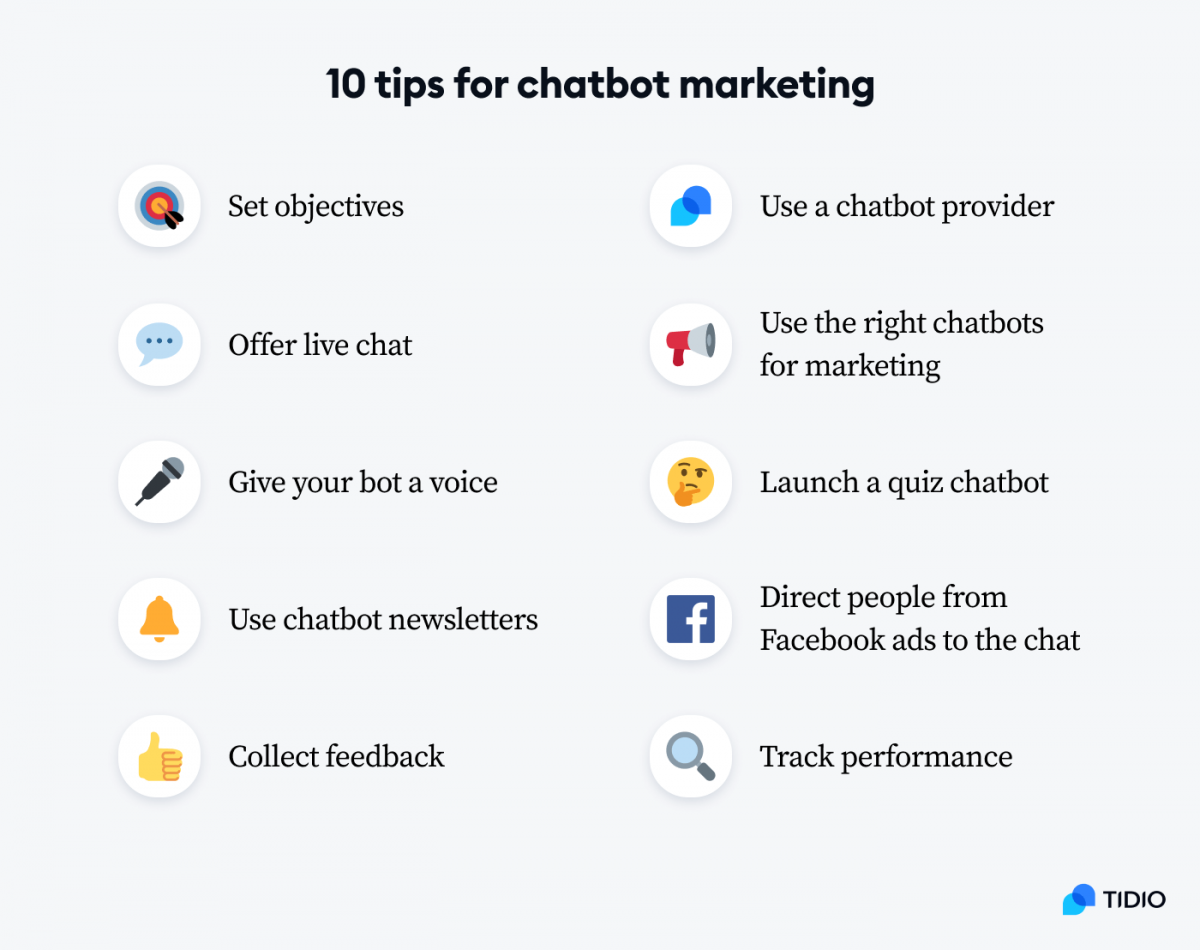
Credit: www.tidio.com
Frequently Asked Questions
What Is Chatbot Marketing?
Chatbot marketing involves using chatbots to engage customers and promote products. It’s an automated way to interact with users. Chatbots can answer questions, provide information, and assist with transactions.
How Do Chatbots Improve Customer Engagement?
Chatbots improve customer engagement by providing instant responses to queries. They offer personalized interactions and are available 24/7. This leads to higher satisfaction and loyalty.
Can Chatbots Increase Sales?
Yes, chatbots can increase sales by guiding customers through the buying process. They can recommend products, answer questions, and facilitate quick purchases.
Are Chatbots Cost-effective For Businesses?
Chatbots are cost-effective as they reduce the need for human agents. They handle multiple inquiries simultaneously, saving time and resources.
Conclusion
Chatbot marketing offers immense potential for businesses. It enhances customer engagement and streamlines operations. By leveraging chatbots, brands can provide instant support and personalized experiences. Stay ahead of the competition by integrating chatbot solutions. Embrace this technology to boost your marketing efforts and drive growth.
Start your chatbot marketing journey today.