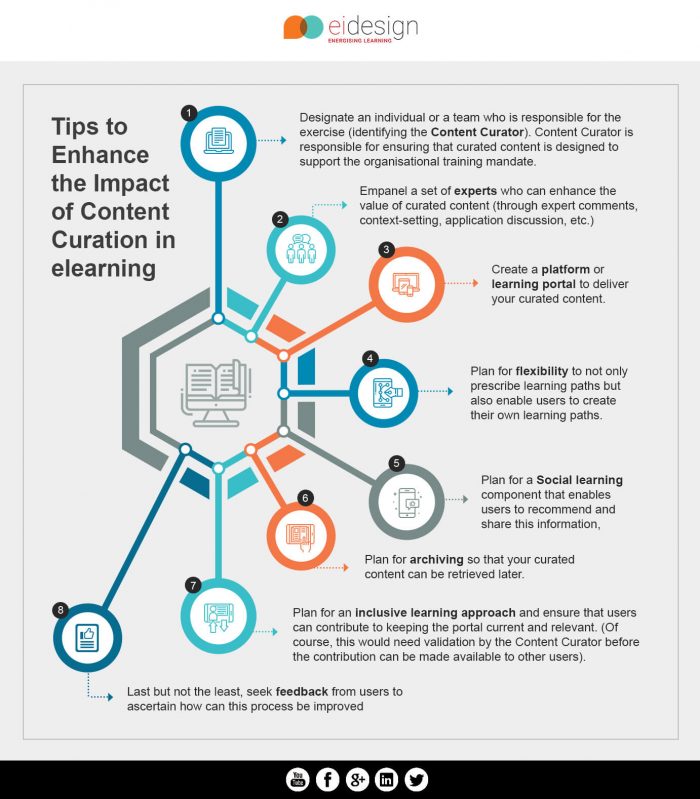
Curate content by selecting high-quality, relevant sources and organizing them logically. Always add your unique perspective to enhance value.
Content curation involves gathering, organizing, and sharing relevant information on a specific topic. It’s crucial for businesses and individuals to stay updated with industry trends and provide valuable insights to their audience. Curating content effectively not only saves time but also establishes you as an authority in your field.
Consistently sharing well-curated content can boost engagement, drive traffic, and improve your SEO rankings. Always prioritize quality over quantity, ensuring the information is accurate and up-to-date. Remember to give credit to original sources and add your unique viewpoint to make the content more engaging and informative.
Introduction To Content Curation
Content curation involves gathering relevant information from various sources. It helps in presenting the best and most relevant content to your audience. This practice saves time and provides value to your readers.
Why Content Curation Matters
Content curation is essential for several reasons:
- It helps build a loyal audience.
- It provides valuable information regularly.
- It establishes you as a thought leader.
Curated content keeps your audience engaged and informed. It ensures your website remains a trusted resource. Consistent content curation can boost your site’s SEO ranking.
Benefits For Engagement
Curating content offers many engagement benefits:
| Benefit | Description |
|---|---|
| Increased Traffic | Well-curated content attracts more visitors. |
| Higher Engagement | Readers interact more with valuable content. |
| Improved Retention | Quality content keeps readers coming back. |
Curated content encourages social sharing and interaction. It also helps in building a community around your brand. Readers appreciate the effort to provide high-quality content.

Credit: www.constantcontact.com
Identifying Quality Sources
Identifying quality sources is crucial for successful content curation. Quality sources ensure that the information shared is accurate, relevant, and trustworthy. This not only builds credibility but also enhances the value of the curated content.
Finding Reliable Content
To curate excellent content, start by finding reliable sources. Reliable sources are known for their accuracy and trustworthiness. Use these tips to discover such sources:
- Follow reputable publications in your niche.
- Subscribe to industry-specific newsletters.
- Join professional groups on social media.
Use tools like Feedly or Pocket to organize and track these sources. These tools help you stay updated with the latest content from your chosen sources.
Evaluating Credibility
Once you find potential sources, you need to evaluate their credibility. Credibility ensures that the information is both accurate and reliable. Here are some steps to evaluate credibility:
- Check the author’s credentials. Are they an expert in the field?
- Examine the publication date. Is the content current and relevant?
- Look for citations and references. Quality sources often cite their information.
Use the following table to quickly assess a source’s credibility:
| Criteria | Questions to Ask |
|---|---|
| Author | Is the author an expert? Do they have a strong background? |
| Date | Is the information up-to-date? |
| Citations | Does the source provide references or citations? |
By following these steps, you can ensure that your curated content is of high quality. This will help you build trust with your audience and provide them with valuable information.
Tools For Content Curation
Content curation requires the right tools to be efficient. The right tools help streamline the process. They save time and improve the quality of curated content. Below are some essential tools for content curation.
Automation Tools
Automation tools simplify the curation process. They help find and share content easily. Here are some popular automation tools:
- Feedly: Feedly organizes and reads content in one place.
- Buffer: Buffer schedules and shares content across social media.
- Hootsuite: Hootsuite manages multiple social media accounts.
These tools make content curation faster. They also ensure consistent posting schedules.
Bookmarking Tools
Bookmarking tools save and organize content for future reference. They help keep track of valuable resources. Here are some effective bookmarking tools:
- Pocket: Pocket saves articles, videos, and web pages for later.
- Evernote: Evernote captures and organizes notes and web clippings.
- Diigo: Diigo bookmarks, annotates, and shares online content.
These tools ensure easy access to saved content. They help in organizing resources efficiently.
| Tool | Purpose | Key Features |
|---|---|---|
| Feedly | Automation | Organizes and reads content |
| Buffer | Automation | Schedules social media posts |
| Hootsuite | Automation | Manages social media accounts |
| Bookmarking | Saves articles and videos | |
| Evernote | Bookmarking | Captures notes and clippings |
| Diigo | Bookmarking | Bookmarks and annotates content |
Using these tools will enhance your content curation efforts. They make the process more efficient and organized.
Organizing Curated Content
Organizing curated content can be a game-changer for content managers. Proper organization enhances readability and user engagement. It also ensures your audience finds what they need quickly.
Categorizing Topics
Categorizing topics is essential for streamlined content management. Start by identifying core themes relevant to your audience. Use broad categories first, then create subcategories.
- Health
- Technology
- Business
- Entertainment
Subcategories help in further narrowing down the information. For example:
| Main Category | Subcategory |
|---|---|
| Health | Nutrition |
| Technology | Gadgets |
| Business | Startups |
| Entertainment | Movies |
Creating A Content Calendar
Creating a content calendar helps in scheduling and tracking curated content. A well-planned calendar ensures regular updates and maintains audience interest.
- Plan monthly themes.
- Assign content to specific dates.
- Use tools like Google Calendar or Trello.
Here’s a simple example:
| Date | Content Type | Category |
|---|---|---|
| 1st | Blog Post | Health |
| 5th | Infographic | Technology |
| 10th | Video | Business |
| 15th | Podcast | Entertainment |
Regularly review and update your calendar. This keeps your content relevant and timely.
Adding Personal Insights
Adding personal insights to curated content transforms it into a unique piece. It shows your voice and expertise. This practice engages your audience more deeply. It also helps in building trust and loyalty. Below, find tips on how to add personal insights effectively.
Commentary And Opinions
Commentary and opinions add depth to curated content. They give a new perspective. Share your thoughts on the content. Explain why you agree or disagree. This makes the content more relatable.
Use short sentences to keep it simple. Be honest and transparent. Your audience will value your authenticity. Do not just summarize the content. Add your unique viewpoint.
- Explain why the content is valuable.
- Highlight the key takeaways.
- Share your personal experiences related to the topic.
Connecting With Your Audience
Connecting with your audience is crucial. Use personal insights to build a connection. Ask questions to engage them. Encourage comments and discussions. This makes your audience feel involved.
Show empathy in your insights. Understand their pain points. Offer solutions and advice. This builds trust and loyalty. Your audience will keep coming back for more.
| Tip | Benefit |
|---|---|
| Ask questions | Increases engagement |
| Share personal stories | Makes content relatable |
| Be transparent | Builds trust |
Sharing Curated Content
Sharing curated content is an art. You need to find the right platforms and optimal times to share it. This ensures your audience engages with your content effectively.
Best Platforms For Sharing
Choosing the right platform is key. Here are some of the best platforms:
- Facebook: Great for community engagement and wide reach.
- Twitter: Ideal for real-time updates and trending topics.
- LinkedIn: Perfect for professional and B2B content.
- Instagram: Excellent for visual content and younger audiences.
- Pinterest: Best for niche interests and DIY projects.
Optimal Posting Times
Knowing when to post is crucial. Here is a table for optimal times:
| Platform | Best Times |
|---|---|
| 1-3 PM, Thursday – Sunday | |
| 12-1 PM, weekdays | |
| 7-9 AM, weekdays | |
| 11 AM – 1 PM, weekdays | |
| 8-11 PM, weekends |
Following these tips helps your content reach more people. It also increases engagement and visibility.
Measuring Engagement
Engagement metrics help you understand your audience’s interaction with your content. Tracking these metrics lets you see what works and what needs change. Using this data, you can improve your content curation strategies.
Tracking Metrics
Tracking metrics is crucial for understanding audience engagement. Some important metrics include:
- Page Views: The number of times your content is viewed.
- Time on Page: How long users spend on your page.
- Bounce Rate: The percentage of visitors who leave after viewing one page.
- Shares: How often your content is shared on social media.
- Comments: The number of comments your content receives.
Using tools like Google Analytics can make tracking these metrics easier.
Adjusting Strategies
Once you have your metrics, it’s time to adjust your strategies. Here are some tips:
- Analyze Data: Look at the metrics to see what content performs well.
- Identify Patterns: Notice any trends in the data. For example, does video content get more views?
- Experiment: Try different types of content and see how your audience reacts.
- Optimize: Use your findings to improve your content. If short posts perform better, create more short posts.
Adjusting your strategies based on data helps you keep your audience engaged.
Here’s a quick summary of key engagement metrics in a table:
| Metric | Description |
|---|---|
| Page Views | Number of times your content is viewed. |
| Time on Page | How long users stay on your page. |
| Bounce Rate | Percentage of visitors who leave after one page. |
| Shares | How often content is shared on social media. |
| Comments | Number of comments received. |

Credit: contentmarketinginstitute.com
Maintaining Consistency
Consistency is key to successful content curation. It keeps your audience engaged and builds trust. By maintaining a regular schedule, you can ensure that your content delivery remains steady. This requires careful planning and staying updated with current trends.
Scheduling Content
Scheduling your content ensures that your posts go out on time. It helps you maintain a steady flow of information. Here are some tips for scheduling content:
- Use a content calendar to plan your posts.
- Set specific days and times for posting.
- Utilize scheduling tools like Hootsuite or Buffer.
Consistency in your posting schedule builds anticipation among your audience. They will look forward to your updates.
Staying Updated
Staying updated with the latest trends is crucial. It ensures your content remains relevant and valuable. Consider the following strategies:
- Follow industry leaders and influencers.
- Subscribe to relevant newsletters and blogs.
- Use tools like Feedly to aggregate news sources.
Being up-to-date helps you curate content that resonates with your audience. It shows that you are knowledgeable and reliable.
| Task | Tool |
|---|---|
| Schedule Posts | Hootsuite, Buffer |
| Stay Updated | Feedly, Google Alerts |
By following these tips, you can maintain consistency in your content curation. This leads to a more engaged and loyal audience.

Credit: www.contentpowered.com
Frequently Asked Questions
What Is Content Curation?
Content curation is the process of gathering, organizing, and sharing relevant information from various sources. It helps save time and provides valuable insights.
Why Is Content Curation Important?
Content curation is important because it helps filter out noise, provides valuable content to your audience, and establishes authority in your niche.
How Can I Curate Content Effectively?
To curate content effectively, identify your audience’s interests, use reliable sources, and add your insights. Consistency and engagement are key.
What Tools Assist With Content Curation?
Tools like Feedly, Pocket, and Scoop. it can help streamline content curation. They aggregate content and make it easier to organize and share.
Conclusion
Mastering content curation can boost your online presence. Use these tips to engage your audience effectively. Stay consistent and authentic. Always focus on quality over quantity. Keep your audience’s interests in mind. With practice, you’ll become a trusted source in your niche.
Start curating today and see the difference!