
Mobile marketing trends are evolving rapidly, focusing on personalization and immersive experiences. Brands increasingly leverage AI, AR, and voice search.
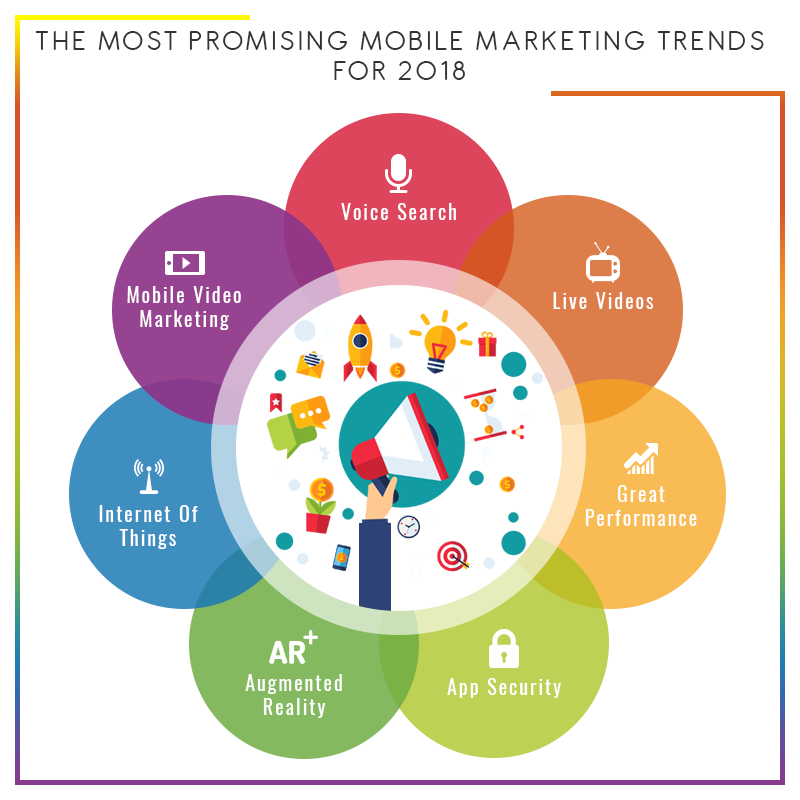
Mobile marketing is witnessing a transformation with new technologies and strategies. Personalization has become crucial, with brands tailoring content to individual preferences. Artificial Intelligence (AI) plays a significant role in analyzing user behavior and predicting trends. Augmented Reality (AR) offers immersive experiences, enhancing user engagement and interaction.
Voice search is gaining popularity, driven by smart devices and virtual assistants. These trends emphasize the importance of adapting to user needs and technological advancements. Businesses must stay updated to remain competitive in the ever-changing mobile landscape. Understanding these trends can help brands create effective marketing strategies, ensuring higher user engagement and conversion rates.
Rise Of Ai In Mobile Marketing
The world of mobile marketing is evolving rapidly. One significant change is the integration of artificial intelligence (AI). AI is transforming how businesses interact with users on mobile devices. This advancement enables marketers to create more personalized and efficient campaigns.
Personalized User Experience
AI allows for a highly personalized user experience. It analyzes user behavior and preferences in real-time. This helps in delivering content that matches individual interests.
Here are some ways AI personalizes user experience:
- Customized product recommendations
- Tailored push notifications
- Dynamic in-app messaging
For example, an AI can suggest products based on browsing history. This increases the chances of a purchase. Tailored push notifications can remind users of items left in their cart. Dynamic in-app messaging engages users with relevant content.
Ai-powered Analytics
AI-powered analytics provide deeper insights into user behavior. These insights help in making data-driven decisions. Marketers can understand which campaigns are effective and which are not.
Key benefits of AI-powered analytics include:
- Real-time data analysis
- Predictive analytics
- Enhanced reporting
Real-time data analysis allows for quick adjustments to marketing strategies. Predictive analytics forecast future trends and user actions. Enhanced reporting offers detailed insights into campaign performance.
Here is a table summarizing the key benefits:
| Benefit | Description |
|---|---|
| Real-time data analysis | Allows quick adjustments to strategies |
| Predictive analytics | Forecasts future trends and user actions |
| Enhanced reporting | Provides detailed insights into campaign performance |
Using AI in mobile marketing can significantly improve user engagement. It makes campaigns more relevant and effective. AI is a game-changer in the world of mobile marketing.
5g Technology Impact
The advent of 5G technology is revolutionizing the landscape of mobile marketing. The unprecedented speed and connectivity of 5G are transforming how users interact with mobile devices. Let’s explore the profound impact of 5G technology on mobile marketing trends.
Enhanced Mobile Experiences
With 5G, users enjoy enhanced mobile experiences. The fast and reliable connections enable high-quality video streaming without buffering. Augmented Reality (AR) and Virtual Reality (VR) become more immersive and engaging. Users can experience real-time interactions with minimal latency.
- High-quality video streaming
- Immersive AR and VR experiences
- Real-time interactions
5G also supports more connected devices. This includes smart homes, wearable technology, and IoT gadgets. These devices communicate seamlessly, offering a unified user experience.
Faster Data Transfer
5G technology allows for faster data transfer. This means quicker downloads and uploads. Websites and apps load almost instantly, enhancing user satisfaction.
Mobile marketers can leverage this speed for more dynamic and interactive content. Real-time analytics and feedback become possible, helping to refine marketing strategies instantly.
| Benefit | Impact |
|---|---|
| Quicker downloads | Improved user satisfaction |
| Instant app loading | Seamless browsing experience |
| Real-time analytics | Refined marketing strategies |
In summary, the 5G technology impact is significant. It offers faster connections, enhanced experiences, and real-time data processing. Mobile marketing will never be the same.
Influencer Marketing Evolution
The world of influencer marketing has changed rapidly. Brands now look beyond traditional influencers. They seek more authentic connections. This shift has given rise to new trends. Let’s explore the evolution of influencer marketing.
Micro-influencers
Micro-influencers are individuals with 1,000 to 100,000 followers. They are more relatable and have higher engagement rates. Brands prefer them due to their loyal audience. Their recommendations often feel more genuine.
| Micro-Influencer | Follower Range | Engagement Rate |
|---|---|---|
| John Doe | 10,000 | 8% |
| Jane Smith | 50,000 | 7.5% |
Micro-influencers can be more cost-effective for brands. They offer better ROI compared to mega-influencers. Brands can work with multiple micro-influencers for diverse reach.
Authenticity And Trust
Today’s consumers value authenticity and trust above all. They can spot fake endorsements easily. Genuine influencers build a trustworthy relationship with their audience. This makes their recommendations more impactful.
Brands must ensure that their collaborations feel real. They should avoid overly scripted content. Influencers should have the freedom to express their true opinions. This authenticity can drive better engagement and loyalty.
Key points to remember:
- Choose influencers who align with your brand values.
- Focus on long-term partnerships instead of one-off campaigns.
- Let influencers create content in their unique style.
Authentic and trusted influencers can boost your brand’s credibility. They can help you connect with your audience on a deeper level.
Credit: www.promaticsindia.com
Augmented Reality Campaigns
In the fast-paced world of mobile marketing, Augmented Reality Campaigns are emerging as game-changers. These campaigns blend the physical and digital worlds. They offer users interactive experiences, enhancing engagement and conversion rates.
Interactive Ads
Interactive Ads using augmented reality capture users’ attention. These ads allow users to interact with products in a virtual environment. Imagine pointing your phone at a product and seeing it come to life. Users can explore features, colors, and functionalities.
Brands can use these ads to:
- Showcase new products
- Provide immersive experiences
- Boost engagement
These ads make marketing fun and memorable. They stand out in a crowded digital space.
Virtual Try-ons
Virtual Try-Ons are revolutionizing the way consumers shop online. These features allow users to try products virtually. Users can see how clothes, accessories, or makeup look on them before buying.
Benefits of Virtual Try-Ons include:
| Benefit | Description |
|---|---|
| Convenience | Try from home |
| Confidence | See the fit and look |
| Engagement | Interactive and fun |
Brands can reduce return rates and enhance customer satisfaction. Shoppers enjoy a seamless and engaging experience.
In summary, Augmented Reality Campaigns offer exciting opportunities for mobile marketing. They create immersive and interactive experiences for users.
Voice Search Optimization
Voice search is a rising trend in mobile marketing. People use voice assistants like Siri and Alexa daily. Optimizing for voice search can boost your visibility and engagement.
Voice-activated Shopping
Voice-activated shopping is growing fast. More people use voice commands to shop online. Convenience drives this trend. Users can order products hands-free. Retailers need to adapt. Optimize your listings for voice search. Make sure your product descriptions are clear and concise.
- Use natural language
- Focus on long-tail keywords
- Ensure listings are detailed yet simple
Seo For Voice Search
SEO for voice search differs from traditional SEO. Voice queries are more conversational. They often include questions. Optimize your content to answer these questions. Use structured data to help search engines understand your content better.
Here are key strategies:
- Use Question-Based Keywords: Identify common questions related to your niche.
- Focus on Local SEO: Voice searches often seek local information. Ensure your local listings are accurate.
- Improve Site Speed: Fast-loading sites rank better. Optimize images and minimize code.
| Traditional SEO | Voice Search SEO |
|---|---|
| Short-tail keywords | Long-tail keywords |
| Text-based queries | Conversational queries |
| Desktop and mobile | Mobile and smart devices |
Credit: www.gms.net
Privacy And Data Security
Privacy and data security are critical in mobile marketing. Users want their personal information safe. Marketers must stay updated with the latest trends.
User Consent
User consent is crucial for data collection. Apps must ask users before collecting data. This builds trust. Without consent, users may feel their privacy is invaded.
Here are key practices for gaining user consent:
- Clear consent forms
- Opt-in options for data sharing
- Easy-to-understand privacy policies
These practices help in maintaining user trust and comply with regulations.
Data Encryption
Data encryption ensures user data is safe during transmission and storage. Encrypted data is hard to access without a key. This protects against unauthorized access.
Key encryption methods include:
- SSL/TLS for data in transit
- AES encryption for stored data
- End-to-end encryption for messages
Using these methods, marketers can safeguard user data effectively.
Social Commerce Growth
Social Commerce Growth has been a significant trend in mobile marketing. Businesses leverage social media platforms to drive sales. Social commerce combines social media and online shopping, creating a seamless experience for users. This trend has revolutionized the way consumers shop online, making it easier and more engaging.
In-app Purchases
In-app purchases are crucial for mobile marketing. Users buy products directly within an app. This convenience boosts sales and user engagement. Popular social media platforms support in-app purchases. These platforms include Facebook, Instagram, and TikTok.
Here are the benefits of in-app purchases:
- Seamless Shopping Experience: Users stay within the app to complete purchases.
- Increased User Engagement: Engaging content keeps users coming back.
- Higher Conversion Rates: Easy checkout processes lead to more sales.
Shoppable Posts
Shoppable posts are transforming social media marketing. They allow users to buy products directly from posts. This feature is available on Instagram, Pinterest, and Facebook. Shoppable posts make it easier for businesses to showcase their products.
Key advantages of shoppable posts:
- Enhanced User Experience: Users can shop without leaving the platform.
- Visual Appeal: High-quality images attract more buyers.
- Increased Sales: Direct shopping links boost purchase rates.
Here’s a table comparing in-app purchases and shoppable posts:
| Feature | In-App Purchases | Shoppable Posts |
|---|---|---|
| User Experience | Seamless within the app | Seamless within the post |
| Platforms | Facebook, Instagram, TikTok | Instagram, Pinterest, Facebook |
| Engagement | High due to in-app features | High due to visual appeal |
Both in-app purchases and shoppable posts drive sales. They provide a seamless shopping experience and increase user engagement. Businesses should leverage these trends to stay competitive.
Credit: rplg.io
Video Content Dominance
Video content is taking over mobile marketing. It engages users faster and keeps them on the app longer. With mobile devices becoming more powerful, people watch more videos. This trend is shaping the future of mobile marketing.
Short-form Videos
Short-form videos are quick, fun, and engaging. They are perfect for mobile users who have little time. Platforms like TikTok and Instagram Reels are growing fast. These videos usually last between 15 to 60 seconds.
Brands use short-form videos to share quick updates, behind-the-scenes content, and product demos. They are effective because they grab attention quickly. Short-form videos are easy to create and share, making them a favorite for marketers.
| Platform | Video Length |
|---|---|
| TikTok | 15-60 seconds |
| Instagram Reels | 15-30 seconds |
| YouTube Shorts | up to 60 seconds |
Live Streaming
Live streaming allows real-time interaction with the audience. It makes users feel more connected to brands. Platforms like Facebook Live, Instagram Live, and YouTube Live are popular choices.
Brands use live streaming for product launches, Q&A sessions, and special events. Live streams can create a sense of urgency and excitement. Viewers can ask questions and get instant answers, which boosts engagement.
- Product launches
- Q&A sessions
- Special events
Integrating live streaming into mobile marketing strategies can drive higher engagement. The real-time nature of live streams makes them more authentic and trustworthy.
Frequently Asked Questions
What Is Mobile Marketing?
Mobile marketing is a strategy that targets users on their mobile devices. It includes SMS, apps, and social media.
Why Is Mobile Marketing Important?
Mobile marketing is crucial because most people use mobile devices. It ensures you reach a broader audience effectively.
What Are The Latest Mobile Marketing Trends?
Latest trends include personalized content, AI chatbots, and augmented reality. These enhance user engagement and experience.
How Can I Improve Mobile Marketing?
Improve mobile marketing by optimizing for speed, using personalized messages, and leveraging social media platforms.
Conclusion
Staying updated with mobile marketing trends is essential for business success. Embrace changes and adapt strategies to stay ahead. The mobile landscape evolves rapidly, so continuous learning and flexibility are key. By leveraging the latest trends, businesses can enhance customer engagement and drive growth.
Stay proactive and make the most of mobile marketing opportunities.