

Branding and identity design create a unique image and personality for a business. They help differentiate a company from competitors.
A strong brand identity is crucial for business success. It involves creating visual and verbal elements that communicate a company’s values and mission. These elements include logos, color schemes, typography, and messaging. Consistent branding builds customer trust and loyalty. It also enhances recognition and recall, making it easier for customers to remember your business.
Effective identity design aligns with your target audience’s preferences and expectations. It creates an emotional connection, influencing purchase decisions. Investing in professional branding and identity design can significantly impact your market presence and overall growth. Ensure your brand stands out by crafting a memorable and cohesive identity.

Credit: looka.com
Introduction To Branding
Understanding branding is essential for any business. It helps shape how your audience perceives your company. A strong brand can set you apart from competitors. This section will explain what branding is and why it matters.
What Is Branding?
Branding is the process of creating a unique image for a company. It includes elements like logos, taglines, and designs. These elements make your business recognizable. Good branding builds trust with your customers. It also conveys your company’s values and mission.
Importance Of Branding
Branding has many benefits. Here are a few key reasons why it is important:
- Recognition: Strong branding makes your business easy to recognize.
- Trust: A consistent brand builds customer trust.
- Customer Loyalty: Good branding can create loyal customers.
- Marketing: Effective branding makes marketing easier.
Let’s break down these benefits in a table:
| Benefit | Explanation |
|---|---|
| Recognition | Helps customers identify your business easily. |
| Trust | A consistent brand fosters trust. |
| Customer Loyalty | Strong brands create loyal customers. |
| Marketing | Effective branding simplifies marketing efforts. |
Investing in branding is crucial for long-term success. It can transform how people perceive your business. Make sure your branding reflects your company’s values.
Elements Of Brand Identity
Brand identity makes your business unique and recognizable. It involves visual elements that represent your brand. These elements create a lasting impression on customers.
The logo is the face of your brand. A well-designed logo is memorable and simple. It should reflect your brand’s values and mission.
- Simplicity: A simple logo is easy to recognize.
- Memorability: A memorable logo sticks in people’s minds.
- Versatility: A versatile logo works in various sizes and formats.
Colors evoke emotions and set the mood. Your color palette should align with your brand’s personality.
| Color | Emotion |
|---|---|
| Red | Excitement |
| Blue | Trust |
| Green | Calm |
Choose a primary color and two to three secondary colors. Ensure they complement each other.
Typography gives your brand a voice. Different fonts convey different messages.
- Serif Fonts: Traditional and reliable.
- Sans-Serif Fonts: Modern and clean.
- Script Fonts: Elegant and personal.
Use one to two primary fonts. Make sure they are readable and consistent across all platforms.
Crafting A Brand Story
Crafting a brand story is essential for building a strong identity. Your story connects with customers emotionally. It sets you apart from competitors. A well-crafted story can drive loyalty and trust.
Core Values
Your core values are the foundation of your brand. They reflect what you stand for. Core values guide your business decisions. They influence how you interact with customers. Here are some examples:
- Integrity
- Innovation
- Customer Satisfaction
- Sustainability
Mission Statement
Your mission statement defines your purpose. It explains why your brand exists. A clear mission statement helps align your team. It also communicates your goals to customers. Consider the following template:
| Component | Description |
|---|---|
| Purpose | Why your brand exists |
| Goals | What you aim to achieve |
| Values | What principles guide you |
Brand Voice
Your brand voice is how you communicate. It reflects your personality. A consistent brand voice builds recognition. Here are some tips:
- Identify your tone (e.g., friendly, professional)
- Use language that resonates with your audience
- Be consistent across all platforms
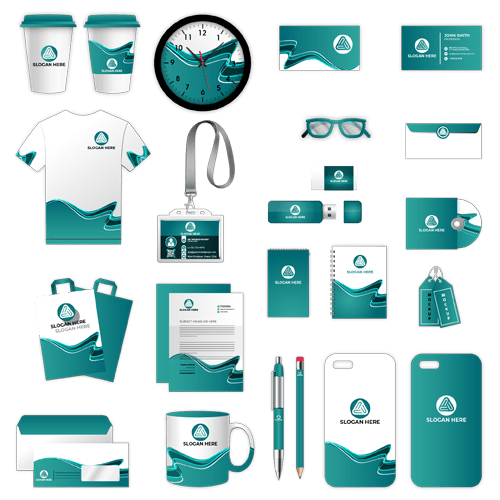
Credit: graphicdesigneye.com
Market Research
Market research forms the backbone of effective branding and identity design. It helps you understand your market and make informed decisions. This process involves studying your target audience and analyzing your competitors.
Target Audience
Understanding your target audience is crucial. Who are your potential customers? What are their needs and preferences?
- Age Group
- Gender
- Location
- Income Level
- Interests
Identify these factors to create a brand that resonates with them. Use surveys, social media, and interviews to gather data. This information helps tailor your message to match their interests.
Competitor Analysis
Competitor analysis helps you understand the market landscape. Study your main competitors. What are they doing well? Where do they fall short?
| Competitor | Strengths | Weaknesses |
|---|---|---|
| Competitor A | Strong social media presence | Poor customer service |
| Competitor B | High-quality products | Expensive pricing |
Analyzing competitors helps you find gaps in the market. You can then position your brand to fill those gaps. This gives you a competitive edge.
Visual Identity
Visual identity is the face of your brand. It reflects your brand’s personality. It helps your audience recognize you instantly. A strong visual identity sets you apart. It includes elements like colors, fonts, and logos. Let’s dive into the key components:
Imagery And Graphics
Imagery and graphics are crucial for visual identity. They convey your brand’s message at a glance. Use high-quality images that reflect your brand values. Custom graphics can make your brand memorable. Ensure consistency across all platforms. This builds trust and recognition.
Graphics should align with your brand’s color scheme. This creates a cohesive look. Avoid using generic stock photos. They can dilute your brand’s uniqueness. Invest in custom illustrations. They add a personal touch to your brand.
Packaging Design
Packaging design is more than just a container. It’s a vital part of visual identity. Good packaging attracts attention and communicates your brand’s story. Use bold colors and clear fonts. This ensures your product stands out on the shelf. Include your logo prominently.
Consider the unboxing experience. A well-designed package can delight customers. Use sustainable materials for an eco-friendly touch. This can enhance your brand’s reputation. Ensure all elements, like labels and tags, match your brand identity.
| Element | Purpose |
|---|---|
| Logo | Brand recognition |
| Color Scheme | Sets brand mood |
| Fonts | Communicates tone |
| Imagery | Visual storytelling |
| Packaging | First impression |
In summary, visual identity shapes how customers see your brand. It’s essential for building a strong brand presence. Pay attention to imagery and packaging. They are key elements that can make or break your brand’s identity.
Consistent Messaging
Consistent messaging is vital in branding and identity design. It builds trust and recognition. A clear and consistent message helps your audience understand your brand. It ensures that all communications reflect your brand’s core values.
In this section, we’ll explore the key elements of consistent messaging:
Taglines And Slogans
Taglines and slogans are powerful tools in branding. They capture the essence of your brand in a few words. A memorable tagline can stick in people’s minds. It helps them recall your brand instantly.
Here are some tips for creating effective taglines and slogans:
- Keep it short and simple: Aim for 5-7 words.
- Be unique: Stand out from the competition.
- Reflect your brand’s values: Ensure it aligns with your mission.
Content Strategy
A strong content strategy is essential for consistent messaging. It ensures that all content aligns with your brand’s voice and values. A well-thought-out content strategy includes:
- Content calendar: Plan your content in advance.
- Brand voice guidelines: Maintain a consistent tone.
- Content pillars: Focus on key themes related to your brand.
By following these steps, you can create a cohesive and engaging content experience. This strengthens your brand’s identity and builds trust with your audience.
Brand Experience
The brand experience is how customers feel about a brand. It includes every interaction they have with the brand. A positive brand experience can create loyal customers. Let’s explore two key aspects: customer interaction and user experience.
Customer Interaction
Customer interaction is the touchpoint between the brand and its customers. These interactions happen in stores, online, or through social media. They shape the customer’s view of the brand.
- Face-to-face interaction: In stores or at events.
- Online communication: Through emails or chat support.
- Social media engagement: Comments, likes, and shares.
Consistent and positive interactions build trust and loyalty. Training staff and using friendly language are key.
User Experience
The user experience (UX) is how easy and pleasant it is to use a brand’s products or services. Good UX leads to happy customers. They are more likely to return and recommend the brand.
- Website design: Easy to navigate and fast loading.
- Product usability: Intuitive and user-friendly.
- Customer support: Quick and helpful responses.
Investing in UX design can set a brand apart from competitors. It shows the brand cares about its customers’ needs.
In summary, both customer interaction and user experience are crucial for a strong brand experience. They help in building a positive perception and fostering customer loyalty.
Evaluating Brand Performance
Understanding how your brand performs is crucial. Evaluating brand performance helps in identifying strengths and weaknesses. It also assists in making informed decisions for future strategies.
Brand Awareness
Brand awareness is the ability of customers to recognize your brand. It is an important metric for measuring brand performance. High brand awareness often translates to increased sales and customer trust.
- Social Media Metrics: Track likes, shares, and mentions.
- Website Traffic: Monitor the number of visitors.
- Search Engine Ranking: Check your position on search engines.
Use tools like Google Analytics for detailed insights. These tools help in tracking user behavior and engagement.
Customer Loyalty
Customer loyalty indicates how often customers return. Loyal customers are essential for sustained growth. They also tend to recommend your brand to others.
| Metric | Description |
|---|---|
| Repeat Purchase Rate | Percentage of customers who buy again. |
| Customer Lifetime Value (CLV) | Total revenue a customer brings over time. |
| Net Promoter Score (NPS) | Measures customer satisfaction and loyalty. |
Focus on creating a great customer experience. Provide excellent customer service and reward loyal customers. This will help in building a strong and loyal customer base.
Rebranding Strategies
Rebranding can breathe new life into your business. It involves changing your brand’s look, feel, and message. Effective rebranding can attract new customers and retain existing ones.
When To Rebrand
Knowing the right time to rebrand is essential. Here are some signs:
- Outdated Image: Your brand looks old-fashioned.
- Market Change: The market has evolved.
- New Audience: You’re targeting a different group.
- Company Growth: Your business has expanded.
Steps For Rebranding
Follow these steps to rebrand effectively:
- Research: Understand your market and audience.
- Set Goals: Define what you want to achieve.
- Create a Plan: Outline the steps and timeline.
- Design: Develop new logos, colors, and fonts.
- Communicate: Inform stakeholders about the changes.
- Launch: Roll out the new brand to the public.
Rebranding Checklist
Ensure you cover all aspects:
| Task | Description |
|---|---|
| Brand Audit | Analyze current brand performance. |
| Market Research | Understand market trends and competitors. |
| Stakeholder Feedback | Gather input from employees and customers. |
| Design Elements | Revamp visual aspects like logo and colors. |
| Marketing Strategy | Plan how to promote the new brand. |
Case Studies
Understanding Branding and Identity Design through real-world examples helps grasp its importance. Case studies show how brands evolve and succeed. They highlight strategies and outcomes. Let’s explore some successful brands and the lessons they provide.
Successful Brands
Apple stands as a prime example of excellent branding. Their identity is clean, modern, and innovative. Apple uses minimalistic design and a consistent color palette. Their logo is simple yet highly recognizable. The brand’s focus on user experience sets it apart.
Coca-Cola has mastered the art of emotional branding. Their design evokes feelings of happiness and nostalgia. Coca-Cola’s red and white color scheme is instantly recognizable. They use consistent messaging and design across all platforms.
Nike leverages powerful storytelling in its branding. Their identity revolves around inspiration and achievement. The “Just Do It” slogan is motivational and memorable. Nike’s swoosh logo is a symbol of athletic excellence.
Lessons Learned
- Consistency is key in branding. Maintain a uniform design and message.
- Emotional Connection helps build a loyal customer base. Create a brand that resonates emotionally.
- Simplicity often leads to better recognition. Simple logos and designs are memorable.
- Storytelling enhances brand identity. Share your brand’s story to engage customers.
- User Experience should be a top priority. Ensure your design is user-friendly and appealing.
These lessons from successful brands highlight essential elements of branding and identity design. By applying these principles, any brand can enhance its presence and impact.
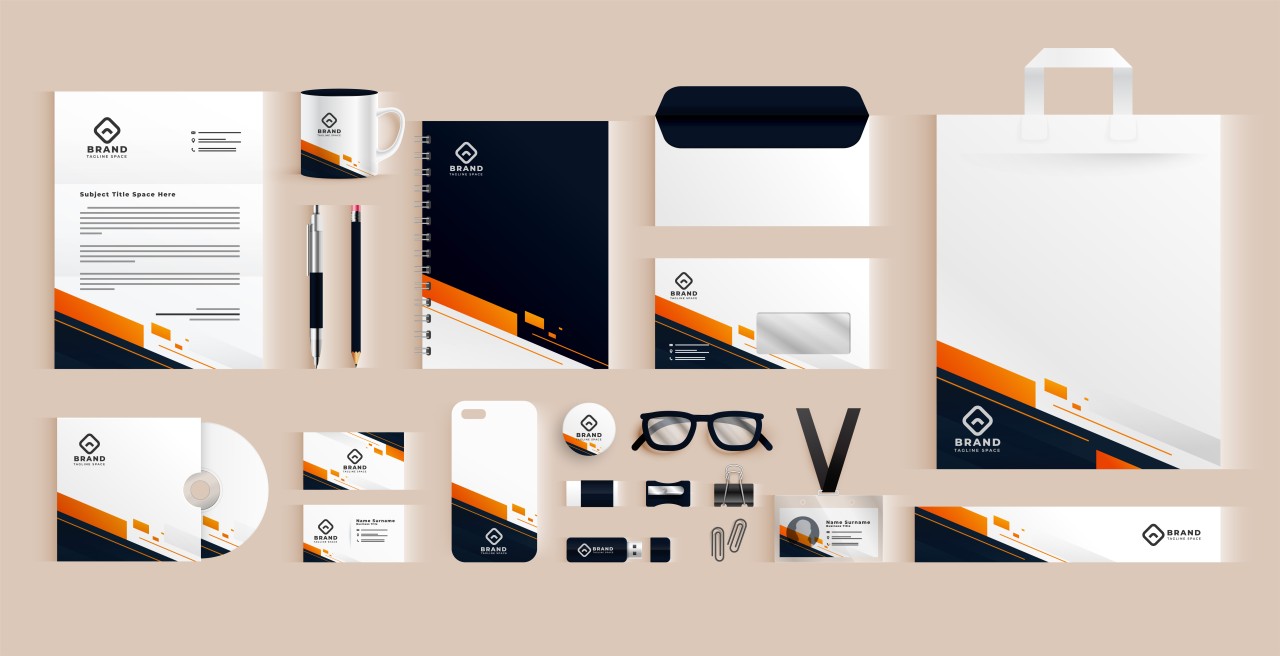
Credit: www.linkedin.com
Frequently Asked Questions
What Is Branding And Identity Design?
Branding and identity design involves creating a unique visual and emotional image for a brand. It includes logos, color schemes, typography, and other visual elements. The goal is to make the brand easily recognizable and memorable.
Why Is Branding Important For Businesses?
Branding helps businesses stand out in a crowded market. It builds trust and loyalty with customers. Strong branding also makes marketing efforts more effective, leading to increased sales and customer retention.
How Does Identity Design Affect Brand Perception?
Identity design shapes how customers perceive a brand. Consistent and professional design builds credibility and trust. Poor design can harm a brand’s reputation and make it look unprofessional.
What Are The Key Elements Of Identity Design?
Key elements of identity design include logos, color schemes, typography, and imagery. These elements work together to create a cohesive and recognizable brand image. Consistency across all touchpoints is crucial.
Conclusion
A strong brand identity sets you apart and fosters customer loyalty. Invest in quality design to communicate your values. Consistency across all platforms enhances recognition. Remember, your brand is the face of your business. Prioritize it to make a lasting impression.