Customer segmentation involves dividing a customer base into groups based on shared characteristics. This allows businesses to target specific segments effectively.
Businesses need to understand their customers to market products efficiently. Customer segmentation helps by categorizing customers into groups with similar needs or behaviors. This practice enables personalized marketing, improving customer satisfaction and loyalty. By tailoring messages to specific segments, companies can increase engagement and conversion rates.
Segmentation can be based on demographics, psychographics, behavior, or geographic information. Effective segmentation helps allocate resources more efficiently, optimizing marketing efforts. In turn, this leads to better performance and higher returns on investment. Understanding and implementing customer segmentation is crucial for any business looking to thrive in a competitive market.
Introduction To Customer Segmentation
Customer segmentation is a vital strategy for modern businesses. It involves dividing customers into distinct groups. These groups share similar characteristics. This approach helps in understanding customer needs better.
What Is Customer Segmentation?
Customer segmentation is the practice of dividing a customer base into groups. These groups have similar behaviors or characteristics. Companies use this strategy to tailor their marketing efforts.
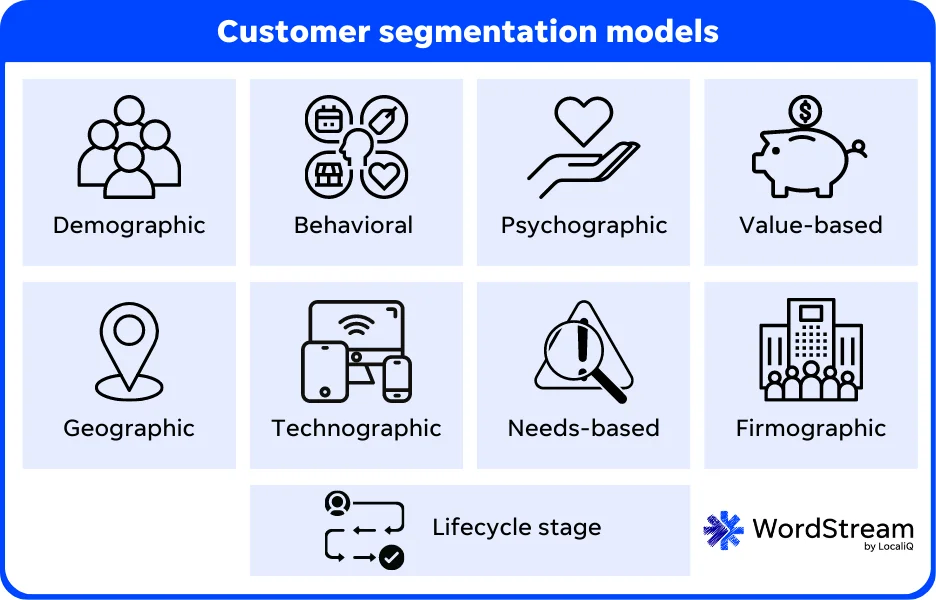
Segmentation can be based on various factors. These include:
- Demographics (age, gender, income)
- Geographics (location, region)
- Psychographics (lifestyle, values)
- Behavioral patterns (purchase history, brand loyalty)
By understanding these segments, businesses can create more targeted marketing campaigns.
Importance In Modern Marketing
Customer segmentation is crucial in today’s competitive market. It helps businesses understand their customers better. This understanding leads to more effective marketing strategies.
Here are some key benefits:
- Improved customer satisfaction: Tailored marketing meets customer needs better.
- Increased loyalty: Personalized experiences build stronger relationships.
- Higher conversion rates: Targeted campaigns are more effective.
- Efficient resource allocation: Focus on high-potential segments saves resources.
In summary, customer segmentation is a powerful tool. It enhances marketing efforts and drives business success.
Types Of Customer Segmentation
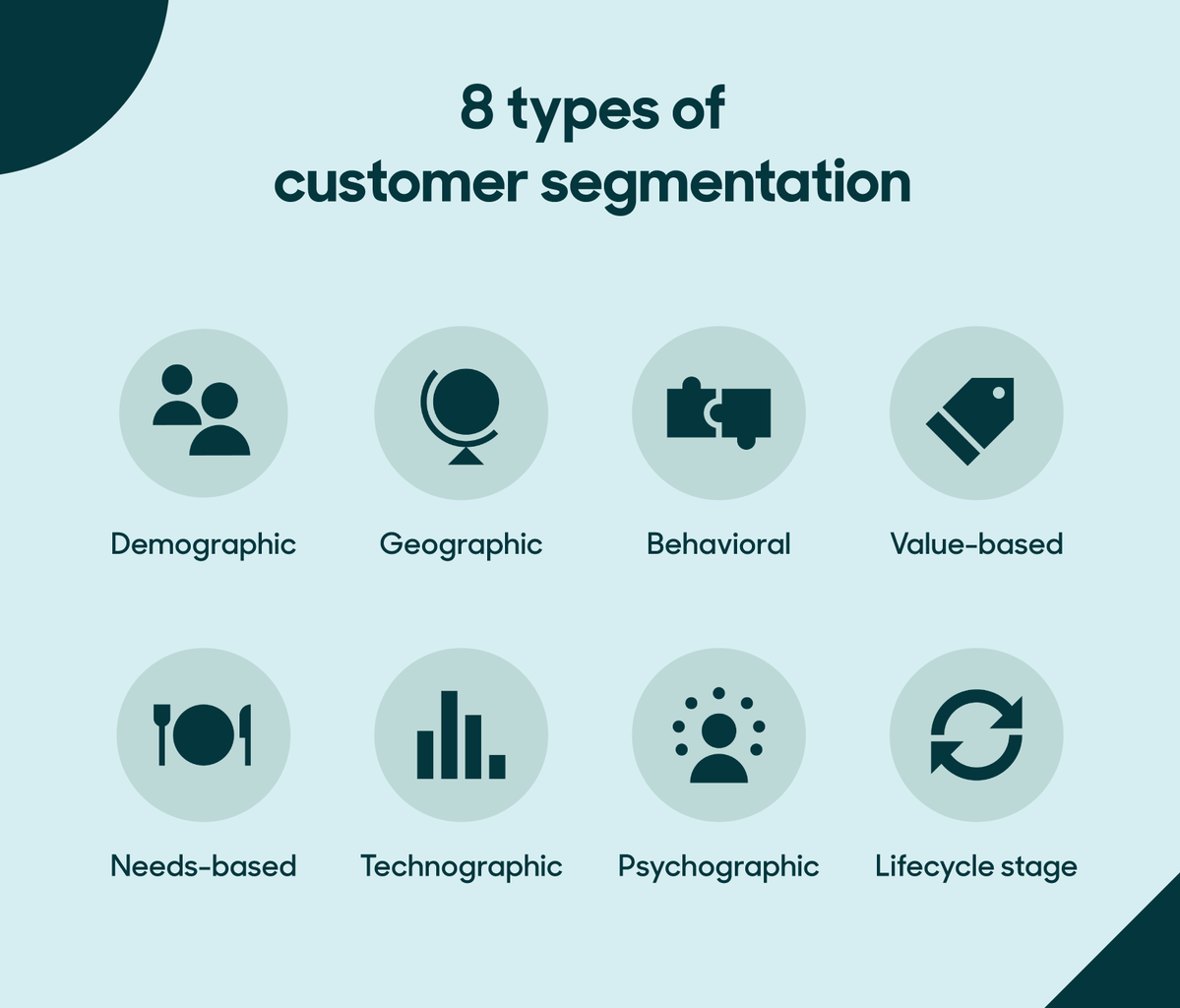
Customer segmentation involves dividing customers into groups. These groups share similar characteristics. This helps businesses target their marketing efforts. There are various types of customer segmentation. Let’s explore some key types.
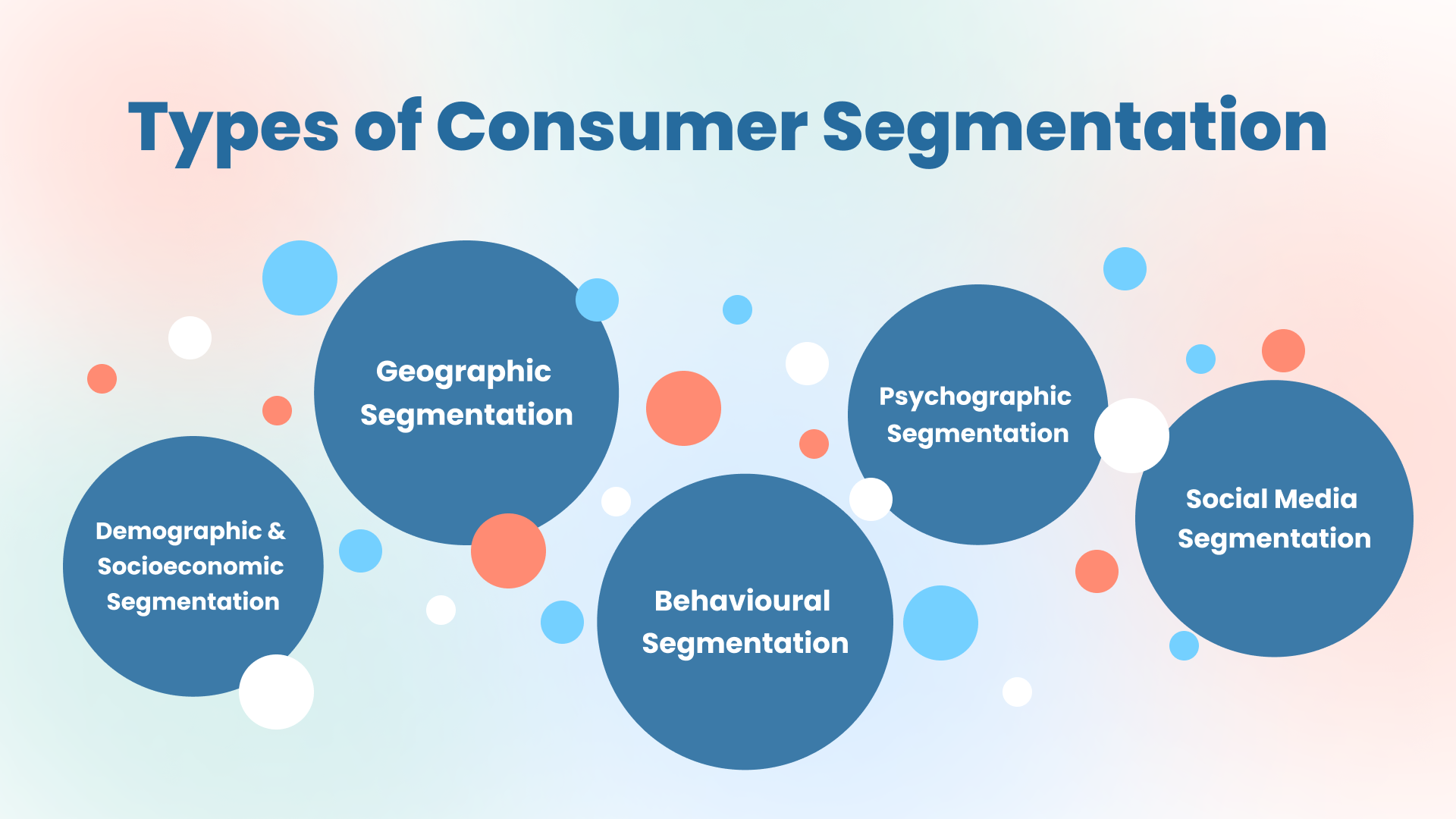
Demographic Segmentation
Demographic segmentation groups customers based on specific traits. Common traits include age, gender, income, education, and occupation. This type is widely used in marketing. For example, a company might target young adults. They could focus on college students. This helps tailor products and messages.
Geographic Segmentation
Geographic segmentation divides customers by location. This includes country, region, city, or neighborhood. It also considers climate and population density. Businesses can target customers based on their location. For example, a clothing store might promote winter wear in colder regions. This ensures relevant marketing efforts.
Psychographic Segmentation
Psychographic segmentation focuses on customers’ lifestyles. It looks at values, interests, and opinions. It also considers personality traits. This type of segmentation is more detailed. For example, a fitness brand targets health-conscious individuals. They might focus on people who value wellness. This helps create personalized marketing strategies.
Behavioral Segmentation
Behavioral segmentation examines customer behaviors. It looks at buying patterns, usage rates, and brand loyalty. It can also consider benefits sought by customers. This type helps understand how customers interact with products. For example, a tech company targets frequent buyers of gadgets. They might focus on customers who upgrade often. This ensures effective marketing campaigns.
Data Collection Methods
Understanding your customers is essential for business success. Data collection methods provide insights into customer needs and preferences. Here are some effective ways to gather data for customer segmentation.
Surveys And Questionnaires
Surveys and questionnaires are powerful tools for collecting customer data. They can be distributed via email, social media, or your website. These tools allow you to ask specific questions to understand customer behavior.
- Easy to distribute
- Cost-effective
- Can be customized
Use multiple-choice questions for quantitative data and open-ended questions for qualitative insights. Here’s a sample survey question:
Customer Feedback
Customer feedback offers direct insights into what your customers think. Collect feedback through reviews, comments, and direct interactions.
| Feedback Method | Advantages |
|---|---|
| Online Reviews | Public, easy to access |
| Comments on Social Media | Real-time responses |
| Customer Support Interactions | Personalized feedback |
Positive feedback highlights what customers love. Negative feedback shows areas for improvement. Both types are valuable for customer segmentation.
Purchase History Analysis
Purchase history analysis helps identify buying patterns and preferences. Analyze data from sales records to segment customers based on their purchase behavior.
- Identify frequent buyers
- Spot seasonal trends
- Understand product preferences
Use this data to create personalized marketing campaigns. For example, offer discounts to repeat customers or recommend products based on past purchases.
Here’s a simple code to extract purchase data:
    SELECT customer_id, product_id, purchase_date
    FROM purchases
    WHERE purchase_date >= '2023-01-01';
Analyzing this data helps refine your customer segmentation strategy.
Tools And Technologies
Customer segmentation helps businesses understand their diverse audience. It involves dividing customers into groups based on specific characteristics. To achieve this, various tools and technologies are used. These tools help in collecting, analyzing, and interpreting customer data efficiently.
Crm Systems
Customer Relationship Management (CRM) systems store customer information. They track interactions and sales data. A good CRM system helps segment customers effectively.
Popular CRM systems include:
- Salesforce
- HubSpot
- Zoho CRM
These systems offer features like:
- Data storage
- Customer tracking
- Sales forecasting
CRM systems create detailed customer profiles. These profiles help in accurate segmentation.
Data Analytics Platforms
Data analytics platforms analyze large amounts of customer data. They help identify patterns and trends. This data helps in customer segmentation.
Popular data analytics platforms include:
- Google Analytics
- Adobe Analytics
- Tableau
These platforms offer features like:
- Data visualization
- Real-time analytics
- Custom reporting
Analytics platforms provide insights into customer behavior. These insights help create effective segments.
Ai And Machine Learning
Artificial Intelligence (AI) and Machine Learning (ML) enhance customer segmentation. They analyze data faster and more accurately. AI and ML identify complex patterns.
Benefits of AI and ML in customer segmentation include:
- Predictive analysis
- Automated segmentation
- Improved accuracy
Tools using AI and ML include:
- IBM Watson
- Google Cloud AI
- Microsoft Azure AI
These tools provide advanced segmentation capabilities. They help businesses stay ahead in understanding their customers.
Steps To Effective Segmentation
Customer segmentation is vital for understanding diverse customer needs. Follow these steps to achieve effective segmentation.
Identify Key Criteria
Start by identifying the key criteria for segmentation. These criteria can be:
- Demographic: Age, gender, income
- Geographic: Location, climate
- Behavioral: Buying habits, brand loyalty
- Psychographic: Lifestyle, values
Choose criteria that align with your business goals.
Gather And Analyze Data
Next, gather data from various sources. These could include:
- Customer surveys
- Website analytics
- Sales records
Analyze the data to find patterns. Use tools like:
- Excel
- Google Analytics
- CRM software
Identify trends and commonalities within the data.
Create Customer Profiles
With your data analyzed, create customer profiles. These profiles should include:
| Profile Element | Description |
|---|---|
| Demographics | Age, gender, income level |
| Behavioral Traits | Buying habits, product preferences |
| Psychographic Traits | Lifestyle, values, interests |
Ensure each profile is detailed and clear. Use these profiles to tailor your marketing strategies.
Credit: www.zendesk.com
Implementing Segmentation Strategies
Customer segmentation is the key to unlocking tailored experiences. By dividing your audience into distinct groups, you can cater to their specific needs. This results in increased satisfaction and loyalty. Let’s delve into effective segmentation strategies.
Personalized Marketing Campaigns
Personalized marketing campaigns are essential for engaging your audience. Create ads and messages that speak directly to each segment. Use data to understand their preferences and behaviors. This approach leads to higher conversion rates.
- Email Campaigns: Send targeted emails based on customer interests.
- Social Media Ads: Tailor ads to specific demographics and interests.
- Content Marketing: Develop content that addresses the needs of each segment.
Product Development
Segmentation helps in developing products that meet customer needs. Analyze the preferences of each segment to guide product features. This leads to higher satisfaction and reduces churn.
| Segment | Product Features |
|---|---|
| Young Adults | Trendy designs, social media integration |
| Professionals | Efficiency tools, premium support |
| Families | Safety features, user-friendly interface |
Customer Service Enhancement
Enhance customer service by understanding segment-specific needs. Train your team to handle queries uniquely for each segment. This ensures a personal touch and increases satisfaction.
- Segment Analysis: Study the common issues faced by each segment.
- Tailored Solutions: Develop solutions that cater specifically to each group.
- Feedback Loop: Collect feedback and continuously improve service.
Measuring Success
Customer segmentation helps tailor marketing efforts. But how do you know it works? Measuring success is key. This section will guide you through the essential metrics.
Key Performance Indicators
Key Performance Indicators (KPIs) are vital. They show if your segmentation strategy is effective. Here are some important KPIs:
- Conversion Rate: The percentage of visitors who become customers.
- Customer Retention Rate: The percentage of repeat customers.
- Average Order Value: The average amount spent per order.
Monitor these KPIs regularly. They help you understand performance.
Customer Satisfaction Metrics
Happy customers are loyal customers. Measure satisfaction to gauge success. Here are some key metrics:
- Net Promoter Score (NPS): Measures customer loyalty and likelihood to recommend.
- Customer Satisfaction Score (CSAT): Measures overall satisfaction with a product or service.
- Customer Effort Score (CES): Measures the ease of customer interaction with your company.
Regularly collect feedback using surveys. This provides valuable insights.
Sales Growth
Sales growth is a direct indicator of success. Track these metrics:
- Total Revenue: The overall income generated from sales.
- Revenue per Segment: Income generated from each customer segment.
- Customer Lifetime Value (CLV): The total worth of a customer over their relationship with your business.
Analyze these metrics to identify growth patterns. This helps in fine-tuning strategies.
Credit: resources.audiense.com
Challenges And Solutions
Customer segmentation is essential for businesses. It helps them understand their audience better. Yet, there are challenges that come with it. Here, we explore these challenges and provide solutions.
Data Privacy Concerns
Customers worry about their data privacy. Businesses need to address these concerns. Mismanagement of data can lead to trust issues.
Solutions:
- Implement strong data encryption methods.
- Ensure compliance with privacy laws like GDPR.
- Use transparent data policies.
Integration With Existing Systems
Integrating new segmentation tools with current systems can be tough. Compatibility issues may arise.
Solutions:
- Choose tools that support API integration.
- Ensure compatibility with existing software.
- Train staff on new system functionalities.
Ensuring Data Accuracy
Accurate data is vital for effective segmentation. Inaccurate data can mislead strategies.
Solutions:
- Regularly clean and update databases.
- Use automated tools to minimize errors.
- Verify data sources for authenticity.
Future Trends In Customer Segmentation
Understanding customer behavior is crucial for business success. The future of customer segmentation is evolving rapidly. New technologies are making it easier to segment customers. Let’s explore some exciting trends.
Predictive Analytics
Predictive analytics uses historical data to forecast future behavior. Businesses can predict what customers will buy next. This helps in creating personalized marketing strategies.
With predictive analytics, companies can:
- Identify potential high-value customers
- Reduce churn rates
- Optimize marketing campaigns
Predictive analytics is becoming a game-changer in customer segmentation.
Real-time Segmentation
Real-time segmentation allows businesses to segment customers instantly. This means analyzing customer behavior as it happens. Real-time segmentation helps in delivering personalized experiences.
Key benefits include:
- Immediate response to customer actions
- Enhanced customer satisfaction
- Improved conversion rates
Real-time data helps businesses stay ahead of the competition.
Enhanced Customer Journeys
Enhanced customer journeys are about creating seamless experiences. Understanding each touchpoint of the customer’s journey is vital. This helps in providing personalized and engaging experiences.
Businesses can improve customer journeys by:
- Mapping the customer journey
- Identifying key touchpoints
- Creating personalized interactions
Enhanced customer journeys lead to higher customer loyalty.
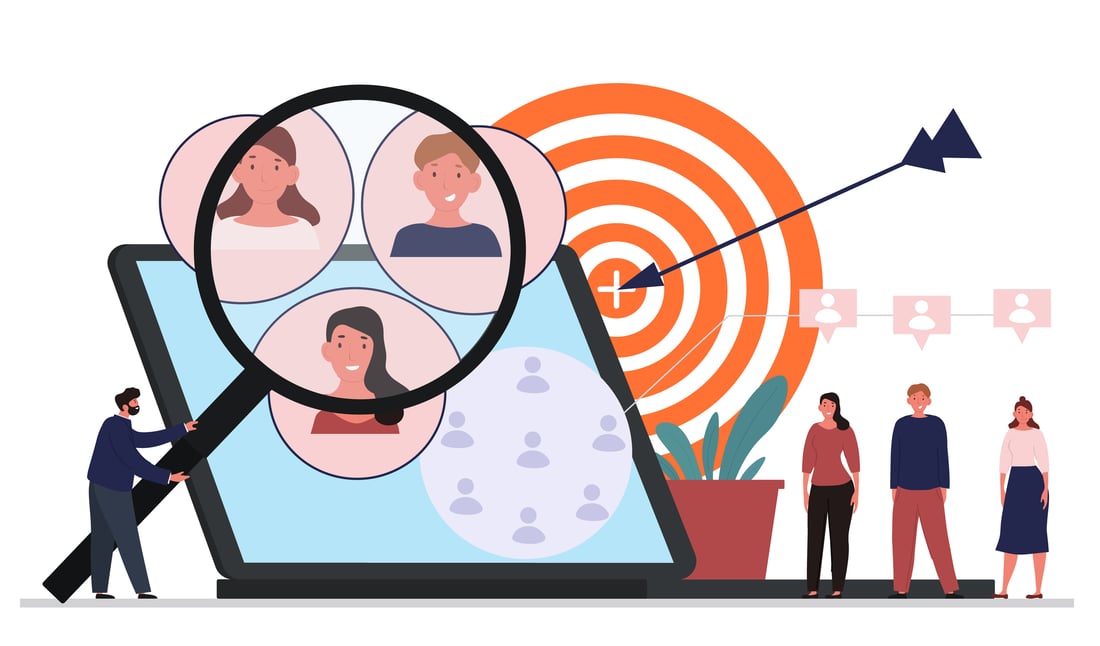
Credit: www.marketingevolution.com
Frequently Asked Questions
What Is Customer Segmentation?
Customer segmentation is the process of dividing a customer base into distinct groups. Each group shares common characteristics, behaviors, or needs. This helps businesses tailor their marketing strategies.
Why Is Customer Segmentation Important?
Customer segmentation is important because it allows businesses to target specific groups. This increases the effectiveness of marketing campaigns and improves customer satisfaction.
How Do You Segment Customers?
You can segment customers based on demographics, behaviors, or psychographics. Use data analytics tools to identify patterns and group customers accordingly.
What Are The Benefits Of Customer Segmentation?
The benefits of customer segmentation include improved marketing efficiency, better customer retention, and increased sales. It helps businesses understand their customers better.
Conclusion
Effective customer segmentation boosts marketing strategies and business growth. It ensures personalized experiences for each segment. Implementing segmentation techniques can lead to higher customer satisfaction and increased loyalty. Start analyzing your customer data today and unlock the full potential of targeted marketing.
Your business success depends on understanding and catering to diverse customer needs.