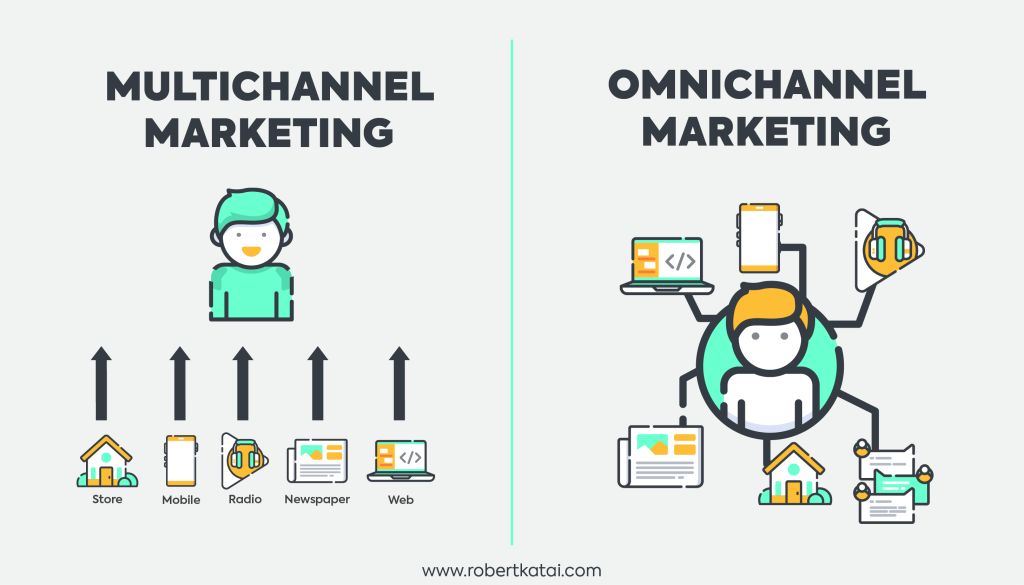
Multi-channel marketing involves engaging customers through multiple platforms like social media, email, and websites. It aims to provide a seamless customer experience.
Multi-channel marketing is essential in today’s digital age. It leverages various platforms to reach a wider audience and enhance customer engagement. Businesses can target specific demographics more effectively by using multiple channels. This strategy also helps in maintaining consistent messaging across all touchpoints.
It ensures that customers receive information where they are most active. Utilizing multiple channels can lead to higher conversion rates and better customer retention. Ultimately, multi-channel marketing offers a comprehensive approach to connecting with customers, making it a crucial component of modern marketing strategies.
Introduction To Multi-channel Marketing
Multi-channel marketing is the practice of interacting with customers. This happens using a combination of indirect and direct communication channels. These channels include websites, retail stores, mail order catalogs, direct mail, email, mobile, and more. The goal is to reach customers in the channel they prefer. It increases sales and improves customer experience.
Concept And Importance
Multi-channel marketing uses multiple channels to reach customers. Each channel has its unique strengths. Combining them creates a powerful marketing strategy. It maximizes the chances of reaching the target audience.
Importance:
- Increases customer touchpoints
- Enhances customer experience
- Boosts brand visibility
- Improves customer engagement
- Increases sales and revenue
Historical Evolution
Multi-channel marketing has evolved over time. Initially, businesses used single channels like print ads or direct mail. As technology advanced, more channels became available.
The table below shows the evolution:
| Era | Primary Channels |
|---|---|
| 1950s – 1970s | Print, Radio, TV |
| 1980s – 1990s | Direct Mail, Telemarketing |
| 2000s | Email, Websites |
| 2010s – Present | Social Media, Mobile, Omnichannel |
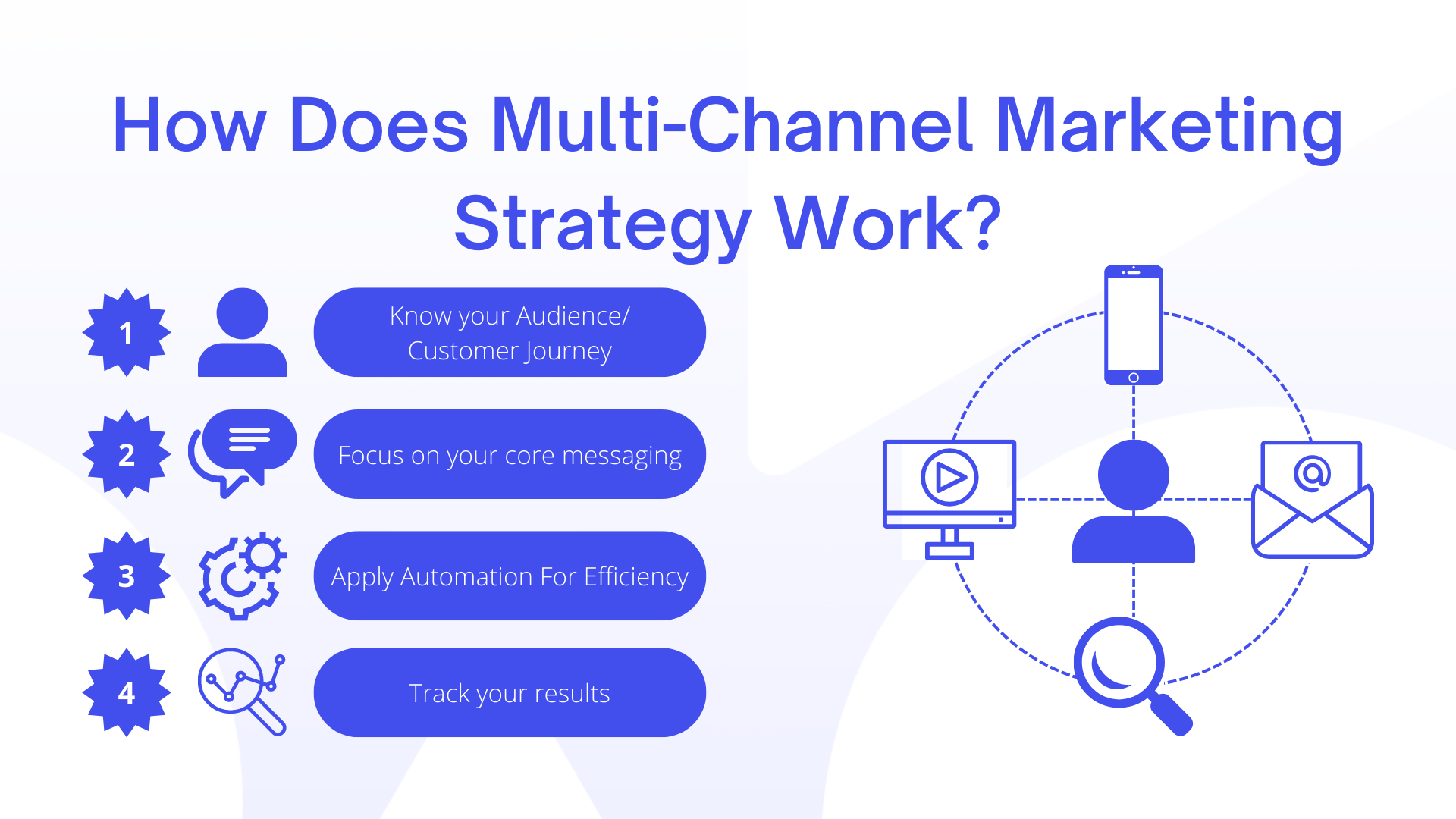
Today, multi-channel marketing is essential. It meets customers where they are. This leads to higher satisfaction and loyalty. Businesses that excel in this area often see better results.
Credit: www.agencyjet.com
Key Channels In Multi-channel Marketing
Multi-channel marketing is essential for businesses. It helps them reach a wider audience. By using various channels, brands can engage with customers in multiple ways. Here are some key channels in multi-channel marketing that you should focus on.
Social Media Platforms
Social media platforms are powerful tools for marketing. They help brands connect with a broad audience. Popular platforms include:
Each platform has unique features and user bases. Facebook is great for community building. Instagram is ideal for visual content. Twitter is useful for real-time updates. LinkedIn is perfect for professional networking. Choose the platform that fits your audience.
Email Marketing
Email marketing remains a strong channel. It allows direct communication with customers. You can send:
- Newsletters
- Promotional offers
- Product updates
- Personalized messages
Email marketing helps build customer relationships. Use it to share valuable content and engage your audience.
Content Marketing
Content marketing involves creating useful content. This can be:
- Blog posts
- Videos
- Infographics
- Podcasts
Quality content attracts and retains customers. It also boosts your brand’s credibility. Focus on creating content that solves problems. Make it informative and engaging.
Search Engine Optimization
Search Engine Optimization (SEO) is crucial. It improves your website’s visibility on search engines. Here are some key SEO practices:
- Keyword research
- On-page optimization
- Quality backlinks
- Mobile-friendly design
Implementing SEO helps you rank higher in search results. This increases organic traffic to your site. Ensure your content is optimized for search engines.
Benefits Of Multi-channel Marketing
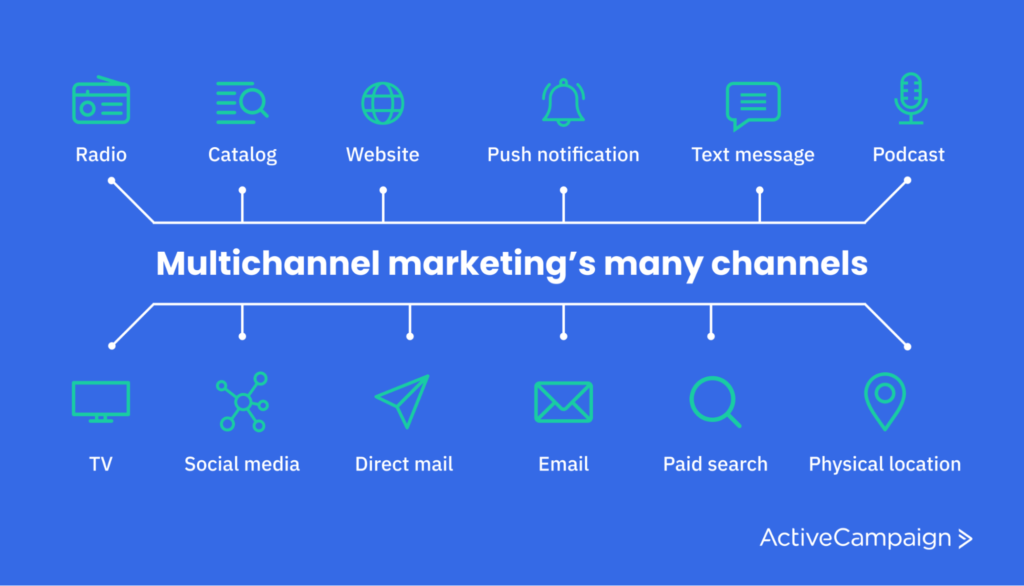
Multi-channel marketing offers many advantages for businesses. It helps you connect with customers on various platforms. Here are some key benefits of multi-channel marketing.
Increased Reach
By using multiple channels, you can reach a larger audience. People use different platforms to find information. Some prefer social media, while others like email or websites. Using many channels helps you connect with more people.
Here’s a simple table to show how different channels can increase reach:
| Channel | Potential Reach |
|---|---|
| Social Media | 2 billion users |
| 4 billion users | |
| Websites | 4.5 billion users |
Enhanced Customer Engagement
Using multiple channels allows better interaction with customers. You can engage with them on their preferred platform. This makes them feel valued and heard.
Consider these engagement methods:
- Respond to comments on social media
- Send personalized emails
- Offer live chat support on your website
Better Data Insights
Multi-channel marketing provides valuable data. You can track customer behavior on different platforms. This helps you understand what works best.
Here are some data points you can track:
- Click-through rates on emails
- Social media interactions
- Website visits and conversions
Better data insights help you refine your strategies. This leads to better results.
Credit: www.activecampaign.com
Challenges And Solutions
Multi-channel marketing offers immense opportunities. It allows businesses to reach customers across various platforms. Yet, it comes with its own set of challenges. Addressing these challenges effectively can lead to a successful marketing strategy. Below, we explore some of the key challenges and their solutions.
Integration Issues
One major challenge in multi-channel marketing is integration issues. Different platforms use various technologies. This makes integrating them a complex task. Businesses often struggle to maintain a unified system.
To solve this, consider using integrated marketing software. These tools help combine different platforms seamlessly. They offer a central dashboard to manage all channels. This reduces the complexity and keeps everything in sync.
Consistent Messaging
Another challenge is maintaining consistent messaging. Different channels may deliver content differently. This can lead to mixed messages and confuse customers.
To ensure consistency, create a brand guideline. This should include tone, style, and key messages. Train your team to follow these guidelines strictly. Use a content calendar to plan and align your messages across all platforms.
Measuring Success
Measuring success in multi-channel marketing can be tricky. Each platform may have its own metrics. Combining these metrics to get a unified view is often difficult.
Use analytics tools that offer multi-channel reporting. These tools collect data from all platforms and present it in a single dashboard. This helps in comparing and analyzing performance easily. You can then optimize your strategies based on these insights.
| Challenge | Solution |
|---|---|
| Integration Issues | Use integrated marketing software |
| Consistent Messaging | Create and follow brand guidelines |
| Measuring Success | Use multi-channel analytics tools |
By addressing these challenges, businesses can maximize the benefits of multi-channel marketing. Implementing the right solutions will ensure a cohesive and effective strategy.
Creating A Multi-channel Strategy
Creating a multi-channel strategy is key for modern marketing success. It ensures your brand reaches its audience on various platforms. This approach maximizes engagement and conversion rates.
Identifying Target Audience
Understanding your target audience is the first step. Gather data on demographics, interests, and online behavior. Use surveys, social media analytics, and customer feedback. This data helps tailor your message to your audience’s preferences.
Choosing The Right Channels
Not all channels will work for your brand. Identify where your audience spends their time. Consider social media, email, blogs, and paid advertising. Use a mix of these channels to reach a broader audience. Ensure each channel complements the others.
- Social Media: Great for engaging with younger audiences.
- Email: Effective for personalized communication.
- Blogs: Ideal for sharing in-depth content and improving SEO.
- Paid Advertising: Reaches a large audience quickly.
Setting Goals And Kpis
Define clear goals for your strategy. These could be increasing brand awareness, generating leads, or boosting sales. Each goal should have specific Key Performance Indicators (KPIs).
| Goal | KPI |
|---|---|
| Increase Brand Awareness | Social media followers, website traffic |
| Generate Leads | Email sign-ups, contact form submissions |
| Boost Sales | Conversion rate, sales revenue |
Track your KPIs regularly. Adjust your strategy based on performance data. This ensures your multi-channel marketing remains effective.
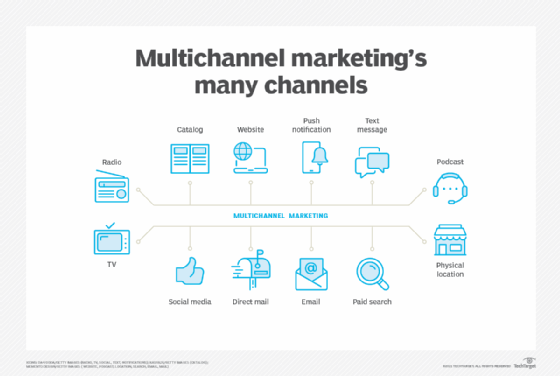
Credit: www.techtarget.com
Tools And Technologies
Multi-channel marketing requires the right tools and technologies. These tools help streamline your efforts and maximize your reach. Let’s explore some essential tools for successful multi-channel marketing.
Marketing Automation
Marketing automation tools simplify repetitive tasks. They help send personalized messages to your audience. They ensure consistency across all channels.
- Email Marketing: Automate email campaigns with tools like Mailchimp or HubSpot.
- Social Media Scheduling: Use Hootsuite or Buffer to schedule posts.
- Lead Nurturing: Platforms like Marketo can nurture leads effectively.
Customer Relationship Management
Customer Relationship Management (CRM) systems track all customer interactions. They provide valuable insights into customer behavior.
Popular CRM tools include:
- Salesforce: Offers robust features for sales and marketing.
- Zoho CRM: Easy-to-use and affordable for small businesses.
- Microsoft Dynamics 365: Integrates well with other Microsoft products.
Analytics Platforms
Analytics platforms track the performance of your marketing efforts. They help identify what works and what needs improvement.
| Platform | Key Features |
|---|---|
| Google Analytics | Tracks website traffic and user behavior. |
| Adobe Analytics | Offers advanced data analysis and reporting. |
| Mixpanel | Focuses on user interactions and event tracking. |
Case Studies And Success Stories
Multi-channel marketing is not just a buzzword. It has proven to deliver substantial results. Below, we dive into real-world examples of brands that have successfully implemented multi-channel marketing strategies.
Brand X’s Social Media Campaign
Brand X decided to leverage social media to increase brand awareness. They utilized platforms such as Facebook, Instagram, and Twitter. Their goal was to engage with their audience through visually appealing content.
- Platform Used: Facebook, Instagram, Twitter
- Strategy: Engaging content, regular updates, interactive posts
- Outcome: 40% increase in followers, 25% rise in engagement
Brand X’s team created high-quality visuals and videos. They posted regularly and interacted with followers in real-time. This approach built a community around their brand.
| Month | New Followers | Engagement Rate |
|---|---|---|
| January | 1,000 | 5% |
| February | 1,400 | 7% |
| March | 1,800 | 10% |
Email Marketing Success By Brand Y
Brand Y focused on an email marketing strategy to nurture leads. They segmented their email lists and personalized their messages.
- Strategy: Personalized emails, segmented lists, clear calls-to-action
- Outcome: 50% open rate, 20% increase in conversions
Brand Y’s emails included special offers and relevant content. They also made sure each email had a clear call-to-action.
- Week 1: Welcome email with a special offer
- Week 2: Follow-up email with customer testimonials
- Week 3: Exclusive content and tips
Brand Y saw a significant increase in both open rates and conversions. Their personalized approach made subscribers feel valued and engaged.
Future Trends In Multi-channel Marketing
Multi-channel marketing is always evolving. New technologies bring fresh opportunities. Brands must keep up with the latest trends to stay competitive. Here are some key trends shaping the future of multi-channel marketing.
Ai And Machine Learning
Artificial Intelligence (AI) and machine learning are revolutionizing marketing. These technologies help brands understand customer behavior better. AI can analyze vast amounts of data quickly. This allows for more accurate predictions and personalized campaigns.
Machine learning algorithms improve over time. They can identify patterns in customer interactions. This helps in making more informed decisions. It also saves time and resources.
| Benefits of AI in Marketing | Examples |
|---|---|
| Better Customer Insights | Predictive Analytics |
| Increased Efficiency | Automated Email Campaigns |
| Personalization | Customized Product Recommendations |
Personalization
Personalization is crucial for effective multi-channel marketing. Customers expect tailored experiences. Generic messages no longer work. Personalized content can boost engagement and conversions.
Use customer data to create personalized experiences. This includes using names in emails or recommending products based on past purchases. Personalized marketing makes customers feel valued.
- Use customer names in emails.
- Recommend products based on past purchases.
- Send tailored offers and promotions.
Voice Search Integration
Voice search is growing rapidly. More people use devices like Alexa and Google Home. Optimizing for voice search is essential.
Voice search queries are often longer than text searches. They are also more conversational. Adjust your content to match this style.
Include FAQs on your website. This helps match the natural language of voice searches. Ensure your content is easily discoverable by voice assistants.
- Optimize for longer, conversational queries.
- Include FAQs on your website.
- Make sure your content is voice-search friendly.
Frequently Asked Questions
What Is Multi-channel Marketing?
Multi-channel marketing is a strategy that uses multiple platforms to reach customers. These platforms include email, social media, and websites. It helps in targeting a wider audience effectively.
Why Is Multi-channel Marketing Important?
Multi-channel marketing increases brand visibility and engagement. It reaches customers on their preferred platforms. This approach enhances customer experience and drives higher conversion rates.
How Do You Implement Multi-channel Marketing?
To implement, identify your audience and preferred channels. Develop consistent messaging across platforms. Use analytics to track and optimize performance.
What Are The Benefits Of Multi-channel Marketing?
Benefits include higher customer engagement, improved brand awareness, and increased sales. It provides a seamless customer experience. It also allows better data collection for strategic decisions.
Conclusion
Mastering multi-channel marketing can boost your brand’s visibility and reach. Utilize various platforms to engage your audience effectively. Consistency across channels ensures a cohesive brand message. Always analyze performance and adjust strategies as needed. Embrace this approach to enhance customer experience and drive business growth.
Start implementing multi-channel marketing today!