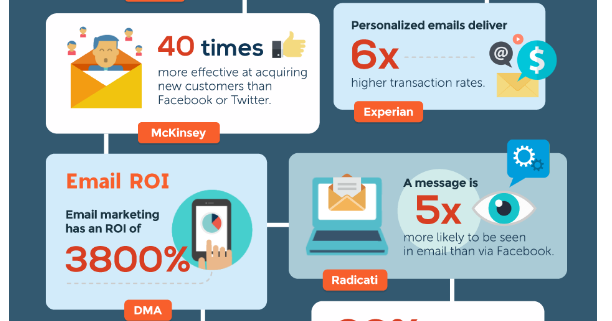
To run a successful email marketing campaign, define your target audience and craft personalized, engaging content. Utilize analytics to refine and optimize your strategy.
Email marketing remains a powerful tool for businesses to connect with their audience. Clear goals and understanding your audience are crucial. Personalization enhances engagement, making recipients feel valued. Crafting compelling subject lines and concise, relevant content boosts open rates. Segmentation allows for tailored messages, increasing relevance and effectiveness.
Regularly analyzing campaign performance helps identify areas for improvement, ensuring continuous optimization. By focusing on these key elements, businesses can build strong relationships with their audience, driving both engagement and conversions. Email marketing, when executed well, delivers significant ROI and fosters customer loyalty.

Credit: smtpmaster.com
Setting Clear Goals
Having clear goals is the backbone of any successful email marketing campaign. Without them, your efforts might be wasted. Let’s explore how to set clear goals effectively.
Defining Objectives
Start by defining the objectives of your email campaign. Are you aiming to increase sales, boost website traffic, or build brand awareness? Use specific, measurable, achievable, relevant, and time-bound (SMART) criteria. This ensures your goals are clear and attainable.
- Specific: What exactly do you want to achieve?
- Measurable: How will you track progress?
- Achievable: Is the goal realistic?
- Relevant:
- Time-bound: When do you want to achieve it?
Measuring Success
Once your objectives are clear, you need to measure success. Use key performance indicators (KPIs) to track your progress. Common KPIs include:
| Metric | Description |
|---|---|
| Open Rate | The percentage of recipients who open your email. |
| Click-Through Rate (CTR) | The percentage of recipients who click on links in the email. |
| Conversion Rate | The percentage of recipients who complete a desired action. |
| Bounce Rate | The percentage of emails that could not be delivered. |
Regularly review these metrics. Adjust your campaign strategies as needed. This ensures continuous improvement and better results.
.png)
Credit: www.mailmunch.com
Building A Quality Email List
Creating a successful email marketing campaign starts with building a quality email list. A robust list ensures your messages reach the right people. This enhances engagement and conversion rates. Let’s explore effective strategies to build such a list.
Opt-in Strategies
Encourage users to join your email list willingly. This ensures they are genuinely interested in your content.
- Sign-Up Forms: Place sign-up forms on your website. Make them visible and easy to fill out.
- Pop-Up Offers: Use pop-up offers to grab attention. Offer discounts or freebies in exchange for email addresses.
- Social Media: Promote your email list on social media. Use engaging posts and call-to-actions.
- Webinars: Host webinars to attract a targeted audience. Collect emails during registration.
Segmentation Techniques
Segmenting your email list ensures tailored messages. This boosts open rates and conversions.
- Demographic Segmentation: Group users by age, gender, or location. Customize emails based on these factors.
- Behavioral Segmentation: Track user behavior. Segment based on past purchases or website activity.
- Interest-Based Segmentation: Use surveys to understand user interests. Send relevant content accordingly.
- Engagement Segmentation: Identify active and inactive users. Send re-engagement emails to inactive users.
By focusing on opt-in strategies and segmentation techniques, you build a strong email list. This foundation is crucial for a successful email marketing campaign.
Crafting Compelling Content
Creating engaging content is crucial for a successful email marketing campaign. Your content must grab attention and encourage action. This section will guide you through the key elements of crafting compelling content.
Subject Line Tips
- Keep it short: Subject lines should be under 50 characters.
- Use action words: Words like “Discover” and “Learn” inspire action.
- Personalize: Include the recipient’s name for a personal touch.
- Create curiosity: Pique interest without revealing too much.
- Test different versions: Use A/B testing to find what works best.
Body Content Best Practices
Your email body content should be clear and concise. Ensure it delivers value and engages readers.
| Practice | Description |
|---|---|
| Use short paragraphs | Short paragraphs are easier to read. |
| Include visuals | Images and videos make content engaging. |
| Add bullet points | Bullet points help break up text and highlight key points. |
| Use a clear call-to-action (CTA) | Guide readers on what to do next with a clear CTA. |
| Personalize content | Tailor content to the reader’s interests and behavior. |
By following these best practices, you can create email content that resonates with your audience and drives engagement.
Designing Eye-catching Emails
Crafting emails that grab attention is crucial. A well-designed email can boost engagement and drive action. Your email design should be visually appealing and functional across all devices. This section explores the key elements of designing eye-catching emails.
Responsive Design
Responsive design ensures your emails look great on any device. Over half of email opens occur on mobile devices. Thus, it’s vital to optimize for both desktop and mobile views.
- Use a single-column layout for simplicity.
- Ensure text and images adjust to screen size.
- Keep buttons large enough for easy tapping.
Test your emails on multiple devices and email clients. This ensures your design remains consistent and functional.
Visual Elements
Visual elements are crucial for an engaging email. They break up text and capture attention quickly.
- Use high-quality images relevant to your message.
- Incorporate your brand’s colors and fonts.
- Include clear and concise calls to action (CTAs).
Consider the following best practices for images:
| Best Practice | Description |
|---|---|
| Alt Text | Provide descriptions for images. Helps if images don’t load. |
| File Size | Keep image files small. Ensures quick loading times. |
Use icons and illustrations to enhance understanding. Visual aids can make complex information simple.
Personalization And Automation
Email marketing campaigns thrive on two key elements: Personalization and Automation. These strategies ensure your emails are relevant and timely. Personalization makes each email feel unique to the recipient. Automation ensures that your emails are sent at the right time.
Dynamic Content
Dynamic content changes based on the recipient’s data. This makes each email feel personalized. Use dynamic content to include the recipient’s name, location, or purchase history. This can significantly increase engagement.
For example, you could use dynamic content to show different products to different segments. A table can help you understand how to use dynamic content:
| Segment | Dynamic Content |
|---|---|
| New Customers | Welcome message and discount codes |
| Returning Customers | Recommended products based on past purchases |
| Inactive Customers | Special offers to re-engage them |
Automated Workflows
Automated workflows streamline your email marketing efforts. They allow you to send emails based on specific actions or timings. This ensures your messages reach the right people at the right time.
Here is an example of a simple automated workflow:
- User signs up for your newsletter.
- Send a welcome email immediately.
- After three days, send a follow-up email with helpful resources.
- If the user clicks a link, send a special offer email.
Automated workflows save time and ensure consistency. They also help nurture leads without manual effort.
A/b Testing Strategies
A/B testing is a crucial element of a successful email marketing campaign. It helps identify what works best for your audience. By testing different elements, you can optimize emails for better engagement and conversions.
Testing Subject Lines
Subject lines are the first thing recipients see. They play a significant role in open rates. To test subject lines effectively:
- Write two different versions of the subject line.
- Send each version to a small segment of your audience.
- Measure the open rates of both versions.
- Choose the subject line with the higher open rate for the full send.
Make sure to keep subject lines short and engaging. Use power words to capture attention. Personalize the subject line to increase relevance.
Analyzing Results
Analyzing results is key to understanding what works. Use your email marketing platform’s analytics tools for this.
Here are some important metrics to consider:
| Metric | Description |
|---|---|
| Open Rate | The percentage of recipients who open your email. |
| Click-Through Rate | The percentage of recipients who click on a link in your email. |
| Conversion Rate | The percentage of recipients who complete a desired action. |
| Bounce Rate | The percentage of emails that could not be delivered. |
| Unsubscribe Rate | The percentage of recipients who opt out of your emails. |
Track these metrics over time to identify trends. Use the insights gained to refine future campaigns.
Ensuring Deliverability
Ensuring your emails reach your subscribers’ inboxes is crucial for a successful email marketing campaign. This involves understanding how to avoid spam filters and maintain a clean email list. By doing so, you can increase your email deliverability rates and ensure your message reaches its intended audience.
Avoiding Spam Filters
Spam filters are designed to protect users from unwanted emails. Here are some strategies to avoid them:
- Use a Recognizable Sender Name: Ensure your sender name is familiar to your audience.
- Avoid Spammy Words: Words like “free,” “buy now,” and “urgent” can trigger spam filters.
- Include a Clear Unsubscribe Link: This shows email providers you respect your subscribers’ choices.
- Check Email Formatting: Avoid using too many images or links, and ensure your HTML is clean.
Maintaining A Clean List
A clean email list ensures you are reaching engaged and active subscribers. Here are some tips:
- Regularly Remove Inactive Subscribers: Remove those who haven’t engaged in the last six months.
- Use Double Opt-In: This confirms the subscriber’s interest and reduces the chance of fake emails.
- Segment Your List: Send relevant content to different segments to increase engagement.
- Monitor Bounce Rates: High bounce rates can harm your sender reputation. Remove hard bounces immediately.
Following these steps can significantly improve your email deliverability. This ensures your marketing efforts are effective and your message reaches your audience.
Credit: fcrgroup.org.uk
Analyzing And Optimizing Performance
Running a successful email marketing campaign requires constant monitoring. Analyzing data helps you understand what works. Optimizing performance is the next critical step.
Key Metrics To Track
Tracking the right metrics is crucial. Here are some key metrics you should monitor:
- Open Rate: Percentage of recipients who open your email.
- Click-Through Rate (CTR): Percentage of recipients who click a link.
- Bounce Rate: Percentage of emails not delivered.
- Unsubscribe Rate: Percentage of recipients who opt-out.
- Conversion Rate: Percentage of recipients completing desired actions.
Continuous Improvement
Improving your email campaign should be ongoing. Here are some steps:
- Analyze Data: Regularly check the key metrics.
- Segment Your Audience: Group your audience for better targeting.
- A/B Testing: Test different elements like subject lines.
- Refine Content: Ensure content is engaging and relevant.
- Optimize Send Times: Send emails when your audience is most active.
| Metric | Importance |
|---|---|
| Open Rate | Shows interest in your emails |
| CTR | Measures engagement |
| Bounce Rate | Indicates deliverability issues |
| Unsubscribe Rate | Reflects content relevance |
| Conversion Rate | Shows campaign effectiveness |
Use these strategies to improve your email marketing campaign. Consistent analysis and optimization lead to better results.
Frequently Asked Questions
What Are The Key Elements Of An Email Marketing Campaign?
The key elements include a clear objective, a targeted audience, engaging content, a strong call-to-action, and analytics for performance tracking.
How Do You Build An Email List?
Build an email list by offering value through lead magnets, using sign-up forms, and promoting on social media and your website.
What Is A Good Email Open Rate?
A good email open rate varies by industry but generally ranges between 15% and 25%. Aim for continuous improvement.
How Often Should You Send Marketing Emails?
Send marketing emails regularly but avoid overwhelming your audience. A common frequency is one email per week.
Conclusion
Mastering email marketing requires a clear strategy and consistent effort. Focus on creating engaging content and segmenting your audience. Analyze your results to improve future campaigns. By following these steps, you’ll increase your open rates and conversions. Start implementing these tips today for a successful email marketing campaign.