
To improve website SEO, focus on keyword optimization and quality content. Ensure your site is mobile-friendly and fast-loading.
Effective SEO can dramatically increase your website’s visibility and traffic. Start by researching relevant keywords that your target audience uses. Incorporate these keywords naturally into your content, titles, and meta descriptions. High-quality content that provides value keeps visitors engaged and encourages them to return.
Mobile optimization is crucial since many users browse on their phones. A fast-loading site enhances user experience and boosts your search engine ranking. Regularly updating your content and building backlinks from reputable sources also contribute to better SEO. By following these strategies, you can significantly improve your website’s SEO and achieve better search engine rankings.
Keyword Research
Effective Keyword Research is the foundation of a successful SEO strategy. It helps in understanding what your audience is searching for. This allows you to create content that meets their needs. Here are some key steps to enhance your keyword research.
Finding Niche Keywords
Finding niche keywords can set you apart from competitors. These are specific terms that target a smaller, but highly interested audience. Use tools like Google Keyword Planner and Ahrefs to find these gems. Start by searching for broad keywords related to your industry. Then, look for longer phrases with lower competition.
For instance, instead of targeting “SEO,” try “SEO for small businesses.” This approach helps attract a more targeted audience. Below is a table that shows the difference between broad and niche keywords:
| Broad Keywords | Niche Keywords |
|---|---|
| SEO | SEO for small businesses |
| Marketing | Digital marketing for startups |
| Fitness | Home fitness for busy professionals |
Analyzing Competitor Keywords
Analyzing competitor keywords is crucial for staying ahead. Start by identifying your top competitors. Use tools like SEMrush or Moz to find the keywords they rank for.
Look for opportunities where you can create better content. Here’s a quick checklist for analyzing competitor keywords:
- Identify your main competitors.
- Use keyword analysis tools.
- Find keywords they rank for.
- Note down their high-traffic pages.
- Create better content around those keywords.
By understanding what works for your competitors, you can refine your own strategy. This ensures you stay competitive in your niche.
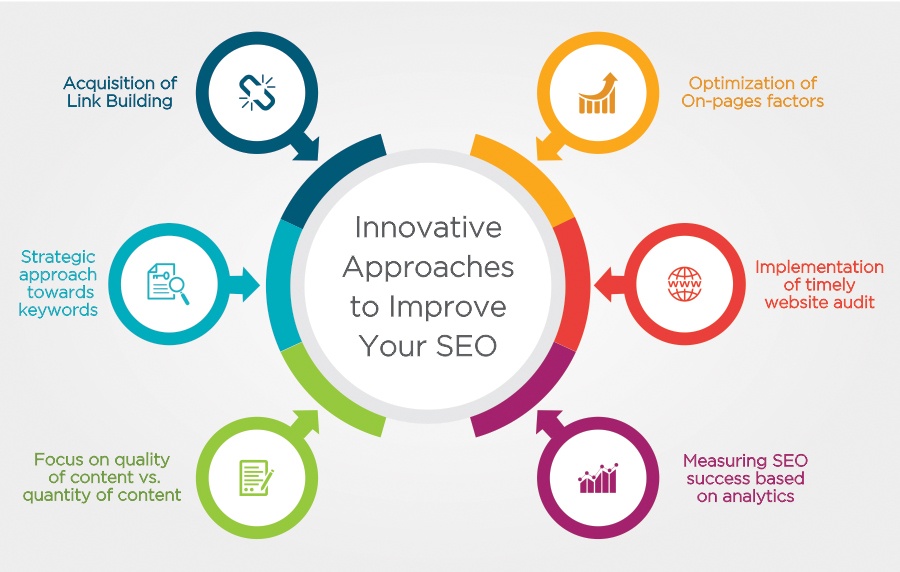
.jpg?width=1080&height=1080&name=SEO%20process%20(1).jpg)
Credit: www.articulatemarketing.com
On-page Optimization
On-page optimization is crucial for improving your website’s SEO. It involves optimizing various elements on your website to enhance its visibility and ranking on search engines. Let’s delve into some key aspects of on-page optimization.
Optimizing Meta Tags
Meta tags are snippets of text that describe your page’s content. They don’t appear on the page itself but only in the page’s code. Meta tags are essential for SEO as they help search engines understand what your page is about.
| Meta Tag | Description |
|---|---|
| Title Tag | Appears in search engine results and browser tabs. |
| Meta Description | Short description of the page’s content. |
| Meta Keywords | Keywords relevant to the page’s content. (Less used now) |
To optimize meta tags:
- Include primary keywords in the title tag.
- Keep the title tag under 60 characters.
- Write a compelling meta description under 160 characters.
- Use a unique meta description for each page.
Using Header Tags Effectively
Header tags (, , , etc.) structure your content. They help search engines understand the hierarchy of your content.
Follow these tips for effective header tag usage:
- Use one
tag per page. - Include primary keywords in the
tag. - Use
tags for main headings. - Break down
sections withtags. - Ensure headers are relevant to the content.
Here’s an example of proper header tag usage:
Guide to Healthy Eating
Benefits of Healthy Eating
Physical Benefits
Mental Benefits
Healthy Eating Tips
Plan Your Meals
Include Variety
Using header tags properly improves both user experience and SEO.
Content Quality
Improving your website’s SEO starts with content quality. High-quality content attracts and retains visitors. It also boosts your site’s ranking on search engines. Let’s explore how to enhance your content quality.
Writing Engaging Content
Writing engaging content is key. It keeps readers on your site longer. Follow these tips:
- Understand your audience: Know who you are writing for.
- Use simple language: Avoid complex words. Write in a way everyone can understand.
- Be concise: Get to the point quickly. No one likes long, boring texts.
- Provide value: Offer useful information. Solve your readers’ problems.
- Include keywords: Use relevant keywords naturally. This helps search engines understand your content.
Utilizing Multimedia
Multimedia elements can make your content more engaging. They also improve SEO. Here’s how:
| Multimedia Type | Benefits |
|---|---|
| Images | Break up text. Make content visually appealing. |
| Videos | Engage visitors longer. Explain complex topics easily. |
| Infographics | Present data visually. Easier to understand than text. |
Use these tips to incorporate multimedia:
- Optimize images: Compress images. Use alt text with keywords.
- Embed videos: Use relevant videos. Host them on platforms like YouTube.
- Create infographics: Summarize key points. Share them on social media.
Mobile Friendliness
Mobile friendliness is crucial for modern websites. Many users access websites via mobile devices. A mobile-friendly site improves user experience. It can also boost your search engine ranking.
Responsive Design
A responsive design adjusts to different screen sizes. This ensures your website looks good on all devices. Use flexible grids and layouts. CSS media queries help achieve this. Test your design on various devices.
Page Speed Optimization
Page speed affects user experience and SEO. Slow pages can frustrate users. Optimize images to improve speed. Use compressed formats like JPEG and PNG. Minimize your CSS, JavaScript, and HTML files. Enable browser caching to reduce load times.
Backlink Building
Backlink building is a fundamental aspect of SEO. It helps improve your website’s authority and ranking on search engines. By gaining quality backlinks, you can drive more traffic to your site and increase your domain authority.
Guest Posting
Guest posting is a powerful backlink strategy. It involves writing articles for other websites. These articles include links back to your site. Choose reputable websites within your niche. The backlinks from these sites can boost your SEO.
- Identify blogs that accept guest posts.
- Craft high-quality, engaging content.
- Include relevant links to your website.
- Reach out to the blog owner for publication.
Broken Link Building
Broken link building is another effective technique. It involves finding broken links on other websites. You then suggest your own content as a replacement.
- Use tools to find broken links on popular websites.
- Create or identify relevant content on your site.
- Contact the website owner about the broken link.
- Recommend your content as a replacement.
Both guest posting and broken link building can significantly improve your website’s SEO. They help you gain high-quality backlinks and drive more traffic to your site.
Technical Seo
Technical SEO is a crucial part of website optimization. It involves improving the technical aspects of your website to enhance its visibility on search engines. This includes optimizing the XML sitemaps, configuring the robots.txt file, and ensuring your site is easily crawlable.
Xml Sitemaps
An XML Sitemap is a file that lists all the pages of your website. It helps search engines find and index your content more effectively.
- Create an XML Sitemap using tools like Yoast SEO or Screaming Frog.
- Ensure the sitemap includes all important URLs of your site.
- Submit the sitemap to Google Search Console and Bing Webmaster Tools.
Regularly update your sitemap to reflect any changes or additions to your site. This ensures search engines always have the latest information about your site.
Robots.txt Configuration
The robots.txt file tells search engines which pages to crawl and which to ignore. Proper configuration of this file can help improve your site’s crawl efficiency.
- Locate your robots.txt file in the root directory of your website.
- Use the
User-agentdirective to specify which crawlers you are addressing. - Use the
Disallowdirective to block crawlers from accessing specific pages.
Here is an example of a simple robots.txt file:
User-agent:
Disallow: /wp-admin/
Disallow: /wp-login.php
Review and update your robots.txt file regularly. This ensures it reflects the current structure and priorities of your site.
| Technical SEO Aspect | Description | Action Items |
|---|---|---|
| XML Sitemaps | Lists all pages of your website for search engines. | Create, submit, and update your sitemap regularly. |
| Robots.txt Configuration | Controls which pages search engines can crawl. | Review and update the file to reflect site changes. |
User Experience
Enhancing user experience (UX) is essential for improving website SEO. A website with great UX keeps visitors engaged, reduces bounce rates, and improves search engine rankings.
Improving Site Navigation
Easy navigation is crucial for a positive user experience. Visitors should find what they need quickly. Implement a clear and intuitive menu structure. Use descriptive labels for menu items.
Include a search bar at the top of your page. This helps users find specific content faster. Ensure your website’s breadcrumb trails are visible. Breadcrumbs show users their location on the site.
Here is an example of a simple navigation structure:
- Home
- About Us
- Services
- Web Design
- SEO
- Content Writing
- Blog
- Contact
Reducing Bounce Rate
A high bounce rate indicates users leave your site quickly. To reduce bounce rate, ensure your pages load quickly. Aim for a load time of under 3 seconds.
Create engaging content that keeps users interested. Use images, videos, and infographics to make content more appealing. Break text into short paragraphs and use bullet points.
Here are some tips to lower your bounce rate:
- Optimize images for faster loading.
- Use a responsive design for mobile users.
- Offer clear calls to action on each page.
- Ensure your site is easy to navigate.
Internal linking also helps reduce bounce rates. Link to related content within your site. This keeps users exploring more pages.
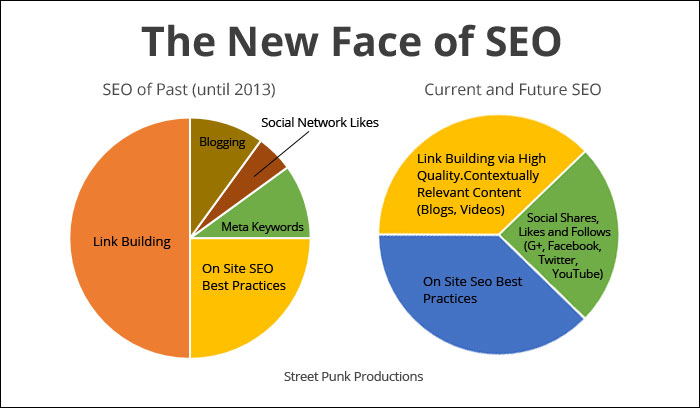
Credit: www.practicebuilders.com
Monitoring And Analytics
Monitoring and analytics are essential for improving website SEO. They help identify what’s working and what needs improvement. Regular analysis can boost your search engine rankings. Below, we’ll cover key aspects of monitoring and analytics.
Using Google Analytics
Google Analytics is a powerful tool for tracking website performance. It provides detailed insights into user behavior. Here’s how you can use it effectively:
- Set up goals: Define what you want to achieve with your website. This could be more page views, lower bounce rates, or higher conversions.
- Analyze traffic sources: Identify where your visitors are coming from. This helps you understand which channels are most effective.
- Monitor user behavior: Track how users navigate your site. This can reveal which pages are most engaging.
Regularly reviewing these metrics can help you make data-driven decisions. This leads to better SEO outcomes.
Tracking Keyword Rankings
Tracking keyword rankings helps you understand your search engine visibility. Here are key steps to follow:
- Identify target keywords: Choose keywords relevant to your content.
- Use SEO tools: Tools like Ahrefs, SEMrush, and Moz can track keyword rankings. These tools provide updates and detailed reports.
- Analyze ranking changes: Track changes in your keyword rankings. This helps identify trends and areas for improvement.
Monitoring keyword performance helps refine your SEO strategy. This ensures your content stays relevant and visible.
| Tool | Purpose | Benefits |
|---|---|---|
| Google Analytics | Track user behavior | Identify effective strategies |
| Ahrefs | Monitor keyword rankings | Detailed insights and reports |
| SEMrush | Analyze SEO performance | Comprehensive data |
Using these tools effectively can significantly improve your website’s SEO performance.
Credit: www.talentedladiesclub.com
Frequently Asked Questions
How Can I Improve My Website’s Seo?
To improve your website’s SEO, focus on quality content, keyword research, and backlinks. Optimize site speed and mobile-friendliness. Use meta tags and alt text.
What Are The Best Seo Practices?
The best SEO practices include keyword research, quality content, fast loading times, mobile optimization, and backlinks. Use descriptive meta tags.
Why Is Keyword Research Important?
Keyword research helps you understand what your audience is searching for. It guides content creation and improves search engine ranking.
How Do Backlinks Improve Seo?
Backlinks signal to search engines that your content is valuable. They improve authority and ranking, leading to more traffic.
Conclusion
Boosting your website’s SEO requires continuous effort and strategy. Focus on quality content, keywords, and user experience. Regularly update your site and monitor performance. Implementing these tips can lead to higher search engine rankings and increased traffic. Stay committed, and your website will see significant improvement in SEO over time.