
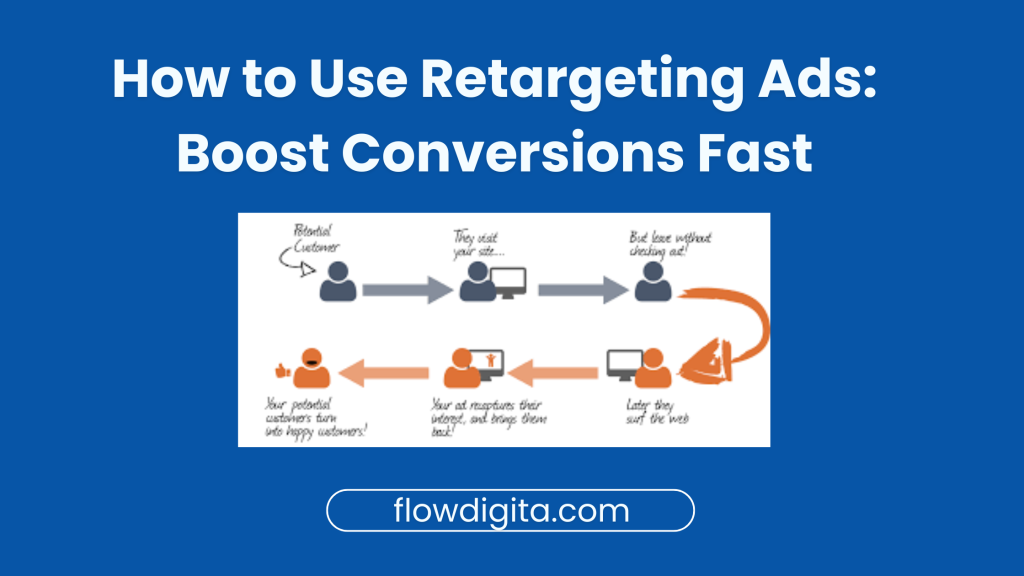
Use retargeting ads to re-engage users who have previously visited your website. Tailor ads to their specific interests to boost conversions.
Retargeting ads are a powerful tool for digital marketers. They help re-engage potential customers who have shown interest in your products or services but didn’t convert. By targeting these users with relevant ads, you can remind them of what they left behind and encourage them to return.
This strategy not only increases conversion rates but also maximizes the efficiency of your advertising budget. Retargeting ads can be displayed on various platforms, including social media, search engines, and display networks. Effective retargeting requires understanding user behavior and crafting personalized messages that resonate. By implementing retargeting ads, you can significantly enhance your marketing efforts and drive more sales.
Introduction To Retargeting Ads
Have you ever visited a website and then seen its ads elsewhere? That’s retargeting in action. Retargeting ads remind visitors of your website. They encourage users to return and complete desired actions.
What Are Retargeting Ads?
Retargeting ads are a form of online advertising. They target users who have previously visited your website. These ads follow users as they browse other sites. This increases the chances of them returning to your website. Retargeting ads use cookies to track visitor behavior. This ensures that ads are shown to the right audience.
Importance Of Retargeting
Retargeting ads are very important for online businesses. They help in converting visitors into customers. Here are some key benefits:
- Increases Brand Awareness: Retargeting keeps your brand visible to potential customers.
- Boosts Conversion Rates: Visitors are more likely to convert after seeing retargeting ads.
- Cost-Effective: Retargeting often costs less than other forms of advertising.
Retargeting ads remind users about your products or services. They encourage users to take action, like making a purchase.
| Benefit | Explanation |
|---|---|
| Brand Awareness | Keeps your brand in users’ minds. |
| Conversion Rates | Increases the chances of user conversion. |
| Cost-Effective | Less expensive than other advertising forms. |
Using retargeting ads is a smart strategy. They help in achieving better results for your business.
Setting Up Retargeting Campaigns
Retargeting ads help you reach people who visited your website. Setting up these campaigns can seem tricky, but it’s simple if you follow the right steps. This guide will help you set up effective retargeting campaigns to boost your conversions.
Choosing The Right Platform
Choose a platform where your audience spends time. Popular options include Google Ads, Facebook Ads, and LinkedIn Ads.
| Platform | Best For |
|---|---|
| Google Ads | Wide Reach |
| Facebook Ads | Social Engagement |
| LinkedIn Ads | Professional Audience |
Google Ads offers a broad audience. Facebook Ads are good for social engagement. LinkedIn Ads target professionals.
Installing Tracking Pixels
Tracking pixels are tiny pieces of code. They help you track visitors and their actions. Install these pixels on your website to start retargeting.
- Log in to your ad platform.
- Navigate to the tracking pixel section.
- Copy the provided code.
- Paste the code into the header of your website.
- Save and publish the changes.
Adding tracking pixels is crucial for tracking user behavior. Make sure your code is correctly placed.
Remember: Every visitor action is valuable data for retargeting. Track and analyze this data to improve your campaigns.
By choosing the right platform and installing tracking pixels, you’re ready to launch a successful retargeting campaign. Use these steps to get started and watch your conversions grow!
Segmenting Your Audience
Retargeting ads are powerful tools. They help bring back potential customers. To use them effectively, segment your audience. This means dividing your audience into smaller groups. Each group should have similar characteristics. This allows for more personalized ads.
Creating Custom Audiences
Custom audiences are essential. They help you target specific groups. You can create these audiences based on various criteria. Here are some ways to create custom audiences:
- Website Visitors: Target people who visited your site.
- Past Customers: Focus on those who bought before.
- Email Subscribers: Use your email list for retargeting.
Using custom audiences makes your ads more relevant. This increases the chances of conversion.
Behavior-based Segmentation
Behavior-based segmentation is another effective strategy. It involves grouping users by their actions. Here are some examples:
| Behavior | Segment |
|---|---|
| Viewed a Product | Product Viewers |
| Added to Cart | Cart Abandoners |
| Spent Time on a Page | Engaged Users |
By segmenting based on behavior, your ads become more targeted. This leads to higher engagement and conversions.
Both custom audiences and behavior-based segmentation are crucial. They make your retargeting ads more effective. This helps to bring back potential customers and increase sales.
Designing Effective Ad Creatives
Creating effective ad creatives for retargeting ads is crucial. Well-designed ads can capture attention and drive conversions. Focus on crafting compelling messages and choosing eye-catching visuals. This section provides tips on how to achieve both.
Crafting Compelling Messages
- Understand Your Audience: Know who you’re targeting. Tailor your message to their needs and preferences.
- Use Actionable Language: Encourage users to take action. Use phrases like “Buy Now” or “Learn More”.
- Highlight Benefits: Focus on what the user gains. Mention discounts, new features, or exclusive offers.
- Keep It Short: Messages should be clear and concise. Aim for simplicity and directness.
Choosing Eye-catching Visuals
- High-Quality Images: Use high-resolution images. Blurry or pixelated visuals can turn users away.
- Brand Consistency: Ensure visuals match your brand’s style. Consistent colors and fonts build trust.
- Relevant Graphics: Choose images that relate to your product or service. Irrelevant visuals can confuse users.
- Use Contrast: Make your visuals stand out. Use contrasting colors to draw attention to key elements.
Optimizing Ad Placement
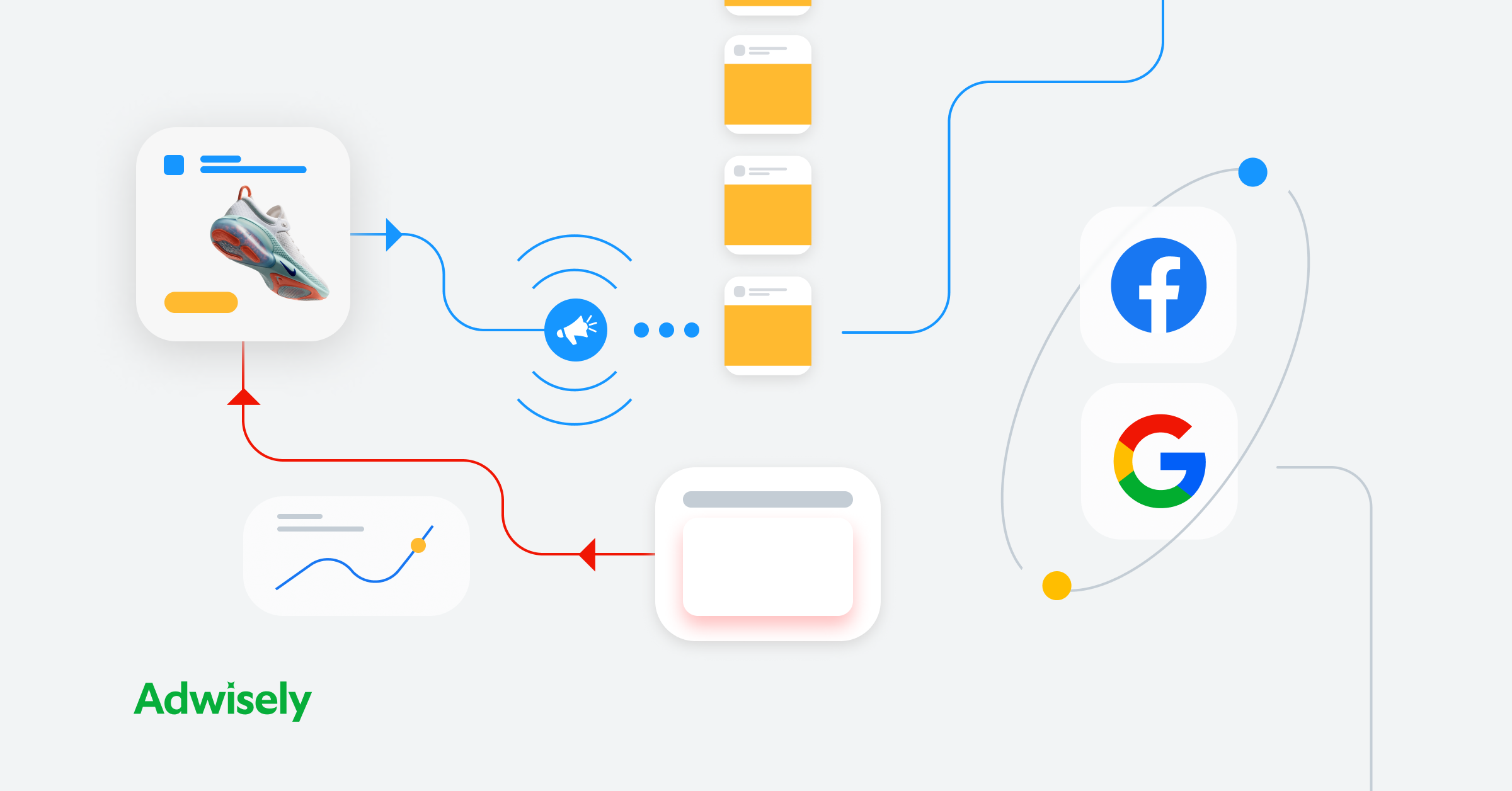
Optimizing ad placement is crucial for effective retargeting campaigns. Proper placement ensures your ads reach the right audience at the right time. This helps in converting potential leads into loyal customers. Let’s explore how to optimize ad placement by focusing on determining ad frequency and selecting ad formats.
Determining Ad Frequency
Ad frequency refers to how often a user sees your ad. Finding the perfect frequency is key. Too few ads, and you risk being forgotten. Too many ads can annoy users.
- Start with a frequency cap of 3-5 times per week.
- Monitor the performance and adjust as needed.
- Use analytics tools to track user engagement.
High engagement might indicate a need to increase frequency. Low engagement suggests reducing it. Balance is essential for maximizing conversions.
Selecting Ad Formats
Choosing the right ad format enhances user experience. Various formats suit different platforms and user behaviors.
| Ad Format | Description |
|---|---|
| Banner Ads | Static or animated images placed on websites. |
| Video Ads | Short videos that capture attention quickly. |
| Native Ads | Ads that blend with the platform’s content. |
Test different formats to see which performs best. Use A/B testing to compare results. Match ad formats to user preferences and platform requirements.
Remember, optimizing ad placement involves continuous testing and tweaking. Stay updated with trends and user behavior for best results.
Credit: adwisely.com
A/b Testing Your Ads
A/B testing is crucial for optimizing your retargeting ads. It helps you find the best-performing variations. This process involves creating different versions of your ads. Then, you measure their effectiveness. The goal is to improve click-through rates and conversions.
Creating Test Variations
Start by creating multiple ad variations. Change only one element at a time. This could be the ad copy, image, or call-to-action button. This method helps identify what changes impact performance. Use the table below to plan your variations:
| Ad Version | Element Changed | Description |
|---|---|---|
| Ad A | Image | Uses a product photo |
| Ad B | Image | Uses a lifestyle photo |
| Ad C | Call-to-Action | Uses “Buy Now” |
| Ad D | Call-to-Action | Uses “Learn More” |
Analyzing Test Results
After running your ads, analyze the results. Look at metrics like click-through rate (CTR) and conversion rate. Use the data to determine which ad performed best. Consider the example below:
| Ad Version | CTR | Conversion Rate |
|---|---|---|
| Ad A | 2.5% | 1.2% |
| Ad B | 3.0% | 1.5% |
| Ad C | 2.0% | 1.0% |
| Ad D | 3.2% | 1.8% |
From this data, Ad D performed the best. It had the highest CTR and conversion rate. Use these insights to refine your ads. Keep the winning elements and test new variations.
Remember, A/B testing is an ongoing process. Continuously test and optimize your ads. This will improve your retargeting strategy and drive better results.
Measuring Campaign Performance
Understanding how your retargeting ads are performing is essential. Measuring campaign performance helps you refine your strategy. This ensures you get the best return on investment (ROI).
Key Metrics To Track
Tracking the right metrics is crucial for success. Here are some key metrics to focus on:
- Click-Through Rate (CTR): The percentage of people who click your ad.
- Conversion Rate: The percentage of clicks that lead to a sale or action.
- Cost Per Click (CPC): The amount spent for each click on your ad.
- Return on Ad Spend (ROAS): The revenue earned for every dollar spent on ads.
- Impressions: The number of times your ad is displayed.
Using Analytics Tools
Analytics tools help you track and measure your campaign performance. Below are some popular tools:
| Tool | Features |
|---|---|
| Google Analytics | Tracks website traffic and conversion rates. |
| Facebook Ads Manager | Monitors ad performance on Facebook and Instagram. |
| Google Ads | Provides insights on ad clicks, CPC, and ROAS. |
Using these tools, you can:
- Identify high-performing ads.
- Optimize underperforming campaigns.
- Allocate budget more effectively.
Regularly reviewing these metrics helps you make data-driven decisions. This ensures your retargeting ads remain effective and profitable.

Credit: www.launchboom.com
Advanced Retargeting Strategies
Advanced retargeting strategies help businesses improve their ad performance. They target users who have shown interest in products or services. These strategies use data to deliver personalized ads. Let’s explore two advanced techniques: Dynamic Retargeting and Cross-Platform Retargeting.
Dynamic Retargeting
Dynamic Retargeting shows ads based on users’ past interactions. It uses data to display relevant products or services. This makes ads more personalized and effective. Here is how it works:
- Product Feed Integration: Connect your product catalog with your ad platform.
- User Behavior Tracking: Track user activity on your website.
- Ad Creation: Create ads that show products users viewed or added to their cart.
Dynamic Retargeting increases the chances of conversions. It keeps products in front of potential buyers.
Cross-platform Retargeting
Cross-Platform Retargeting targets users across multiple devices and platforms. This strategy ensures your ads reach users wherever they are. Here’s how to implement it:
- Identify User Devices: Use cookies and device IDs to track users across devices.
- Unified Ad Campaigns: Create ad campaigns that work on different platforms.
- Consistent Messaging: Ensure your ad message stays consistent across all platforms.
Cross-Platform Retargeting improves brand visibility. It ensures your message reaches users on their preferred devices.
| Strategy | Key Components | Benefits |
|---|---|---|
| Dynamic Retargeting |
|
|
| Cross-Platform Retargeting |
|
|
Common Pitfalls To Avoid
Retargeting ads can boost your business. Yet, many make mistakes. Avoid these common pitfalls to make the most of your ads.
Overexposure To Ads
Showing ads too often can annoy customers. This is called overexposure. Your audience may feel overwhelmed. Too many ads can lead to ad fatigue. This means users start ignoring your ads.
To avoid this, set a frequency cap. This limits how many times an ad is shown. Use tools like Google Ads or Facebook Ads Manager. They help manage ad frequency.
| Tool | Feature |
|---|---|
| Google Ads | Ad Frequency Cap |
| Facebook Ads Manager | Ad Set Frequency |
Ignoring Audience Feedback
Your audience provides valuable feedback. Ignoring it is a big mistake. Read comments and messages. They can guide you on ad performance. Look at analytics to see what works and what doesn’t.
- Read comments on social media.
- Check email feedback.
- Use analytics tools for insights.
Adjust your ads based on this feedback. This keeps your audience engaged and happy. It also improves your ad performance.
Future Trends In Retargeting
Retargeting ads are evolving rapidly. Marketers must stay ahead of trends. This section dives into future trends in retargeting, focusing on AI, Machine Learning, and Privacy Regulations.
Ai And Machine Learning
AI and Machine Learning are transforming retargeting ads. These technologies enable more accurate predictions and personalized ads. AI can analyze vast data sets quickly. This helps create more effective retargeting strategies.
Machine Learning algorithms learn from user behavior. They can predict which ads will perform best. This improves ad relevance and boosts conversion rates. Brands can serve the right ad at the right time.
Here’s how AI and Machine Learning enhance retargeting:
- Audience Segmentation: AI segments audiences based on behavior.
- Ad Personalization: Machine Learning customizes ads for each user.
- Performance Tracking: AI tracks and analyzes ad performance.
Privacy Regulations
Privacy regulations are shaping retargeting strategies. Laws like GDPR and CCPA demand stricter data handling. Marketers must ensure they comply with these regulations.
Privacy regulations impact how data is collected and used. Users have more control over their data. Brands must be transparent about data usage. This builds trust and improves user experience.
Key aspects of privacy regulations include:
- User Consent: Obtain explicit consent before collecting data.
- Data Transparency: Inform users about data usage.
- Data Security: Ensure robust data protection measures.
Compliance with privacy regulations is crucial. It protects user data and maintains brand credibility.

Credit: www.forbes.com
Frequently Asked Questions
What Are Retargeting Ads?
Retargeting ads are advertisements shown to users who have previously visited your website. They help re-engage potential customers and increase conversion rates.
How Do Retargeting Ads Work?
Retargeting ads work by using cookies to track user behavior. When users leave your site, they see your ads on other platforms.
Why Are Retargeting Ads Effective?
Retargeting ads are effective because they target users who have already shown interest. This increases the likelihood of conversion.
How To Set Up Retargeting Ads?
To set up retargeting ads, choose a retargeting platform, add tracking pixels to your site, and create compelling ads.
Conclusion
Mastering retargeting ads can transform your marketing strategy. Focus on clear goals and track performance regularly. Use compelling visuals and personalized messages to engage your audience. By refining your approach, you can boost conversions and maximize ROI. Start optimizing your retargeting ads today to see significant improvements in your campaigns.