
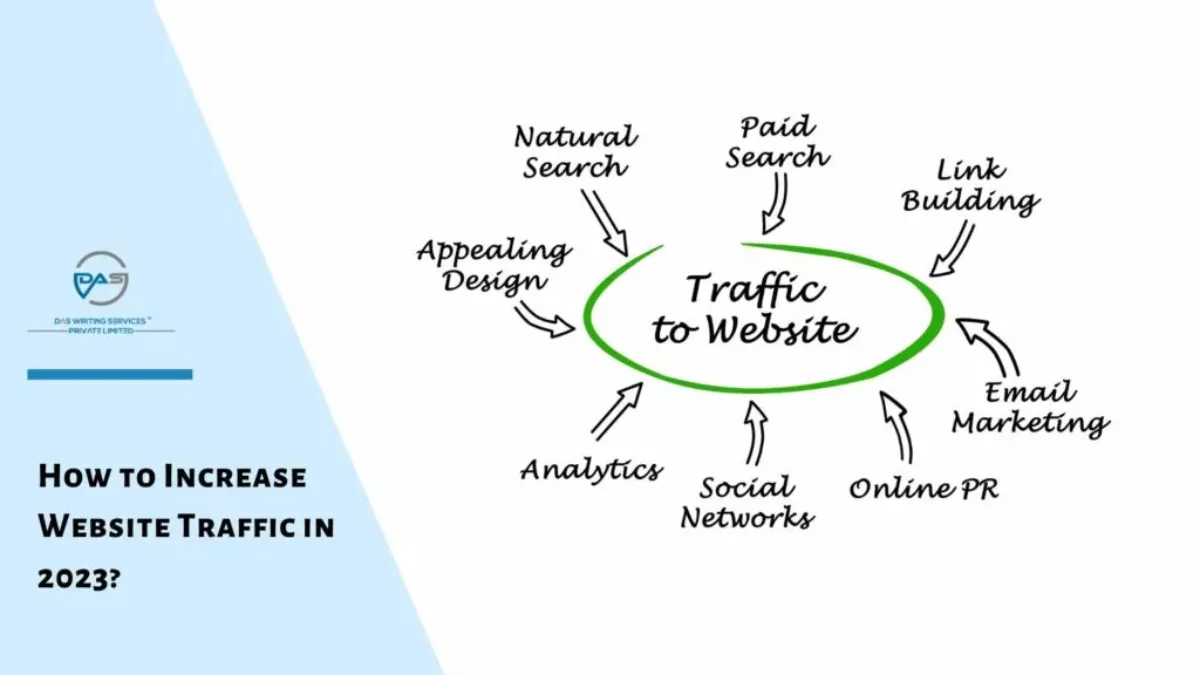
To increase website traffic, focus on quality content and effective SEO strategies. Utilize social media and email marketing.
Driving more traffic to your website requires a comprehensive approach. High-quality content is crucial to attract and retain visitors. Employing effective SEO techniques ensures your site ranks well in search engine results, increasing visibility. Social media platforms offer a valuable channel to engage with your audience and share your content widely.
Email marketing helps maintain communication with your subscribers, encouraging repeat visits. By combining these tactics, you can significantly boost your website traffic and achieve sustainable growth.

Credit: www.linkedin.com
Keyword Research
Keyword research is the foundation of successful SEO strategies. It helps you understand what your audience is searching for and how to rank higher on search engines. Let’s explore some effective techniques for keyword research.
Long-tail Keywords
Long-tail keywords are specific and less competitive. They attract targeted traffic. For example, instead of using “shoes,” you might use “best running shoes for women.” These keywords have lower search volumes but higher conversion rates.
- More specific search queries
- Less competition
- Higher conversion rates
Competitive Analysis
Competitive analysis helps you understand your competitors’ keyword strategies. It shows you which keywords are driving traffic to their sites. Use tools like SEMrush or Ahrefs to find these keywords.
Here’s a simple table to guide you:
| Tool | Function |
|---|---|
| SEMrush | Find competitor keywords |
| Ahrefs | Analyze backlink profiles |
Follow these steps for effective competitive analysis:
- Identify your top competitors.
- Use SEO tools to find their keywords.
- Analyze keyword difficulty and search volume.
By understanding and applying these techniques, you can drive more targeted traffic to your website.
Content Creation
Content creation is crucial for driving more visitors to your website. High-quality content can attract new users, keep them engaged, and encourage them to return. Below, we’ll explore two effective content formats: Blog Posts and Infographics.
Blog Posts
Blog posts are a great way to share valuable information with your audience. They help establish your authority in your niche. Regularly updated blogs can improve your site’s SEO.
- Write about trending topics in your industry.
- Use keywords that your audience is searching for.
- Keep your posts easy to read and informative.
Here’s a simple structure for a blog post:
| Section | Description |
|---|---|
| Title | Make it catchy and include a main keyword. |
| Introduction | Briefly introduce the topic and its importance. |
| Main Content | Provide detailed information, tips, or guides. |
| Conclusion | Summarize the key points and add a call-to-action. |
Infographics
Infographics are visual representations of information or data. They make complex information easy to understand. Infographics can also go viral on social media.
- Choose a topic that benefits from visual representation.
- Use a clean and simple design.
- Include data and statistics to back up your points.
Benefits of using infographics:
- They are shareable and can increase your reach.
- They can drive traffic back to your website.
- They improve engagement and retention.
Search Engine Optimization
Search Engine Optimization (SEO) is crucial for increasing website traffic. It involves improving your site’s visibility on search engines. SEO can be broken down into two main categories: On-Page SEO and Off-Page SEO.
On-page Seo
On-Page SEO refers to optimizing individual web pages. This helps them rank higher and earn more relevant traffic. It includes various techniques:
- Keyword Research: Choose the right keywords for your content.
- Title Tags: Use keywords in your titles.
- Meta Descriptions: Write compelling meta descriptions.
- Header Tags: Structure your content with headers (H1, H2, H3).
- Image Alt Text: Add alt text to your images.
- Internal Linking: Link to other pages on your website.
Here is a table summarizing key On-Page SEO factors:
| Factor | Description |
|---|---|
| Keyword Research | Finding and using relevant keywords. |
| Title Tags | Including keywords in your titles. |
| Meta Descriptions | Writing attractive descriptions. |
| Header Tags | Structuring content with headers. |
| Image Alt Text | Using descriptive text for images. |
| Internal Linking | Linking to other pages on your site. |
Off-page Seo
Off-Page SEO involves activities outside your website. These actions improve your site’s ranking. Key strategies include:
- Backlinks: Get links from other websites.
- Social Media: Share your content on social platforms.
- Guest Blogging: Write articles for other websites.
- Influencer Outreach: Collaborate with influencers in your niche.
- Forums and Communities: Participate in relevant forums.
These strategies help build your site’s authority and trust. It’s essential to focus on quality rather than quantity.
Social Media Marketing
Social media marketing is a powerful tool to increase website traffic. It involves promoting your content on various social platforms. This can drive more visitors to your site. To succeed, you need to choose the right platforms and engage effectively.
Platform Selection
Choosing the right social media platform is crucial. Each platform has a unique audience. Here are some key platforms:
- Facebook: Good for all types of content and wide reach.
- Twitter: Best for quick updates and trending topics.
- Instagram: Ideal for visual content and younger audiences.
- LinkedIn: Perfect for professional and B2B content.
- Pinterest: Great for creative and DIY content.
Analyze where your target audience spends time. Focus your efforts on those platforms. This will help you reach the right people.
Engagement Strategies
Engaging with your audience is key. Here are some effective strategies:
- Create quality content: Share valuable and relevant posts.
- Use visuals: Images and videos attract more attention.
- Respond to comments: Engage with your followers promptly.
- Run contests: Offer giveaways to encourage participation.
- Use hashtags: Increase the visibility of your posts.
- Post consistently: Maintain a regular posting schedule.
These strategies can boost engagement. Engaged followers are more likely to visit your website. This helps in driving more traffic to your site.
Email Marketing
Email Marketing is a powerful tool to increase website traffic. It allows you to reach your audience directly. Properly executed email marketing can drive significant traffic to your website.
Subscriber List Building
Building a strong subscriber list is the first step. Here are some effective methods to build your list:
- Create engaging sign-up forms.
- Offer valuable incentives, like e-books or discounts.
- Use social media to promote your sign-up form.
- Host webinars and collect emails from attendees.
- Implement exit-intent pop-ups on your website.
Make sure your sign-up forms are easy to fill out. Use clear and concise language.
Campaign Strategies
Effective campaign strategies can significantly boost your website traffic. Here are some strategies to consider:
- Welcome Emails: Send a warm welcome email to new subscribers. Include a link to your website.
- Newsletter: Regularly send newsletters with valuable content. Link back to your website articles.
- Promotional Emails: Offer special promotions and discounts. Include clear calls to action.
- Cart Abandonment Emails: Remind users of their abandoned carts. Encourage them to complete the purchase.
- Re-engagement Campaigns: Target inactive subscribers. Offer them something special to re-engage them.
Always include strong call-to-action (CTA) buttons in your emails. Make sure the CTA directs users to your website.
| Strategy | Purpose |
|---|---|
| Welcome Emails | Introduce new subscribers to your brand. |
| Newsletter | Keep subscribers informed and engaged. |
| Promotional Emails | Encourage purchases and website visits. |
| Cart Abandonment Emails | Recover lost sales. |
| Re-engagement Campaigns | Re-activate inactive subscribers. |
Segment your subscriber list. Send personalized emails. This increases engagement and click-through rates.
Credit: www.daswritingservices.com
Paid Advertising
Paid advertising is a quick way to increase website traffic. You can target specific audiences and get immediate results. Below, we explore two popular methods: PPC campaigns and social media ads.
Ppc Campaigns
PPC campaigns are effective for attracting visitors. You pay each time a user clicks your ad. This ensures you only pay for actual traffic. There are several platforms for PPC ads.
| Platform | Benefits |
|---|---|
| Google Ads | High reach, targeted keywords |
| Bing Ads | Less competition, lower cost |
Google Ads is the most popular PPC platform. It has a wide reach and allows targeting specific keywords. Bing Ads is another good option. It has less competition and may cost less per click. To create a successful PPC campaign:
- Research and choose the right keywords
- Write compelling ad copy
- Set a budget that aligns with your goals
- Monitor and adjust your campaign regularly
Social Media Ads
Social media ads help you reach a broader audience. You can target users based on interests, demographics, and behavior. Popular platforms for social media ads include:
- Facebook Ads
- Instagram Ads
- LinkedIn Ads
Facebook Ads allow precise targeting and have a huge user base. Instagram Ads are perfect for visual content and younger audiences. LinkedIn Ads are best for B2B marketing. To get the most out of your social media ads:
- Choose the right platform for your audience
- Create engaging and eye-catching visuals
- Use clear and concise ad copy
- Set a daily or lifetime budget
- Track and optimize your ads for better performance
Combining PPC campaigns and social media ads can significantly increase your website traffic. Both methods allow you to control your budget and target specific audiences.
Collaborations And Partnerships
Collaborations and partnerships are key strategies to boost website traffic. By working with others, you can reach a wider audience. This section explores two effective methods: guest blogging and influencer marketing.
Guest Blogging
Guest blogging is a powerful tool for increasing website traffic. Write articles for other blogs in your niche. This helps you reach new audiences and build backlinks.
Consider these steps for successful guest blogging:
- Identify popular blogs in your niche.
- Pitch your ideas to the blog owners.
- Write high-quality content that provides value.
- Include a link back to your site in your bio.
Guest blogging enhances your brand visibility and drives traffic to your website.
Influencer Marketing
Influencer marketing is another effective way to increase traffic. Influencers have a large following that trusts their recommendations.
To leverage influencer marketing:
- Identify relevant influencers in your industry.
- Reach out with a collaboration proposal.
- Offer value to the influencer and their audience.
- Track the results and measure the impact.
Influencers can bring a significant boost to your website traffic.
| Strategy | Benefits |
|---|---|
| Guest Blogging | Increased brand visibility, backlinks, new audience |
| Influencer Marketing | Large audience reach, trust, significant traffic boost |
Credit: www.youtube.com
Analytics And Tracking
Tracking your website’s performance is crucial for increasing traffic. Analytics and tracking help you understand user behavior and improve your site. This section covers essential tools and methods for effective analytics and tracking.
Traffic Analysis Tools
Understanding where your traffic comes from is vital. Use traffic analysis tools to get insights. These tools can show you which pages are popular, where visitors come from, and how long they stay.
- Google Analytics: This is a free tool that provides detailed statistics. It helps you understand your audience and their behavior.
- SEMrush: This tool offers insights into your competitors’ traffic. You can see what keywords they rank for and use that data to your advantage.
- Ahrefs: This tool helps you analyze your backlinks and keywords. It shows how you rank compared to competitors.
Conversion Tracking
Tracking conversions is key to measuring success. Conversion tracking helps you see what actions users take on your site.
| Tool | Features |
|---|---|
| Google Analytics Goals | Track specific actions like sign-ups, purchases, and clicks. |
| Facebook Pixel | Monitor conversions from Facebook ads. Optimize ad performance. |
| Hotjar | See heatmaps and user recordings. Understand user behavior better. |
Use these tools to track user journeys and identify problem areas. This data helps you improve user experience and increase conversions.
Frequently Asked Questions
How Can I Improve Website Traffic Quickly?
To improve website traffic quickly, focus on SEO, social media marketing, and content creation. Use targeted keywords and engaging headlines. Leverage trending topics and share your content across multiple platforms.
What Are Effective Seo Strategies For Traffic?
Effective SEO strategies include keyword research, on-page optimization, and quality backlinks. Regularly update your content and ensure it is mobile-friendly. Monitor analytics to adjust strategies as needed.
How Do Social Media Platforms Increase Traffic?
Social media platforms increase traffic by sharing your content with a larger audience. Engage with followers, join relevant groups, and use hashtags. Paid promotions can also boost visibility.
Why Is Content Quality Important For Traffic?
Content quality is crucial because it keeps visitors engaged and encourages shares. High-quality content improves SEO rankings and builds trust with your audience. It leads to repeat visits and higher traffic.
Conclusion
Boosting your website traffic is achievable with the right strategies. Focus on quality content, SEO, and engaging social media. Regularly update your site to keep visitors coming back. Implement these tips to see a significant increase in your website’s traffic.
Stay consistent, and watch your online presence grow.