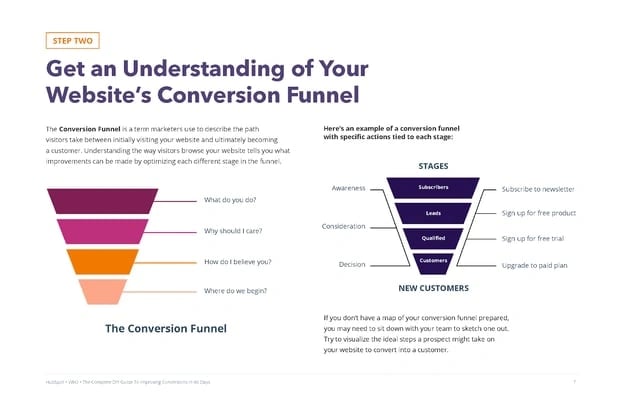
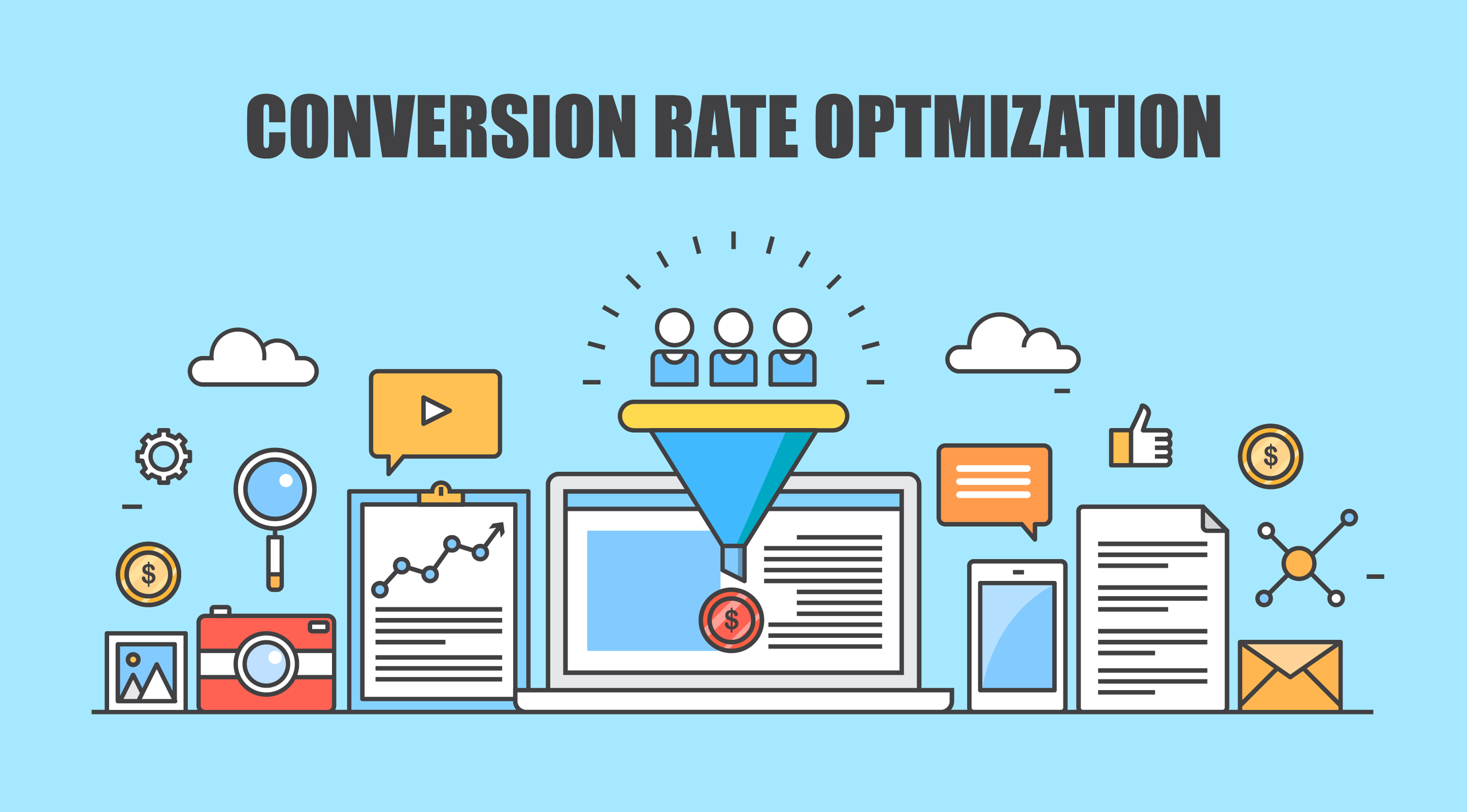
Conversion Rate Optimization (CRO) focuses on increasing the percentage of website visitors who complete a desired action. It involves refining elements to improve user experience and engagement.
CRO plays a crucial role in digital marketing. By analyzing user behavior, businesses can identify barriers to conversion and implement strategies to overcome them. This can include A/B testing, improving website design, and optimizing content. Effective CRO leads to higher sales, increased lead generation, and better ROI.
It’s essential for businesses aiming to maximize their digital presence and efficiency. CRO ensures that traffic driven to the site converts at a higher rate, making marketing efforts more profitable. It’s a continuous process of testing and refining to achieve optimal results.
Credit: learn.g2.com
Analyzing User Behavior
Understanding how users interact with your website is crucial for improving conversion rates. Analyzing user behavior helps you identify obstacles and optimize the user experience. This section dives into effective methods to understand user behavior.
User Journey Mapping
User Journey Mapping visualizes the path users take on your site. This map shows how users move from one page to another. It helps pinpoint where users drop off or convert.
Creating a User Journey Map involves:
- Identifying key touchpoints
- Tracking user actions
- Understanding user goals
Use tools like Google Analytics to gather data. Understand what users do at each stage. This insight helps improve the user journey.
Heatmaps And Click Tracking
Heatmaps and Click Tracking provide visual representations of user interactions. They show where users click, scroll, and spend time.
Heatmaps highlight:
- Popular areas
- Ignored sections
- User engagement levels
Click Tracking reveals the exact spots users click. This data helps identify which elements attract the most attention. Use tools like Hotjar or Crazy Egg for effective heatmap analysis.
Here is a simple table to represent the differences:
| Heatmaps | Click Tracking |
|---|---|
| Shows overall engagement | Shows specific click data |
| Visual heat zones | Exact click locations |
| Identifies hot and cold areas | Tracks button and link clicks |
Both tools are essential for understanding user behavior and improving conversions. Implement these methods to optimize your website effectively.
A/b Testing Essentials
Conversion Rate Optimization (CRO) is crucial for any online business. One essential technique in CRO is A/B Testing. A/B Testing helps you understand what works best for your audience. This process involves comparing two versions of a webpage to see which one performs better. Let’s dive into the essentials of A/B Testing.
Setting Up Tests
Setting up A/B tests is simple yet powerful. First, choose the element to test. It can be a headline, button, or image. Make sure to test only one element at a time. This ensures accurate results.
Use tools like Google Optimize or Optimizely. These tools help create and manage your tests easily. Here are the steps to set up an A/B test:
- Identify the goal of the test.
- Select the element to test.
- Create two versions: A (control) and B (variation).
- Use an A/B testing tool to split traffic.
- Run the test for a sufficient period.
Make sure the test runs long enough to gather meaningful data. This usually means at least a week.
Analyzing Test Results
After the test, it’s time to analyze the results. Look at key metrics like conversion rate and bounce rate. These metrics show how well each version performed.
Use tools to visualize the data. Google Analytics is great for this. Compare the results of version A and version B. Look for significant differences.
If version B performs better, implement the changes. If not, go back to the drawing board. Here are some tips for analyzing test results:
- Check the sample size for statistical significance.
- Look at the performance across different segments.
- Consider external factors that might affect results.
Document the findings and plan the next test. Continuous testing leads to ongoing improvement.
Improving Landing Pages
Improving landing pages is crucial for boosting conversion rates. A well-designed landing page can turn visitors into customers. This section will guide you on enhancing your landing pages for optimal performance.
Design Best Practices
Good design is key for effective landing pages. Follow these best practices:
- Clean Layout: Ensure a clutter-free design. Use white space effectively.
- Responsive Design: Make sure your page looks good on all devices.
- Fast Loading: Optimize images and scripts for quick load times.
- Consistent Branding: Use your brand colors and fonts consistently.
- Visual Hierarchy: Highlight important elements like headlines and CTAs.
Effective Call-to-actions
Call-to-Actions (CTAs) are crucial for conversions. Make your CTAs effective by following these tips:
- Clear Text: Use action-oriented words like “Buy Now” or “Get Started”.
- Visible Buttons: Ensure your CTA buttons stand out. Use contrasting colors.
- Above the Fold: Place CTAs where users can see them without scrolling.
- Urgency: Add a sense of urgency with phrases like “Limited Time Offer”.
- Benefit-Focused: Highlight the benefit of taking the action.
Improving your landing pages with these practices can significantly increase your conversion rates.
- `, `
- `, and `` enhances the readability and search engine friendliness of the text.
Credit: www.newbreedrevenue.com
Optimizing Checkout Processes
Conversion Rate Optimization is key to boosting your website’s sales. One crucial area to focus on is optimizing checkout processes. A smoother checkout can significantly increase your conversion rates. Let’s explore ways to enhance this critical part of your sales funnel.
Simplifying Steps
Keep the checkout process simple. Fewer steps mean fewer chances for users to abandon their cart. Use a single-page checkout if possible. This minimizes distractions and keeps users focused.
- Combine shipping and billing information on one page.
- Allow users to check out as guests.
- Use progress indicators to show users how many steps remain.
Reducing Cart Abandonment
Cart abandonment is a big issue in e-commerce. You can reduce it by addressing key pain points. Make sure to offer multiple payment options. Popular choices include credit cards, PayPal, and Apple Pay.
| Issue | Solution |
|---|---|
| Unexpected Costs | Show all costs upfront. |
| Complicated Checkout | Simplify the steps. |
| Security Concerns | Show security badges and trust seals. |
Another strategy is to send cart abandonment emails. These remind users of what they left behind and often include special offers to entice them back.
Leveraging Social Proof
Conversion Rate Optimization (CRO) is crucial for any business. One powerful strategy to boost conversions is leveraging social proof. Social proof is the idea that people will follow the actions of others. This concept can significantly increase your conversion rates.
Customer Testimonials
Customer testimonials are a great way to build trust. They show real people who love your product. Here are a few ways to use them:
- Text Testimonials: Simple quotes from happy customers.
- Video Testimonials: Short videos of customers sharing their experiences.
- Star Ratings: Display average ratings from customer reviews.
Ensure testimonials are authentic and specific. Include the customer’s name and photo. This adds credibility and relatability.
Case Studies
Case studies provide detailed stories about your product’s impact. They show your product solving real problems. Here’s a simple structure for a case study:
| Section | Content |
|---|---|
| Introduction | Brief overview of the client and their challenges. |
| Solution | How your product or service solved their problems. |
| Results | Measurable outcomes and benefits achieved. |
Use real data and specific metrics. These make your case studies more convincing. Show before-and-after scenarios to highlight improvements.
Personalization Techniques
Personalization techniques can significantly improve your Conversion Rate Optimization (CRO). By tailoring content and experiences to individual users, you can increase engagement and conversions. Below, we’ll explore two effective personalization techniques: dynamic content and user segmentation.
Dynamic Content
Dynamic content refers to web content that changes based on user behavior. This can include personalized recommendations, targeted messages, or location-based information. Dynamic content aims to provide a more relevant experience for each user.
Here are some ways to implement dynamic content:
- Product Recommendations: Suggest products based on user browsing history.
- Location-Based Offers: Show offers relevant to the user’s location.
- Behavioral Triggers: Display messages based on user actions.
Dynamic content helps in creating a more engaging experience for users, which can lead to higher conversion rates.
User Segmentation
User segmentation involves dividing your audience into smaller groups based on specific criteria. This can be demographics, behavior, or purchasing history. Segmentation allows you to target these groups with more personalized content.
Here’s a simple table to understand user segmentation better:
| Segment | Criteria | Personalized Content |
|---|---|---|
| New Visitors | First-time site visitors | Welcome messages, introductory offers |
| Returning Customers | Previous purchases | Exclusive deals, loyalty rewards |
| Geographic Location | User’s location | Local events, region-specific offers |
Using user segmentation can help you deliver more relevant content, leading to better user engagement and higher conversion rates.
Measuring Success
Measuring success is crucial in Conversion Rate Optimization (CRO). Without measuring, you can’t understand what works. This section explores how to measure CRO success.
Key Metrics
Key metrics help determine CRO effectiveness. Focus on the following:
- Conversion Rate: The percentage of visitors that complete the desired action.
- Bounce Rate: The percentage of visitors who leave after viewing one page.
- Average Session Duration: The average time a visitor spends on your site.
- Pages per Session: The average number of pages viewed during a visit.
- Exit Rate: The percentage of visitors that leave from a specific page.
Track these metrics regularly to gauge performance.
Continuous Improvement
Continuous improvement ensures ongoing CRO success. Follow these steps:
- Analyze Data: Use tools like Google Analytics.
- Identify Weak Spots: Find pages with high bounce rates.
- Test Changes: A/B test different elements.
- Implement Successful Changes: Apply changes that improve metrics.
- Monitor Results: Keep tracking key metrics.
Repeat this process to achieve consistent growth.

Credit: www.sender.net
Frequently Asked Questions
What Is Conversion Rate Optimization (cro)?
Conversion Rate Optimization (CRO) is the process of enhancing your website to increase the percentage of visitors who complete desired actions, like making purchases or signing up for newsletters.
Why Is Cro Important For Businesses?
CRO is crucial because it helps maximize the value of your existing traffic. Improved conversion rates mean higher revenue without additional advertising costs.
How Can I Improve My Website’s Conversion Rate?
To improve your conversion rate, use A/B testing, enhance user experience, simplify navigation, and ensure your calls-to-action are clear and compelling.
What Are Common Cro Tools?
Popular CRO tools include Google Analytics, Hotjar, Optimizely, and Crazy Egg. These tools help track user behavior and test website changes.
Conclusion
Optimizing your conversion rate can significantly boost your business success. Implement strategies, test frequently, and analyze results. Small tweaks can lead to big improvements. Stay focused on user experience and clear calls to action. Keep refining your approach to achieve better conversions and grow your business effectively.