
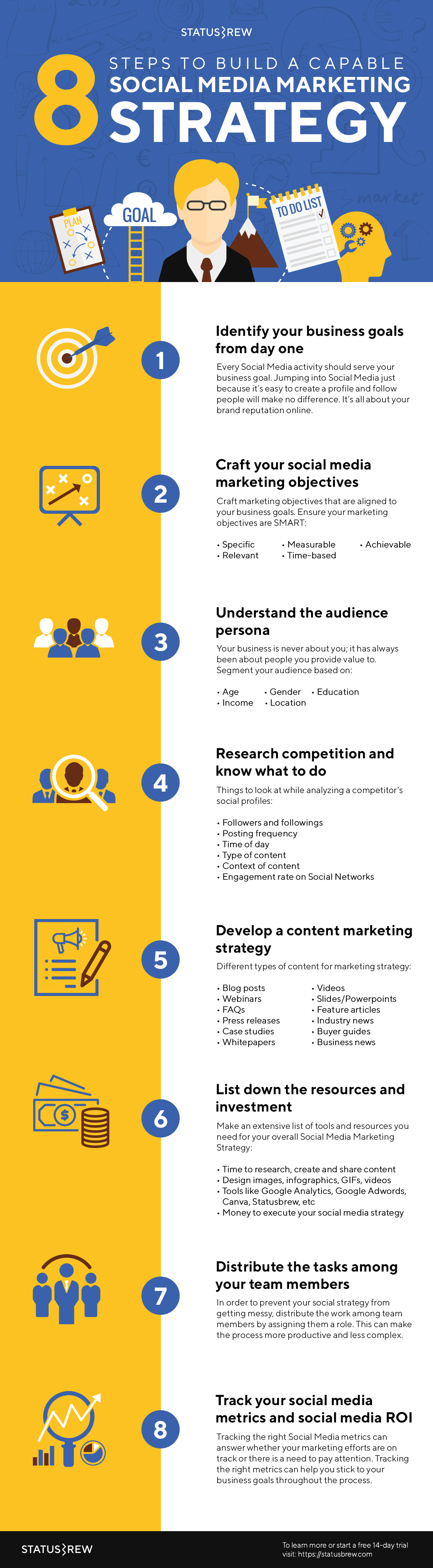
To build a social media marketing strategy, define your goals and identify your target audience. Then, create engaging content tailored to each platform.
A robust social media marketing strategy is crucial for business growth in today’s digital age. Start by clearly defining your goals, whether it’s increasing brand awareness, driving website traffic, or boosting sales. Knowing your target audience helps tailor your content to their preferences and behaviors.
Consistently engaging, high-quality content keeps your audience interested and encourages interaction. Utilize analytics to track performance and adjust your strategy accordingly. By following these steps, you can effectively harness the power of social media to achieve your business objectives. This approach ensures your marketing efforts are both efficient and impactful.
Audience Research
Understanding your audience is crucial for a successful social media marketing strategy. It helps you tailor your content, engage effectively, and achieve your goals. Let’s dive into how to conduct audience research.
Identifying Target Audience
To identify your target audience, ask yourself the following questions:
- Who are your current customers?
- What are their demographics?
- What are their interests?
- Where do they spend their time online?
Once you have answers to these questions, use tools like Google Analytics, Facebook Insights, and Twitter Analytics to gather data about your audience.
Here’s a simple table to help you organize this information:
| Criteria | Details |
|---|---|
| Age | 25-34 |
| Gender | Male |
| Location | USA |
| Interests | Tech, Sports |
Creating Buyer Personas
Creating buyer personas helps you understand your audience on a deeper level. A buyer persona is a fictional character that represents your ideal customer.
To create a buyer persona, include the following:
- Demographics: Age, gender, location
- Interests: Hobbies, favorite brands
- Online Behavior: Websites they visit, social media platforms they use
- Challenges: Problems they face, how your product can help
Here’s an example of a buyer persona:
| Criteria | Details |
|---|---|
| Name | John Doe |
| Age | 30 |
| Interests | Gaming, Fitness |
| Challenges | Finding time to exercise |
| Online Behavior | Uses Instagram and Reddit |
By knowing your audience, you can create content that resonates with them. This makes your social media marketing more effective and engaging.
Credit: www.socialmediaexaminer.com
Platform Selection
Choosing the right social media platform is crucial for your marketing strategy. Different platforms serve different purposes and audiences. Selecting the appropriate channels ensures your content reaches the right people.
Choosing The Right Channels
Identify your target audience before selecting a platform. Different age groups and demographics prefer different social media channels. For example:
| Platform | Audience Demographics |
|---|---|
| Wide range of age groups, primarily 25-55 years old | |
| Younger audience, mostly 18-34 years old | |
| Professionals, B2B audiences | |
| TikTok | Very young audience, primarily teenagers and young adults |
Analyze your competitors to see which platforms they use. This can give you insights into where your target market is most active.
Understanding Platform Differences
Each social media platform has unique features and content formats. Understanding these differences will help you create effective content.
- Facebook: Great for sharing articles, videos, and community engagement. Supports long-form content and diverse media types.
- Instagram: Visual-focused platform. Best for images, short videos, and stories. Use hashtags to reach a broader audience.
- LinkedIn: Professional networking. Ideal for B2B marketing, industry news, and professional content.
- TikTok: Short, engaging videos. Popular with a younger audience. Focus on trends and challenges.
Consider the type of content you plan to share. For example, visual content performs well on Instagram and Pinterest. Professional and educational content suits LinkedIn.
Review platform algorithms as they affect visibility. Facebook and Instagram prioritize content with high engagement. LinkedIn favors professional and industry-related posts.
Allocate resources based on your business goals. If brand awareness is a priority, platforms with large user bases like Facebook may be beneficial.
Content Planning
Building a robust social media marketing strategy involves thorough planning. One essential step is Content Planning. It includes deciding what content to create, when to post it, and how to manage it. Effective content planning ensures you engage your audience and meet your marketing goals.
Content Types
Diverse content types keep your audience interested. Here are some popular options:
- Blog Posts: Share informative and engaging articles.
- Videos: Create tutorials, behind-the-scenes, or product demos.
- Infographics: Visualize data and shareable facts.
- Images: Post high-quality photos related to your brand.
- Live Streams: Host live Q&A sessions or events.
Content Calendar
A Content Calendar helps you plan and organize your posts. It ensures consistency and timely delivery.
| Date | Content Type | Topic | Platform |
|---|---|---|---|
| January 1 | Blog Post | New Year Resolutions | Website |
| January 3 | Video | Product Demo | YouTube |
| January 5 | Infographic | Marketing Trends |
Use a Content Calendar to track upcoming posts. It also helps you stay ahead of important dates.
Developing a strong content plan is crucial. It keeps your social media strategy effective and engaging.
Engagement Strategies
Engagement strategies are crucial for successful social media marketing. They help build relationships, increase brand loyalty, and drive conversions. Let’s explore how to enhance engagement through building community and responding to interactions.
Building Community
Creating a strong community is vital for social media success. Here are steps to build a community:
- Create valuable content: Share posts that educate, entertain, or inspire.
- Encourage user-generated content: Ask followers to share their stories or photos.
- Host events: Organize live sessions, webinars, or contests.
- Use hashtags: Develop unique hashtags for campaigns or events.
- Engage with influencers: Collaborate with influencers to reach a broader audience.
Responding To Interactions
Responding to interactions is essential for maintaining an active community. Follow these practices:
- Reply promptly: Respond to comments and messages quickly.
- Be authentic: Use a genuine tone when replying.
- Address negative feedback: Handle complaints professionally and offer solutions.
- Show appreciation: Thank followers for their support and contributions.
- Engage in conversations: Ask questions and encourage discussions.
Effective engagement strategies build trust and foster loyalty. Implement these tips to create a vibrant online community.
Advertising Tactics
To build a successful social media marketing strategy, you need effective advertising tactics. This includes both paid campaigns and organic growth. These tactics help you reach your target audience and achieve your marketing goals.
Paid Campaigns
Paid campaigns involve spending money to promote your content. This can be done through different platforms like Facebook, Instagram, and Twitter. These campaigns can quickly boost your visibility.
- Facebook Ads: Target specific demographics.
- Instagram Promotions: Reach a younger audience.
- Twitter Ads: Engage in real-time conversations.
Paid campaigns are great for quick results and increasing brand awareness. Make sure to monitor your ad performance to maximize your return on investment (ROI).
Organic Growth
Organic growth means building your audience without paid promotions. This requires creating engaging and valuable content. Good content encourages users to follow and interact with your brand.
- Create high-quality posts.
- Share user-generated content.
- Engage with your audience.
Organic growth takes time but builds a loyal audience. Focus on consistency and quality to achieve long-term success.
| Paid Campaigns | Organic Growth |
|---|---|
| Quick results | Long-term engagement |
| Cost involved | Free |
| Immediate visibility | Builds trust |

Credit: sproutsocial.com
Analytics And Metrics
Analytics and metrics are crucial for a successful social media marketing strategy. They help you understand what works and what doesn’t. By analyzing data, you can refine your approach and achieve better results.
Key Performance Indicators
Key Performance Indicators (KPIs) measure the success of your social media efforts. These metrics provide insights into your strategy’s effectiveness.
Here are some essential KPIs:
- Engagement Rate: Measures likes, comments, and shares.
- Reach: Number of unique users who saw your content.
- Impressions: Total times your content is displayed.
- Click-Through Rate (CTR): Percentage of users who clicked on your post.
- Conversion Rate: Percentage of users who completed a desired action.
Adjusting Strategy
After reviewing your KPIs, adjust your strategy for better results. Use these metrics to identify areas for improvement.
Steps to adjust your strategy:
- Analyze data from your KPIs.
- Identify underperforming areas.
- Implement changes based on data insights.
- Monitor the impact of these changes.
- Continuously refine your strategy.
Tracking your analytics and metrics helps you stay on course. It ensures your social media marketing strategy is always optimized.
Tools And Resources
Building a strong social media marketing strategy requires the right tools and resources. These help streamline your efforts and maximize results. Explore essential tools and educational resources to boost your social media presence.
Social Media Management Tools
Using social media management tools can save you time and effort. They help you plan, schedule, and analyze your posts. Here are some popular tools:
- Hootsuite: Manage multiple social media accounts from one dashboard.
- Buffer: Schedule posts and analyze performance with ease.
- Sprout Social: Offers advanced analytics and social listening features.
- Canva: Create stunning visuals for your social media posts.
These tools help you stay organized and consistent. They also provide insights to refine your strategy.
Educational Resources
Staying updated with the latest trends is crucial. There are many educational resources available for social media marketing.
- Blogs: Websites like HubSpot and Social Media Examiner offer valuable insights.
- Online Courses: Platforms like Coursera and Udemy have comprehensive courses.
- Webinars: Attend live sessions by industry experts to learn new tactics.
- Podcasts: Listen to marketing podcasts for tips and case studies.
These resources help you learn and adapt to new strategies. Investing time in education pays off in the long run.
| Tool | Purpose |
|---|---|
| Hootsuite | Manage multiple accounts |
| Buffer | Schedule and analyze posts |
| Sprout Social | Advanced analytics |
| Canva | Create visuals |
Choose the right tools and resources to enhance your social media marketing strategy. They will help you achieve your goals efficiently.
Credit: www.demandgenreport.com
Frequently Asked Questions
What Is A Social Media Marketing Strategy?
A social media marketing strategy is a plan. It guides your actions on social platforms. It helps achieve marketing goals. Proper strategy ensures consistent branding and effective audience engagement.
How Do I Start A Social Media Strategy?
Start by defining your goals. Identify your target audience. Choose the right platforms. Create engaging content. Monitor performance and adjust as needed.
Why Is Social Media Important For Marketing?
Social media boosts brand awareness. It engages customers directly. It drives traffic to your website. It enhances customer loyalty and trust.
How Often Should I Post On Social Media?
Frequency depends on the platform. For instance, post daily on Instagram. Tweet multiple times a day. Consistency is key to engagement.
Conclusion
Crafting a social media marketing strategy can enhance your brand’s online presence. Follow the outlined steps to see results. Consistency and engagement are key to success. Monitor performance and adjust tactics as needed. Your well-executed strategy will lead to increased visibility and growth.
Start building your strategy today for a stronger online presence.