
To create a successful content marketing plan, identify your target audience and set clear, measurable goals. Develop a content calendar to stay organized and consistent.
Creating a successful content marketing plan is essential for driving traffic and generating leads. Start by identifying your target audience. Understand their needs, preferences, and pain points. Setting clear, measurable goals helps track progress and assess the effectiveness of your strategy.
Develop a content calendar to plan and schedule content in advance. This ensures consistency and allows for better resource management. Focus on producing high-quality, relevant content that addresses your audience’s needs. Utilize various content formats like blogs, videos, and social media posts to keep your audience engaged. Regularly analyze performance metrics to make data-driven adjustments.
Introduction To Content Marketing
Content marketing is a powerful tool for businesses today. It helps attract and engage customers. Creating a successful content marketing plan is crucial. Let’s dive into the basics of content marketing.
What Is Content Marketing?
Content marketing involves creating valuable content. This content attracts and engages a target audience. The goal is to drive profitable customer actions. Content can be in various forms. Examples include blog posts, videos, and social media updates.
- Blog Posts: Informative articles on specific topics.
- Videos: Engaging visual content to explain or promote.
- Social Media Updates: Short and frequent posts to connect with followers.
Importance Of Content Marketing
Content marketing is important for several reasons. It helps build trust and authority. When you provide valuable content, your audience trusts you. They see you as an expert in your field. This trust leads to customer loyalty.
SEO benefits are another key aspect. Search engines favor high-quality content. Good content improves your website’s ranking. Higher rankings lead to more organic traffic.
| Benefit | Description |
|---|---|
| Builds Trust | Creates a loyal customer base by providing value. |
| Improves SEO | Higher rankings lead to more website visitors. |
Content marketing also increases engagement. Engaging content encourages comments and shares. This interaction helps spread your message further.
- Build Trust
- Improve SEO
- Increase Engagement
Start creating valuable content today. A successful content marketing plan awaits.
Setting Your Goals
Creating a successful content marketing plan starts with setting clear goals. Goals help guide your efforts. They give direction and purpose. This section will cover two key areas: identifying business objectives and defining key performance indicators.
Identifying Business Objectives
First, identify your business objectives. These objectives should align with your overall business strategy. They should be specific and measurable. Here are some examples:
- Increase website traffic by 20% in six months
- Boost lead generation by 15% each quarter
- Enhance brand awareness through social media engagement
Business objectives help you stay focused. They ensure your content marketing efforts drive real results.
Defining Key Performance Indicators
Next, define your key performance indicators (KPIs). KPIs are metrics that track progress toward your goals. They should be clear and easy to measure. Here are some common KPIs:
| Objective | KPI |
|---|---|
| Increase website traffic | Monthly unique visitors |
| Boost lead generation | New leads per month |
| Enhance brand awareness | Social media followers |
KPIs help you measure success. They show how well your content marketing plan is working.
Understanding Your Audience
Understanding your audience is crucial for a successful content marketing plan. Knowing who they are helps in creating relevant and engaging content. This section dives into the methods for understanding your audience better.
Creating Buyer Personas
Creating buyer personas is the first step. These semi-fictional characters represent your ideal customers. They help in personalizing your content to meet specific needs.
Here’s a simple table to get started:
| Persona Name | Age | Job Title | Interests | Challenges |
|---|---|---|---|---|
| Marketing Mary | 30-45 | Marketing Manager | Social Media, Blogging | Generating Leads |
| IT Ian | 25-40 | IT Specialist | Tech News, Gadgets | System Downtime |
Analyzing Audience Needs
Analyzing audience needs involves understanding what they seek. Use tools like surveys, polls, and feedback forms. These tools provide direct insights into their preferences.
Consider these steps for a deeper analysis:
- Identify common pain points.
- Determine what content they engage with most.
- Use analytics to track behavior.
These steps help in creating targeted and useful content.
Engagement metrics are also vital. They show how well your content resonates with your audience. Metrics to track include:
- Page Views
- Time Spent on Page
- Social Shares
- Comments and Feedback
Tracking these metrics helps in refining your content strategy.
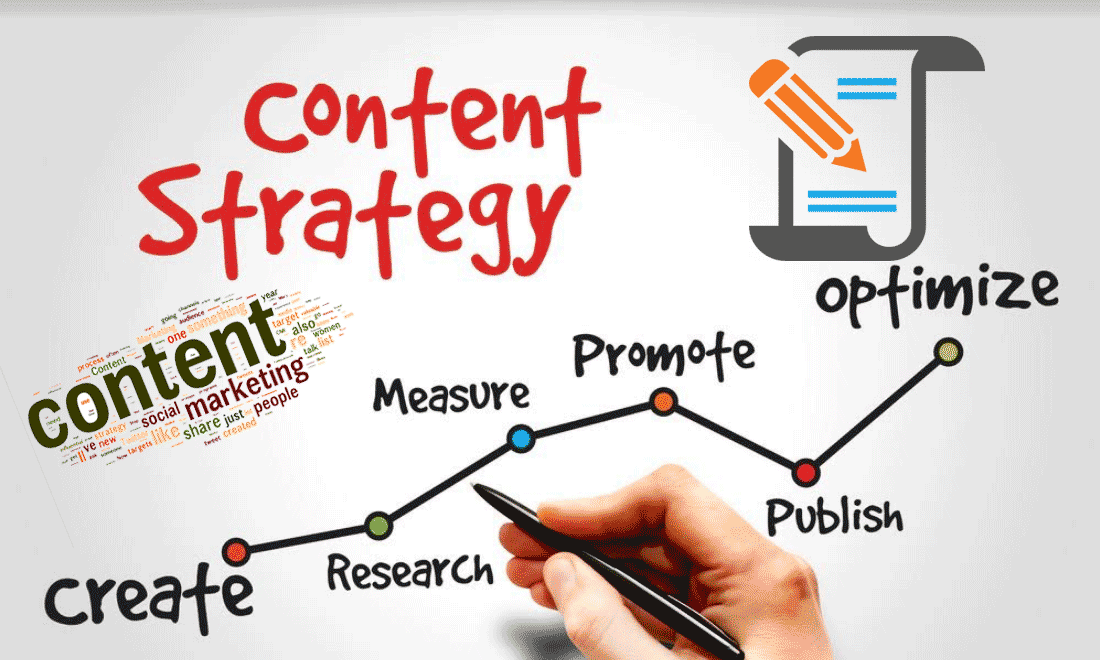
Credit: credible-content.com
Content Strategy Development
Creating a successful content marketing plan starts with a solid content strategy. This involves understanding your target audience and setting clear goals. A well-defined strategy ensures that your content aligns with your business objectives and resonates with your audience.
Choosing Content Types
Selecting the right content types is crucial. Different content formats serve different purposes. Here are some popular content types:
- Blog Posts: Great for sharing detailed information and driving traffic.
- Videos: Engaging and highly shareable on social media.
- Infographics: Perfect for presenting data in a visually appealing way.
- eBooks: Excellent for in-depth content and lead generation.
- Podcasts: Ideal for reaching audiences who prefer listening over reading.
Choose the content types that best suit your audience and goals.
Content Calendar Creation
A content calendar helps you stay organized and consistent. It outlines what content will be published and when. Here’s how to create one:
- Identify key dates and events relevant to your industry.
- Plan content around these dates to stay topical.
- Allocate specific content types to each date.
- Ensure a mix of content to keep the audience engaged.
- Regularly review and adjust your calendar as needed.
Using a content calendar ensures timely and relevant content delivery.
Content Creation
Creating engaging content is the heart of a successful content marketing plan. Your content must resonate with your audience. It should be informative, engaging, and visually appealing. Let’s explore two crucial aspects of content creation:
Writing Compelling Content
Writing compelling content requires understanding your audience’s needs. Use simple and clear language. Focus on solving problems. Here are some tips:
- Know Your Audience: Understand their interests and pain points.
- Use Catchy Headlines: Grab attention with intriguing titles.
- Include Keywords: Integrate relevant keywords naturally.
- Provide Value: Offer actionable insights and valuable information.
- Use Short Paragraphs: Make your content easy to read.
A good example of a compelling headline is: “10 Tips to Improve Your Writing Skills Today”. This headline is direct and promises immediate benefits.
Visual Content Production
Visual content is crucial for engaging your audience. It makes your content more attractive and memorable. Here’s how to create effective visual content:
- Use High-Quality Images: Choose clear and relevant images.
- Create Infographics: Summarize complex information visually.
- Embed Videos: Use short and informative videos to explain concepts.
- Include Charts and Graphs: Visualize data for easier understanding.
- Ensure Responsiveness: Optimize visuals for different devices.
For instance, an infographic about “The Benefits of Content Marketing” can quickly convey the importance of your strategy.
| Type of Visual | Purpose |
|---|---|
| Images | Enhance text and draw attention |
| Infographics | Summarize and visualize data |
| Videos | Explain complex topics easily |
| Charts | Show data trends |
Content Distribution
Content distribution is a vital part of any successful content marketing plan. It’s not just about creating quality content. It’s about making sure your content reaches the right audience. This involves selecting the best channels and optimizing for search engines.
Selecting Distribution Channels
Choosing the right distribution channels is crucial. Different channels suit different types of content. Here are some popular options:
- Social Media: Platforms like Facebook, Twitter, and Instagram.
- Email Newsletters: Directly reach your subscribers.
- Blog Posts: Share on your website to attract organic traffic.
- Guest Posts: Publish on other sites to reach new audiences.
Consider your audience’s preferences. Younger audiences prefer social media. Professionals may respond better to email newsletters. Analyze where your audience spends time online.
Optimizing For SEO
Search Engine Optimization (SEO) is key to content distribution. Here are some tips:
- Keyword Research: Find keywords your audience searches for.
- On-Page SEO: Use keywords in titles, headers, and meta descriptions.
- Quality Content: Google favors well-written, relevant content.
- Backlinks: Get links from reputable sites to boost your ranking.
Use tools like Google Analytics. Monitor your traffic and keywords performance. Adjust your strategy based on data.
| Channel | Best For |
|---|---|
| Social Media | Wide audience reach, engagement |
| Email Newsletters | Direct communication, personalized content |
| Blog Posts | Organic traffic, in-depth information |
| Guest Posts | New audiences, backlinks |
Effective content distribution involves a mix of channels. Tailor your strategy to your audience’s habits and preferences.
Measuring Success
Creating a successful content marketing plan requires tracking your progress. Measuring success helps you understand what works and what doesn’t. This allows you to adjust your strategies for better results.
Tracking Metrics
Tracking metrics is essential for measuring the success of your content. Use tools like Google Analytics to monitor:
- Website traffic – How many visitors come to your site.
- Engagement – How users interact with your content.
- Conversion rates – How many visitors take desired actions.
Keep an eye on social media metrics too. This includes likes, shares, and comments. These metrics show how your content performs on different platforms.
Analyzing Data
Analyzing data helps you make sense of the metrics you track. Look for patterns and trends. Use this information to refine your content strategy.
Consider creating a table to organize your data:
| Metric | Current Value | Goal | Improvement Needed |
|---|---|---|---|
| Website Traffic | 10,000 visitors | 15,000 visitors | 5,000 visitors |
| Engagement | 20% | 30% | 10% |
| Conversion Rate | 2% | 5% | 3% |
Regularly review and update your content marketing plan. This ensures you are meeting your goals. Use the insights gained from data analysis to improve your content.
Adjusting And Improving
Creating a successful content marketing plan is just the beginning. The real challenge lies in adjusting and improving your strategy over time. This ensures your content remains effective and continues to engage your audience.
Evaluating Performance
To improve your content marketing plan, start with evaluating performance. Regularly check how your content is performing. Use key metrics to understand what’s working and what’s not.
- Engagement Rate: Measure likes, shares, and comments.
- Conversion Rate: Track how many leads convert to customers.
- Website Traffic: Monitor the number of visitors and their behavior.
- Bounce Rate: Check the percentage of visitors leaving quickly.
Making Data-driven Adjustments
After evaluating performance, focus on making data-driven adjustments. This helps you optimize your content strategy.
| Metric | Action |
|---|---|
| Low Engagement | Update or repurpose content to make it more interesting. |
| High Bounce Rate | Improve the content’s relevance to your audience. |
| Low Conversion | Refine your call-to-action to be more compelling. |
| Stagnant Traffic | Experiment with different content formats and topics. |
Use these steps to adjust and improve your content marketing plan. Regularly updating your approach ensures continued success and growth.
Best Practices
Creating a successful content marketing plan requires following best practices. These practices help ensure your content reaches and engages your audience. Here are some key best practices to consider.
Consistency In Posting
Consistency is crucial in content marketing. Regular posting keeps your audience engaged. Create a content calendar. This helps plan posts ahead of time. Stick to your schedule. Don’t miss your posting dates. Consistency builds trust. Your audience knows when to expect new content.
| Frequency | Type of Content |
|---|---|
| Daily | Social Media Posts |
| Weekly | Blog Posts |
| Monthly | Newsletters |
Use automation tools. These tools help schedule posts. This ensures content goes live on time. Consistent posting improves your SEO rankings. Search engines favor active websites.
Engaging With Audience
Engage with your audience. Respond to comments. Answer questions. Show appreciation for feedback. This builds a community around your brand. An engaged audience is more likely to share your content.
- Reply to comments on your blog
- Interact on social media
- Host live Q&A sessions
Use interactive content. Polls, quizzes, and surveys are great tools. They encourage audience participation. Track engagement metrics. Adjust your strategy based on these metrics. High engagement indicates your content resonates with your audience.

Credit: contentmarketinginstitute.com

Credit: www.on24.com
Frequently Asked Questions
What Are The Key Elements Of A Content Marketing Plan?
A content marketing plan includes setting goals, identifying your audience, creating valuable content, and measuring results. It helps in achieving consistent success.
How Do I Identify My Target Audience?
Identify your target audience by analyzing demographics, interests, and behavior. Use tools like surveys and analytics to gather data.
What Types Of Content Should I Create?
Create a mix of blog posts, videos, infographics, and social media updates. Tailor the content to your audience’s preferences and needs.
How Often Should I Update My Content?
Update your content regularly to keep it fresh and relevant. Aim for at least once a month to maintain engagement.
Conclusion
Crafting a successful content marketing plan requires clear goals and consistent effort. Focus on understanding your audience’s needs. Use data to refine your strategy. Quality content will attract and engage your target audience. Keep analyzing and tweaking your plan for the best results.
Your dedication will lead to success.