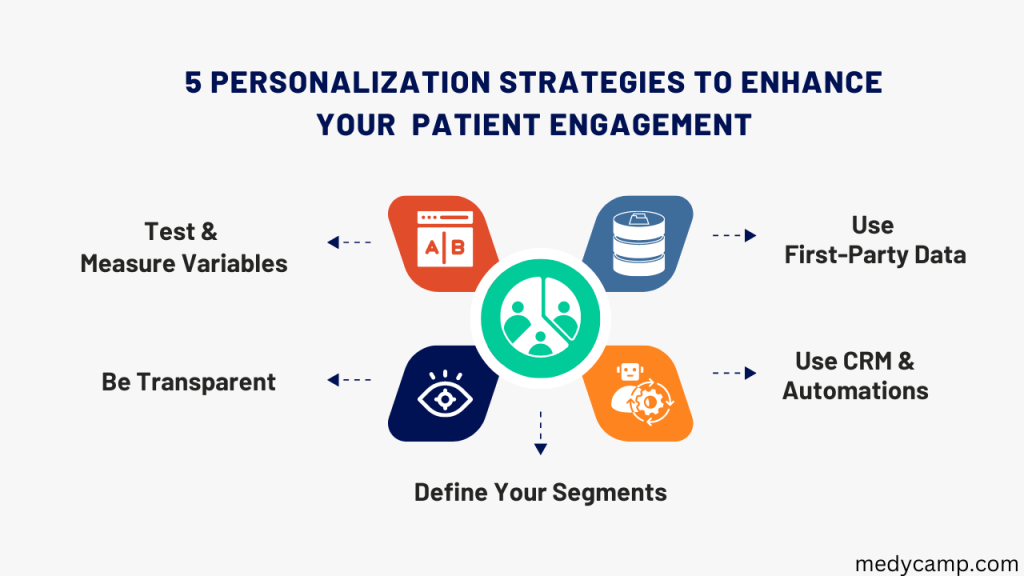
Personalization strategies involve tailoring content and experiences to individual users’ preferences and behaviors. These strategies improve engagement and customer satisfaction.
Personalization in marketing has become essential for businesses aiming to enhance user experience. By leveraging data, companies can deliver content that resonates with individual customers. This approach not only boosts engagement but also fosters brand loyalty. Personalization can be achieved through various methods such as email marketing, targeted advertising, and customized web experiences.
Effective personalization requires understanding customer needs and using technology to deliver relevant content. Businesses that excel in personalization often see higher conversion rates and improved customer retention. Adopting these strategies can provide a significant competitive advantage in today’s market.
Credit: www.yieldify.com
Introduction To Personalization
In the digital age, personalization has become crucial for businesses. It tailors user experiences to individual preferences. This strategy enhances customer engagement and satisfaction.
By using data analytics, businesses can craft customized experiences. Personalization involves understanding user behavior and preferences. Let’s explore why personalization matters and its benefits.
Why Personalization Matters
Personalization creates a unique experience for each user. It helps in making the user feel special and valued. This approach leads to higher customer retention and loyalty.
Users are more likely to engage with content that resonates with them. Personalized content increases the chances of conversions. It boosts user satisfaction and trust in the brand.
Benefits Of Personalization
Personalization offers numerous benefits for businesses:
- Increased Engagement: Tailored content keeps users interested.
- Higher Conversion Rates: Personalized recommendations boost sales.
- Improved Customer Loyalty: Users are more likely to return.
- Better Customer Insights: Data collection provides valuable user behavior insights.
Let’s look at these benefits in a table:
| Benefit | Description |
|---|---|
| Increased Engagement | Users stay longer and interact more with personalized content. |
| Higher Conversion Rates | Personalized offers and recommendations lead to more sales. |
| Improved Customer Loyalty | Personalized experiences make users feel valued and appreciated. |
| Better Customer Insights | Personalization helps gather data on user preferences and behavior. |
Personalization is not just a trend but a necessity. It provides a competitive edge in today’s market.
Customer Data Collection
Customer data collection is vital for personalized marketing. It helps businesses understand customer preferences. This knowledge enables customized experiences. Let’s explore the types of customer data and tools for data collection.
Types Of Customer Data
There are several types of customer data. Each type offers unique insights. Below are the main categories:
| Type | Description |
|---|---|
| Demographic Data | Includes age, gender, income, and education level. |
| Behavioral Data | Tracks customer actions like purchases and website visits. |
| Psychographic Data | Focuses on lifestyle, interests, and values. |
| Transactional Data | Details on past purchases and spending habits. |
Tools For Data Collection
Various tools can help collect customer data. These tools ensure accurate and efficient data gathering. Here are some popular options:
- Google Analytics: Tracks website traffic and user behavior.
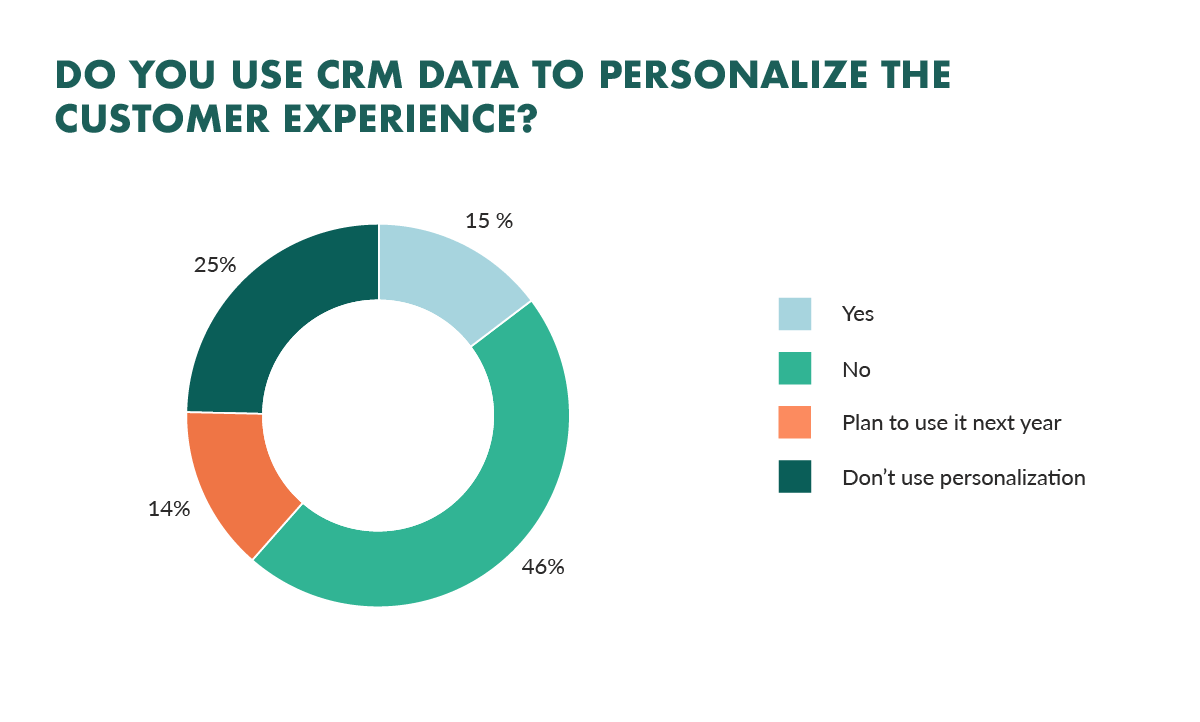
- CRM Software: Manages customer relationships and interactions.
- Surveys and Polls: Collects direct feedback from customers.
- Social Media Analytics: Monitors engagement and user preferences.
- Email Marketing Tools: Analyzes open rates, clicks, and user responses.
Use these tools to gather valuable data. The data will help create personalized experiences. This will boost customer satisfaction and loyalty.
Segmenting Your Audience
Personalization is key in today’s digital landscape. To achieve effective personalization, segmenting your audience is essential. By dividing your audience into distinct groups, you can tailor your messaging and offers to meet their specific needs. This approach enhances user engagement and drives conversions.
Demographic Segmentation
Demographic segmentation involves categorizing your audience based on quantifiable traits. These traits include age, gender, income, education level, and occupation.
For example, a brand targeting young adults might focus on social media platforms popular with this demographic. They can use appealing language and visuals that resonate with this age group.
Here’s a simple table to illustrate demographic traits:
| Demographic Trait | Example |
|---|---|
| Age | 18-24 years |
| Gender | Female |
| Income | $50,000 – $70,000 |
| Education Level | Bachelor’s Degree |
| Occupation | Marketing Professional |
Behavioral Segmentation
Behavioral segmentation focuses on the actions and behaviors of your audience. This includes purchase history, website activity, product usage, and brand loyalty.
For instance, users who frequently purchase a product can receive special offers. New visitors might get a welcome discount to encourage their first purchase.
Using behavioral data helps create personalized experiences. Here are some behaviors to consider:
- Purchase Frequency
- Browsing Patterns
- Engagement with Email Campaigns
- Social Media Interactions
By understanding these behaviors, you can craft targeted messages. This leads to higher engagement and increased customer satisfaction.
Credit: www.superoffice.com
Creating Personalized Content
Creating personalized content is essential for engaging your audience. Personalized content makes your readers feel special. This increases their loyalty and trust. Here are some effective personalization strategies.
Tailoring Messages
Tailoring messages to individual preferences is key. Use data to understand your audience. This includes their interests, behaviors, and demographics. Segment your audience into groups. Craft messages that resonate with each group.
For example, send different emails to different age groups. Younger readers might prefer trendy topics. Older readers might enjoy classic themes. This approach makes your messages more relevant.
Using Dynamic Content
Dynamic content changes based on the viewer. It adapts to their preferences and behaviors. This can be used in emails, websites, and more. Dynamic content includes personalized greetings, product recommendations, and more.
Here are some examples of dynamic content:
- Personalized Greetings: Use the recipient’s name in your message.
- Product Recommendations: Suggest products based on past purchases.
- Location-Based Content: Show content relevant to the user’s location.
Dynamic content makes your communication more engaging. It shows that you care about the individual user. This leads to higher engagement and conversion rates.
| Strategy | Example |
|---|---|
| Personalized Greetings | “Hello, John!” |
| Product Recommendations | “Based on your last purchase, you might like these items.” |
| Location-Based Content | “Check out events happening in your city.” |
Utilizing Ai And Machine Learning
Personalization strategies have evolved with technology. Artificial Intelligence (AI) and Machine Learning (ML) are at the forefront. These technologies enable tailored user experiences. They can predict user preferences and behaviors with high accuracy.
Ai In Personalization
AI enhances personalization by analyzing vast data sets. It identifies patterns and trends that humans might miss. Chatbots powered by AI provide instant customer support. They use natural language processing to understand queries. AI also personalizes content recommendations based on user behavior.
Machine Learning Algorithms
Machine Learning (ML) algorithms are key to effective personalization. These algorithms learn from user interactions. They adapt over time to improve accuracy. Here are some types of ML algorithms used:
- Supervised Learning: Uses labeled data to train models.
- Unsupervised Learning: Finds hidden patterns in unlabeled data.
- Reinforcement Learning: Learns from rewards and penalties.
| Algorithm Type | Example |
|---|---|
| Supervised Learning | Recommendation Systems |
| Unsupervised Learning | Customer Segmentation |
| Reinforcement Learning | Dynamic Pricing |
By leveraging these technologies, businesses can deliver a more personalized experience. Users feel more valued and understood. This increases engagement and loyalty.
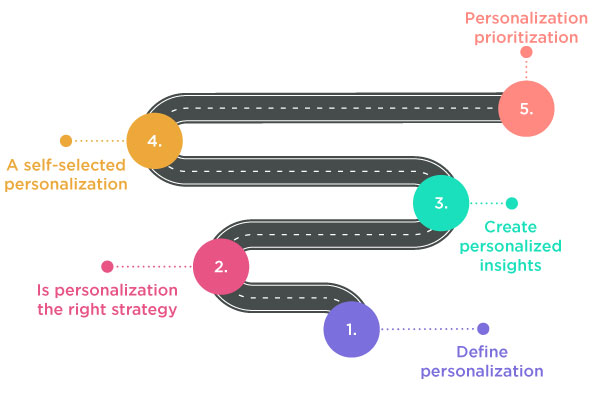
Credit: www.notifyvisitors.com
Personalized Email Campaigns
Personalized email campaigns are essential for modern marketing. They help connect with customers on a personal level. By tailoring messages, businesses can increase engagement and conversion rates. Let’s explore some effective strategies for personalized email campaigns.
Email Automation
Email automation streamlines your marketing efforts. It sends targeted emails based on user behavior. This saves time and ensures timely communication.
- Welcome emails for new subscribers
- Abandoned cart reminders
- Birthday and anniversary messages
Automation tools allow for segmentation. You can segment your audience based on interests, purchase history, or location. This ensures each recipient gets relevant content.
Personalized Subject Lines
Personalized subject lines grab attention. They make your emails stand out in crowded inboxes. Use the recipient’s name or mention their interests.
Here are some examples:
| Generic Subject Line | Personalized Subject Line |
|---|---|
| Check out our new products! | John, discover products tailored for you! |
| Don’t miss our sale! | Mary, exclusive sale just for you! |
Personalized subject lines increase open rates. They show the recipient that the email is relevant to them.
Personalized Web Experiences
Personalized web experiences can transform a user’s journey on your site. They make users feel special and valued. This leads to higher engagement and conversions. Let’s explore some effective strategies.
Dynamic Landing Pages
Dynamic landing pages adapt to user preferences and behaviors. They can change content, images, and offers based on user data. This makes the experience more relevant and engaging.
For example, a user from New York might see different content than a user from California. This geographical targeting can boost local relevance and appeal.
| User Data | Dynamic Content |
|---|---|
| Location | Localized offers and events |
| Past Purchases | Related product recommendations |
| Browsing History | Content based on recent visits |
Personalized Recommendations
Personalized recommendations can drive sales and user satisfaction. By analyzing user behavior, you can suggest products or content they might like.
Amazon uses this technique effectively. It shows products based on your past searches and purchases. This increases the chances of making a sale.
- Browsing history: Suggests items similar to what users viewed.
- Purchase history: Recommends products that complement past buys.
- User preferences: Offers content based on user settings and preferences.
These personalized touches can significantly enhance user experience. They make the site feel tailored to each individual.
Measuring Personalization Success
Personalization strategies can transform customer experiences. But how do you know if they’re working? Measuring personalization success is crucial. It helps businesses understand the impact of their efforts. Here, we discuss key metrics and A/B testing to measure success.
Key Metrics
Understanding the right key metrics is essential. These metrics show whether your personalization efforts are effective.
- Conversion Rate: Measures the percentage of visitors who take a desired action.
- Click-Through Rate (CTR): The ratio of users who click on a specific link to the number of total users who view a page, email, or ad.
- Average Order Value (AOV): Indicates the average amount spent each time a customer places an order.
- Customer Lifetime Value (CLV): Predicts the net profit attributed to the entire future relationship with a customer.
- Engagement Rate: Measures how actively customers are interacting with your content.
Track these metrics to gauge personalization success. Use them to refine your strategies.
A/b Testing
A/B testing is a powerful method. It compares two versions of a webpage or app to see which one performs better.
- Create two versions of your content: Version A and Version B.
- Randomly show each version to different users.
- Measure the performance based on key metrics.
- Analyze the data to determine which version is more effective.
For example, you can test personalized email subject lines. Version A uses a generic subject, while Version B uses a personalized one. Measure the open rates to see which performs better.
Use A/B testing regularly. It helps you make data-driven decisions. Optimize your personalization strategies for better results.
Incorporating these techniques will enhance your personalization efforts. They ensure you’re meeting customer expectations effectively.
Frequently Asked Questions
What Is Personalization In Marketing?
Personalization in marketing tailors content and offers to individual customers. This strategy uses data like preferences and behavior to enhance customer experience.
Why Is Personalization Important For Businesses?
Personalization boosts engagement, loyalty, and conversions. It helps businesses understand customer needs better, leading to more effective marketing and increased sales.
How Can I Personalize My Email Campaigns?
Use customer data to segment your audience. Tailor content, offers, and subject lines to match individual preferences and behaviors for better engagement.
What Tools Help With Personalization?
Tools like CRM systems, marketing automation software, and AI analytics platforms can assist in collecting and analyzing customer data for personalized marketing.
Conclusion
Personalization strategies are key to enhancing customer experience and boosting engagement. By tailoring content to individual preferences, businesses can build stronger connections. Implementing these strategies will lead to increased loyalty and higher conversion rates. Stay adaptive and continuously refine your personalization efforts to stay ahead in the competitive market.