
To optimize video SEO, focus on keyword research, engaging thumbnails, and detailed video descriptions. Incorporate relevant tags and transcriptions to boost visibility.
Video SEO is essential for improving search engine rankings and attracting more viewers. Start with comprehensive keyword research to find the terms your audience uses. Use these keywords in your video title, description, and tags. Create captivating thumbnails to entice clicks.
Write detailed and engaging video descriptions that provide value and include relevant keywords. Adding transcriptions can enhance accessibility and improve SEO. Consistently produce high-quality content to keep viewers engaged and encourage shares. By following these tips, you can significantly enhance your video’s visibility and performance on search engines.
Importance Of Video Seo
In the digital age, video content is king. With more people watching videos online, it’s crucial to ensure your videos reach the right audience. This is where Video SEO comes into play. Optimizing your videos helps them rank higher on search engines, increasing visibility and driving traffic to your site.
Why Video Seo Matters
Video SEO is essential for several reasons. First, it makes your video content more discoverable. Search engines like Google prioritize video content, meaning well-optimized videos appear higher in search results.
Second, videos enhance user engagement. People spend more time on pages with video content. This lower bounce rate can positively impact your overall site ranking. Lastly, videos can lead to higher conversion rates. Users are more likely to convert after watching a video.
Impact On Search Rankings
Video SEO directly affects your search rankings. Google uses various factors to rank content. Well-optimized videos can improve these factors. For instance, using relevant keywords in your video title and description boosts your ranking.
Additionally, adding captions and transcripts can help search engines understand your content better. This also makes your videos accessible to a broader audience. Another key factor is the click-through rate (CTR). A higher CTR indicates that users find your video relevant, which can positively influence your ranking.
| SEO Factor | Impact on Ranking |
|---|---|
| Keywords in Title | High |
| Video Description | Moderate |
| Captions and Transcripts | High |
| Click-Through Rate | High |
To sum up, optimizing your videos can significantly improve your search rankings. By focusing on key SEO factors, you can ensure that your video content reaches a wider audience and drives more traffic to your site.
Keyword Research For Videos
Keyword research is essential for boosting your video SEO. It helps in finding the terms your audience searches for. This increases your video’s visibility on search engines.
Finding Relevant Keywords
Use tools like Google Keyword Planner to find relevant keywords. Look for keywords with high search volume and low competition. This will help your video rank higher.
Make a list of potential keywords. Use these keywords in your video title, description, and tags. This makes it easier for search engines to find your content.
- Google Keyword Planner
- Ubersuggest
- KeywordTool.io
Analyzing Competitor Keywords
Check what keywords your competitors are using. This can give you ideas for your own content. Use tools like SEMrush or Ahrefs to analyze competitor keywords.
Create a table to compare keywords:
| Keyword | Search Volume | Competition |
|---|---|---|
| Video SEO | 10,000 | Medium |
| How to rank videos | 5,000 | Low |
Include these keywords in your video to stay competitive. This will improve your ranking and reach a larger audience.
Optimizing Video Titles
Optimizing video titles is crucial for video SEO. A well-crafted title can increase visibility and attract more viewers. Let’s explore how to optimize your video titles effectively.
Crafting Engaging Titles
Creating engaging titles is an art. Your title should grab attention and be relevant to your content. Here are some tips:
- Use action words to create excitement.
- Keep it concise. Aim for 60 characters or less.
- Make it clear. Viewers should understand the content at a glance.
- Use numbers or lists. This can increase click-through rates.
Using Keywords Effectively
Keywords play a big role in video SEO. Placing keywords strategically in your title can improve ranking. Follow these steps:
- Research keywords related to your video topic.
- Use primary keywords at the beginning of the title.
- Include long-tail keywords for specificity.
- Avoid keyword stuffing. Keep it natural and readable.
Here is a table to summarize these points:
| Tips | Details |
|---|---|
| Action Words | Use words that evoke curiosity. |
| Conciseness | Keep the title under 60 characters. |
| Clarity | Ensure the title is easy to understand. |
| Numbers | Use numbers to make the title stand out. |
| Keyword Placement | Place primary keywords at the start. |
| Long-Tail Keywords | Use specific phrases for better targeting. |
| Avoid Keyword Stuffing | Keep it natural and reader-friendly. |
Creating Compelling Descriptions
Creating compelling descriptions for your videos can greatly impact your SEO. A well-crafted description helps search engines understand your content. It also attracts viewers and encourages engagement. Here are some essential tips for writing effective video descriptions.
Writing Detailed Descriptions
Write detailed descriptions for each video. This helps search engines and viewers. Aim for at least 200 words. Describe the main points and key takeaways. Be clear and concise.
Use short paragraphs and bullet points. This makes the content easier to read. Include timestamps for important sections. This enhances user experience and keeps viewers engaged.
- Describe the video content clearly.
- Use at least 200 words.
- Include key points and takeaways.
- Use short paragraphs and bullet points.
- Include timestamps for key sections.
Incorporating Keywords
Incorporate keywords naturally in your descriptions. Place them in the first 25 words. Use primary and secondary keywords. Avoid keyword stuffing. This can hurt your SEO.
Use variations of your keywords. This helps to reach a broader audience. Ensure the keywords fit contextually. They should enhance the description, not disrupt it.
| Keyword Placement | Tips |
|---|---|
| First 25 words | Include primary keywords |
| Throughout the description | Use secondary keywords |
| Variations | Use natural language |
Using Tags And Categories
Tags and categories are essential for Video SEO. They help organize and classify your content. This makes it easier for search engines to understand. It also enhances user experience by allowing users to find related content quickly. Let’s delve into how to choose appropriate tags and categories for your video content.
Choosing Appropriate Tags
Tags are keywords or phrases that describe your video. They should be specific and relevant. Proper tags help search engines index your video accurately.
- Use primary keywords as tags.
- Include secondary keywords and variations.
- Limit tags to 5-10 per video.
- Research popular tags in your niche.
Consider using tools like Google Keyword Planner. This helps identify potential tags. Tags should be concise and reflect the video content clearly.
Selecting Relevant Categories
Categories group your videos into broader topics. This helps users and search engines understand the theme of your content.
- Choose a category that best matches your video’s topic.
- Ensure categories are not too broad or too narrow.
- Use existing categories if they fit.
- Create new categories only if necessary.
Categories should align with the overall theme of your channel. They help in better content organization and improved visibility.
| Tags | Categories |
|---|---|
| Descriptive keywords | Broad topics |
| Specific phrases | General themes |
| 5-10 per video | Few per channel |
Using the right tags and categories is crucial for optimizing your video content. It enhances discoverability and improves user experience. Make sure to regularly review and update your tags and categories to keep them relevant.

Credit: www.linkedin.com
Enhancing Video Thumbnails
Video thumbnails are the first thing viewers see. They can significantly impact your video’s click-through rate. Enhancing video thumbnails is crucial for attracting more views and improving your video SEO.
Designing Eye-catching Thumbnails
Creating eye-catching thumbnails is essential for grabbing attention. Use bright colors and bold text to make your thumbnail stand out. Ensure the text is readable, even on small screens.
- Use high-resolution images to avoid pixelation.
- Include a relevant image that represents the video content.
- Use contrasting colors to make text and images pop.
Here is a quick guide to creating effective thumbnails:
| Element | Tips |
|---|---|
| Text | Keep it short and bold. |
| Images | Use high-quality and relevant images. |
| Colors | Use contrasting colors for better visibility. |
Importance Of Custom Thumbnails
Custom thumbnails can give your video a professional touch. They also help in branding and consistency across your channel.
- Custom thumbnails make your videos look more professional.
- They help in branding by maintaining a consistent style.
- They can significantly improve click-through rates.
Most platforms automatically generate thumbnails. These are often unflattering or irrelevant. Custom thumbnails let you choose the best image to represent your content.
Follow these tips to create effective custom thumbnails:
- Use a consistent style and color scheme.
- Include your logo or branding elements.
- Highlight the main subject of the video.
By focusing on designing eye-catching and custom thumbnails, you can enhance your video’s appeal and improve its SEO performance.
Leveraging Transcripts And Captions
Leveraging transcripts and captions can boost your video SEO. These tools improve accessibility and search engine understanding. Let’s explore how accurate transcripts and captions benefit your videos.
Creating Accurate Transcripts
Accurate transcripts help search engines understand your video content. They provide text-based details of your video. This makes it easier for search engines to index your content. Here are some tips for creating accurate transcripts:
- Listen to the video multiple times to catch every word.
- Use transcription software for initial drafts.
- Proofread for accuracy and clarity.
- Ensure proper punctuation and grammar.
- Include speaker labels for dialogues.
These steps ensure your transcripts are precise and valuable.
Benefits Of Adding Captions
Adding captions to your videos has several benefits. Captions improve accessibility for deaf and hard-of-hearing viewers. They also help viewers in noisy environments. Here are some key benefits:
| Benefit | Description |
|---|---|
| Improved Accessibility | Captions make videos accessible to all viewers. |
| Better Engagement | Captions keep viewers engaged and reduce bounce rates. |
| Enhanced SEO | Search engines can index text from captions. |
| Wider Reach | Captions help non-native speakers understand your videos. |
These benefits make captions a powerful tool for video SEO.
Credit: rockcontent.com
Promoting Videos For Seo
Promoting videos effectively boosts your SEO rankings. This guide covers essential tips. Focus on sharing and embedding videos. These strategies enhance visibility and engagement.
Sharing On Social Media
Social media platforms amplify your video’s reach. Share videos across Facebook, Twitter, and Instagram. Utilize hashtags relevant to your video content. Hashtags increase discoverability and engagement. Create captivating thumbnails and descriptions. Thumbnails and descriptions attract more viewers.
Engage with your audience through comments and shares. Responding to comments builds a community. Encourage viewers to share your video. Social shares enhance your video’s visibility. Create a posting schedule for consistency. Regular posts keep your audience engaged.
| Platform | Optimal Video Length |
|---|---|
| 1-2 minutes | |
| 30 seconds | |
| 1 minute |
Embedding Videos On Websites
Embedding videos on your website boosts SEO. Place videos on relevant pages. Ensure each page has a clear context for the video. Use descriptive titles and alt texts. Titles and alt texts aid search engines in understanding your content.
Optimize the video’s loading time. Fast-loading videos improve user experience. Use responsive video players. Responsive players ensure compatibility with all devices. Include transcripts for better accessibility. Transcripts also enhance SEO by providing more text for search engines to index.
- Place videos above the fold for better visibility.
- Ensure videos autoplay is disabled to avoid user annoyance.
- Use structured data to help search engines understand your videos.
Promoting videos through sharing and embedding can significantly improve your SEO. Follow these tips to maximize your video’s impact.
Analyzing Video Performance
Understanding how your videos perform is crucial for Video SEO success. Analyzing video performance helps you identify what works and what needs improvement. Let’s dive into some effective ways to analyze video performance.
Using Analytics Tools
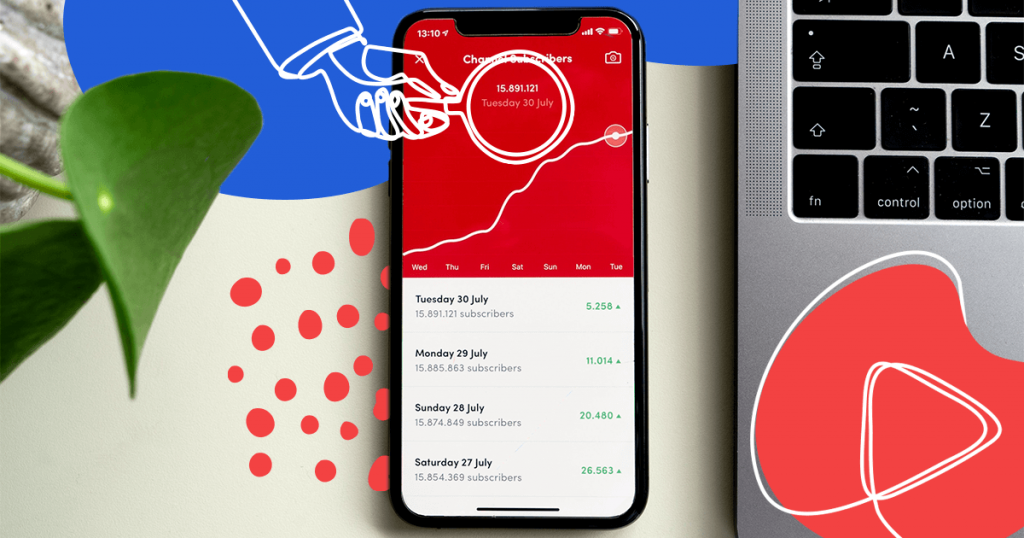
Analytics tools provide valuable insights into your video performance. Use tools like Google Analytics and YouTube Analytics to monitor views, watch time, and audience demographics. These tools can help you see which videos get the most engagement.
Here are some key metrics to track:
- View Count: The total number of times your video has been watched.
- Watch Time: The total time viewers spend watching your videos.
- Audience Retention: The percentage of your video that viewers watch.
- Engagement: Likes, comments, shares, and other interactions.
Interpreting Performance Data
Understanding performance data helps you optimize your videos. Start by examining the view count to see which videos are the most popular. Next, look at watch time to understand if viewers are watching your videos fully or dropping off early.
Use audience retention data to identify specific points where viewers lose interest. This information can help you make content more engaging. High engagement rates indicate that viewers find your content valuable.
| Metric | Importance |
|---|---|
| View Count | Indicates video popularity |
| Watch Time | Shows overall interest |
| Audience Retention | Highlights engagement quality |
| Engagement | Measures viewer interaction |
Regularly reviewing these metrics allows you to refine your strategy. Focus on creating content that resonates well with your audience. Use these insights to improve your future videos.

Credit: www.lumar.io
Frequently Asked Questions
How Can I Improve Video Seo?
To improve video SEO, use relevant keywords in titles, descriptions, and tags. Create high-quality, engaging content. Optimize thumbnails and transcriptions.
What Are Video Seo Best Practices?
Best practices include keyword research, engaging thumbnails, detailed descriptions, and quality content. Ensure fast loading times and mobile optimization.
Why Are Video Transcriptions Important For Seo?
Video transcriptions help search engines understand your content. They improve accessibility and user engagement, boosting SEO rankings.
How Do Thumbnails Affect Video Seo?
Thumbnails attract clicks and improve watch time. Engaging thumbnails increase viewer interest, positively impacting SEO.
Conclusion
Optimizing your videos can boost your online presence significantly. Implement these tips to enhance your video SEO strategy. Consistent effort and smart techniques will lead to better visibility and engagement. Keep refining your approach to stay ahead. Happy optimizing!