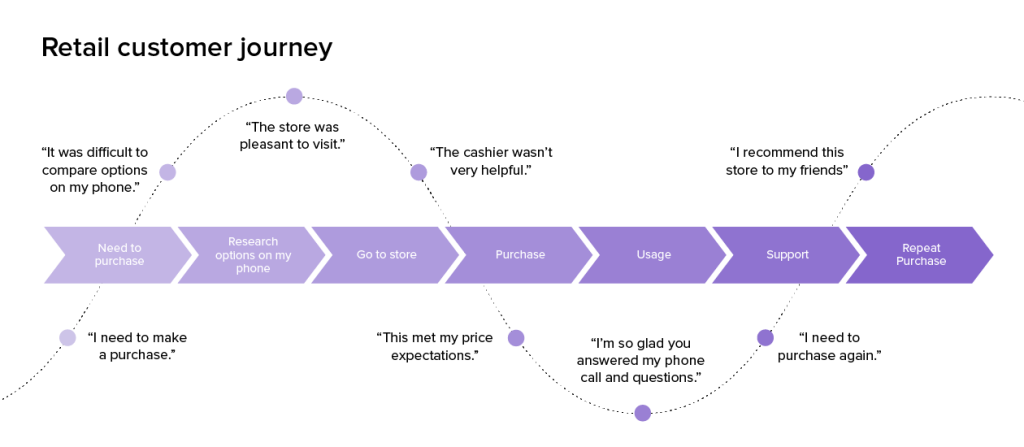
Customer Journey Mapping visualizes a customer’s experience with a brand from start to finish. It identifies key touchpoints and pain points.
Understanding customer journey mapping is crucial for enhancing customer experience. This process involves charting out every interaction a customer has with your brand. It helps businesses see their service from the customer’s perspective. By pinpointing key touchpoints, companies can improve customer satisfaction and loyalty.
Identifying pain points allows for targeted improvements, boosting overall customer experience. Effective customer journey mapping leads to better-informed strategies and tailored marketing efforts. It is a powerful tool for aligning business goals with customer needs, ensuring a seamless and satisfying journey. Ultimately, it helps brands build stronger relationships with their customers, driving long-term success.
Introduction To Customer Journey Mapping
Understanding your customer’s journey is key to business success. Customer journey mapping lets you visualize every touchpoint. This helps improve customer experience and satisfaction. Let’s dive into the basics of customer journey mapping.
What Is Customer Journey Mapping?
Customer journey mapping is a method to visualize the process a customer goes through. It shows every interaction with your brand, from discovery to purchase. This tool helps you understand customer behavior and pain points. It also highlights opportunities to enhance their experience.
To create a customer journey map, gather data from various sources. These include customer feedback, web analytics, and social media interactions. Use this data to create a detailed map. This map should include all touchpoints and emotions felt at each stage.
Importance For Businesses
Customer journey mapping is crucial for businesses for several reasons:
- Improves Customer Experience: Identifies pain points and areas for improvement.
- Increases Customer Retention: Satisfied customers are more likely to return.
- Boosts Revenue: Happy customers lead to higher sales and referrals.
| Benefit | Description |
|---|---|
| Customer Insight | Gain a deep understanding of customer needs and behaviors. |
| Process Optimization | Streamline processes to enhance customer satisfaction. |
| Team Alignment | Align all teams with a customer-centric approach. |
By mapping the customer journey, you can create a seamless and enjoyable experience. This is beneficial for both your customers and your business.
Key Components
Understanding the key components of Customer Journey Mapping helps businesses improve customer satisfaction. These components provide a comprehensive view of customer interactions.
Touchpoints
Touchpoints are moments when customers interact with your brand. They can be physical or digital. Each touchpoint offers a chance to engage and satisfy customers.
Common touchpoints include:
- Website visits
- Social media interactions
- In-store visits
- Customer service calls
- Email communications
Map each touchpoint to understand customer needs and preferences. This helps in creating a smoother journey.
Customer Personas
Customer personas are fictional characters representing different customer segments. They are based on real data and research. Personas help businesses understand customer behavior, needs, and goals.
Creating customer personas involves:
- Gathering customer data
- Identifying common characteristics
- Developing detailed profiles
Each persona should include:
| Attribute | Description |
|---|---|
| Name | A fictional name for the persona |
| Demographics | Age, gender, location, etc. |
| Goals | What the persona wants to achieve |
| Challenges | Obstacles the persona faces |
Using customer personas, you can tailor marketing strategies. This ensures a more personalized experience for each customer segment.
Benefits Of Mapping
Customer journey mapping offers numerous advantages for businesses. It helps understand and improve the customer experience. Below, we explore the key benefits.
Enhanced User Experience
Customer journey mapping reveals how customers interact with your brand. This insight allows businesses to address pain points. By improving these interactions, the overall user experience becomes better.
- Identifies customer needs and preferences.
- Optimizes touchpoints for a seamless journey.
- Reduces friction in the buying process.
An improved user experience leads to satisfied customers. Happy customers are more likely to return and recommend your brand.
Increased Customer Retention
Understanding the customer journey helps in retaining customers. It allows businesses to provide personalized experiences. This personalization builds strong relationships with customers.
- Enhances customer satisfaction and loyalty.
- Encourages repeat purchases.
- Boosts word-of-mouth marketing.
Customer retention is crucial for long-term success. Loyal customers often become brand advocates, driving further growth.
Steps To Create A Customer Journey Map
Creating a Customer Journey Map helps businesses understand their customers’ experiences. It involves several key steps that ensure a comprehensive and insightful map. These steps include research and data collection, and identifying key stages.
Research And Data Collection
Research and data collection is the first critical step. Gather data from various sources to understand customer behavior. Use surveys, interviews, and focus groups for qualitative insights. Analyze website analytics and social media interactions for quantitative data.
Organize this data into a clear format. Create tables or charts to visualize customer interactions. Here is a simple way to structure your data:
| Data Source | Type of Data | Purpose |
|---|---|---|
| Surveys | Qualitative | Understand customer satisfaction |
| Website Analytics | Quantitative | Track user navigation |
| Social Media | Quantitative | Monitor engagement |
Identifying Key Stages
Identifying key stages in the customer journey is vital. Break down the customer experience into distinct phases. These could include:
- Awareness
- Consideration
- Purchase
- Retention
- Loyalty
For each stage, define the customer’s goals and actions. Use bullet points for clarity:
- Awareness: Discovering the product
- Consideration: Comparing options
- Purchase: Completing a transaction
- Retention: Using the product
- Loyalty: Recommending the product
This structured approach helps identify touchpoints and pain points. Understanding these elements provides deeper insights into customer behavior.
Tools And Techniques
Understanding your customers’ journey is crucial for business success. Customer Journey Mapping helps visualize their experiences. Using the right tools and techniques can make this process efficient and effective. Below, we explore some essential tools and techniques for mapping customer journeys.
Software Solutions
Several software solutions simplify customer journey mapping. They offer features to track and analyze each touchpoint.
| Software | Key Features |
|---|---|
| Lucidchart | Drag-and-drop interface, collaboration tools, templates |
| Smaply | Persona creation, journey maps, stakeholder mapping |
| Canva | Design templates, easy sharing, customizable elements |
Visual Mapping Techniques
Visual mapping techniques help you see the customer’s journey clearly. They turn complex data into understandable visuals.
- Flowcharts: Show the sequence of customer interactions.
- Storyboards: Visualize customer experiences as a series of scenes.
- Empathy maps: Understand customer feelings, thoughts, and needs.
These techniques help identify pain points and opportunities. They ensure all team members have a shared understanding.
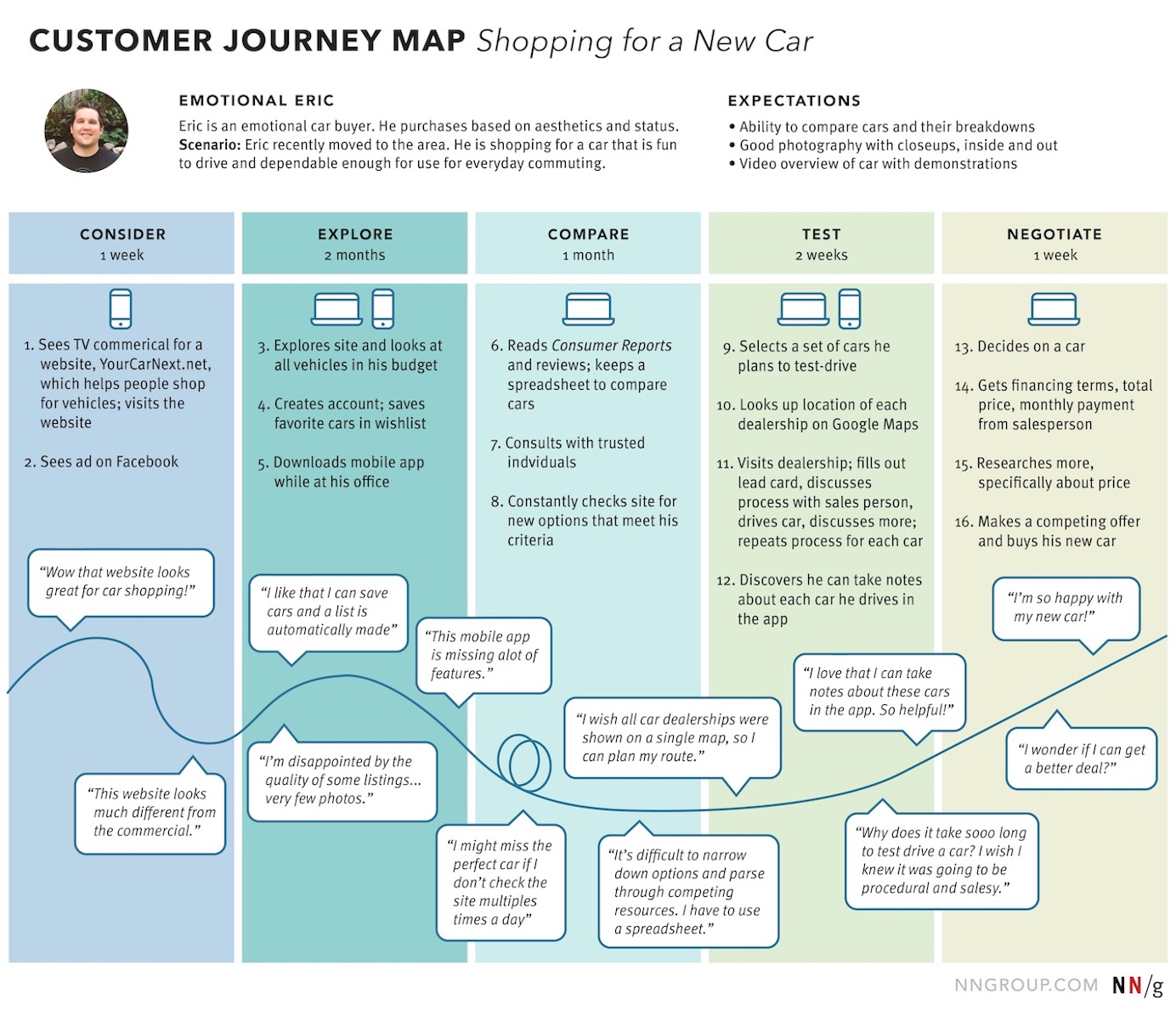
Credit: www.nngroup.com
Common Challenges
Customer journey mapping can be complex. It involves many steps and components. Understanding common challenges helps in creating effective maps. Let’s explore some of these challenges.
Data Accuracy
Data accuracy is crucial for customer journey mapping. Incorrect data can lead to wrong decisions. It can impact customer experience negatively. Ensuring data accuracy requires constant monitoring.
Here are some key steps to ensure data accuracy:
- Regularly update customer data
- Use reliable data sources
- Verify data with multiple sources
Cross-departmental Collaboration
Cross-departmental collaboration is essential for accurate mapping. Different departments have unique insights. Working together ensures a complete view of the customer journey.
Challenges in cross-departmental collaboration include:
- Communication barriers
- Different goals and priorities
- Lack of shared tools and platforms
Effective collaboration strategies:
| Strategy | Description |
|---|---|
| Regular meetings | Schedule regular meetings to discuss progress and challenges. |
| Shared platforms | Use shared platforms for data and communication. |
| Clear goals | Set clear, shared goals for all departments. |
Real-world Examples
Understanding customer journey mapping is crucial for businesses. Real-world examples highlight its importance and application. This section will delve into specific case studies, showcasing how businesses use customer journey mapping to enhance their strategies.
Case Study: E-commerce
An e-commerce company wanted to improve its customer experience. They mapped out the customer journey to identify pain points. Here’s what they discovered:
| Stage | Customer Action | Identified Issue |
|---|---|---|
| Awareness | Visits website | Slow loading times |
| Consideration | Browses products | Poor product descriptions |
| Purchase | Adds to cart | Complicated checkout process |
| Post-Purchase | Receives order | Delayed shipping |
By addressing these issues, the company improved the customer journey. They optimized the website speed, enhanced product descriptions, simplified the checkout process, and improved shipping times.
Case Study: Saas
A SaaS company used customer journey mapping to reduce churn. They analyzed each stage of the customer lifecycle:
- Onboarding: Customers faced difficulties during setup.
- Usage: Users found the interface confusing.
- Support: Slow response times from customer service.
- Renewal: Customers were unaware of renewal benefits.
The company made the following changes:
- Created detailed onboarding guides and tutorials.
- Redesigned the user interface for better usability.
- Improved customer service response times.
- Communicated renewal benefits clearly to customers.
These improvements led to a significant reduction in customer churn. The customer journey became smoother and more satisfying.
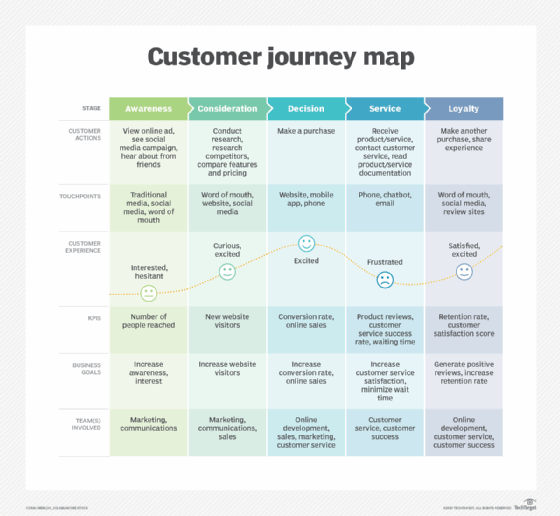
Credit: www.techtarget.com
Future Trends
The future of Customer Journey Mapping promises exciting developments. Businesses will soon leverage cutting-edge technologies. These innovations will transform how we understand and improve customer experiences. Let’s delve into two key trends shaping this future.
Ai And Automation
Artificial Intelligence (AI) is revolutionizing customer journey mapping. AI can analyze vast amounts of data swiftly. This helps businesses gain deeper insights. These insights reveal customer behavior patterns. Companies can then predict future actions more accurately.
Automation also plays a crucial role. It streamlines repetitive tasks. For example, chatbots can handle basic customer inquiries. This frees up human agents for more complex issues. Automation ensures consistent and efficient customer interactions.
| Technology | Benefits |
|---|---|
| AI | Deep data analysis, accurate predictions |
| Automation | Streamlined tasks, consistent interactions |
Personalization
Personalization is becoming increasingly important. Customers expect tailored experiences. Businesses can use customer data to create personalized journeys. This data includes purchase history, preferences, and browsing behavior.
Personalized content makes customers feel valued. It increases engagement and loyalty. For instance, personalized email campaigns see higher open rates. Custom product recommendations also boost sales.
- Personalized emails
- Custom product recommendations
- Tailored website experiences
In summary, AI, automation, and personalization will drive future customer journey mapping. Businesses must adapt to these trends to stay competitive.
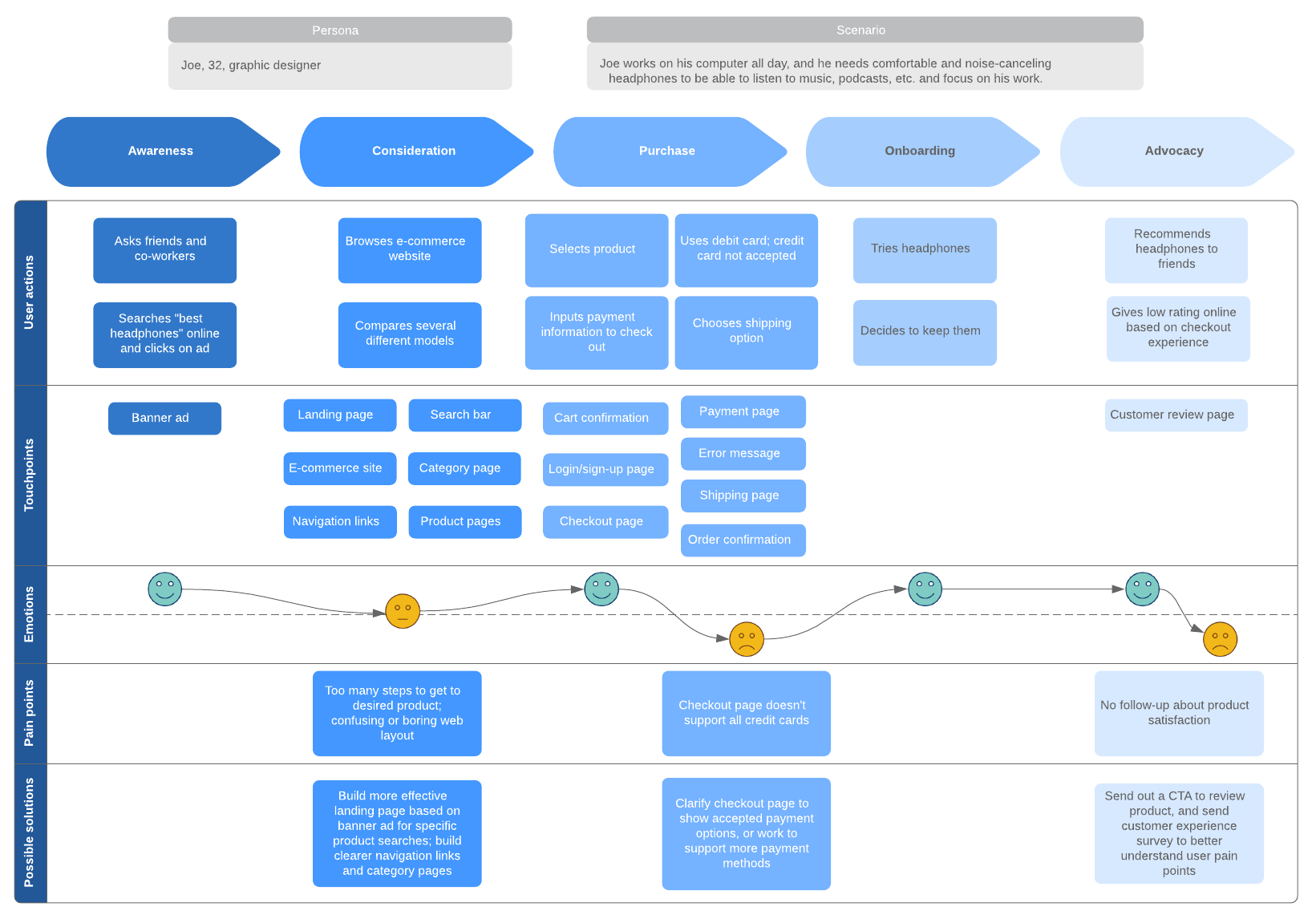
Credit: www.lucidchart.com
Frequently Asked Questions
What Is Customer Journey Mapping?
Customer journey mapping visualizes the steps customers take with your brand. It identifies touchpoints, pain points, and opportunities for improvement.
Why Is Customer Journey Mapping Important?
Customer journey mapping is crucial for understanding user experiences. It helps improve customer satisfaction and loyalty by identifying areas for enhancement.
How Do You Create A Customer Journey Map?
Start by identifying key touchpoints. Gather customer feedback, analyze data, and outline the steps customers take. Use visualization tools for clarity.
What Are The Benefits Of Customer Journey Mapping?
Customer journey mapping helps businesses understand customer needs. It improves user experience, enhances customer satisfaction, and drives business growth.
Conclusion
Mastering customer journey mapping is crucial for business growth. It enhances customer experience and boosts loyalty. Implement these strategies to understand and meet customer needs effectively. Stay ahead of competitors by continuously refining your approach. Embrace customer journey mapping to drive success and foster lasting relationships.