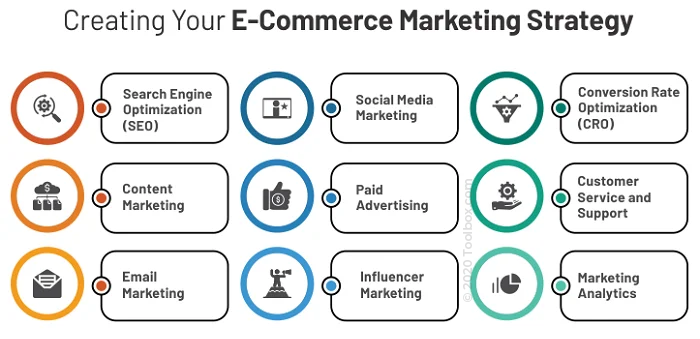
E-Commerce marketing strategies include SEO optimization, social media engagement, email marketing, and pay-per-click advertising. These tactics drive traffic and boost sales.
E-commerce has revolutionized the retail landscape, offering unparalleled opportunities for growth. Effective marketing strategies are essential for standing out in this competitive space. SEO optimization helps your website rank higher on search engines, attracting organic traffic. Social media engagement fosters community and brand loyalty.
Email marketing keeps your audience informed about new products and promotions. Pay-per-click advertising drives immediate traffic and conversions. Each strategy plays a crucial role in building a successful e-commerce business. Implementing these tactics can significantly enhance your online presence and drive sales, ensuring your business thrives in the digital marketplace.
Introduction To E-commerce Marketing
E-commerce marketing is essential for any online business. It helps attract customers and drive sales. This section introduces the basics of e-commerce marketing.
The Rise Of Online Shopping
The popularity of online shopping has surged in recent years. People prefer the convenience and variety it offers. This trend has led to a significant shift in retail.
- Ease of access: Shoppers can buy items from their homes.
- Wide selection: E-commerce platforms offer numerous products.
- Better deals: Online stores often provide discounts and promotions.
This shift has created new opportunities for businesses. To succeed, companies need effective e-commerce marketing strategies.
Importance Of Effective Strategies
Effective e-commerce marketing strategies are crucial for success. They help businesses stand out in a crowded market.
| Strategy | Benefit |
|---|---|
| SEO Optimization | Improves search engine ranking. |
| Social Media Marketing | Engages a broader audience. |
| Email Campaigns | Retains loyal customers. |
Each strategy has its unique advantages. Combining them can yield the best results. Businesses must continuously adapt to market changes.
- Analyze market trends
- Implement diverse strategies
- Evaluate and adapt
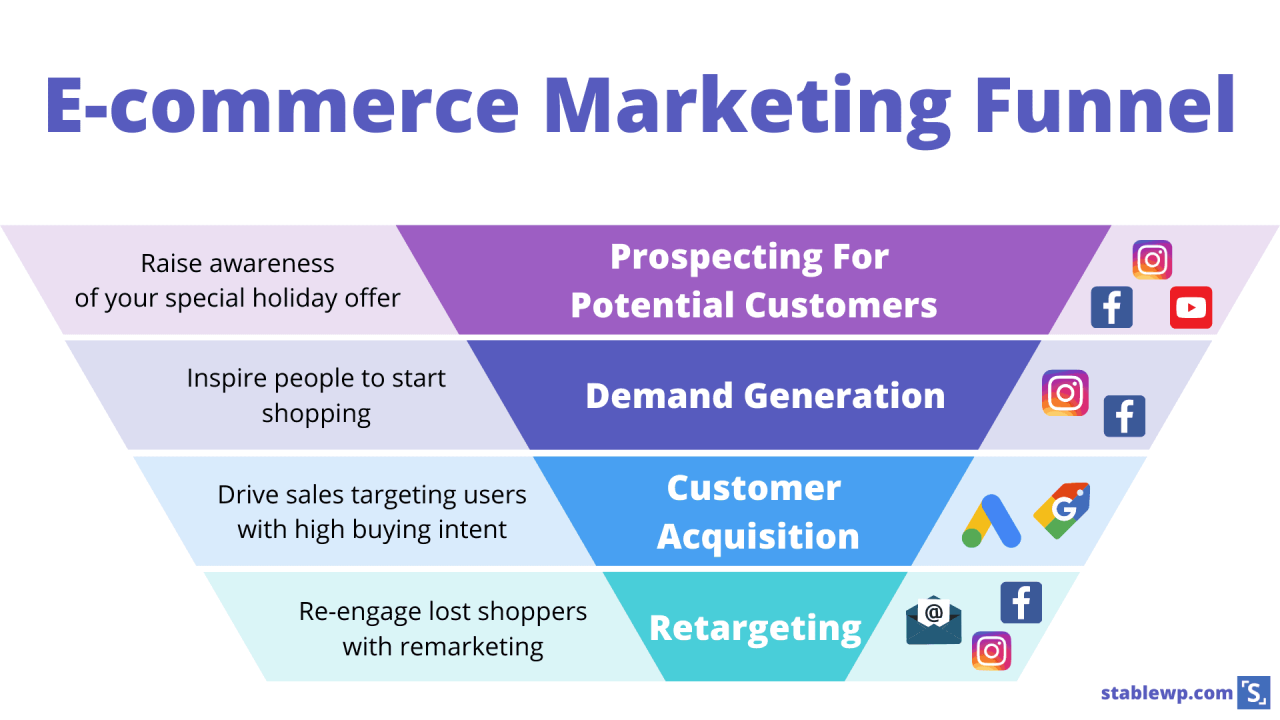
Effective marketing can transform an e-commerce business. It drives traffic, boosts sales, and ensures long-term growth.
Credit: www.linkedin.com
Search Engine Optimization (seo)
Search Engine Optimization (SEO) is crucial for e-commerce success. SEO helps your online store rank higher on search engines. This increases visibility, traffic, and sales. Let’s dive into effective SEO strategies.
Keyword Research
Keyword research is the foundation of SEO. It helps identify the terms people use to search for products. Use tools like Google Keyword Planner or Ahrefs. Identify high-volume, low-competition keywords. Focus on long-tail keywords for better targeting.
- High-volume keywords attract more traffic.
- Low-competition keywords are easier to rank for.
- Long-tail keywords are more specific and convert better.
On-page Seo
On-page SEO optimizes individual pages to rank higher. Focus on the following areas:
| Element | Description |
|---|---|
| Title Tags | Include primary keywords in title tags. |
| Meta Descriptions | Write compelling meta descriptions with keywords. |
| Headers | Use H1, H2, and H3 tags with keywords. |
| Alt Text | Describe images with keywords in alt text. |
| Internal Links | Link to other relevant pages on your site. |
Off-page Seo
Off-page SEO involves activities outside your website. The goal is to build backlinks and improve authority. Consider these strategies:
- Guest blogging on high-authority sites.
- Creating shareable content like infographics.
- Engaging with users on social media.
- Collaborating with influencers in your niche.
Quality backlinks signal search engines that your site is trustworthy. This boosts your rankings significantly.
Content Marketing
Content Marketing is a powerful strategy in e-commerce marketing. It involves creating and distributing valuable, relevant, and consistent content. This content attracts and retains a clearly-defined audience. The ultimate goal is to drive profitable customer action.
Creating Valuable Content
To succeed in e-commerce, you must create valuable content. Valuable content educates, entertains, or solves a problem for your audience. It should align with your brand’s voice and values.
Valuable content comes in many forms. It can be blog posts, videos, infographics, or podcasts. Choose the format that best suits your audience.
- Blog Posts: Share informative and engaging articles.
- Videos: Create how-to guides, product demos, or customer testimonials.
- Infographics: Visual content that explains complex information simply.
- Podcasts: Audio content that can be consumed on the go.
Blogging And Articles
Blogging is essential for e-commerce marketing. It helps improve search engine rankings and drives organic traffic.
Create blog posts that answer common customer questions. Use keywords naturally to help with SEO. Focus on providing value rather than promoting products directly.
- Identify common questions in your industry.
- Research keywords related to those questions.
- Write informative and engaging articles.
- Include visuals like images or videos.
- Promote your blog posts on social media.
Consistent blogging builds trust with your audience. It positions your brand as an authority in your niche.
Articles should be easy to read and understand. Use short sentences and simple language. Break up long paragraphs to improve readability.
| Content Type | Purpose |
|---|---|
| Blog Posts | Drive organic traffic and answer customer questions |
| Articles | Inform and educate your audience |
| Videos | Showcase products and provide how-to guides |
| Infographics | Explain complex information visually |
| Podcasts | Provide content that can be consumed on the go |
Credit: acowebs.com
Social Media Marketing
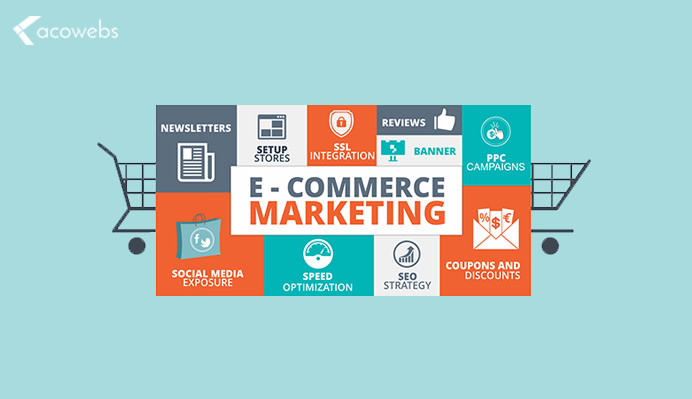
Social media marketing is essential for e-commerce success. It helps reach a large audience quickly. Businesses can connect with customers directly. This connection builds trust and loyalty.
Choosing The Right Platforms
Choosing the right platforms is crucial for success. Different platforms serve different audiences. For example, Facebook is great for a wide audience. Instagram is perfect for visual products. LinkedIn suits professional services. Use a table to decide:
| Platform | Best For | Key Feature |
|---|---|---|
| General Audience | Groups and Pages | |
| Visual Products | Stories and Reels | |
| Professional Services | Professional Networking |
Engaging With Followers
Engaging with followers is vital. It creates a community around your brand. Respond quickly to comments and messages. This shows you care about your customers.
Use these tips to engage effectively:
- Post regularly to stay relevant.
- Use polls and questions to spark conversations.
- Share user-generated content to build trust.
Engagement leads to more sales. Happy followers often become loyal customers.
Email Marketing
Email marketing is a powerful tool for e-commerce businesses. It helps in reaching customers directly in their inbox. By using targeted emails, businesses can increase sales and customer loyalty.
Building A Subscriber List
Building a subscriber list is the first step in email marketing. A strong list ensures your emails reach interested customers. Here are some tips to build your list:
- Offer incentives: Provide discounts or freebies for sign-ups.
- Use pop-ups: Add pop-up forms on your website.
- Leverage social media: Promote your sign-up form on social platforms.
Gathering customer emails through these methods helps create a valuable list.
Crafting Effective Emails
Crafting effective emails is crucial for engaging your audience. Well-crafted emails can lead to higher open and click rates. Here’s how to create compelling emails:
- Personalize content: Use the recipient’s name and tailor content to their preferences.
- Eye-catching subject lines: Keep them short and intriguing.
- Clear call-to-action (CTA): Include a clear and concise CTA.
- Mobile-friendly design: Ensure your emails look good on mobile devices.
By following these tips, your emails will be more likely to engage and convert readers.
| Email Marketing Tips | Details |
|---|---|
| Offer incentives | Provide discounts or freebies for sign-ups |
| Use pop-ups | Add pop-up forms on your website |
| Leverage social media | Promote your sign-up form on social platforms |
| Personalize content | Use the recipient’s name and tailor content to their preferences |
| Eye-catching subject lines | Keep them short and intriguing |
| Clear call-to-action (CTA) | Include a clear and concise CTA |
| Mobile-friendly design | Ensure your emails look good on mobile devices |
Pay-per-click (ppc) Advertising
Pay-Per-Click (PPC) advertising is a powerful tool for e-commerce businesses. It helps to drive traffic and increase sales. With PPC, you pay only when someone clicks your ad. This ensures your budget is used effectively.
Google Ads
Google Ads is one of the most popular PPC platforms. It allows you to create ads that appear in Google search results. This is an excellent way to reach potential customers who are already searching for products like yours.
There are several types of ads you can create with Google Ads:
- Search Ads: Appear at the top of search results.
- Display Ads: Shown on websites that are part of the Google Display Network.
- Shopping Ads: Feature your product image, price, and store name.
- Video Ads: Play before, during, or after YouTube videos.
To succeed with Google Ads, focus on these key elements:
- Keyword Research: Find the right keywords for your products.
- Ad Copy: Write compelling ads that attract clicks.
- Landing Pages: Ensure your landing pages are relevant and user-friendly.
- Bid Management: Optimize your bids to get the best return on investment.
Social Media Ads
Social Media Ads are another effective PPC strategy. Platforms like Facebook, Instagram, and LinkedIn offer robust advertising options. These platforms allow you to target specific demographics and interests.
Here are some benefits of Social Media Ads:
- Precise Targeting: Reach users based on age, location, interests, and behaviors.
- Engaging Formats: Use images, videos, carousels, and more to capture attention.
- Analytics: Track performance and adjust your strategy in real-time.
To make the most of Social Media Ads, follow these tips:
- Create High-Quality Content: Use visually appealing images and videos.
- Test Different Formats: Experiment with various ad formats to see what works best.
- Monitor Performance: Use analytics tools to track your ads’ success.
- Adjust Your Strategy: Make changes based on performance data to improve results.
Combining Google Ads and Social Media Ads can maximize your e-commerce marketing efforts. These platforms offer unique advantages that can help grow your business.
Influencer Partnerships
In the world of e-commerce, influencer partnerships have become a powerful tool. They help brands reach new audiences and build trust. By leveraging influencers, businesses can boost their sales and brand awareness.
Finding Relevant Influencers
Finding the right influencers is crucial for success. Look for influencers who share your brand’s values and target audience. Use tools like BuzzSumo or Influence.co to search for influencers. Check their engagement rates and audience demographics.
Here are some steps to find the best influencers:
- Identify your target audience.
- Search for influencers in your niche.
- Analyze their content quality.
- Check their follower engagement.
- Reach out with a personalized message.
| Tool | Purpose |
|---|---|
| BuzzSumo | Find popular influencers in your niche. |
| Influence.co | Analyze influencer profiles and engagement. |
Measuring Roi
Measuring ROI is vital to understand the success of your influencer campaigns. Track key metrics like engagement rates, click-through rates, and sales conversions.
Use these metrics to measure ROI:
- Engagement rates
- Click-through rates
- Sales conversions
Set clear goals before starting the campaign. Use tracking tools like Google Analytics and UTM parameters to monitor performance. Compare the results with your initial objectives to evaluate success.
Customer Retention Strategies
In the competitive world of e-commerce, keeping customers is crucial. Customer retention strategies help businesses grow and stay profitable. Happy customers return and spend more. Let’s explore effective ways to retain customers.
Loyalty Programs
Loyalty programs reward repeat customers. They encourage more purchases and build brand loyalty. Customers earn points for every purchase. These points can be redeemed for discounts or free products.
A loyalty program can include:
- Points-based rewards
- Exclusive discounts
- Special birthday offers
- Members-only events
Here’s a simple example of a points-based loyalty program:
| Points | Reward |
|---|---|
| 100 | 5% off next purchase |
| 500 | Free shipping |
| 1000 | 20% off one item |
Personalized Marketing
Personalized marketing makes customers feel special. Tailor messages and offers to individual preferences. Use data from past purchases and browsing behavior.
Effective personalized marketing strategies include:
- Email recommendations
- Personalized discounts
- Targeted ads
For example, send an email suggesting products based on past purchases. This shows customers you understand their needs.
Using customer names in emails also adds a personal touch. Small details make a big difference.
Analyzing Marketing Performance
Analyzing marketing performance is crucial for e-commerce success. It helps you understand what works and what doesn’t. This section will explore key methods for analyzing your marketing efforts.
Using Analytics Tools
Analytics tools provide valuable insights into your marketing campaigns. Google Analytics is one of the most popular tools. It tracks website traffic and user behavior. Heatmaps show where users click and scroll on your site. These tools help identify popular and ignored areas.
Social media analytics reveal which posts engage your audience. Look at likes, shares, and comments. Use these insights to improve future content. Email marketing tools track open rates and click-through rates. This helps understand which emails drive action.
| Tool | Function |
|---|---|
| Google Analytics | Tracks website traffic and user behavior |
| Heatmaps | Shows user clicks and scrolls |
| Social Media Analytics | Reveals post engagement |
| Email Marketing Tools | Tracks open and click-through rates |
Adjusting Strategies
Once you gather data, adjust your strategies. Identify underperforming campaigns and modify them. Use A/B testing to compare different versions of a campaign. This helps find the most effective approach.
Update your SEO practices based on analytics. Focus on keywords that drive traffic. Improve content that has high bounce rates. Refine your social media strategy by posting more of what your audience likes. Engage with your followers regularly.
- Identify underperforming campaigns
- Conduct A/B testing
- Update SEO practices
- Refine social media strategy
Constantly monitor your marketing performance. This ensures you stay on the right track. Use analytics to make informed decisions. Adjust strategies to achieve better results.
Future Trends In E-commerce
The e-commerce landscape is rapidly evolving. Businesses must stay ahead of trends to remain competitive. Future trends promise innovations that will reshape the industry. Embracing these trends can lead to significant growth and customer satisfaction.
Ai And Automation
Artificial Intelligence (AI) and automation are transforming e-commerce. AI can analyze customer data to provide personalized shopping experiences. This leads to higher customer satisfaction and loyalty.
Automation streamlines operations, reducing manual tasks and errors. For example, chatbots can handle customer inquiries 24/7, enhancing customer service. Inventory management systems can automatically reorder stock, ensuring products are always available.
Here are some key applications of AI and automation in e-commerce:
- Personalized Recommendations: AI suggests products based on past purchases.
- Chatbots: Automated customer support available round the clock.
- Inventory Management: Automated systems to manage stock levels.
- Dynamic Pricing: AI adjusts prices based on demand and competition.
Sustainability In Marketing
Sustainability is becoming crucial in e-commerce marketing. Consumers prefer brands that prioritize environmental responsibility. Businesses adopting sustainable practices can attract eco-conscious customers.
Marketing strategies focusing on sustainability can include:
- Eco-Friendly Packaging: Using recyclable or biodegradable materials for packaging.
- Green Shipping: Offering carbon-neutral shipping options.
- Transparency: Communicating sustainable practices to customers.
- Supporting Causes: Partnering with environmental organizations.
Below is a comparison of traditional and sustainable marketing practices:
| Traditional Marketing | Sustainable Marketing |
|---|---|
| Plastic packaging | Recyclable packaging |
| Standard shipping | Carbon-neutral shipping |
| Limited transparency | Full transparency |
| Profit-focused | Cause-focused |
Businesses that embrace sustainability can build a loyal customer base. This not only benefits the environment but also enhances brand reputation.

Credit: www.e2msolutions.com
Frequently Asked Questions
What Are The Best E-commerce Marketing Strategies?
Effective e-commerce marketing strategies include SEO, email marketing, social media advertising, and influencer partnerships. Leveraging content marketing and PPC campaigns also boost visibility.
How Can Seo Improve E-commerce Sales?
SEO improves e-commerce sales by increasing website visibility and organic traffic. Higher search engine rankings lead to more potential customers.
Why Is Email Marketing Crucial For E-commerce?
Email marketing is crucial for e-commerce as it helps retain customers, promote products, and drive sales. Personalized emails enhance customer engagement.
What Role Does Social Media Play In E-commerce?
Social media plays a significant role in e-commerce by increasing brand awareness, driving traffic, and engaging with customers through targeted ads and organic posts.
Conclusion
Mastering e-commerce marketing strategies can significantly boost your online business. Focus on understanding your audience and leveraging data analytics. Implementing these techniques will help you stay ahead of competitors. Always stay adaptable and innovative for continuous growth. Investing time and effort in these strategies will yield substantial long-term benefits for your e-commerce venture.