
To generate leads online, use targeted content marketing and optimize your website for search engines. Engage potential customers through social media and email campaigns.
Generating leads online is crucial for business growth in the digital age. By leveraging content marketing, businesses can attract and engage potential customers. Optimizing your website for search engines ensures higher visibility and organic traffic. Social media platforms provide a space to interact with prospects and build relationships.
Email marketing campaigns can nurture leads and convert them into customers. Combining these strategies helps create a comprehensive lead generation plan. Consistent effort and monitoring are essential to refine your approach and maximize results. With the right tactics, businesses can effectively generate leads and drive growth online.
Introduction To Online Lead Generation
Online lead generation is the process of attracting potential customers. This is done using digital channels. The goal is to convert these visitors into leads. A lead is someone interested in your product or service. Generating leads online is crucial for any business.
Importance Of Leads
Leads are essential for business growth. They are potential customers who may buy your product. Without leads, businesses struggle to find customers. Generating leads helps you build a customer base.
| Reason | Explanation |
|---|---|
| Customer Acquisition | Leads help find new customers. |
| Revenue Growth | More leads can lead to more sales. |
| Brand Awareness | Attracting leads increases your brand’s visibility. |
Digital Landscape
The digital landscape offers many tools for lead generation. Social media platforms are powerful for attracting leads. Websites and blogs can also attract potential customers. Email marketing is another effective method.
- Social Media Platforms
- Websites and Blogs
- Email Marketing
Each tool offers unique advantages. Social media allows you to reach a broad audience. Websites provide detailed information about your products. Email marketing targets specific groups of people.
Effective Strategies
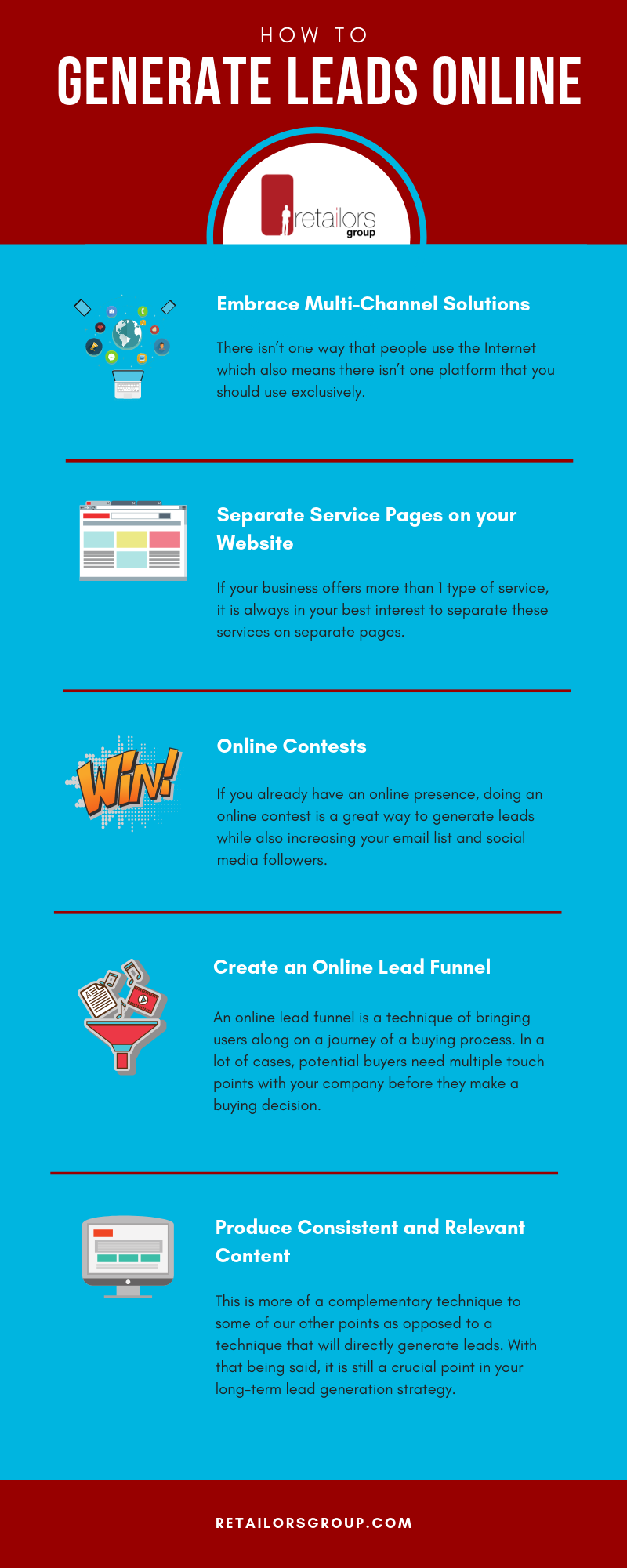
Using multiple strategies increases your chances of success. Combine social media, websites, and email marketing for the best results. Track your results to see what works best.
- Create engaging content for social media.
- Optimize your website for lead generation.
- Send personalized emails to your audience.
By following these steps, you can generate more leads online. Remember, consistency is key. Keep refining your strategies for better results.

Credit: www.crazyegg.com
Optimizing Your Website
Optimizing your website is crucial for generating leads online. A well-optimized site attracts visitors and converts them into leads. Focus on enhancing user experience and creating effective landing pages.
User Experience
A great user experience (UX) keeps visitors on your site longer. Ensure your website is easy to navigate. Use clear menus and simple layouts. Visitors should find what they need quickly.
Fast loading times are essential. Slow websites frustrate users and increase bounce rates. Optimize images and use caching to speed up your site. Mobile optimization is also key. More people browse on mobile devices.
Use readable fonts and contrasting colors. This makes text easy to read. Provide clear calls-to-action (CTAs). Encourage users to take specific steps. Examples include “Sign Up Now” or “Get a Free Quote”.
Landing Pages
Landing pages are critical for lead generation. Each landing page should target a specific audience. Tailor the content to meet their needs. Use a strong headline that grabs attention.
Include a brief description of your offer. Explain its benefits clearly. Use bullet points for easy reading. Add a lead capture form. Ask for basic information like name and email.
Below is a table showing key elements of an effective landing page:
| Element | Description |
|---|---|
| Strong Headline | Grabs attention and states the main benefit. |
| Brief Description | Explains the offer in a few sentences. |
| Bullet Points | Lists key benefits or features. |
| Lead Capture Form | Collects user information for follow-up. |
| Clear CTA | Encourages users to take the next step. |
Use testimonials or reviews for social proof. This builds trust with visitors. Keep the design clean and focused. Avoid unnecessary distractions.
Content Marketing Strategies
Generating leads online requires effective content marketing strategies. These strategies can attract and engage potential customers. By creating valuable and relevant content, businesses can build trust and encourage conversions. Here, we will discuss two key elements: blogging and video content.
Blogging Tips
Blogging is a powerful tool to attract leads. Follow these tips for success:
- Identify your audience: Know who you are writing for.
- Use catchy headlines: Grab the reader’s attention immediately.
- Provide value: Offer solutions to your audience’s problems.
- Optimize for SEO: Include relevant keywords naturally.
- Include calls to action: Encourage readers to take the next step.
Consistently publishing high-quality blog posts can drive traffic to your site. This increases your chances of capturing leads.
Video Content
Video content is another excellent way to generate leads. Videos can engage viewers and convey information quickly. Here are some tips:
- Create informative content: Answer common questions in your industry.
- Keep it short: Aim for 2-3 minute videos.
- Include a clear call to action: Guide viewers on what to do next.
- Use eye-catching thumbnails: Attract clicks with compelling images.
- Optimize for SEO: Use relevant tags and descriptions.
Sharing videos on platforms like YouTube can expand your reach. This helps you connect with a broader audience and generate more leads.

Credit: www.freshworks.com
Social Media Engagement
Social media engagement is a powerful tool for generating leads online. It helps businesses connect with potential customers, build relationships, and boost their brand presence. Below, we’ll explore key aspects of social media engagement, focusing on platform selection and engagement techniques.
Platform Selection
Selecting the right platform is crucial for successful social media engagement. Different platforms attract different audiences. Here’s a quick guide to help you choose:
| Platform | Audience | Best For |
|---|---|---|
| All age groups | Community building, brand awareness | |
| 18-34 years old | Visual content, brand storytelling | |
| Professionals | B2B marketing, networking | |
| 18-49 years old | Real-time updates, customer service |
Engagement Techniques
Effective engagement techniques can turn followers into leads. Here are some proven strategies:
- Post Consistently: Regular posting keeps your audience engaged.
- Use Visuals: Images and videos attract more attention.
- Respond Promptly: Quick responses show you value your audience.
- Run Contests: Contests encourage interaction and sharing.
- Ask Questions: Questions spark conversations and engagement.
- Share User-Generated Content: Highlighting user content builds community.
By focusing on the right platform and using effective engagement techniques, you can generate more leads online and grow your business.
Email Marketing Tactics
Email marketing is a powerful tool for generating leads online. It allows businesses to connect directly with potential customers. By utilizing targeted strategies, you can attract and retain leads effectively. Below are some key tactics to enhance your email marketing efforts.
Building A List
Building a list is the first step in email marketing. Start by creating a signup form on your website. Make sure the form is visible and easy to fill out. Offer an incentive to encourage sign-ups, such as a discount or a free eBook. Here’s how you can do it:
- Place the signup form in multiple locations on your site.
- Use a compelling headline to grab attention.
- Keep the form fields minimal to reduce friction.
Additionally, you can use social media to promote your email list. Share the signup link on your profiles and encourage followers to join. Collaborate with influencers to reach a broader audience. Collect email addresses at events or through offline interactions and add them to your list.
Crafting Campaigns
Crafting campaigns that resonate with your audience is crucial. Start by segmenting your email list based on user behavior or demographics. This helps in sending personalized content to different groups. Here are some tips for crafting effective campaigns:
- Use attention-grabbing subject lines.
- Keep your message clear and concise.
- Include a strong call-to-action (CTA).
Use visuals to make your emails more engaging. Images, GIFs, and videos can enhance the user experience. Always test your campaigns before sending them out. A/B testing can help determine what works best. Monitor the performance of your emails and adjust your strategy accordingly.
By implementing these email marketing tactics, you can generate more leads online. Focus on building a robust email list and crafting compelling campaigns. This will help you connect with your audience and drive conversions.
Search Engine Optimization
To generate leads online, one crucial strategy is Search Engine Optimization (SEO). SEO helps your website rank higher on search engines. This increases visibility and attracts more potential leads.
Keyword Research
Keyword research is the first step in SEO. It involves finding the right keywords that your target audience uses. Use tools like Google Keyword Planner or Ahrefs for this. Once you have a list, prioritize keywords with high search volume and low competition. These keywords should be relevant to your business.
| Tool | Features |
|---|---|
| Google Keyword Planner | Free, Reliable, Integrated with Google Ads |
| Ahrefs | Comprehensive, User-friendly, In-depth Analysis |
On-page Seo
On-Page SEO involves optimizing individual pages on your website. This includes elements like title tags, meta descriptions, and header tags. Ensure your title tags are catchy and include your main keyword. Meta descriptions should be concise and informative. Use header tags (H1, H2, H3) to structure your content.
- Title Tags: Include primary keywords
- Meta Descriptions: Summarize content within 155 characters
- Header Tags: Organize content for better readability
Another key aspect is internal linking. Link related pages within your website. This helps search engines understand your site structure. Use anchor text that includes keywords. Also, optimize your images by using alt tags and compressing them for faster load times.
Remember, content is king. Regularly update your blog with high-quality, relevant content. This keeps your audience engaged and improves your SEO ranking.
Pay-per-click Advertising
Generating leads online is crucial for any business. One effective method is Pay-Per-Click Advertising (PPC). PPC allows you to reach your target audience quickly. It can drive traffic and generate leads.
Budgeting
First, set a realistic budget. Start with a small amount to test. Monitor your spending daily. Adjust your budget based on performance. Use tools like Google Ads Budget Planner. Allocate more funds to high-performing ads.
| Budget Range | Action |
|---|---|
| $100 – $500 | Test different ad copies |
| $500 – $1000 | Focus on high-performing keywords |
| $1000+ | Expand to multiple campaigns |
Ad Copywriting
Write engaging and clear ad copies. Use strong calls to action. Highlight key benefits in your ad. Ensure your ad matches the landing page. Test different headlines and descriptions. Use A/B testing to find the best-performing ads.
- Use keywords in the ad copy
- Keep the message simple
- Address pain points
- Include a clear call to action
- Test different versions
Credit: retailorsgroup.com
Analyzing And Refining Strategies
Generating leads online requires continuous effort and optimization. Analyzing and refining strategies ensures you achieve the best results. This section dives into two critical aspects: Performance Metrics and A/B Testing.
Performance Metrics
Tracking performance metrics helps you understand your strategy’s effectiveness. Key metrics to monitor include:
- Conversion Rate: The percentage of visitors who become leads.
- Click-Through Rate (CTR): The ratio of clicks to impressions.
- Cost Per Lead (CPL): The total cost divided by the number of leads.
- Return on Investment (ROI): The net profit divided by the total cost.
Use these metrics to find areas for improvement. Adjust your strategy based on the data collected.
A/b Testing
A/B Testing compares two versions of a webpage or ad to see which performs better. Follow these steps:
- Identify a variable to test (e.g., headline, CTA).
- Create two versions (A and B) with one difference.
- Split your audience equally between the two versions.
- Monitor the performance of each version.
- Analyze the results to determine the better option.
Regular A/B testing helps refine your strategies. Small changes can lead to significant improvements. Ensure you test only one variable at a time for clear results.
Leveraging Online Tools
Generating leads online is crucial for business growth. Leveraging online tools can streamline this process. These tools help automate tasks and manage customer relationships effectively.
Crm Systems
Customer Relationship Management (CRM) systems are vital for managing leads. They store customer data and track interactions. This helps in understanding your audience better.
Popular CRM systems include:
- Salesforce
- HubSpot
- Zoho CRM
These systems offer various features:
| Feature | Description |
|---|---|
| Contact Management | Store and manage contact information. |
| Lead Tracking | Monitor lead activities and behaviors. |
| Email Integration | Sync emails with CRM for better tracking. |
Using a CRM system ensures no lead falls through the cracks. It helps in personalized communication.
Automation Software
Automation software saves time by automating repetitive tasks. This includes email campaigns, social media posts, and follow-ups.
Common automation tools are:
- Mailchimp
- Hootsuite
- Zapier
Automation software can:
- Send timely emails to leads.
- Schedule social media posts.
- Trigger follow-up actions based on lead behavior.
Automating these tasks increases efficiency. It ensures consistent communication with leads.
Leveraging these online tools can significantly boost your lead generation efforts. They help in managing and nurturing leads effectively.
Building Trust And Credibility
Generating leads online requires more than just attracting visitors. To convert visitors into leads, building trust and credibility is crucial. People want to feel confident about the businesses they engage with. Here, we will explore effective ways to establish trust and credibility, focusing on Customer Reviews and Case Studies.
Customer Reviews
Customer reviews offer genuine insights into your products or services. They help potential customers feel safe and confident. Displaying positive reviews prominently can increase trust.
- Ratings and Testimonials: Showcase star ratings and written testimonials.
- Third-party Review Sites: Link to positive reviews on platforms like Yelp or Google.
- Customer Photos: Include real photos of customers using your product.
Including a review section on your website can also improve SEO. Search engines value fresh, user-generated content. This can boost your rankings.
Case Studies
Case studies tell the story of how your business solved specific problems. They provide detailed evidence of your effectiveness. This builds trust and credibility.
| Element | Details |
|---|---|
| Problem | Describe the client’s challenge. |
| Solution | Explain your approach and actions taken. |
| Results | Share the outcomes and successes. |
Publishing case studies on your website can also attract potential clients. They see the real-world application of your services. This builds trust and helps in lead generation.
Frequently Asked Questions
What Are The Best Ways To Generate Leads Online?
To generate leads online, use strategies like content marketing, social media engagement, and email campaigns. Optimize your website for SEO. Utilize landing pages and forms to capture information. Run targeted ads and utilize analytics to refine efforts.
How Can Content Marketing Generate Leads?
Content marketing generates leads by providing valuable information that attracts potential customers. Create blog posts, videos, and infographics. Share these on social media and email newsletters. Use calls-to-action (CTAs) to guide readers to your landing pages.
Why Is Seo Important For Lead Generation?
SEO is important for lead generation because it increases your website’s visibility in search engines. Higher rankings mean more organic traffic. Optimize your content with relevant keywords. This attracts potential leads who are searching for your services.
What Role Do Landing Pages Play In Lead Generation?
Landing pages play a crucial role in lead generation by capturing visitor information. They focus on a single CTA. Design them to be user-friendly and relevant to the ad or content that leads visitors there. Use forms to collect essential data.
Conclusion
Generating leads online requires a strategic approach. Use the tips mentioned to enhance your lead generation efforts. Focus on quality content, social media engagement, and effective SEO practices. Consistently monitor and adjust your strategies for optimal results. Start implementing these techniques today to see a significant increase in your online leads.