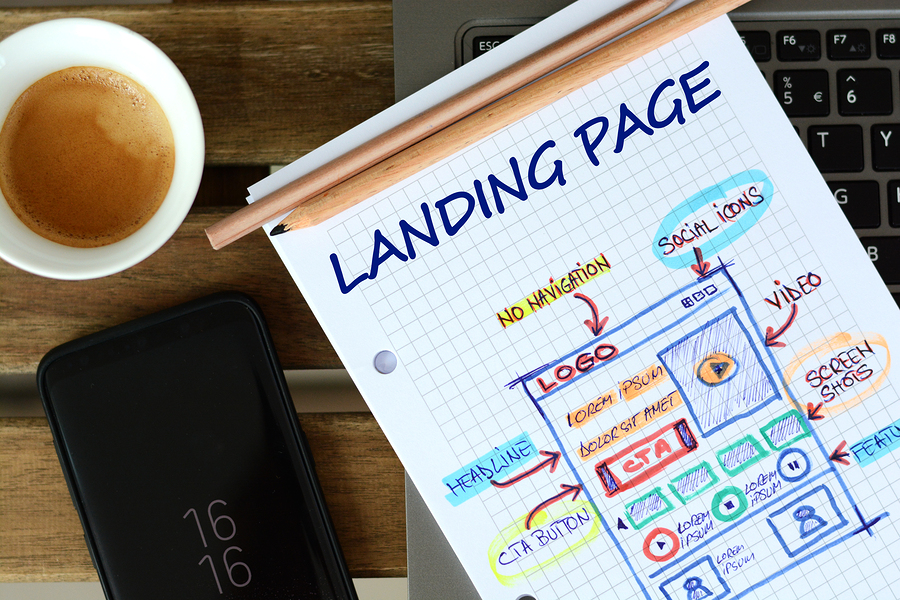
Landing page optimization improves user experience and increases conversion rates. It involves refining page elements for better performance.
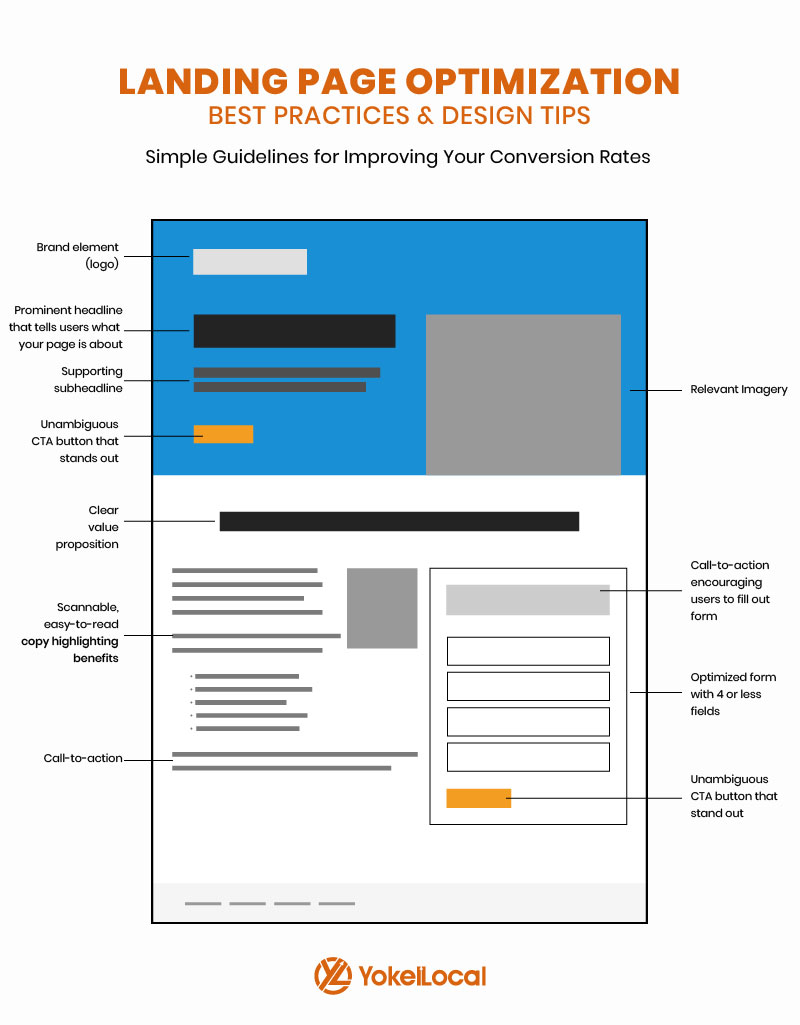
Landing page optimization is crucial for any online business. A well-optimized landing page can drive more traffic and convert visitors into customers. Key elements include compelling headlines, clear calls-to-action, and fast loading times. These components create a seamless user experience, encouraging users to engage with your content.
Optimizing images and reducing clutter also contribute to a more effective landing page. Regular A/B testing helps identify what works best for your audience. By focusing on these aspects, you can significantly improve your landing page’s effectiveness. This leads to higher conversions and better overall performance for your website.
Credit: vwo.com
Introduction To Landing Page Optimization
Landing Page Optimization is crucial for improving your website’s performance. It involves tweaking your landing page to increase conversions. This can mean more sign-ups, sales, or leads.
Optimizing your landing page requires understanding user behavior. This will help you make data-driven decisions.
Importance Of Optimization
Optimization helps to convert visitors into customers. It improves the user experience, leading to higher satisfaction. Happy users are more likely to engage.
- Increased conversions mean more revenue.
- Better user experience keeps visitors coming back.
- Lower bounce rates indicate that users find your page useful.
A well-optimized landing page can significantly boost your business.
Common Challenges
Optimizing a landing page comes with several challenges. Understanding these can help you tackle them effectively.
- High bounce rates: Users leave the page quickly.
- Slow load times: Pages that load slowly frustrate users.
- Poor design: A cluttered page can confuse visitors.
Addressing these issues can improve your page’s performance.
Understanding User Intent
Understanding user intent is key to landing page optimization. It helps you design a page that meets user needs. This increases conversions and enhances user experience. Let’s dive into the types of user intent and how to map it to your content.
Types Of User Intent
User intent can be divided into three main types. Each type has specific goals and requires different content strategies.
- Informational Intent: Users seek information or answers. They may want to learn about a topic or find how-to guides. Providing clear, concise, and relevant information is crucial.
- Navigational Intent: Users want to find a specific website or page. They may type a brand name or a specific URL. Ensuring your page is easy to navigate helps satisfy this intent.
- Transactional Intent: Users are ready to make a purchase or take action. They may look for product reviews or price comparisons. Offering clear calls to action and easy checkout processes is essential.
Mapping Intent To Content
Mapping user intent to content ensures you provide what users seek. This alignment boosts engagement and conversions.
| User Intent | Content Strategy |
|---|---|
| Informational | Blog posts, FAQs, guides, and tutorials |
| Navigational | Clear menus, search bars, and easy-to-follow links |
| Transactional | Product pages, reviews, and strong CTAs |
Use the following checklist to ensure your content aligns with user intent:
- Identify the primary intent of your users.
- Create content that meets this intent.
- Use clear and concise language.
- Include relevant keywords.
- Ensure easy navigation and strong CTAs.
Crafting Compelling Headlines
Crafting compelling headlines is essential for landing page optimization. A great headline captures attention and encourages visitors to read more. It sets the tone and expectation for the content. A well-crafted headline can significantly increase your conversion rates.
Elements Of A Great Headline
A great headline has several key elements. These elements make it effective and engaging:
- Clarity: The headline must be clear and easy to understand.
- Relevance: It should be relevant to the content of the page.
- Urgency: Creating a sense of urgency can prompt immediate action.
- Value Proposition: Highlight the benefit the user will get.
- Emotion: Evoke emotions to connect with the audience.
A/b Testing Headlines
A/B testing headlines helps determine which headline performs best. This method involves creating two versions of a headline and testing them with your audience. Here is a simple process to follow:
- Create two versions of your headline.
- Split your audience into two groups.
- Show each group a different headline.
- Measure the performance of each headline.
- Choose the headline that performs better.
A/B testing ensures you use the most effective headline. This can lead to higher engagement and conversion rates.
| Headline Version | Engagement Rate | Conversion Rate |
|---|---|---|
| Headline A | 45% | 12% |
| Headline B | 55% | 18% |
From the table above, you can see that Headline B performs better. Using A/B testing, you can continuously improve your headlines.
Credit: www.yokellocal.com
Designing For User Experience
Creating a landing page that provides an excellent user experience is crucial. User experience (UX) impacts how visitors interact with your site. Good UX can increase conversions. Focus on clean, intuitive design to keep users engaged.
Mobile-friendly Design
A large number of users access websites via mobile devices. Ensure your landing page is mobile-friendly. A responsive design adjusts to various screen sizes. This makes navigation seamless on any device.
Use large buttons and readable fonts. Avoid cluttering the page with too much text or too many images. Test your page on different devices. This ensures compatibility and a smooth user experience.
Visual Hierarchy
Visual hierarchy guides users’ eyes to the most important elements first. Prioritize your page elements effectively. Use size, color, and positioning to highlight key information.
Here is a simple table to illustrate visual hierarchy elements:
| Element | Purpose |
|---|---|
| Headings | Draws attention to main topics |
| Images | Visual appeal and context |
| Call-to-Action Buttons | Encourages user interaction |
Use white space to separate sections. This improves readability. Ensure the most crucial information is at the top. Users should not have to scroll to find it.
Employ a consistent color scheme. This enhances visual flow and brand recognition. Maintain a simple, clean design. This ensures users can easily find what they need.
Effective Call To Actions
A Call to Action (CTA) is a crucial part of any landing page. A powerful CTA can drive conversions and increase engagement. This section focuses on optimizing your CTAs for maximum impact.
Placement Strategies
Where you place your CTAs can make a huge difference. Place them where users’ eyes naturally go. Consider the following strategies:
- Above the Fold: Place CTAs at the top of the page. This ensures visibility without scrolling.
- End of Content: Place CTAs after valuable content. This encourages action after reading.
- In the Middle: Place CTAs within long-form content. This keeps users engaged throughout.
Actionable Language
Using the right words can inspire users to act. Here are some tips for actionable language:
- Use Action Verbs: Start with verbs like “Get”, “Download”, “Start”.
- Create Urgency: Use words like “Now”, “Today”, “Limited Time”.
- Be Clear: Ensure your message is simple and direct.
Below is a sample table comparing effective and ineffective CTAs:
| Effective CTA | Ineffective CTA |
|---|---|
| Download Now | Click Here |
| Start Free Trial | Learn More |
| Get Started | Submit |
Keep these strategies in mind to optimize your landing page CTAs. This can lead to better engagement and higher conversion rates.
Optimizing Page Load Speed
Page load speed is critical for landing page success. Faster pages keep visitors engaged and lower bounce rates. Slow pages frustrate users and drive them away. Let’s dive into why speed matters and how to test it.
Importance Of Speed
Speed is a major factor for user experience. Users expect fast-loading pages. If a page takes too long, users leave. This increases bounce rates and decreases conversions.
Search engines also favor faster pages. A fast page helps with SEO. It can improve your rankings and attract more traffic.
Consider this: a one-second delay can reduce conversions by 7%. Every second counts. Make your landing page as fast as possible.
Tools For Testing
Several tools can help you test page speed. These tools provide insights and suggestions for improvement. Here are some popular options:
- Google PageSpeed Insights: Provides detailed reports on your page’s performance.
- GTmetrix: Offers comprehensive speed tests and actionable recommendations.
- Pingdom: Analyzes the load time of your page and provides a performance grade.
- WebPageTest: Allows you to run tests from different locations and browsers.
Using these tools is straightforward. Enter your URL and review the results. Follow the suggestions to improve your page speed.
Leveraging Social Proof
Leveraging social proof is a powerful strategy for landing page optimization. It builds trust and credibility with your visitors. Social proof shows that others trust your product or service. This can greatly increase your conversion rates. Let’s explore different types of social proof and how to incorporate reviews.
Types Of Social Proof
Social proof comes in many forms. Here are some key types:
- Customer Reviews: These are feedback from your customers.
- Testimonials: Quotes from satisfied clients.
- Case Studies: Detailed stories of customer success.
- Social Media Mentions: Posts about your brand on social networks.
- Expert Endorsements: Approval from industry experts.
Each type of social proof adds value in different ways. Choose the ones that best fit your brand.
Incorporating Reviews
Incorporating reviews on your landing page can boost trust. Follow these steps:
- Collect reviews from your customers.
- Select the most relevant and positive ones.
- Display them prominently on your landing page.
Here is a simple table to show how to place reviews:
| Section | Review Placement |
|---|---|
| Header | Show a powerful quote. |
| Body | Include several customer reviews. |
| Footer | Add a few more testimonials. |
Using reviews effectively can make your landing page more convincing. Always keep them updated and relevant.
Analyzing And Iterating
Landing page optimization is an ongoing process. It involves analyzing performance and making continuous improvements. By focusing on key metrics and using tools like heatmaps, you can refine your landing page for better results.
Key Metrics To Track
Tracking the right metrics is essential for landing page optimization. Here are some critical metrics to monitor:
- Conversion Rate: This shows the percentage of visitors who complete the desired action.
- Bounce Rate: This indicates the percentage of visitors who leave the page without interacting.
- Average Session Duration: This measures the average time visitors spend on your page.
- Click-Through Rate (CTR): This tracks the percentage of visitors who click on a link or button.
- Form Submission Rate: This shows the percentage of visitors who fill out and submit a form.
Regularly review these metrics to identify areas for improvement. Use the data to guide your optimization efforts.
Using Heatmaps
Heatmaps are powerful tools for understanding user behavior. They visually represent where visitors click, scroll, and move their mouse. Here’s how you can use heatmaps for landing page optimization:
- Identify High-Engagement Areas: Heatmaps show hotspots where users interact most.
- Spot Low-Engagement Zones: Identify areas that receive little or no attention.
- Optimize Call-to-Action (CTA) Placement: Ensure your CTAs are in high-engagement areas.
- Improve Content Layout: Adjust content based on user interaction patterns.
Implementing changes based on heatmap data can lead to significant improvements in user engagement and conversions.
Case Studies And Success Stories
Landing page optimization can significantly boost conversions. This section dives into real-life case studies and success stories. These examples demonstrate practical applications and achievements in landing page optimization. Learn from these successful strategies to enhance your own landing pages.
Real-life Examples
Here are some real-life examples of landing page optimization success stories:
| Company | Strategy | Results |
|---|---|---|
| Company A | Improved call-to-action buttons | Conversion rate increased by 30% |
| Company B | Enhanced user experience | Bounce rate decreased by 25% |
| Company C | Added customer testimonials | Sales grew by 40% |
Lessons Learned
These success stories offer valuable lessons:
- Focus on user experience: Ensure the page loads quickly and is easy to navigate.
- Strong call-to-action: Make your call-to-action buttons clear and compelling.
- Use social proof: Include testimonials and reviews to build trust.
By applying these lessons, you can optimize your landing pages effectively. Start with small changes and track the results. Continuous improvement is key to success.
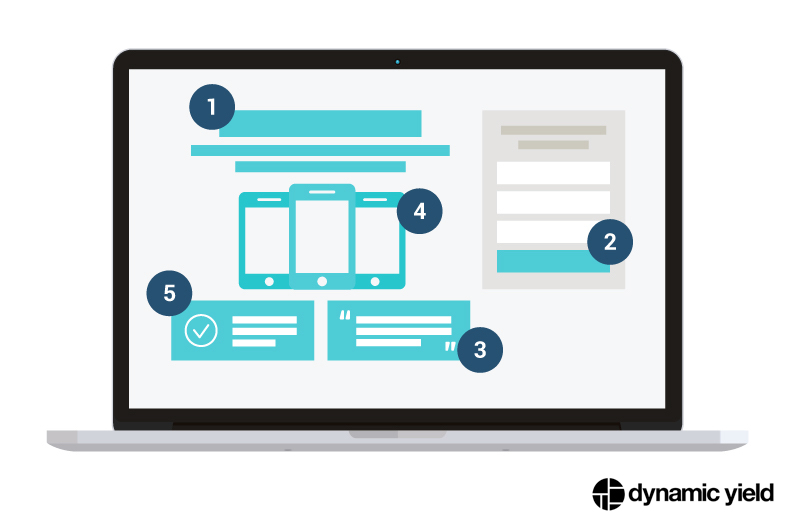
Credit: www.dynamicyield.com
Frequently Asked Questions
What Is Landing Page Optimization?
Landing page optimization is the process of improving elements on a landing page. The goal is to increase conversions and enhance user experience.
Why Is Landing Page Optimization Important?
Optimizing landing pages can significantly boost conversion rates. It ensures visitors have a seamless experience, leading to higher engagement and sales.
How Can I Improve My Landing Page?
Start by analyzing user behavior and identifying pain points. Use A/B testing, improve loading speeds, and ensure clear calls-to-action.
What Are Common Landing Page Mistakes?
Common mistakes include slow loading times, cluttered designs, and unclear calls-to-action. These issues can deter users from converting.
Conclusion
A well-optimized landing page boosts conversions and enhances user experience. Focus on clear headlines and strong calls-to-action. Regularly test and tweak elements for optimal performance. Implement these strategies to see a significant improvement in your landing page results. Start optimizing today to achieve your business goals.