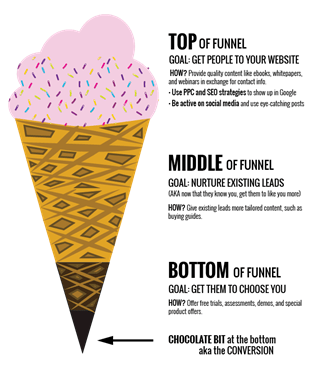
Lead generation strategies involve attracting and converting prospects into potential customers. These methods boost sales and drive business growth.
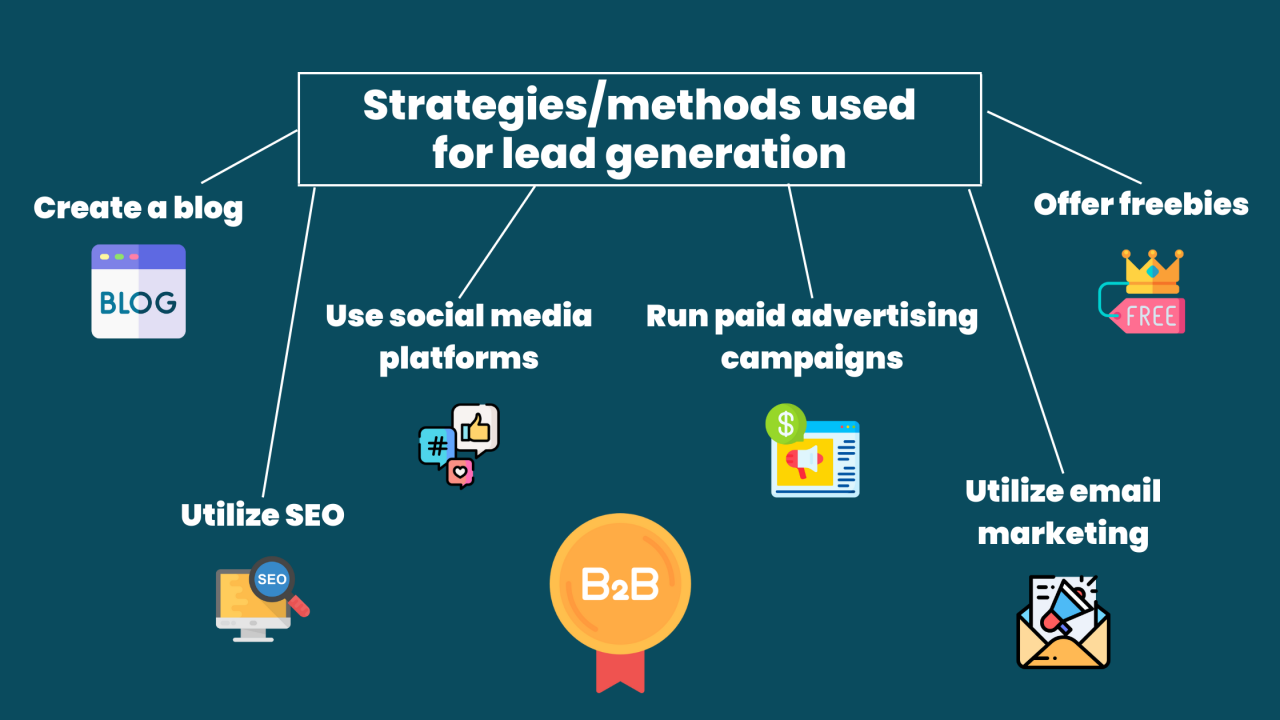
Effective lead generation is crucial for any business aiming to expand its customer base and increase revenue. Businesses employ a variety of strategies such as content marketing, social media engagement, email campaigns, and search engine optimization to capture potential leads.
Creating valuable and relevant content can attract the right audience and nurture them into loyal customers. Social media platforms provide opportunities for direct interaction and engagement with potential leads. Email marketing remains a powerful tool for personalized communication. SEO helps in improving visibility and attracting organic traffic. Utilizing these strategies ensures a steady stream of quality leads, ultimately contributing to sustained business success.
Introduction To Lead Generation
Lead generation is the process of attracting potential customers. It involves capturing their interest in your product or service. This interest is then converted into sales. A strong lead generation strategy is essential for business growth. It ensures a continuous flow of potential customers.
Importance Of Leads
Leads are the lifeblood of any business. Without leads, your business cannot grow. They are the first step in the sales funnel. Generating quality leads can increase your chances of conversion. Quality leads have a higher likelihood of becoming loyal customers.
Sales Impact
Effective lead generation directly impacts sales. More leads mean more opportunities to convert into sales. A robust lead generation strategy can boost your sales figures. It helps in identifying potential customers who are genuinely interested. This focus on quality leads can significantly improve your sales efficiency.
Here is a simple comparison table:
| Quality Leads | Sales Impact |
|---|---|
| Higher Conversion Rate | Increased Sales |
| Better Customer Retention | Steady Revenue |
| Improved Brand Loyalty | Long-term Growth |
Identifying Target Audience
Identifying your target audience is crucial for successful lead generation. Knowing your audience helps you craft the right message. It ensures your marketing efforts hit the mark.
Market Research
Market research is the first step in identifying your audience. It involves gathering data about your industry. This data provides insights into customer needs and preferences.
Use the following methods for effective market research:
- Surveys: Collect direct feedback from potential customers.
- Focus Groups: Engage with small groups for in-depth discussions.
- Competitor Analysis: Study your competitors to understand their audience.
The table below summarizes key market research methods:
| Method | Description |
|---|---|
| Surveys | Gather feedback through questionnaires. |
| Focus Groups | Facilitate detailed discussions with small groups. |
| Competitor Analysis | Analyze competitors to identify target audience traits. |
Buyer Personas
Creating buyer personas helps you visualize your ideal customers. A buyer persona is a semi-fictional character representing a segment of your audience. It includes details like demographics, behavior, and pain points.
Follow these steps to create effective buyer personas:
- Collect Data: Use market research data to gather information.
- Segment Audience: Group customers based on common characteristics.
- Develop Profiles: Create detailed profiles for each segment.
Key elements of a buyer persona include:
- Demographics: Age, gender, income, education.
- Behavior: Purchasing habits, brand loyalty.
- Pain Points: Challenges and problems they face.
- Goals: What they want to achieve.
Content Marketing Techniques
Content marketing is a powerful tool for generating leads. It involves creating valuable content that attracts and engages your target audience. This section explores various content marketing techniques, including blogging, e-books, and whitepapers.
Blogging
Blogging is a simple way to share valuable information. Write about topics that interest your audience. Use SEO-friendly keywords to improve your search rankings.
A blog can establish you as an authority. It also drives traffic to your website. More traffic means more leads. Here are some tips:
- Write clear, concise articles.
- Use headlines that grab attention.
- Include calls to action.
- Share your posts on social media.
E-books And Whitepapers
E-books and whitepapers offer in-depth information. They are more detailed than blog posts. These resources are excellent for capturing leads. People provide their email addresses to download them.
Create e-books and whitepapers on topics that solve problems. This builds trust with your audience. Consider these points:
- Identify a pain point in your industry.
- Write a comprehensive guide on that topic.
- Design the e-book or whitepaper professionally.
- Promote it through your blog and social media.
- Use a landing page to capture emails.
Social Media Strategies
Using social media for lead generation can be highly effective. These platforms offer various tools and techniques to attract potential customers. Effective social media strategies can boost brand awareness and drive engagement.
Engagement Tips
Engagement is key to attracting leads on social media. Here are some tips:
- Post Consistently: Regular updates keep your audience engaged.
- Respond Promptly: Quick replies show you care about your followers.
- Use Visuals: Images and videos get more attention.
- Ask Questions: This encourages interaction and feedback.
- Create Polls: Polls are a fun way to engage your audience.
Advertising Options
Social media platforms offer various advertising options. Here are some effective choices:
| Platform | Ad Type | Benefit |
|---|---|---|
| Carousel Ads | Show multiple products in one ad. | |
| Story Ads | Engage with immersive content. | |
| Sponsored Content | Reach professionals and decision-makers. | |
| Promoted Tweets | Boost visibility of important tweets. |
Choosing the right ad type can make a huge difference. Tailor your ads to match your audience’s interests.
Incorporating these strategies can help you generate more leads. Stay active and engage with your audience. Use the right advertising options for your business needs.
Email Marketing Tactics
Email marketing remains one of the most effective lead generation strategies. It allows businesses to reach potential customers directly in their inboxes. Let’s explore some key Email Marketing Tactics to boost your lead generation efforts.
Building Lists
Building an email list is the foundation of successful email marketing. Start by offering valuable content to your audience. Use signup forms on your website and social media pages. Provide incentives like discounts or free resources to encourage signups.
Segment your lists based on user behavior and preferences. This ensures that your messages are relevant and engaging. Regularly clean your list to remove inactive subscribers. This improves your email deliverability rates.
| Method | Description |
|---|---|
| Website Forms | Embed signup forms on your website. |
| Social Media | Promote your signup forms on social platforms. |
| Incentives | Offer discounts or freebies for signups. |
Personalized Campaigns
Personalized campaigns increase engagement and conversion rates. Use the data from your list segmentation to tailor your messages. Include the subscriber’s name and other personal details in your emails.
Send content based on user preferences and past interactions. This makes your emails more relevant and appealing. Automated email sequences can nurture leads through personalized follow-ups.
- Use names in your emails.
- Send content based on preferences.
- Automate follow-ups with personalized messages.
Personalized subject lines can boost open rates. A/B test different subject lines to find the most effective one. Ensure that your email content matches the subject line to avoid misleading your readers.
- Test different subject lines.
- Match content to the subject line.
- Analyze results and optimize.
Credit: www.linkedin.com
Seo And Sem Practices
Lead generation is crucial for any business. SEO and SEM are key strategies. These practices help attract potential customers. They improve visibility and drive traffic. Let’s explore these strategies in detail.
Keyword Research
Keyword research is the foundation of SEO and SEM. It helps identify terms people use to search online. Use tools like Google Keyword Planner and SEMrush. These tools help find relevant keywords. Focus on high-volume and low-competition keywords.
| Tool | Purpose |
|---|---|
| Google Keyword Planner | Find search volumes and competition |
| SEMrush | Analyze competitors’ keywords |
Create a list of keywords. Use them in your website content, meta tags, and URLs. Ensure your content is valuable and relevant. This will improve your search engine rankings.
Pay-per-click Ads
Pay-Per-Click (PPC) ads are part of SEM. They help drive targeted traffic quickly. Use platforms like Google Ads and Bing Ads. These platforms allow you to bid on keywords. You pay only when someone clicks your ad.
- Set a budget for your PPC campaigns.
- Choose keywords carefully.
- Create compelling ad copy.
- Use landing pages that match your ad content.
Monitor your campaigns regularly. Adjust bids and keywords based on performance. This ensures you get the best return on investment.
Utilizing Webinars And Events
Utilizing webinars and events can boost your lead generation efforts. They help in engaging with your audience directly. This method builds trust and establishes your authority.
Planning Events
Planning events is crucial for success. Follow these steps:
- Identify your target audience: Know who you want to reach.
- Choose relevant topics: Topics should address audience needs.
- Select the right platform: Zoom, Microsoft Teams, or other popular tools.
- Promote the event: Use social media, email marketing, and your website.
Creating a structured plan helps in smooth execution. Use this table for your planning:
| Task | Deadline | Responsible Person |
|---|---|---|
| Identify Audience | 2 weeks before event | Marketing Team |
| Choose Topic | 1 month before event | Content Team |
| Select Platform | 3 weeks before event | IT Team |
| Promote Event | 2 weeks before event | Marketing Team |
Follow-up Strategies
Follow-up strategies are essential for converting leads. Here are some tips:
- Send thank you emails: Appreciate their attendance.
- Share event resources: Provide recordings, slides, and additional content.
- Offer special deals: Incentivize them with discounts or offers.
- Schedule follow-up calls: Personal interaction increases conversions.
Effective follow-ups show you value your audience. This leads to better engagement.
Analyzing And Optimizing Performance
Analyzing and optimizing performance is crucial for successful lead generation. It helps you understand what works and what doesn’t. By diving into data, you can make informed decisions. This leads to better strategies and higher conversion rates. Here, we’ll explore key aspects like tracking metrics and improving conversion rates.
Tracking Metrics
Tracking metrics helps you monitor lead generation efforts. Key metrics include:
- Conversion Rate: The percentage of visitors who become leads.
- Cost per Lead: The cost to acquire a single lead.
- Lead Source: The origin of your leads, such as social media or email.
- Lead Quality: The potential value and relevance of the lead.
Use tools like Google Analytics and CRM software to track these metrics. These tools provide valuable insights. A table can help you organize this data:
| Metric | Definition | Tool |
|---|---|---|
| Conversion Rate | Percentage of visitors who convert to leads | Google Analytics |
| Cost per Lead | Cost to acquire a single lead | CRM Software |
| Lead Source | Origin of leads | Google Analytics |
| Lead Quality | Value and relevance of lead | CRM Software |
Improving Conversion Rates
Improving conversion rates is essential for lead generation success. Here are some tips:
- Optimize Landing Pages: Ensure they are user-friendly and load quickly.
- Clear Call-to-Action: Make it obvious and enticing for visitors.
- A/B Testing: Test different versions to see what works best.
- Personalize Content: Tailor messages to your audience.
- Follow Up: Respond to leads promptly to keep them engaged.
Small changes can lead to big improvements. Regularly analyze and adjust your strategies. This ensures you stay ahead and meet your lead generation goals.
Conclusion And Next Steps
Lead generation is a vital part of business growth. Implementing effective strategies can significantly boost your leads and conversions. This section summarizes the key points and suggests future steps.
Summary Of Strategies
Below is a summary of the various lead generation strategies:
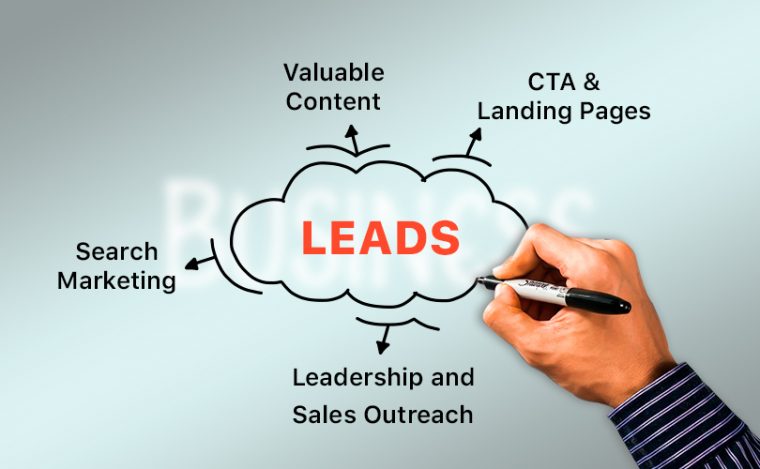
- Content Marketing: Create valuable content to attract potential leads.
- Email Marketing: Use email campaigns to nurture leads.
- Social Media Marketing: Engage with your audience on social platforms.
- SEO: Optimize your website for search engines to increase visibility.
- Pay-Per-Click Advertising: Use targeted ads to drive traffic.
- Webinars: Host webinars to educate and capture leads.
Future Planning
To stay ahead, you need to plan for the future. Here are some steps:
- Analyze Data: Regularly review your lead generation metrics.
- Adapt Strategies: Adjust your strategies based on performance data.
- Invest in Tools: Use advanced tools for better lead management.
- Train Your Team: Ensure your team is up-to-date with the latest techniques.
- Stay Updated: Keep abreast of industry trends and best practices.
By following these steps, you can ensure continuous improvement in your lead generation efforts. Always be ready to adapt and evolve to meet changing market demands.
Credit: www.smartinsights.com
Credit: www.cibirix.com
Frequently Asked Questions
What Are Lead Generation Strategies?
Lead generation strategies are methods to attract potential customers. They include content marketing, social media, email campaigns, and SEO. These techniques help convert visitors into leads.
How Does Content Marketing Generate Leads?
Content marketing generates leads by providing valuable information. High-quality content attracts and engages potential customers. It builds trust, encouraging them to share their contact details.
Why Is Email Marketing Effective For Lead Generation?
Email marketing is effective because it directly reaches potential customers. Personalized emails engage recipients, increasing the likelihood of conversions. It’s cost-effective and measurable.
What Role Does Seo Play In Lead Generation?
SEO improves website visibility on search engines. Higher rankings attract more organic traffic. This increases the chances of converting visitors into leads.
Conclusion
Effective lead generation strategies can transform your business. Implement these tactics to attract and convert potential customers. Stay consistent and track your progress. Success in lead generation requires dedication and smart planning. Keep refining your approach for better results. Your business growth depends on the quality of your leads.