
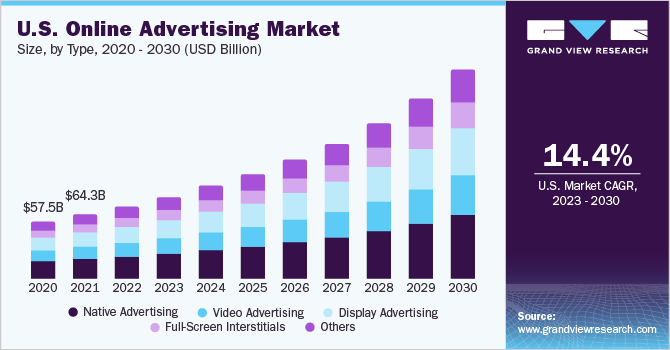
Online advertising trends show a significant rise in video content and personalized marketing. These trends are reshaping how businesses engage with consumers.
The digital marketing landscape constantly evolves, driven by technological advances and consumer preferences. Video content dominates, with platforms like YouTube and TikTok leading the way. Personalized marketing also gains traction, leveraging data to deliver tailored ads. This approach improves user engagement and conversion rates.
Social media advertising continues to grow, with influencers playing a crucial role. Mobile advertising remains crucial as more users access the internet via smartphones. Marketers increasingly use AI and machine learning to optimize ad campaigns. These trends highlight the importance of staying updated to maintain a competitive edge in online advertising.
Introduction To 2024 Trends
The landscape of online advertising evolves every year. In 2024, new trends will shape how businesses reach their audiences. This guide covers key changes and insights in the industry.
Key Changes
Several important changes are expected in 2024:
- Increased Use of AI: AI will personalize ads more effectively.
- Privacy Regulations: New laws will impact data collection.
- Video Ads: Short-form videos will dominate ad content.
Industry Insights
Experts predict significant shifts in the online advertising industry:
| Trend | Insight |
|---|---|
| AI Integration | AI will enhance targeting and ad creation. |
| Privacy Focus | Businesses must adapt to stricter privacy laws. |
| Video Content | Short videos will capture more audience attention. |
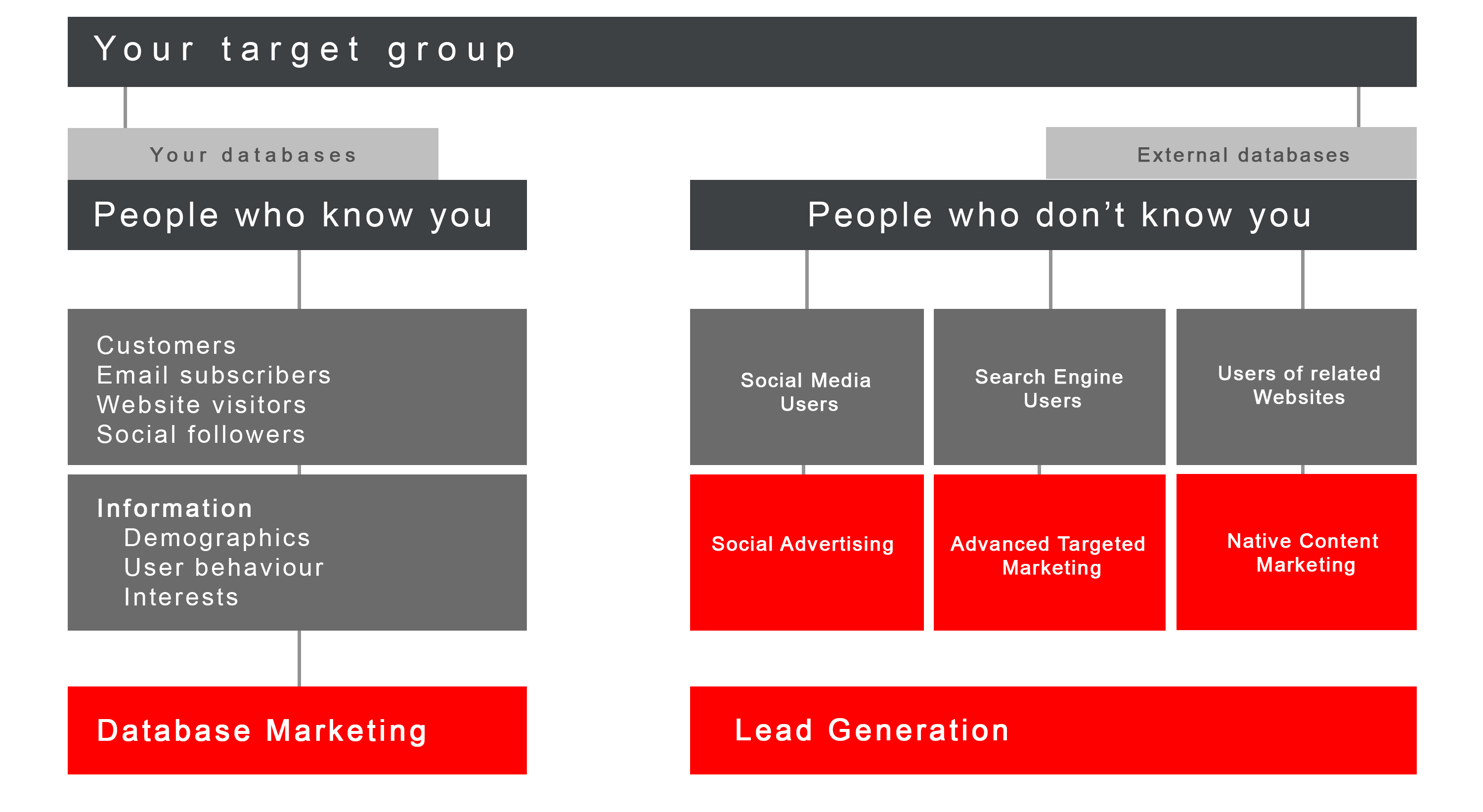
Credit: geomares-marketing.com
Ai And Machine Learning
Artificial Intelligence (AI) and Machine Learning (ML) are revolutionizing online advertising. These technologies optimize campaigns, predict trends, and automate processes. This ensures better returns on investment and targeted marketing strategies.
Predictive Analytics
Predictive analytics uses AI to forecast future trends. It analyzes past data to predict customer behavior. Marketers can anticipate customer needs and preferences. This allows for more personalized advertising strategies. With predictive analytics, businesses can stay ahead of their competition.
Here are some key benefits:
- Enhanced customer segmentation
- Improved ad targeting
- Increased conversion rates
- Optimized ad spend
Automated Campaigns
Automated campaigns leverage machine learning to streamline advertising efforts. They reduce manual tasks and improve efficiency. AI algorithms adjust bids, select the best audience, and optimize ad placements. This ensures maximum impact with minimal effort.
Key features of automated campaigns include:
- Real-time bid adjustments
- Dynamic ad creative optimization
- Automated audience targeting
- Performance tracking and reporting
Below is a table summarizing the advantages of predictive analytics and automated campaigns:
| Feature | Predictive Analytics | Automated Campaigns |
|---|---|---|
| Customer Segmentation | Enhanced | Automated |
| Ad Targeting | Improved | Dynamic |
| Conversion Rates | Increased | Maximized |
| Ad Spend | Optimized | Efficient |
Personalization Strategies
Personalization is key in online advertising. It tailors content to individual users. This approach increases engagement and conversion rates. Personalized ads speak directly to the needs of each user.
Targeted Content
Targeted content matches user interests. Ads shown are based on browsing history and search queries. This ensures users see relevant ads.
Advertisers use data from various sources. This includes social media, search engines, and websites. Data helps to create ads that resonate with users.
Customer Segmentation
Customer segmentation divides the audience into smaller groups. These groups share similar characteristics. Segmentation can be based on age, gender, location, interests, or behavior.
| Segmentation Type | Criteria | Example |
|---|---|---|
| Demographic | Age, Gender | Ads for young adults |
| Geographic | Location | Local business ads |
| Behavioral | Past behavior | Retargeting ads |
Segmentation helps in crafting specific messages. These messages address the unique needs of each group. Effective segmentation leads to higher engagement.

Credit: www.linkedin.com
Video Advertising
Video advertising is on the rise. It captivates audiences and boosts engagement. As technology evolves, video ads become more dynamic and interactive. Here are the latest trends in video advertising.
Interactive Videos
Interactive videos engage viewers by letting them make choices. These videos can ask questions, offer clickable options, and even create personalized experiences. This keeps the audience involved and increases watch time.
Brands use interactive videos for product demos, tutorials, and storytelling. Viewers feel more connected and are likelier to remember the message.
Benefits of Interactive Videos:
- Higher engagement rates
- Increased watch time
- Personalized experiences
- Better data collection
Short-form Content
Short-form content is quick and to the point. These videos usually last 15 to 60 seconds. They are perfect for social media platforms like TikTok, Instagram, and Facebook.
Audiences have shorter attention spans now. Short videos fit into busy schedules. They are easy to watch on the go and ideal for mobile users.
Advantages of Short-Form Content:
- High shareability
- Increased engagement
- Cost-effective production
- Better retention rates
| Trend | Benefit |
|---|---|
| Interactive Videos | Higher engagement rates, personalized experiences |
| Short-Form Content | High shareability, better retention rates |
Social Media Dominance
Social media has taken over online advertising. It’s now an essential part of digital marketing. Businesses use it to connect with millions of users worldwide. Let’s dive into the key trends in this space.
Platform Innovations
Social media platforms are constantly evolving. They introduce new features regularly. These innovations help advertisers reach their target audience more effectively.
- Instagram Reels: Short, engaging videos are trending.
- Facebook Shops: Businesses can now sell directly on Facebook.
- Snapchat AR: Augmented Reality ads are gaining popularity.
These features allow businesses to create interactive and engaging content. This enhances user experience and boosts brand visibility.
Influencer Partnerships
Influencers have become pivotal in social media advertising. They have large followings and high engagement rates. Partnering with influencers can elevate brand credibility.
| Benefits of Influencer Partnerships |
|---|
| Increase brand awareness |
| Reach target audience |
| Boost engagement |
Choosing the right influencer is crucial. Look for influencers who align with your brand values. This ensures authenticity and better results.
In summary, social media dominance in advertising is evident. Platform innovations and influencer partnerships are key trends. Leveraging these can significantly enhance your online advertising efforts.

Credit: leadsbridge.com
Data Privacy And Compliance
Data privacy and compliance have become crucial in online advertising. With increasing data breaches, users worry about their privacy. Advertisers must ensure their campaigns respect user data and follow regulations.
Regulatory Changes
New regulations impact how advertisers handle user data. GDPR and CCPA are two significant laws. They require businesses to be transparent and secure user data. Failing to comply can lead to hefty fines.
| Regulation | Region | Key Requirement |
|---|---|---|
| GDPR | Europe | Consent for data use |
| CCPA | California | Right to know data collection |
Businesses must stay updated with these laws. They need to adjust their policies accordingly. Transparency and user consent are now mandatory. Using personal data without permission is against the law.
Consumer Trust
Building consumer trust is essential. Users are more cautious about their data. They prefer brands that respect their privacy. Advertisers should focus on gaining trust.
- Be transparent about data usage.
- Provide clear opt-out options.
- Ensure data security.
Trustworthy brands are more likely to retain customers. Users value their privacy and security. Respecting these preferences can lead to better engagement.
Omnichannel Marketing
Omnichannel marketing ensures a unified customer experience. It integrates multiple channels for a seamless journey. Businesses reach customers across different platforms. This approach builds brand loyalty and enhances engagement.
Seamless Integration
Seamless integration combines various channels. These include social media, email, and websites. The aim is to provide a consistent message. Customers get the same experience regardless of the platform. This helps in building trust and brand consistency.
Below is a table showing the key elements of seamless integration:
| Channel | Key Feature |
|---|---|
| Social Media | Real-time engagement |
| Personalized content | |
| Website | Consistent branding |
Cross-platform Strategies
Cross-platform strategies target users across multiple channels. This includes mobile apps, websites, and social media. Each platform offers unique engagement opportunities. The goal is to reach customers wherever they are active.
Here are some effective cross-platform strategies:
- Unified Messaging: Ensure consistent messages across all platforms.
- Data Integration: Use data from one platform to inform another.
- Customer Journey Mapping: Understand how customers move between platforms.
Using these strategies helps in creating a cohesive marketing plan. It boosts customer satisfaction and drives sales.
Emerging Technologies
The world of online advertising is changing fast. Emerging technologies are making ads more engaging. Brands can now connect with their audiences in new ways. Let’s explore two exciting trends: AR/VR experiences and voice search optimization.
Ar/vr Experiences
Augmented Reality (AR) and Virtual Reality (VR) are revolutionizing online ads. These technologies create immersive experiences. AR overlays digital content on the real world. VR creates a fully virtual environment.
Brands use AR to let users try products. For example, a furniture store uses AR to show how a sofa looks in your room. VR is popular in travel ads. You can explore a virtual tour of a destination.
| Technology | Usage |
|---|---|
| AR | Try products in real-world settings |
| VR | Experience virtual tours |
Voice Search Optimization
Voice search is becoming more common. People use voice assistants to search online. Brands must optimize their content for voice search. This means using conversational keywords.
For example, instead of typing “best pizza near me,” people say, “Where can I find the best pizza nearby?” Brands should use natural language in their content. This helps in appearing in voice search results.
Here are some tips for voice search optimization:
- Use conversational keywords
- Optimize for local search
- Ensure your website is mobile-friendly
- Answer common questions clearly
Frequently Asked Questions
What Are The Latest Trends In Online Advertising?
The latest trends include AI-driven ads, personalized content, and video marketing. Brands are also leveraging social media influencers. Programmatic advertising is gaining traction. Interactive ads are becoming popular.
How Is Ai Changing Online Advertising?
AI is revolutionizing online advertising by enabling personalized ad experiences. It helps in targeting the right audience. AI optimizes ad campaigns in real-time. It also predicts consumer behavior, enhancing ad effectiveness.
Why Is Video Marketing Important Now?
Video marketing captures attention more effectively than text. Videos are engaging and can convey complex information quickly. They boost conversion rates. Social media platforms prioritize video content, increasing reach.
What Role Do Influencers Play In Online Advertising?
Influencers have a loyal following, making their endorsements powerful. They add authenticity to brand messages. Influencer marketing is cost-effective. It also helps in reaching niche audiences.
Conclusion
Staying updated with online advertising trends is crucial for success. Embrace new technologies and strategies. Adapt to changes and refine your approach. Focus on audience engagement and personalized content. Keep experimenting and analyzing results. This will help you stay ahead in the competitive digital landscape.
Happy advertising!