
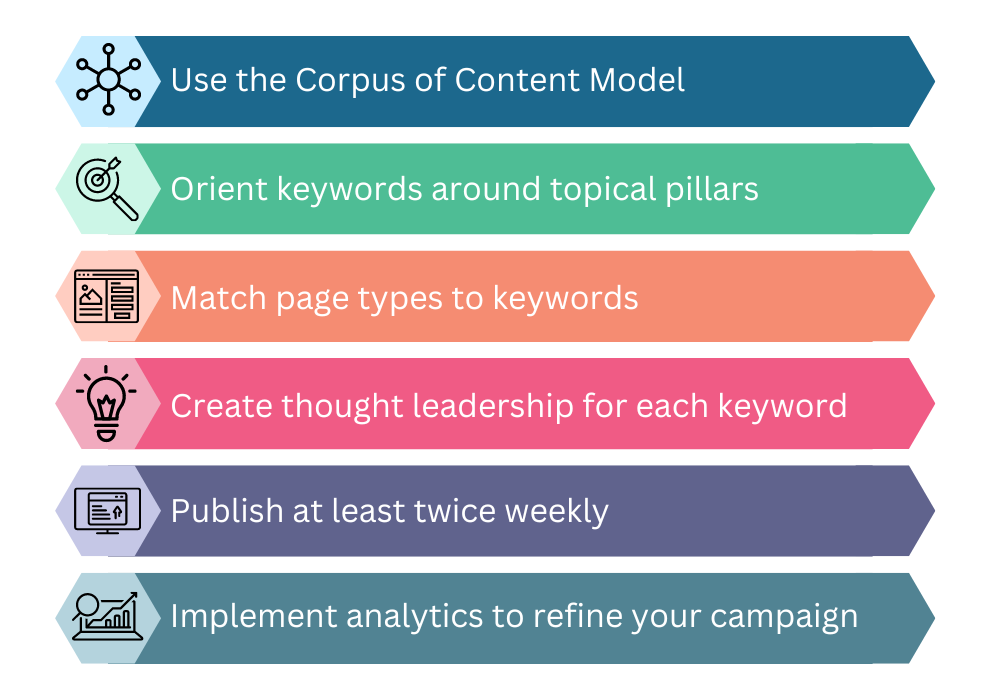
SEO best practices include optimizing website content for relevant keywords and ensuring a user-friendly experience. High-quality backlinks also play a crucial role.
Search Engine Optimization (SEO) is essential for increasing website visibility on search engines like Google. It involves a combination of strategies, including keyword optimization, quality content creation, and technical improvements. Keywords should be naturally integrated into your content to match search intent.
User experience is equally important, with fast loading times and mobile responsiveness being critical factors. High-quality backlinks from reputable sites can significantly boost your site’s authority. Regularly updating your content and staying informed about SEO trends will help maintain and improve your rankings. Effective SEO can drive organic traffic, enhancing your site’s reach and engagement.
Keyword Research
Keyword research is the backbone of SEO. It helps you find the right words. These words guide search engines to your content. With proper keyword research, you attract more visitors. You also improve your website’s ranking.
Finding Relevant Keywords
Start by brainstorming topics related to your niche. List out potential keywords. Think about what your audience might search for. Use common sense to find these phrases.
Here are some ways to find relevant keywords:
- Look at competitor websites.
- Ask your audience directly.
- Use forums and online communities.
Using Keyword Tools
Keyword tools are crucial. They provide data on search volume and competition. These tools help you refine your list.
Here are popular keyword tools:
| Tool | Features |
|---|---|
| Google Keyword Planner | Search volume, competition, and related keywords |
| Ahrefs | Keyword difficulty, volume, and related keywords |
| Ubersuggest | Keyword ideas, volume, and SEO difficulty |
Use these tools to gather data. Then, choose the best keywords for your content. Focus on long-tail keywords. These are phrases with three or more words. They often have less competition and higher conversion rates.

Credit: www.linkedin.com
On-page Optimization
On-page optimization is crucial for SEO success. It helps search engines understand your content. It also improves user experience. This section covers key practices for on-page optimization.
Title Tags And Meta Descriptions
Title tags and meta descriptions are essential elements. They tell search engines and users about your page. Follow these tips for best results:
- Keep title tags under 60 characters.
- Include target keywords in the title.
- Write unique and descriptive titles.
- Keep meta descriptions under 160 characters.
- Include a call-to-action in the meta description.
- Use target keywords in the meta description.
Header Tags
Header tags organize your content. They help search engines understand your page structure. Use them effectively:
- Use one H1 tag for the main title.
- Use H2 tags for main sections.
- Use H3 tags for subsections.
- Include keywords in headers naturally.
- Keep headers clear and concise.
Content Creation
Creating effective content is key to a successful SEO strategy. High-quality content attracts visitors and keeps them engaged. It also helps search engines understand your site’s value. Below, we will explore two essential aspects of content creation: high-quality content and content length.
High-quality Content
High-quality content should be informative and engaging. It should solve a problem or provide value to the reader. Here are some tips for creating high-quality content:
- Research: Know your topic well. Use reliable sources.
- Originality: Avoid duplicate content. Write unique articles.
- Readability: Use simple language. Make sentences short and clear.
- Visuals: Include images, videos, and infographics.
- Accuracy: Check facts and data. Ensure information is correct.
Content-length
Content length impacts SEO. Longer content often ranks better. It provides more information and keeps readers on the page longer. Here are some guidelines for content length:
| Content Type | Recommended Length |
|---|---|
| Blog Posts | 1,500 – 2,500 words |
| Product Descriptions | 300 – 500 words |
| Landing Pages | 500 – 1,000 words |
Always prioritize quality over quantity. Make sure the content is relevant and engaging. This will improve user experience and SEO rankings.
Credit: treewebsolutions.com
Mobile Optimization
Mobile optimization is crucial for SEO success. Mobile users are increasing daily. Ensuring your website is mobile-friendly improves user experience and rankings. Let’s explore two key aspects of mobile optimization: Responsive Design and Page Speed.
Responsive Design
A responsive design adjusts your website to fit any screen size. This means your site looks great on phones, tablets, and desktops. A well-designed responsive site improves user experience. Here are some tips for implementing responsive design:
- Use flexible grid layouts.
- Optimize images for different devices.
- Ensure text is readable on all screens.
- Test your site on multiple devices.
Using responsive design helps improve SEO rankings. Search engines favor mobile-friendly websites.
Page Speed
Page speed is crucial for user satisfaction and SEO. Slow-loading pages lead to high bounce rates. To optimize page speed:
- Compress images to reduce load time.
- Minimize JavaScript and CSS files.
- Enable browser caching.
- Use a Content Delivery Network (CDN).
Here’s a table summarizing the key actions for improving page speed:
| Action | Benefit |
|---|---|
| Compress Images | Reduces load time significantly |
| Minimize JavaScript and CSS | Makes pages load faster |
| Enable Browser Caching | Speeds up return visits |
| Use a CDN | Distributes load across servers |
Improving page speed enhances user experience and boosts search engine rankings.
Link Building
Link building is a crucial part of SEO. It helps improve your website’s authority and search engine rankings. Effective link building can drive more traffic to your site. Let’s explore some best practices for link building.
Internal Linking
Internal linking connects your website’s pages. It helps users and search engines navigate your site. Use internal links to spread link equity across your site.
Here are some tips for effective internal linking:
- Link to relevant content.
- Use descriptive anchor text.
- Keep a reasonable number of links per page.
Internal links also help reduce bounce rates. They keep users engaged with your content. This can improve your site’s overall performance.
Backlinks
Backlinks are links from other websites to yours. They act as votes of confidence. Search engines use backlinks to measure your site’s authority.
Here are ways to gain high-quality backlinks:
- Create valuable content.
- Engage in guest blogging.
- Build relationships with industry influencers.
High-quality backlinks can boost your rankings. Focus on earning links from reputable sites. Avoid spammy or low-quality backlinks. These can harm your site’s reputation.
Here is a simple comparison of internal links and backlinks:
| Internal Links | Backlinks |
|---|---|
| Connect pages within your site | Links from other sites to yours |
| Improve site navigation | Boost site authority |
| Spread link equity | Act as votes of confidence |
Both types of links are important. They play different roles in SEO. Use them wisely to improve your site’s performance.
Credit: www.semrush.com
User Experience
Creating a stellar user experience (UX) is essential for any website. A good UX ensures visitors stay longer and engage more. This boosts your SEO rankings.
Site Navigation
Site navigation should be intuitive and straightforward. Users should easily find what they need. A well-structured navigation menu helps search engines crawl your site better.
- Use clear and descriptive labels.
- Limit menu items to 7 or fewer.
- Include a search bar for quick access.
Consider using breadcrumb navigation. Breadcrumbs show users their path from the homepage. This makes it easier to backtrack.
Readability
Ensure your content is easy to read. Use short sentences and simple words. Break up long paragraphs for better readability.
| Readability Tip | Benefit |
|---|---|
| Use headings and subheadings | Organizes content |
| Use bullet points and lists | Enhances scannability |
| Choose a legible font size | Improves reading comfort |
Incorporate white space in your design. White space helps to focus on content. It also reduces eye strain.
Analytics And Monitoring
Analytics and monitoring are key for successful SEO strategies. They help track your website’s performance, understand user behavior, and identify areas for improvement. By implementing effective analytics and monitoring practices, you can make data-driven decisions to enhance your website’s visibility and user experience.
Tracking Traffic
Tracking traffic is crucial to measure your website’s success. You can use tools like Google Analytics to track the number of visitors. This tool also provides data on traffic sources, such as organic search, direct visits, or social media. Understanding where your traffic comes from helps you focus your SEO efforts on the most effective channels.
Here’s a simple table to help you understand traffic sources:
| Traffic Source | Description |
|---|---|
| Organic Search | Visitors from search engines |
| Direct | Visitors who type your URL directly |
| Social Media | Visitors from social media platforms |
| Referral | Visitors from other websites |
Analyzing User Behavior
Analyzing user behavior is vital for improving user experience. Tools like heatmaps and session recordings show how users interact with your site. You can identify which pages users spend the most time on and which elements they click. This data helps you optimize your website layout and content.
Consider these key metrics to analyze user behavior:
- Bounce Rate: Percentage of visitors who leave after viewing one page.
- Average Session Duration: The average time a user spends on your site.
- Pages per Session: The average number of pages viewed in one session.
By focusing on these metrics, you can improve user engagement and retention.
Technical Seo
Technical SEO is the foundation of any successful SEO strategy. It ensures that your website meets the technical requirements of search engines. With proper technical SEO, search engines can easily crawl, index, and render your site. This includes optimizing site speed, mobile-friendliness, and secure connections.
Xml Sitemaps
An XML sitemap is a file that lists all the pages on your website. It helps search engines understand the structure of your site. An XML sitemap is essential for larger websites with many pages.
Benefits of XML sitemaps:
- Helps search engines find all pages.
- Improves site indexing.
- Shows the most important pages.
Make sure your XML sitemap is up-to-date and submitted to search engines. Tools like Google Search Console can help with this.
Robots.txt
The robots.txt file is a text file that tells search engines which pages to crawl or not. It is important for controlling search engine access to certain parts of your site.
Using robots.txt:
- Prevent crawling of duplicate content.
- Block access to private pages.
- Improve crawl efficiency.
Make sure your robots.txt file does not block important pages. You can test your robots.txt file in Google Search Console.
Technical SEO ensures your site is optimized for search engines. XML sitemaps and robots.txt are key elements. Pay attention to these and your site will perform better in search rankings.
Frequently Asked Questions
What Are Seo Best Practices?
SEO best practices are techniques to improve website visibility on search engines. They include keyword optimization, quality content, and backlinking.
How Do Keywords Impact Seo?
Keywords help search engines understand your content. Properly chosen keywords can improve your site’s ranking and visibility.
Why Is Quality Content Important For Seo?
Quality content attracts visitors and keeps them engaged. Search engines reward well-written, informative content with higher rankings.
How Can Backlinks Improve Seo?
Backlinks from reputable sites boost your site’s credibility. They signal to search engines that your content is valuable.
Conclusion
Mastering SEO best practices is essential for online success. Focus on quality content, keyword optimization, and user experience. Stay updated with algorithm changes and continually refine your strategies. Implement these tips to boost your site’s visibility and drive more organic traffic.
Consistent effort will yield long-term benefits.