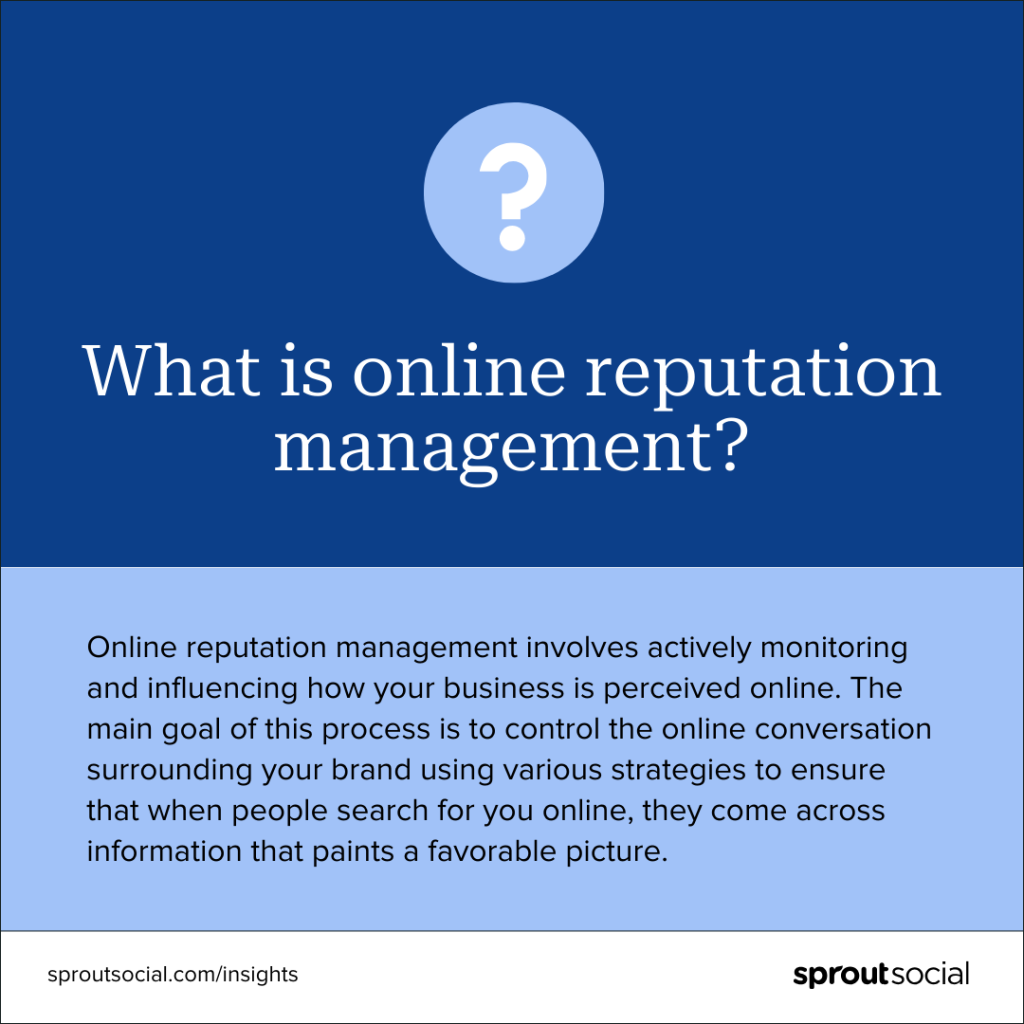
Online Reputation Management involves monitoring and improving how your business is perceived online. It is crucial for maintaining a positive public image.
Online reputation plays a critical role in a company’s success. It affects customer trust, business credibility, and overall brand perception. Negative reviews or comments can significantly impact sales and customer acquisition. Proactively managing your online presence helps mitigate risks and enhances your brand’s image.
Effective strategies include responding to reviews, engaging with customers on social media, and utilizing SEO techniques. By maintaining a strong online reputation, businesses can build trust and attract more customers. Investing in Online Reputation Management is essential for long-term success and growth in today’s digital world.
Building A Positive Online Presence
A positive online presence is essential for any business or individual. It helps you build trust and credibility. Let’s explore how to create a strong online reputation.
Creating Quality Content
Quality content is the backbone of a positive online presence. Always aim for content that is informative, engaging, and valuable. Focus on topics that your audience cares about.
Use a mix of content types such as:
- Blog posts
- Videos
- Infographics
- Podcasts
Consistency is key. Regularly update your content to keep it fresh and relevant. Make sure your content is easy to read and understand. Use simple language and short sentences.
Engaging With Your Audience
Engagement is crucial for building a positive online presence. Respond to comments and messages promptly. Show your audience that you value their input.
Here are some tips for effective engagement:
- Ask questions to encourage interaction.
- Share user-generated content.
- Host live sessions to connect in real-time.
- Run polls and surveys for feedback.
Being active on social media platforms also helps. Share relevant updates and interact with your followers. Acknowledge their contributions and show appreciation. This builds a loyal community around your brand.
Engagement goes beyond just responding. Be proactive in starting conversations. Share stories and experiences that resonate with your audience.
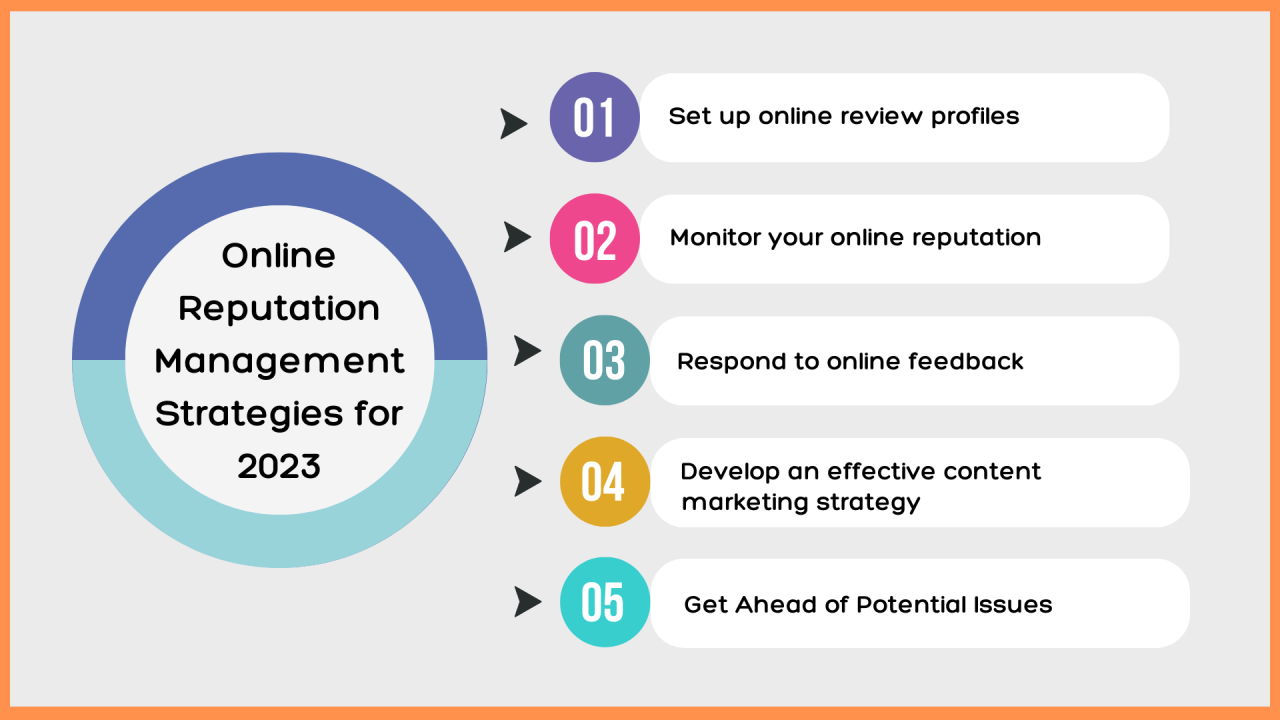
Regularly monitor your online presence. Use tools to track mentions and reviews. Address any negative feedback promptly and professionally.
Credit: www.linkedin.com
Monitoring Your Brand’s Reputation
Monitoring your brand’s reputation is crucial in the digital age. It helps you understand how people perceive your business. This can influence customer trust, loyalty, and sales. Being aware of your online presence allows you to address issues quickly. It also helps you capitalize on positive feedback.
Tools For Monitoring
Several tools can help monitor your brand’s reputation. These tools gather data from various online sources. You can track mentions, reviews, and social media discussions. Here are some popular tools:
- Google Alerts: Get email notifications for specific keywords.
- Hootsuite: Monitor social media platforms in one dashboard.
- Reputology: Track reviews on multiple sites.
- Brandwatch: Analyze online conversations about your brand.
- Social Mention: Understand sentiment and influence of mentions.
Identifying Negative Feedback
Identifying negative feedback is vital for maintaining your brand’s reputation. Addressing negative comments shows customers you care. Here are steps to identify and manage negative feedback:
- Set Up Alerts: Use tools to get real-time notifications.
- Check Review Sites: Regularly visit sites like Yelp and TripAdvisor.
- Monitor Social Media: Look for mentions on platforms like Twitter and Facebook.
- Analyze Sentiment: Use tools to understand the tone of feedback.
- Respond Quickly: Address concerns promptly to show commitment.
Use these steps to keep track of your brand’s online presence. Maintaining a positive reputation is key to business success.
Handling Negative Reviews
Negative reviews can hurt your business. They can damage your online reputation. But, you can turn them into opportunities. Handling negative reviews well shows your professionalism. It can also win back unhappy customers.
Responding Professionally
Always respond to negative reviews. It shows you care. Thank the reviewer for their feedback. Apologize if needed. Keep your response short and polite. Avoid arguing with the reviewer. This can make things worse. Here is a simple example:
Dear [Customer Name],

Thank you for your feedback. We are sorry you had a bad experience. We are looking into the issue. Please contact us at [Contact Info] so we can resolve this.

Best regards,
[Your Name]
[Your Position]
This response shows you care. It also offers a way to fix the problem.
Turning Negatives Into Positives
Negative reviews can be a chance to improve. Look at the issue they mention. Fix it if you can. This shows other customers you listen and care.
Here are steps to turn negatives into positives:
- Identify the problem in the review.
- Find a solution to the problem.
- Respond to the review with the solution.
- Thank the reviewer for their feedback.
Here is a table to help you:
| Step | Action |
|---|---|
| 1 | Identify the problem. |
| 2 | Find a solution. |
| 3 | Respond with the solution. |
| 4 | Thank the reviewer. |
Turning negatives into positives can improve your business. It can also boost your online reputation.
Leveraging Social Media
Social media plays a crucial role in Online Reputation Management (ORM). Using social platforms, businesses can shape how they are viewed by the public. This section will focus on leveraging social media effectively for ORM.
Choosing The Right Platforms
Not all social media platforms are created equal. Each one has a unique audience and serves different purposes. Choosing the right platforms is essential for effective ORM.
| Platform | Audience | Purpose |
|---|---|---|
| General Public | Community Engagement | |
| Professionals | Quick Updates | |
| Younger Audience | Visual Content | |
| Business Professionals | Professional Networking |
Crafting Effective Social Media Strategies
Effective social media strategies are key to successful ORM. Here are some tips:
- Consistent Posting: Post regularly to keep your audience engaged.
- Monitor Mentions: Keep track of what people say about your brand.
- Engage with Followers: Respond to comments and messages promptly.
- Share Valuable Content: Provide information that is useful to your audience.
Consistency is vital in social media strategies. Regular posting keeps your brand in the public eye. Monitoring mentions helps you understand public perception. Engaging with followers builds a loyal community. Sharing valuable content positions your brand as a leader in your field.
By choosing the right platforms and crafting effective strategies, your business can successfully manage its online reputation.
Encouraging Positive Reviews
Online Reputation Management (ORM) is crucial for any business. Positive reviews boost your brand’s image. They attract new customers and improve your online presence. Let’s explore how you can encourage positive reviews effectively.
Incentivizing Customer Feedback
Offer incentives to customers who leave reviews. This could be discounts, coupons, or loyalty points. Make the process easy and quick.
- Send follow-up emails after a purchase
- Include a review request in your packaging
- Offer a chance to win a prize for leaving a review
Customers love rewards. Incentives motivate them to share their experiences. Ensure the incentives align with your brand values.
Showcasing Testimonials
Display testimonials prominently on your website. This builds trust with potential customers. Use a mix of text and video testimonials.
| Type | Benefit |
|---|---|
| Text Testimonials | Easy to read and share |
| Video Testimonials | More personal and engaging |
Share testimonials on social media and in email newsletters. Highlight key phrases and positive feedback. This shows real experiences and builds credibility.
Credit: www.aimtechnologies.co
Seo And Online Reputation
Online Reputation Management (ORM) is crucial in today’s digital world. Your online presence impacts your brand’s trust and credibility. SEO plays a significant role in shaping your online reputation. By optimizing your content for search engines, you can control what appears in search results. This can help highlight positive information and suppress negative content.
Optimizing For Search Engines
Search Engine Optimization (SEO) involves making your website more visible in search results. This is essential for managing your online reputation. Here are some key steps:
- Keyword Research: Identify keywords relevant to your brand.
- Quality Content: Produce high-quality, engaging content.
- On-Page SEO: Optimize titles, meta descriptions, and headings.
- Backlinks: Acquire high-quality backlinks from reputable sites.
Using these strategies can help your positive content rank higher. This pushes down any negative search results. Consistent SEO efforts ensure your brand maintains a positive online presence.
Managing Online Mentions
Managing online mentions is another critical aspect of ORM. Keeping track of what people say about your brand online is essential. Here are some ways to manage online mentions:
- Google Alerts: Set up alerts for your brand name.
- Social Media Monitoring: Use tools to track mentions on social media.
- Review Sites: Regularly check review sites and respond to feedback.
Responding promptly to online mentions shows you care about your customers. It can also help mitigate any potential damage from negative comments. Always respond professionally and constructively.
By effectively managing online mentions, you can build a positive reputation. This can lead to increased trust and loyalty among your audience.
Measuring Success
Online Reputation Management (ORM) is crucial for businesses. Measuring success ensures your strategies work. You need to track key metrics and adjust strategies based on data.
Key Metrics To Track
Tracking the right metrics can show your ORM efforts’ effectiveness. Here are some key metrics to focus on:
- Sentiment Analysis: Understand if your brand mentions are positive or negative.
- Review Scores: Monitor average ratings on platforms like Google and Yelp.
- Social Media Mentions: Track how often your brand is mentioned on social media.
- Search Engine Rankings: Keep an eye on your brand’s ranking on search engines.
- Website Traffic: Check the number of visitors to your site from ORM efforts.
Adjusting Strategies Based On Data
Data tells you what’s working and what needs change. Use these steps to adjust your strategies:
- Analyze Sentiment: If sentiment is negative, find the cause and address it.
- Improve Review Scores: Encourage satisfied customers to leave positive reviews.
- Boost Social Mentions: Engage with your audience to increase mentions.
- Optimize for Search Engines: Use SEO tactics to improve search rankings.
- Increase Website Traffic: Use targeted content to attract more visitors.
Measuring success in ORM means tracking key metrics and adjusting strategies. This ensures you maintain a positive online reputation.

Credit: pureseo.com
Frequently Asked Questions
What Is Online Reputation Management?
Online reputation management (ORM) involves monitoring and improving the perception of your brand online. ORM helps businesses maintain a positive image. It’s crucial for customer trust and brand credibility.
Why Is Online Reputation Management Important?
Online reputation management is vital for building trust and credibility. It helps attract new customers and retain existing ones. A positive reputation can drive sales and growth.
How Can I Improve My Online Reputation?
You can improve your online reputation by actively engaging with customers, addressing negative feedback, and promoting positive reviews. Consistent monitoring and proactive communication are key.
What Tools Are Used For Online Reputation Management?
Tools like Google Alerts, Hootsuite, and Brandwatch can help monitor and manage your online reputation. These tools track mentions, reviews, and social media activity.
Conclusion
Maintaining a positive online reputation is crucial for your business. It builds trust and attracts potential customers. Regularly monitor and address feedback to stay ahead. Use professional tools and strategies for effective reputation management. Your online image can significantly impact your success.
Invest time and effort to keep it stellar.