
Optimize your Google My Business listing and ensure consistent NAP (Name, Address, Phone number) information across all platforms. Use local keywords in your content and meta tags.
Local SEO is crucial for businesses aiming to attract nearby customers. A well-optimized Google My Business profile can significantly boost local visibility. Consistent NAP information across directories ensures search engines and customers trust your business details. Incorporating local keywords in your website content, titles, and meta descriptions can help you rank higher in local search results.
Leveraging online reviews and engaging with your community online also builds credibility. By focusing on these strategies, you can enhance your local search presence and drive more traffic to your physical or online store.
Introduction To Local Seo
Local SEO is crucial for small businesses looking to attract nearby customers. This guide will help you understand the basics and importance of Local SEO.
What Is Local Seo?
Local SEO focuses on optimizing a website to be found in local search results. This includes searches with location-specific keywords like “near me” or a city name.
Search engines use various factors to rank local businesses. These include relevance, distance, and prominence. Optimizing these factors can improve your visibility in local searches.
Importance For Small Businesses
Local SEO is vital for small businesses. It helps you reach potential customers in your area. Here’s why it’s essential:
- Increased Visibility: Local SEO puts your business on the map. It makes you easily findable.
- Higher Traffic: People searching locally are likely to visit your store. More visits mean more sales.
- Better Reputation: Positive reviews boost your local ranking. They build trust with new customers.
Local SEO can level the playing field for small businesses. It gives you a chance to compete with larger companies.
| Benefit | Explanation |
|---|---|
| Increased Visibility | Helps your business appear in local searches. |
| Higher Traffic | Drives more foot traffic to your store. |
| Better Reputation | Builds trust through positive reviews. |
Understanding and implementing Local SEO can significantly impact your business. Start optimizing today to reap the benefits.
Optimizing Google My Business
Optimizing Google My Business is crucial for local SEO. It helps attract more local customers. A well-optimized profile boosts your visibility. This section covers key tips to optimize your Google My Business.
Setting Up Your Profile
Setting up your Google My Business profile is the first step. Ensure your business name is accurate. Add your complete address and phone number. Select the right business category. Upload high-quality photos of your business. Include your operating hours.
| Element | Action |
|---|---|
| Business Name | Ensure accuracy |
| Address | Provide complete details |
| Phone Number | Include correct contact |
| Business Category | Choose appropriately |
| Photos | Upload high-quality images |
| Operating Hours | List your hours |
Leveraging Google Reviews
Google Reviews play a big role in local SEO. Encourage your customers to leave reviews. Respond to both positive and negative reviews. This shows you care about customer feedback. Use keywords in your responses. This can help with SEO.
- Encourage reviews from customers
- Respond to all reviews
- Use keywords in responses
- Show appreciation for feedback
- Address complaints professionally
Positive reviews improve your business reputation. Negative reviews offer a chance to improve. Always remain professional in your responses. This builds trust with potential customers.
Local Keywords Strategy
Boost your local SEO with a well-planned Local Keywords Strategy. Using local keywords helps attract nearby customers. It also improves search engine rankings. Below, we will explore ways to find and incorporate local keywords.
Finding Local Keywords
Start by identifying keywords relevant to your area. Use tools like Google Keyword Planner. This tool helps you discover popular search terms.
Check the search volume for each keyword. Focus on keywords with high search volume and low competition. You can also use local business directories. Look at the keywords your competitors are using. This can give you more ideas.
| Tool | Usage |
|---|---|
| Google Keyword Planner | Find search volume and competition |
| Local Business Directories | Analyze competitor keywords |
Incorporate location-based terms. Use city names, neighborhoods, and landmarks. This makes your keywords more specific.
Incorporating Keywords
Place your local keywords naturally in your content. Use them in titles, headings, and meta descriptions. This helps search engines understand your content’s focus.
Create a list of your top local keywords. Then, use them in these areas:
- Title Tags: Include a primary keyword in your title.
- Meta Descriptions: Summarize your content using local keywords.
- Headings: Use keywords in H1, H2, and H3 tags.
- Content: Place keywords throughout your text naturally.
Also, add keywords to your URLs. This can help your page rank better. Make sure your URLs are short and descriptive.
Use keywords in your image alt text. This helps with image search rankings. It also makes your site more accessible.
On-page Seo Tactics
On-Page SEO is essential for local businesses. It helps improve visibility in search engines. By optimizing your website’s elements, you can attract more local customers. Let’s explore some key tactics.
Optimizing Meta Tags
Meta tags play a crucial role in local SEO. They provide search engines with information about your page. Ensure your meta titles and descriptions include local keywords.
- Include the city name in your meta title.
- Use a compelling call-to-action in the meta description.
- Keep meta titles under 60 characters.
- Ensure meta descriptions are under 160 characters.
Here is an example of an optimized meta tag:
<meta name="description" content="Enjoy the best pizza in New York at Joe's Pizzeria. Visit us today!>
Using Local Schema Markup
Local schema markup helps search engines understand your business. It enhances your website’s appearance in search results.
| Property | Example |
|---|---|
| Business Name | Joe’s Pizzeria |
| Address | 123 Main St, New York, NY |
| Phone Number | (123) 456-7890 |
| Opening Hours | Mon-Fri: 9 AM – 9 PM |
Implement local schema markup using JSON-LD:
Using schema markup makes your business stand out. It provides essential details to search engines and users.
Building Local Citations
Local citations help boost your local SEO. They mention your business name, address, and phone number on websites. This makes it easier for customers to find you. Building local citations is crucial for improving your online presence.
Top Citation Sources
Choose the best citation sources for your business. Here are some top sources to consider:
| Source | Description |
|---|---|
| Google My Business | Essential for local search visibility. |
| Yelp | Popular for customer reviews. |
| Good for social engagement. | |
| Bing Places | Important for Bing searches. |
| Yellow Pages | Traditional directory with online presence. |
Consistency In Nap
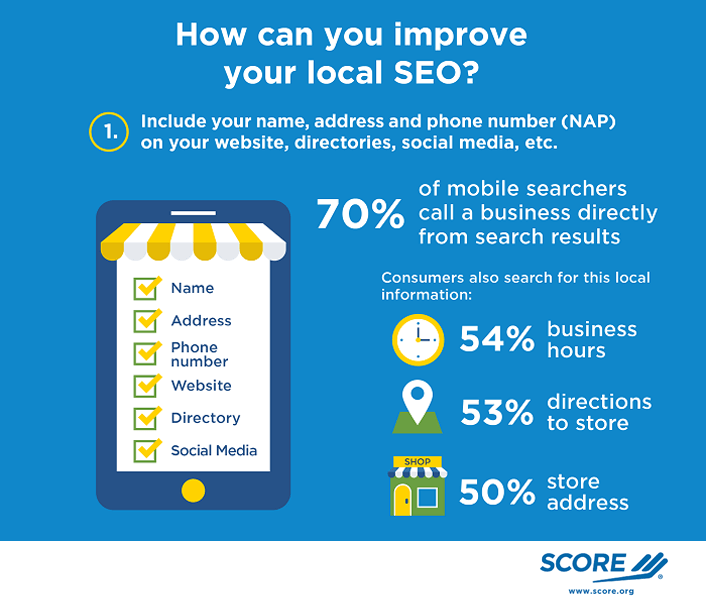
Ensure consistency in your NAP (Name, Address, Phone number). This is crucial for local SEO success. Here are some tips for maintaining consistency:
- Use the same business name on all listings.
- Ensure your address is identical across platforms.
- Use the same phone number on every listing.
Consistency helps search engines trust your business information. It improves your local search rankings.
Credit: www.stylefactoryproductions.com
Managing Online Reviews
Managing online reviews is vital for local SEO. Positive reviews boost your business’s reputation. They can also influence your rankings on search engines. Negative reviews can harm your business. Responding to reviews, both good and bad, shows you care about your customers.
Encouraging Customer Reviews
Encouraging customer reviews is essential for building trust. Here are some tips to get more reviews:
- Ask your customers directly for reviews.
- Provide easy ways for customers to leave reviews.
- Offer incentives for leaving a review, like discounts.
- Share positive reviews on social media.
Make sure to ask for reviews at the right time. After a successful purchase or service is ideal.
Responding To Reviews
Responding to reviews is crucial. It shows you value customer feedback. Here are some tips for responding:
| Type of Review | Response Tips |
|---|---|
| Positive Review | Thank the customer. Highlight the good points they mentioned. Invite them back. |
| Negative Review | Apologize for their experience. Address the issue. Offer a solution or compensation. |
Always respond politely and professionally. This shows potential customers you care.
Creating Local Content
Creating local content helps you connect with your community. It can boost your local search rankings. It shows your business cares about its local audience.
Blogging For Local Audience
Blogging for a local audience means writing about local topics. Share stories and events that matter to your community. Local events, local news and local trends can be great topics.
Use local keywords in your blog posts. Include the name of your city or neighborhood. This helps search engines understand your content is local.
Interview local experts or feature local businesses in your blog. This creates a network of local connections. It also shows your business is engaged with the community.
- Write about local events.
- Use local keywords.
- Interview local experts.
Utilizing Local News
Use local news to create timely and relevant content. Write blog posts about recent events in your area. This can attract local readers who are interested in the news.
Link to local news sources in your blog posts. This can improve your SEO and build relationships with local media. Always give credit to the original source.
Discuss how local news affects your business or industry. This shows your audience you are informed and involved in local happenings.
- Create content about recent local events.
- Link to local news sources.
- Discuss local news impacts.
| Action | Benefit |
|---|---|
| Write about local events | Engages local audience |
| Use local keywords | Improves local SEO |
| Link to local news | Builds local connections |
Credit: translatepress.com
Leveraging Social Media
Social media platforms are powerful tools for boosting your local SEO. They help you connect with your community and promote local events. This can significantly enhance your online visibility. Let’s dive into how you can leverage social media for local SEO.
Engaging With Local Community
Engaging with your local community is crucial. It builds trust and loyalty. Here are some tips:
- Interact with local followers by liking and commenting on their posts.
- Share user-generated content related to your business.
- Use local hashtags to increase your visibility in the area.
Another effective strategy is creating polls and surveys. Ask questions that matter to your community. This not only engages them but also provides valuable insights.
Promoting Local Events
Promoting local events on social media can drive traffic to your business. Here are some steps:
- Create event pages on Facebook or Instagram.
- Share event details and updates regularly.
- Collaborate with local influencers to spread the word.
A table can help you plan your event promotion strategy:
| Task | Platform | Frequency |
|---|---|---|
| Create Event Page | Once | |
| Share Updates | Weekly | |
| Collaborate with Influencers | All | As Needed |
Make sure to use local keywords in your event descriptions. This helps search engines understand your local relevance.
Monitoring And Analytics
Effective Local SEO depends on constant monitoring and analytics. You need to track your performance to know what works and what doesn’t. This way, you can adjust strategies and improve results. Here, we discuss two key areas: Tracking Local SEO Performance and Adjusting Strategies.
Tracking Local Seo Performance
Tracking your Local SEO performance helps you understand your progress. Use tools like Google Analytics and Google Search Console. These tools offer valuable data about your site’s traffic.
- Google Analytics: Provides detailed traffic reports.
- Google Search Console: Shows how your site appears in search results.
Focus on key metrics such as:
- Organic Traffic: Number of visitors from search engines.
- Local Pack Rankings: Your position in local search results.
- Click-Through Rate (CTR): Percentage of users who click on your link.
- Conversion Rate: Percentage of visitors who complete a desired action.
Adjusting Strategies
Once you track your performance, it’s time to adjust your strategies. Use the data you collected to make informed decisions.
- Identify Weak Areas: Focus on metrics that need improvement.
- Test Changes: Implement new tactics and monitor their impact.
- Analyze Results: Use analytics to measure the effectiveness of changes.
- Repeat: Continuously refine your approach based on new data.
For example, if your CTR is low, consider updating your meta descriptions. Make them more engaging and relevant. If your local pack rankings are poor, optimize your Google My Business profile. Ensure your NAP (Name, Address, Phone number) is consistent across all platforms.
Regular monitoring and adjustments will help maintain your local search visibility. Stay ahead of competitors by being proactive with your Local SEO strategies.
Credit: aioseo.com
Conclusion And Next Steps
Local SEO can propel your business forward. You’ve learned various tips and strategies. Now, let’s summarize and plan for future growth.
Recap Of Tips
Here’s a quick recap of the tips we covered:
- Optimize Google My Business: Fill out all details. Keep information accurate.
- Use Local Keywords: Include city and neighborhood names in content.
- Get Reviews: Encourage customers to leave positive reviews.
- Mobile-Friendly Website: Ensure your site is responsive and fast.
- Local Backlinks: Partner with local businesses for backlinks.
Future Growth
Your journey with Local SEO doesn’t stop here. Follow these steps for continuous improvement:
- Monitor Analytics: Use tools to track website traffic and user behavior.
- Update Content Regularly: Keep your site fresh with new blog posts and updates.
- Engage on Social Media: Interact with your local audience on platforms like Facebook and Instagram.
- Attend Local Events: Participate in community events to increase visibility.
- Stay Updated: Keep up with the latest local SEO trends and algorithm changes.
By implementing these strategies, you can ensure your business stays ahead in local search results.
Frequently Asked Questions
What Is Local Seo?
Local SEO optimizes your online presence to attract local customers. It involves using location-based keywords and managing online reviews.
How Does Local Seo Work?
Local SEO works by optimizing your website and online profiles. It helps you rank higher in local search results.
Why Is Local Seo Important?
Local SEO is crucial for businesses targeting local customers. It increases visibility, foot traffic, and sales in your local area.
How To Optimize Google My Business?
To optimize Google My Business, ensure your profile is complete. Add accurate information, photos, and encourage customer reviews.
Conclusion
Boosting your local SEO can greatly enhance your business visibility. Implement these tips for better search rankings. Focus on quality content, local keywords, and customer reviews. Regularly update your online presence. With consistent efforts, you’ll see significant improvements in local search performance.
Start optimizing today and watch your business grow.