

Video marketing techniques involve creating engaging video content to promote products and services. These techniques boost brand awareness and drive conversions.
Video marketing has become a powerful tool for businesses. Engaging video content captures attention and keeps viewers interested. Brands use various techniques like storytelling, tutorials, testimonials, and live streams to connect with their audience. Optimizing videos for SEO ensures better visibility on search engines.
Social media platforms like YouTube, Facebook, and Instagram provide excellent avenues for video marketing. Consistent posting and analyzing performance metrics help refine strategies. High-quality visuals and compelling narratives make videos more appealing. Video marketing effectively drives engagement, increases conversions, and builds brand loyalty.
Introduction To Video Marketing
Video marketing is a powerful way to connect with your audience. Businesses use videos to promote products, engage customers, and boost sales. Let’s explore what video marketing is and its importance.
What Is Video Marketing?
Video marketing involves using videos to promote and market your brand. It includes creating video content that showcases your products or services. These videos can be shared on platforms like YouTube, social media, or your website.
There are different types of video marketing content:
- Product Demos
- How-To Videos
- Customer Testimonials
- Brand Stories
Importance Of Video Marketing
Video marketing is important for several reasons:
- Engages the audience quickly.
- Builds trust with your brand.
- Improves SEO and website traffic.
- Increases conversion rates.
Videos capture attention more effectively than text or images. They provide a visual and auditory experience that helps convey your message clearly. Search engines favor video content, making your site more visible. Conversion rates are higher with video content, leading to more sales.
Types Of Video Content
Video marketing is a powerful tool for businesses. Different types of video content can engage audiences in unique ways. This section explores various video content types you can use to boost your marketing efforts.
Explainer Videos
Explainer videos are short, engaging videos. They explain complex concepts in simple terms. These videos are usually animated. They often include voiceovers and catchy music. Their goal is to clarify how a product or service works. Explainer videos are effective for introducing new features or ideas. They can be shared on social media, websites, or during presentations.
Product Demos
Product demos showcase your product in action. They highlight key features and benefits. These videos help potential customers understand your product better. They can see how it works and why they need it. A good product demo is clear and concise. Use it on your website, social media, or email campaigns to drive sales.
Customer Testimonials
Customer testimonials are powerful. They show real people talking about your product. These videos build trust and credibility. Potential customers see happy users, and this boosts confidence in your brand. Keep testimonials short and genuine. Share them on your website, social media, or during sales meetings.
Creating Engaging Video Content
Engaging video content is key to successful video marketing. It captures attention, tells a story, and drives action. Let’s explore some effective techniques to create engaging videos.
Storytelling Techniques
Storytelling is a powerful tool in video marketing. It helps connect with your audience emotionally. Here are some storytelling techniques to consider:
- Identify Your Core Message: Decide the main point of your video.
- Character Development: Introduce relatable characters to drive your story.
- Conflict and Resolution: Show a problem and how it gets solved.
- Emotional Appeal: Make your audience feel something.
- Call to Action (CTA): Encourage viewers to take a specific action.
Visual And Audio Elements
Visual and audio elements enhance the storytelling experience. They make your video more engaging. Here are some key elements to include:
| Element | Description | Tips |
|---|---|---|
| Visual Effects | Use animations, transitions, and filters. | Keep it subtle; don’t overdo it. |
| Lighting | Ensure proper lighting for clear visuals. | Natural light works best. |
| Audio Quality | Clear and crisp sound is essential. | Use a good microphone. |
| Background Music | Add music to enhance mood. | Choose royalty-free music. |
| Text Overlays | Add text to highlight key points. | Use readable fonts. |
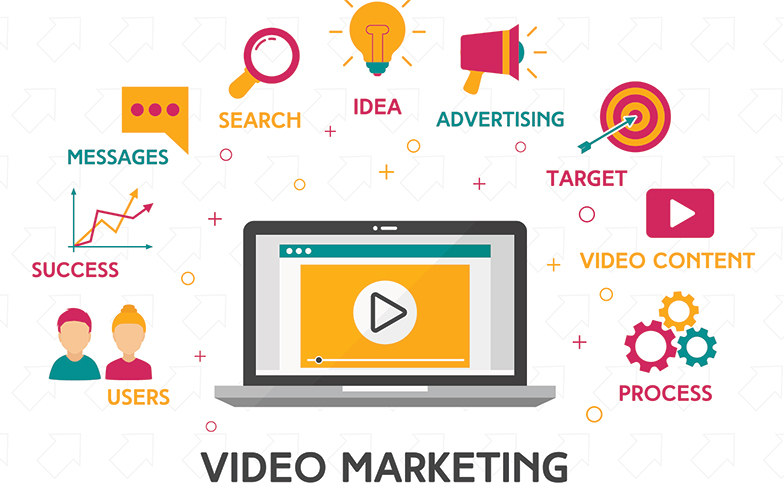
By combining storytelling with visual and audio elements, you can create captivating videos. These techniques will keep your audience engaged and drive better results.
Credit: www.proceedinnovative.com
Optimizing Videos For Seo
Optimizing your videos for SEO ensures they reach a wider audience. It also helps in ranking higher on search engines. This section will discuss key techniques for optimizing your videos. These include keyword integration and metadata optimization.
Keyword Integration
Integrating keywords into your video content is crucial. Here’s how to do it:
- Title: Include the primary keyword in the title. Make it catchy.
- Description: Use keywords naturally in the video description.
- Tags: Add relevant tags to categorize your video better.
Make sure your keywords flow naturally. Don’t force them into the content.
Metadata Optimization
Metadata helps search engines understand your video. Here’s what to focus on:
| Metadata Element | Optimization Tips |
|---|---|
| Title | Include primary keywords. Keep it under 60 characters. |
| Description | Provide a detailed description. Use secondary keywords naturally. |
| Tags | Use a mix of short and long-tail keywords. |
Optimized metadata improves your video’s discoverability. It also boosts your video’s ranking.
Leveraging Social Media Platforms
Video marketing is a powerful tool for businesses. Leveraging social media platforms can amplify your reach. Each platform has unique features that can enhance your video content. Understanding these features can help you engage your audience better.
Choosing The Right Platform
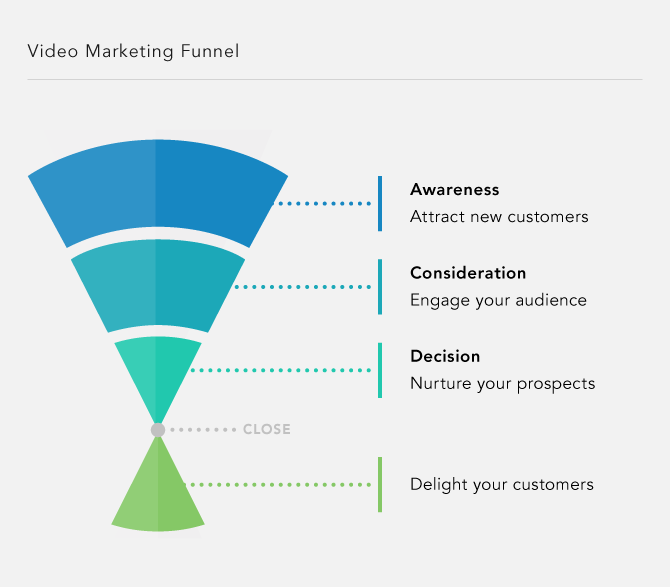
Every social media platform has a unique audience. Choose a platform that aligns with your target demographic. Here are some key points to consider:
| Platform | Audience | Video Format |
|---|---|---|
| General Audience | Short and Long Videos | |
| Younger Audience | Stories, Reels, IGTV | |
| YouTube | Diverse Audience | Long-form Content |
| Professional Audience | Informative Videos | |
| TikTok | Gen Z | Short, Creative Clips |
Platform-specific Strategies
Each platform requires a unique approach. Tailoring your strategy can maximize engagement.
- Facebook: Use native videos for better reach. Engage with comments and shares.
- Instagram: Utilize stories for behind-the-scenes content. Reels can boost visibility.
- YouTube: Create high-quality, informative videos. Use keywords in titles and descriptions.
- LinkedIn: Share industry insights and professional content. Engage with thought leaders.
- TikTok: Embrace trends and challenges. Keep content fun and engaging.
Credit: www.lemonlight.com
Measuring Video Performance
Understanding how your videos perform is essential. It helps you improve your content strategy. By measuring video performance, you can see what works and what doesn’t. This can lead to better engagement and higher conversion rates.
Key Metrics To Track
Tracking the right metrics can make a big difference. Here are some key metrics to consider:
- Views: The number of times your video is watched.
- Watch Time: Total time viewers spend watching your video.
- Engagement: Likes, comments, and shares on your video.
- Click-Through Rate (CTR): How many people click on your video link.
- Conversion Rate: The percentage of viewers who take action after watching.
Tools For Analytics
Several tools can help you measure video performance effectively. Here are some popular options:
| Tool | Features |
|---|---|
| Google Analytics | Tracks user behavior and conversion rates. |
| YouTube Analytics | Offers detailed insights on engagement, watch time, and demographics. |
| Wistia | Provides heatmaps and viewer engagement metrics. |
| Vimeo Analytics | Shows detailed performance metrics and engagement rates. |
Using these tools can help you fine-tune your video marketing strategy. Always keep an eye on the key metrics. This will help you understand what resonates with your audience.
Budget-friendly Video Production
Creating engaging video content does not need to be expensive. With the right tools and strategies, you can produce high-quality videos on a budget. This section explores affordable methods to create videos that captivate your audience.
Diy Video Tools
Do-it-yourself (DIY) video production can save you money. Several tools can help you create stunning videos without breaking the bank.
- Smartphone Cameras: Modern smartphones have powerful cameras. They can shoot high-quality videos.
- Video Editing Apps: Use apps like iMovie or Adobe Premiere Rush. They offer robust features for editing.
- Lighting Kits: Affordable lighting kits can improve video quality. Good lighting makes a big difference.
- Microphones: Invest in a budget microphone. Clear audio is essential.
Cost-effective Outsourcing
Outsourcing video production can also be budget-friendly. Many freelancers and agencies offer affordable services.
| Service | Average Cost |
|---|---|
| Freelance Videographer | $200 – $500 per project |
| Video Editing | $50 – $300 per video |
| Animation Services | $300 – $1000 per minute |
Use platforms like Upwork or Fiverr. You can find skilled professionals at various price points.
Always check reviews and past work. It ensures you get quality service for your money.
Credit: www.slideteam.net
Future Trends In Video Marketing
The landscape of video marketing is evolving rapidly. Marketers must stay ahead to remain competitive. Here are key future trends shaping this dynamic field.
Interactive Videos
Interactive videos allow viewers to engage directly with the content. They offer a personalized experience that keeps users hooked. Some common interactive elements include:
- Clickable hotspots
- Quizzes and polls
- Choose-your-own-adventure paths
These features boost viewer engagement and retention. They also provide valuable data for marketers. This data helps in understanding audience preferences better.
Interactive videos are also shareable. This makes them ideal for social media platforms. Engaging content often leads to higher share rates and brand visibility.
Live Streaming
Live streaming is another powerful trend. It offers real-time interaction with audiences. Platforms like Facebook, Instagram, and YouTube support live streaming.
Live streaming is great for:
- Product launches
- Q&A sessions
- Behind-the-scenes tours
Real-time engagement builds trust and authenticity. It allows businesses to address questions instantly. This fosters a sense of community and loyalty.
Additionally, live streaming can be repurposed. Recorded sessions can be shared later. This extends the content’s lifespan and reach.
| Video Marketing Trend | Key Benefits |
|---|---|
| Interactive Videos | High engagement, personalized experience, valuable data |
| Live Streaming | Real-time interaction, builds trust, extended content lifespan |
Case Studies Of Successful Campaigns
Analyzing successful video marketing campaigns provides valuable insights. These case studies highlight strategies that worked. Understanding these can help you craft your own winning campaign.
Brand Success Stories
Brands have used video marketing to achieve remarkable success. Here are a few standout examples:
| Brand | Campaign | Key Achievements |
|---|---|---|
| Nike | Dream Crazy |
|
| Old Spice | The Man Your Man Could Smell Like |
|
| Dove | Real Beauty Sketches |
|
Lessons Learned
These campaigns teach us valuable lessons:
- Emotional connection drives engagement. People share content that touches them.
- Authenticity matters. Genuine messages resonate more with the audience.
- Storytelling is powerful. Stories help people remember your brand.
- Consistency is key. Regular, high-quality content keeps your audience engaged.
- Data analysis helps. Track performance to refine your strategy.
Frequently Asked Questions
What Is Video Marketing?
Video marketing involves using videos to promote and market your product or service. It helps to engage audiences and improve your brand’s visibility online.
Why Is Video Marketing Important?
Video marketing is crucial because it increases engagement, boosts conversions, and enhances SEO. It helps to capture attention and convey information quickly.
How Do You Create A Video Marketing Strategy?
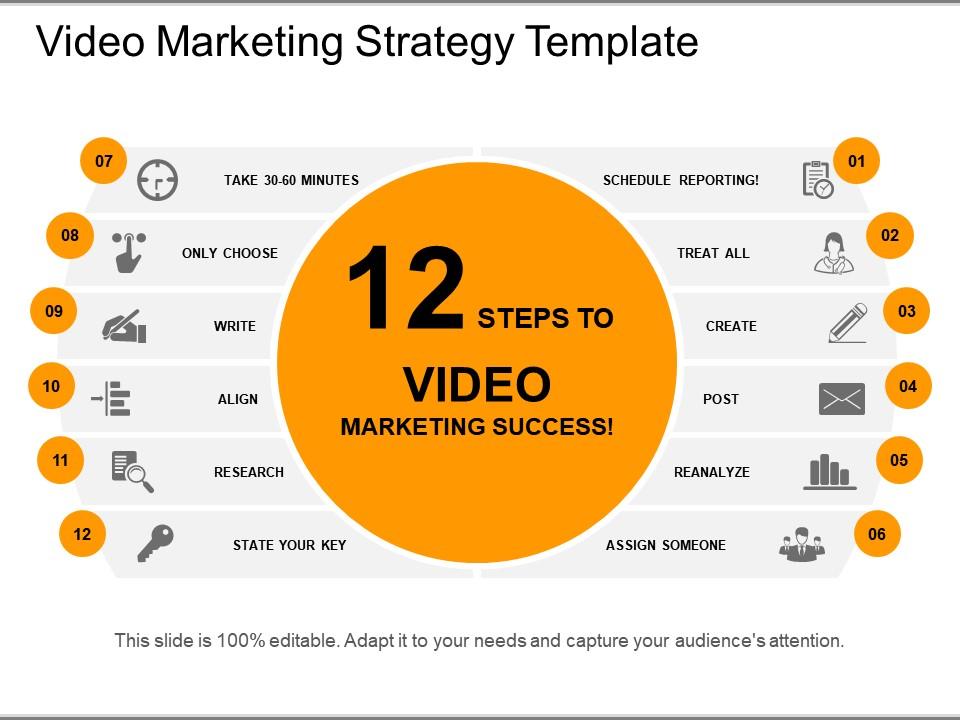
To create a video marketing strategy, define your goals, know your audience, plan your content, and choose the right platforms.
What Types Of Videos Are Effective?
Effective video types include tutorials, product demos, customer testimonials, and behind-the-scenes footage. These videos engage viewers and provide valuable information.
Conclusion
Mastering video marketing techniques can significantly boost your brand’s visibility and engagement. Keep your content authentic and engaging. Regularly analyze performance and adapt strategies. Stay updated with trends and always prioritize your audience’s needs. With dedication, your video marketing efforts will yield impressive results.