
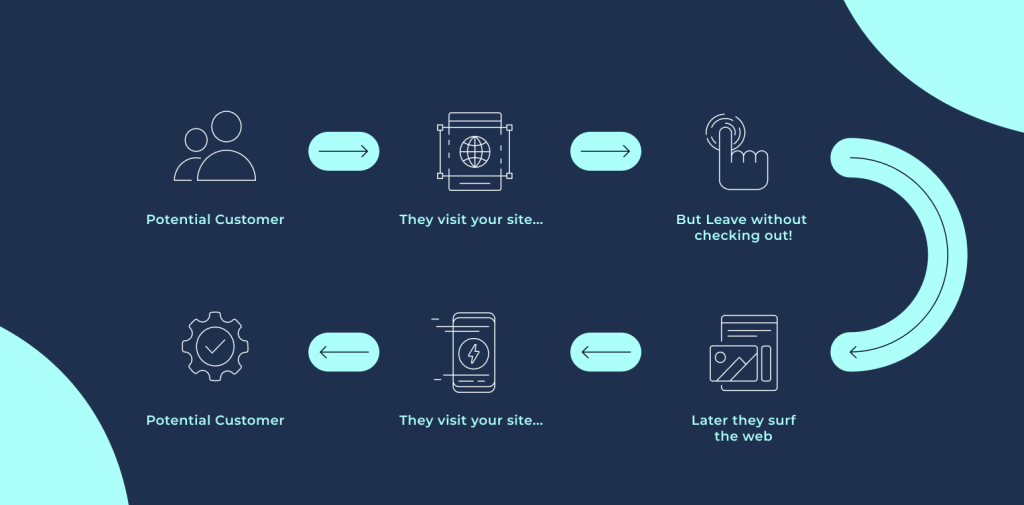
Retargeting campaigns help re-engage users who previously interacted with your website. They boost conversions by reminding potential customers of your products.
Retargeting campaigns are essential for digital marketing strategies. They focus on users who showed interest but didn’t convert. By displaying tailored ads to these users, businesses can drive them back to the website. This approach increases the chances of converting casual visitors into loyal customers.
Retargeting leverages data to personalize advertising, making it more relevant and effective. It also helps in optimizing ad spend by targeting an audience already familiar with your brand. Marketers use various platforms like Google Ads and Facebook to implement these campaigns. Effective retargeting can significantly enhance ROI and customer retention.
)
Credit: www.adjust.com
Introduction To Retargeting
Retargeting is a powerful tool in digital marketing. It helps reach potential customers. These customers have already interacted with your website. Retargeting can boost conversions and increase ROI.
What Is Retargeting?
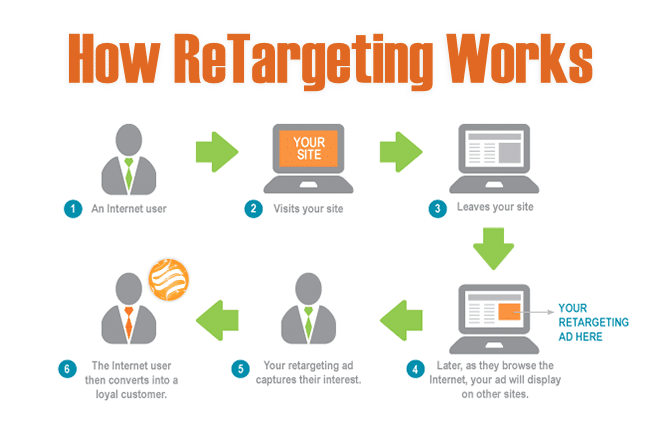
Retargeting is a form of online advertising. It targets users who have visited your site. It uses cookies to track these visitors. Then, it shows them ads on other websites.
This helps remind users of your brand. It encourages them to return and complete actions. Actions like making a purchase or signing up for a newsletter.
Importance Of Retargeting
Retargeting is important for several reasons. First, it keeps your brand in mind. Users often leave websites without converting. Retargeting reminds them to come back.
Second, it increases conversion rates. Users familiar with your brand are more likely to convert. Retargeting ads are a gentle nudge to take action.
Third, it improves ROI. Retargeting is cost-effective. It targets users already interested in your products. This makes your marketing spend more efficient.
Setting Up Your Retargeting Campaign
Setting up a retargeting campaign can significantly boost your online marketing efforts. Retargeting helps you reach potential customers who have interacted with your website. This guide will cover the essentials of setting up a successful retargeting campaign.
Choosing The Right Platform
Choosing the right platform is crucial for your retargeting campaign’s success. Popular platforms include Google Ads, Facebook Ads, and LinkedIn Ads. Each platform has unique strengths and features. Select the platform that aligns best with your business goals and target audience.
| Platform | Key Features |
|---|---|
| Google Ads | Wide reach, detailed analytics, extensive ad formats |
| Facebook Ads | Highly targeted, large user base, visual content |
| LinkedIn Ads | Professional audience, B2B focus, advanced targeting |
Evaluate each platform’s features and choose one that fits your needs. Remember to consider your budget and resources.
Installing Tracking Pixels
Installing tracking pixels is essential for monitoring user interactions on your website. Tracking pixels collect data that helps you create targeted ads. Follow these steps to install tracking pixels:
- Log in to your chosen ad platform.
- Navigate to the tracking pixel section.
- Generate the tracking pixel code.
- Copy the code to your website’s header section.
Ensure that the tracking pixel is properly installed and functioning. Use your platform’s tools to verify installation. Proper installation of tracking pixels ensures accurate data collection, which is vital for effective retargeting.
By following these steps, you can set up a successful retargeting campaign. Retargeting can help you reach potential customers and boost your marketing efforts.
Segmenting Your Audience
Segmenting your audience is crucial for an effective retargeting campaign. By breaking down your audience into specific groups, you can tailor your messages. This makes your ads more relevant and compelling.
Defining Customer Segments
To define customer segments, start by identifying key characteristics. Demographics like age, gender, and location are good starting points. Psychographics such as interests and lifestyles offer deeper insights.
Create detailed buyer personas. These personas help you understand your audience better. Use data from past interactions to refine these personas.
| Segment | Characteristics |
|---|---|
| Young Professionals | Age 25-34, Urban, Tech-Savvy |
| Parents | Age 35-45, Suburban, Family-Oriented |
| Retirees | Age 60+, Rural, Leisure Activities |
Behavioral Targeting
Behavioral targeting focuses on user actions. Track behaviors like pages visited, items viewed, and purchases made. These actions reveal user intent.
Use this data to create custom audiences. For example, target users who abandoned their cart. These users are prime candidates for retargeting.
- Visited product pages
- Downloaded a whitepaper
- Subscribed to a newsletter
Behavioral targeting ensures your ads appear at the right time. This increases the likelihood of conversion.
Credit: www.sanctuarymg.com
Crafting Effective Ad Creatives
Creating powerful ad creatives is key to a successful retargeting campaign. Effective ad creatives grab attention and drive conversions. This section will guide you through crafting compelling ad designs and copy.
Design Best Practices
Effective design is crucial for capturing your audience’s attention. Follow these best practices:
- Use high-quality images. They should be clear and relevant.
- Ensure your brand colors are consistent. This builds brand recognition.
- Keep your design simple and uncluttered. Too much information can overwhelm.
- Include a clear call-to-action (CTA). It tells users what to do next.
- Test different formats. Experiment with static images, gifs, and videos.
Here’s a simple table to summarize these points:
| Best Practice | Why It’s Important |
|---|---|
| High-Quality Images | Grabs attention and looks professional |
| Consistent Brand Colors | Builds brand recognition |
| Simple Design | Avoids overwhelming the user |
| Clear CTA | Guides the user’s next step |
| Format Testing | Finds what works best |
Compelling Copywriting
Writing compelling copy is just as important as design. Follow these tips:
- Use short, clear messages. Long text can lose attention.
- Focus on benefits, not features. Tell users how it helps them.
- Use action words. Words like “discover”, “save”, and “join” are powerful.
- Personalize your message. Use the user’s name if possible.
- Test different headlines. Find which one resonates best.
Compelling copy is key to driving clicks and conversions. Keep your audience in mind while crafting your message.
Ad Placement Strategies
Ad Placement Strategies are crucial for the success of retargeting campaigns. Proper ad placement ensures that your ads reach the right audience. It also enhances the conversion rate. This section explores the best practices for choosing ad networks and optimizing ad frequency.
Choosing Ad Networks
Selecting the right ad network is key. Each network has its own strengths and weaknesses. Here are some popular ad networks:
- Google Display Network: Vast reach and diverse audience.
- Facebook Ads: High engagement and targeting options.
- Instagram Ads: Visual appeal and young audience.
- LinkedIn Ads: Ideal for B2B targeting.
Consider your target audience and campaign goals. Match them with the strengths of each network. This alignment maximizes your ad performance.
Optimizing Ad Frequency
Ad frequency refers to how often your ads are shown to the same user. Too many ads can annoy users. Too few ads can make them forget your brand.
| Frequency | Effect |
|---|---|
| Low | Users may forget your brand. |
| Medium | Optimal for brand recall. |
| High | Users may find it annoying. |
Track user engagement to find the right frequency. Use A/B testing to see what works best. Adjust your ad frequency based on user feedback.
By choosing the right ad networks and optimizing ad frequency, you enhance your retargeting campaigns. This leads to better conversion rates and higher ROI.
Measuring Campaign Performance
Measuring the performance of your retargeting campaigns is essential. It helps you understand which strategies work best. By tracking key metrics and analyzing data, you can refine your approach. This ensures that your efforts lead to better results and higher conversions.
Key Metrics To Track
To gauge the success of your retargeting campaigns, focus on the following metrics:
- Click-Through Rate (CTR): The percentage of people who click on your ad after seeing it. A high CTR indicates effective ad design and targeting.
- Conversion Rate: The percentage of clicks that result in a desired action, such as a purchase or sign-up. This shows how persuasive your ads are.
- Cost Per Click (CPC): The amount you pay each time someone clicks on your ad. Lower CPC means more efficient spending.
- Return on Ad Spend (ROAS): The revenue generated for every dollar spent on ads. A higher ROAS indicates more profitable campaigns.
- Impressions: The number of times your ad is displayed. More impressions can lead to greater brand visibility.
Analyzing Data For Insights
Once you have tracked your key metrics, it’s time to analyze the data. Here are some steps to follow:
- Compare CTR across different ads to identify the most engaging creatives.
- Evaluate Conversion Rates to see which audience segments respond best.
- Analyze CPC to understand which ads are costing more and why.
- Calculate ROAS to determine the overall profitability of your campaigns.
- Review Impressions to ensure your ads are being seen by the right audience.
| Metric | Definition | Importance |
|---|---|---|
| Click-Through Rate (CTR) | Percentage of clicks per ad view | Measures ad engagement |
| Conversion Rate | Percentage of clicks leading to desired actions | Shows ad persuasiveness |
| Cost Per Click (CPC) | Cost paid per ad click | Indicates spending efficiency |
| Return on Ad Spend (ROAS) | Revenue generated per dollar spent | Indicates profitability |
| Impressions | Number of times ad is displayed | Measures brand visibility |
Optimizing Your Retargeting Campaign
Optimizing your retargeting campaign can lead to higher conversions. It helps in making the most of your marketing efforts. Follow these steps to maximize your campaign’s potential.
A/b Testing Ads
A/B testing is essential for improving ad performance. Create two versions of your ad. Compare their effectiveness. This helps identify what works best.
- Headline: Test different headlines to see which grabs attention.
- Images: Use various images to find the most engaging one.
- Call-to-Action: Experiment with different calls-to-action.
Make sure to run tests for a sufficient time. Collect enough data for accurate results.
Budget Allocation Tips
Proper budget allocation is crucial for campaign success. Divide your budget wisely across different ad sets.
- Start with a small budget for each ad set.
- Monitor performance and reallocate funds to top-performing ads.
- Consider seasonality and allocate more during peak times.
Use this table for a quick budget allocation overview:
| Ad Set | Initial Budget | Reallocation Based on Performance |
|---|---|---|
| Ad Set 1 | $50 | Increase if high-performing |
| Ad Set 2 | $50 | Decrease if low-performing |
Regularly review and adjust your budget. This ensures optimal spending and results.

Credit: blog.hubspot.com
Case Studies And Success Stories
Retargeting campaigns have revolutionized digital marketing by targeting potential customers who have already shown interest. Below, we delve into some case studies and success stories that highlight the effectiveness of retargeting campaigns in various industries.
Industry Examples
Numerous industries have seen remarkable results from retargeting campaigns. Here are a few standout examples:
| Industry | Company | Results |
|---|---|---|
| Retail | Zappos | Increased conversions by 20% in 3 months. |
| Travel | Expedia | Reduced cart abandonment rate by 15%. |
| Technology | Apple | Boosted sales of new products by 25%. |
Lessons Learned
From these success stories, several key lessons emerge that can guide future retargeting campaigns:
- Personalization matters: Tailored ads resonate more with potential customers.
- Time is crucial: Target users soon after they show interest.
- Use multiple channels: Leverage social media, search engines, and email marketing.
- Measure and adapt: Continuously monitor performance and tweak strategies.
Retargeting campaigns, when executed correctly, can dramatically enhance your marketing efforts. Use these industry examples and lessons learned to craft your strategy.
Future Trends In Retargeting
The world of retargeting campaigns is evolving rapidly. With technology advancing, new trends are emerging. These trends promise to make retargeting more effective and efficient. In this section, we will explore the future trends in retargeting.
Ai And Machine Learning
Artificial Intelligence (AI) and Machine Learning (ML) are transforming retargeting. These technologies can analyze vast amounts of data. They help identify patterns and optimize ad delivery. This means ads are shown to the right people at the right time.
AI and ML can also predict user behavior. This allows for more personalized ad experiences. Personalized ads have higher engagement rates. They also improve conversion rates. Here are some key benefits of AI and ML in retargeting:
- Better audience segmentation
- Improved ad relevance
- Increased ad performance
Privacy And Retargeting
User privacy is a growing concern. New regulations are being introduced globally. These laws affect how data is collected and used. GDPR and CCPA are examples of such regulations. They require businesses to be transparent about data use.
Retargeting strategies must adapt to these changes. Businesses need to focus on consent-based marketing. They should use privacy-friendly tracking methods. Here are some strategies to ensure privacy compliance:
- Obtain explicit user consent
- Use first-party data
- Implement clear privacy policies
Respecting user privacy builds trust. It also ensures compliance with laws. This leads to better user relationships and long-term success.
Frequently Asked Questions
What Is A Retargeting Campaign?
A retargeting campaign targets users who have previously visited your website. It aims to bring them back by showing relevant ads.
How Does Retargeting Work?
Retargeting works by placing a cookie on a visitor’s browser. This allows you to show them ads on other websites they visit.
Why Are Retargeting Campaigns Effective?
Retargeting campaigns are effective because they target users already familiar with your brand. This increases the chances of conversion.
How Can I Measure Retargeting Success?
Measure retargeting success by tracking metrics like click-through rates, conversion rates, and return on investment. These metrics provide insights into campaign performance.
Conclusion
Retargeting campaigns can significantly boost your conversion rates. By reaching past visitors, you keep your brand top of mind. Implement these strategies to engage potential customers effectively. Stay consistent, analyze your results, and optimize as needed. With the right approach, retargeting can transform your marketing efforts and drive success.